Glymphatic system impairment in type II diabetes mellitus adults
Bhaswati Roy, Veronica Lubera, Kamal R. Singh, Anshita Singh, Dineth R. Karunamuni, Diana E. Kosoyan, Megan Carrier, Sarah E. Choi, Matthew J. Freeby, Rajesh Kumar

TL;DR
This study shows that adults with type 2 diabetes have impaired brain waste clearance and worse sleep, which may contribute to cognitive decline.
Contribution
First examination of glymphatic system impairment in type 2 diabetes using DTI-ALPS imaging.
Findings
T2DM adults had significantly reduced DTI-ALPS values, indicating impaired glymphatic function.
T2DM patients showed worse sleep quality and daytime sleepiness compared to controls.
Cognitive scores were lower in T2DM adults, particularly in visuospatial and language domains.
Abstract
Type 2 diabetes mellitus (T2DM) is associated with multiple systemic complications, including cognitive decline and increased risk of neurodegenerative diseases. The glymphatic system, a brain waste-clearance pathway that can be impaired by sleep disturbances common in T2DM, has not yet been examined in the condition. Therefore, the aim was to evaluate glymphatic system in T2DM subjects using diffusion tensor imaging along the perivascular space (DTI-ALPS) index. A total of 78 T2DM adults and 106 healthy controls underwent brain MRI. Sleep issues were assessed using the Pittsburgh Sleep Quality Index (PSQI) and Epworth Sleepiness Scale (ESS), and cognition with the Montreal Cognitive Assessment (MoCA). Group differences in DTI-ALPS, sleep metrics, and MoCA scores were assessed with analysis of covariance (covariates, age, sex, and BMI). Other covariates (MoCA, ESS, and sleep apnea…
Genes, proteins, chemicals, diseases, species, mutations and cell lines named across the full text — each resolved to its canonical identifier and authoritative record.
Click any figure to enlarge with its caption.
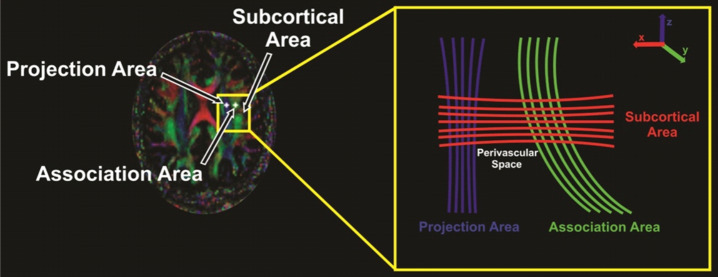 Figure 1
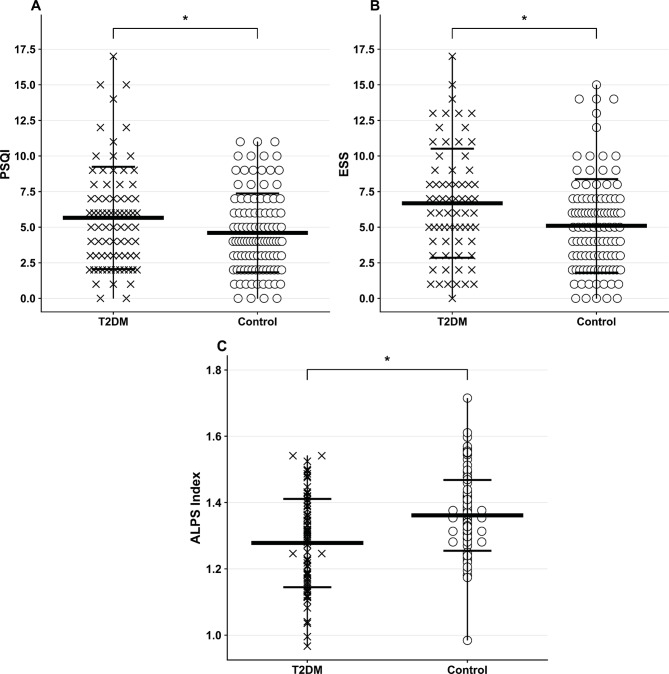 Figure 2
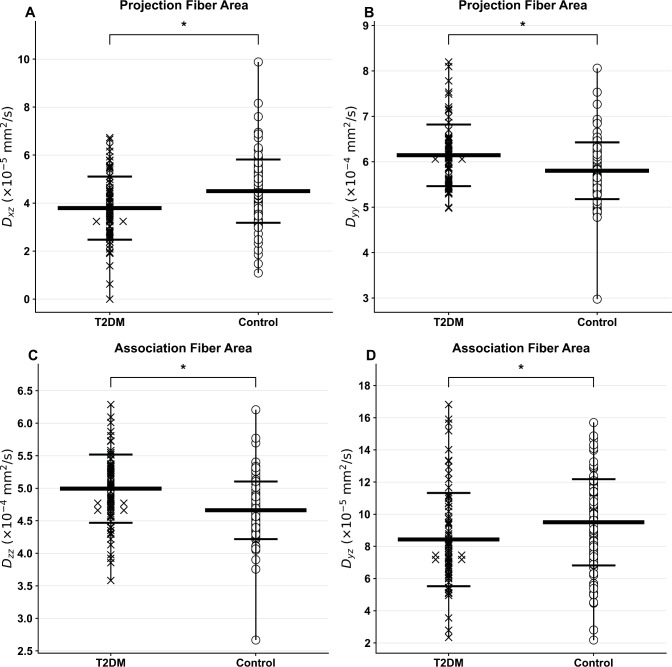 Figure 3
Peer Reviews
No public reviews on file for this paper yet. If you reviewed it on a platform where reviews are public (OpenReview, ICLR, NeurIPS, ICML), you can paste yours below so the community can read it here.
Videos
No videos yet. Explain this paper in a talk, walkthrough, or lecture? Add one.
Taxonomy
TopicsCerebrospinal fluid and hydrocephalus · Spinal Dysraphism and Malformations · Traumatic Brain Injury and Neurovascular Disturbances