Comparative multi-omic analysis reveals conserved and derived mechanisms of fin and limb regeneration
Josane F. Sousa, Gabriela Lima, Louise Perez, Hannah Schof, Igor Schneider

TL;DR
This study compares how different animals regenerate limbs and fins, finding both shared and unique mechanisms involved in the process.
Contribution
The study identifies conserved and species-specific molecular and genomic mechanisms underlying fin and limb regeneration in vertebrates.
Findings
Conserved markers of blastema territories and DNA damage repair are shared across species.
Hif1a-mediated hypoxia response and inflammatory programs are sequentially activated during regeneration.
Genome-wide chromatin profiling reveals conserved AP-1 binding and candidate regulatory elements.
Abstract
Comparative studies of vertebrate appendages offer a powerful framework for uncovering shared components of an ancestral regeneration toolkit. Here, we employed a multi-omics comparative approach leveraging the regenerative capacity of the axolotl, zebrafish, and Polypterus senegalus, a fish capable of full fin regeneration. We identified conserved markers of proximal and distal blastema territories, shared activation of DNA damage repair, hif1a-mediated hypoxia response, and sequential activation of pro- and anti-inflammatory program. Apical epithelial ridge markers were expressed in both the wound epidermis and distal mesenchyme during limb and fin regeneration. Notably, hif4a-expressing erythrocytes were uniquely associated with proximal limb and fin amputations but not fin rays, while epidermal myoglobin expression was upregulated only in Polypterus and zebrafish fins. Genome-wide…
Genes, proteins, chemicals, diseases, species, mutations and cell lines named across the full text — each resolved to its canonical identifier and authoritative record.
Click any figure to enlarge with its caption.
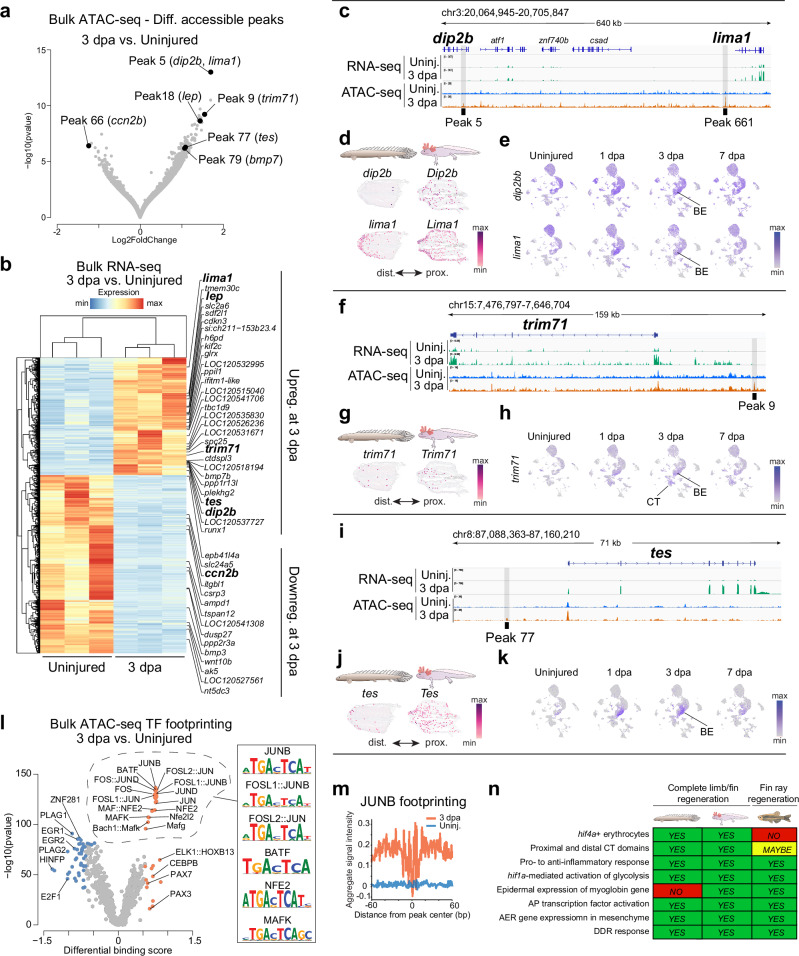 Figure 10
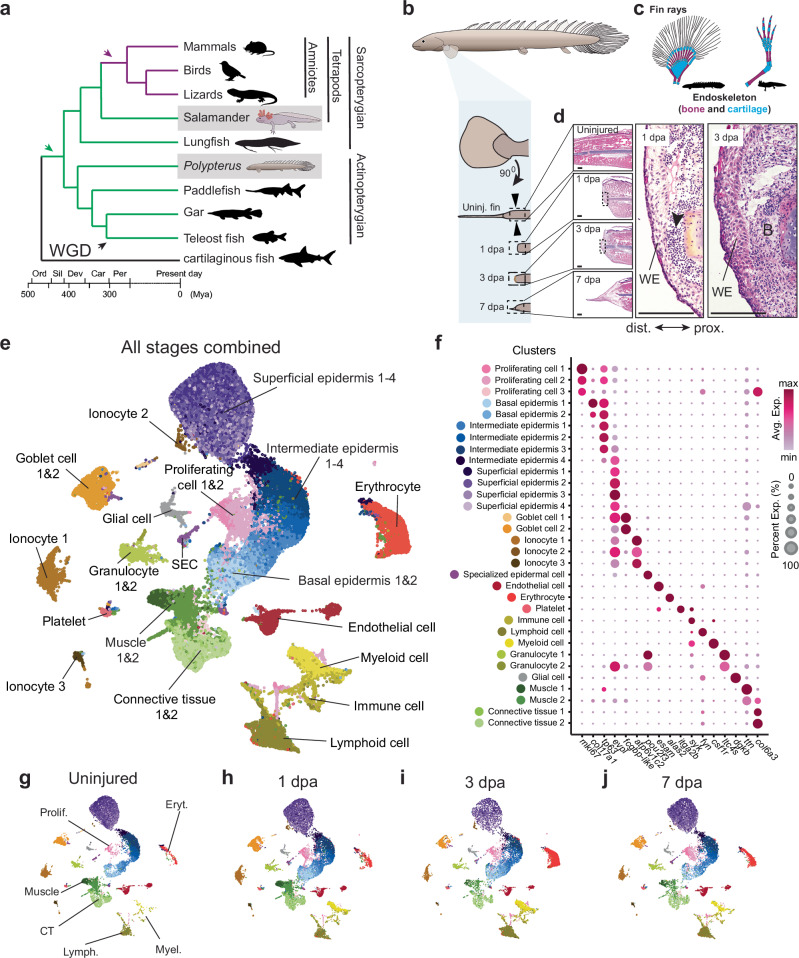 Figure 1
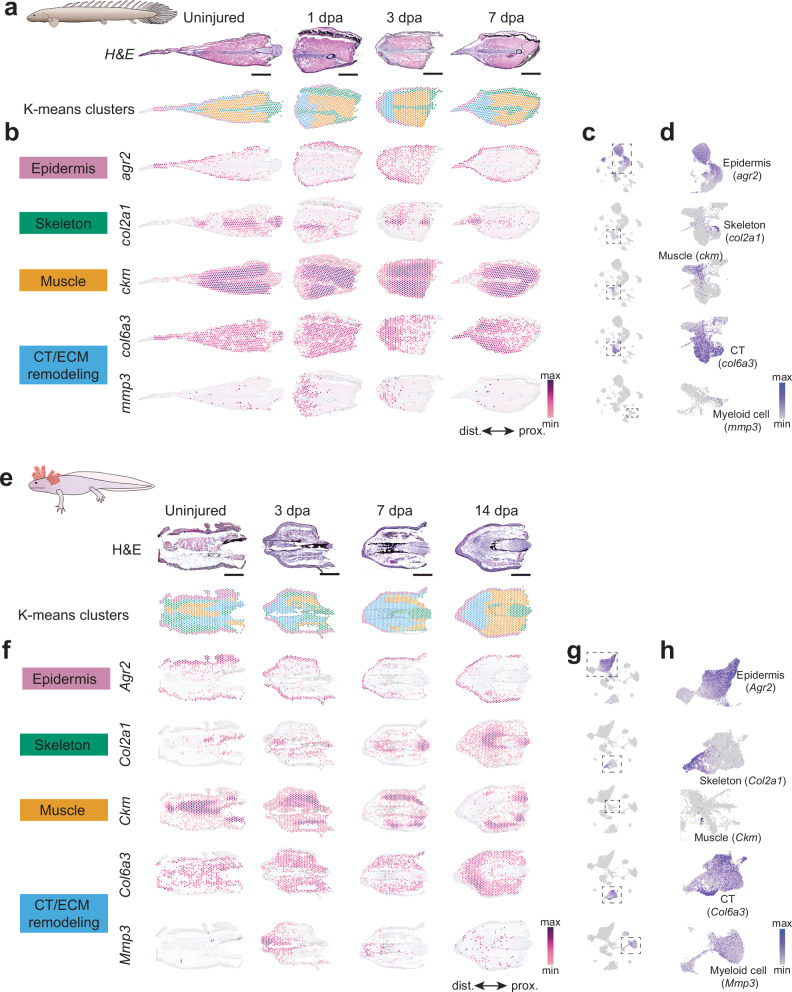 Figure 2
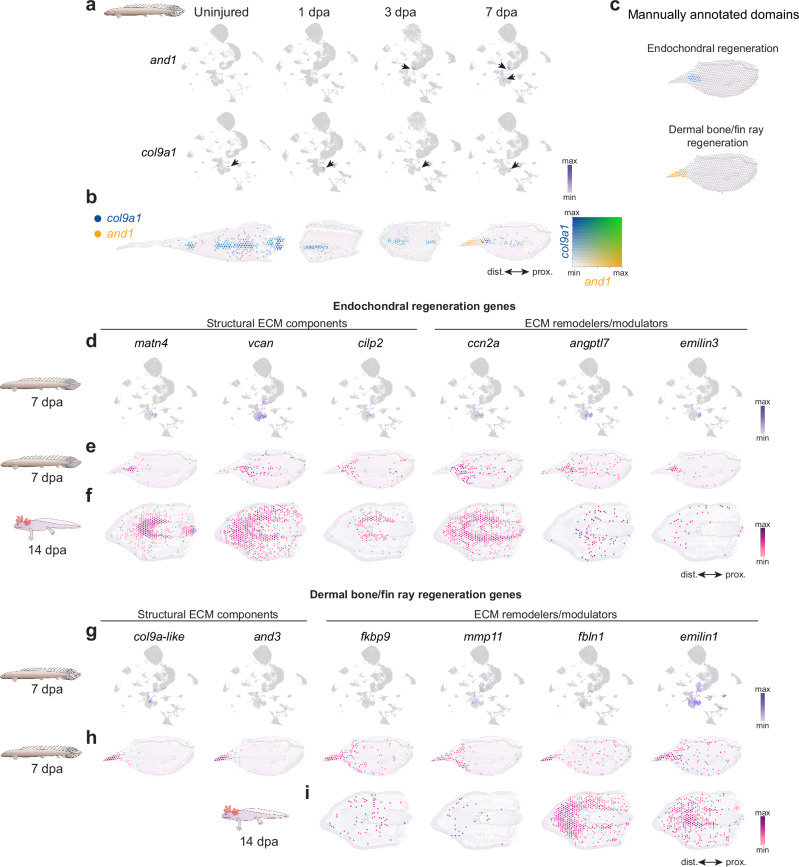 Figure 3
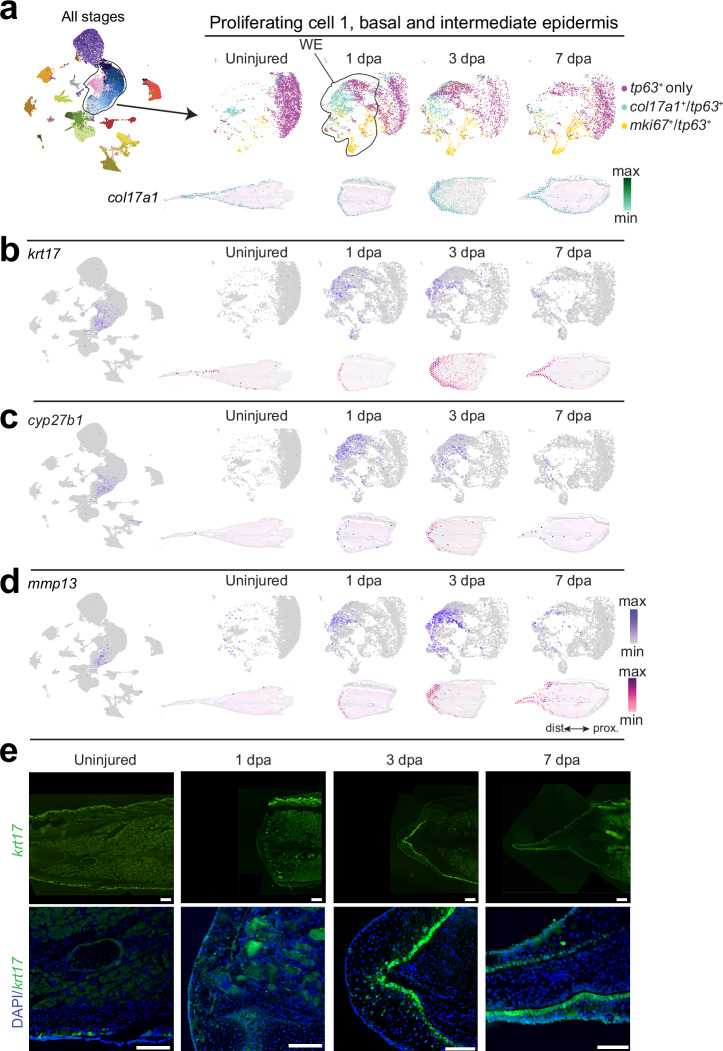 Figure 4
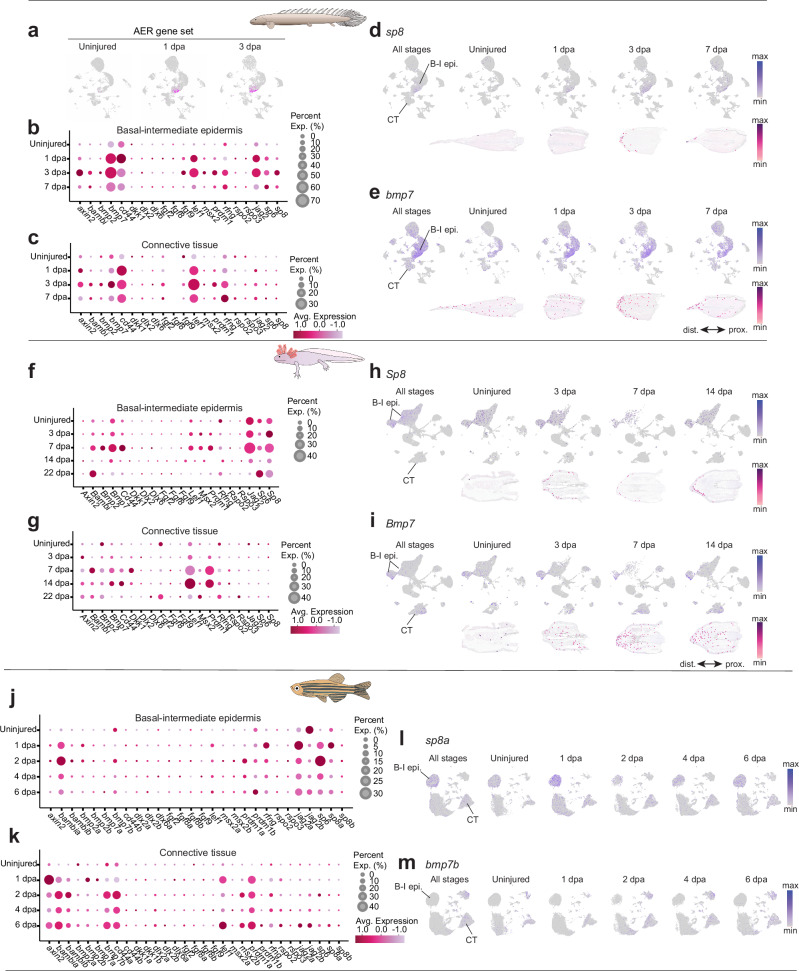 Figure 5
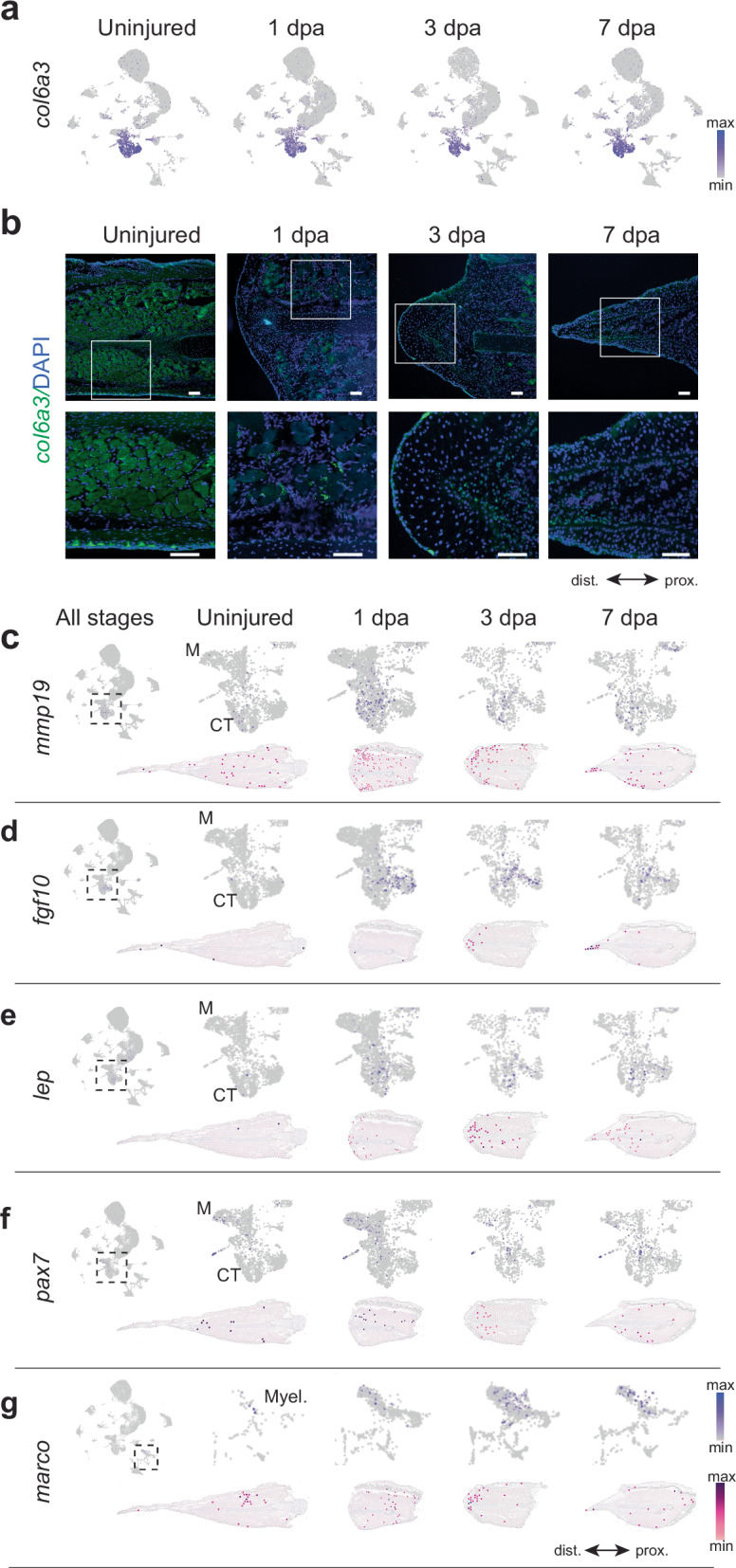 Figure 6
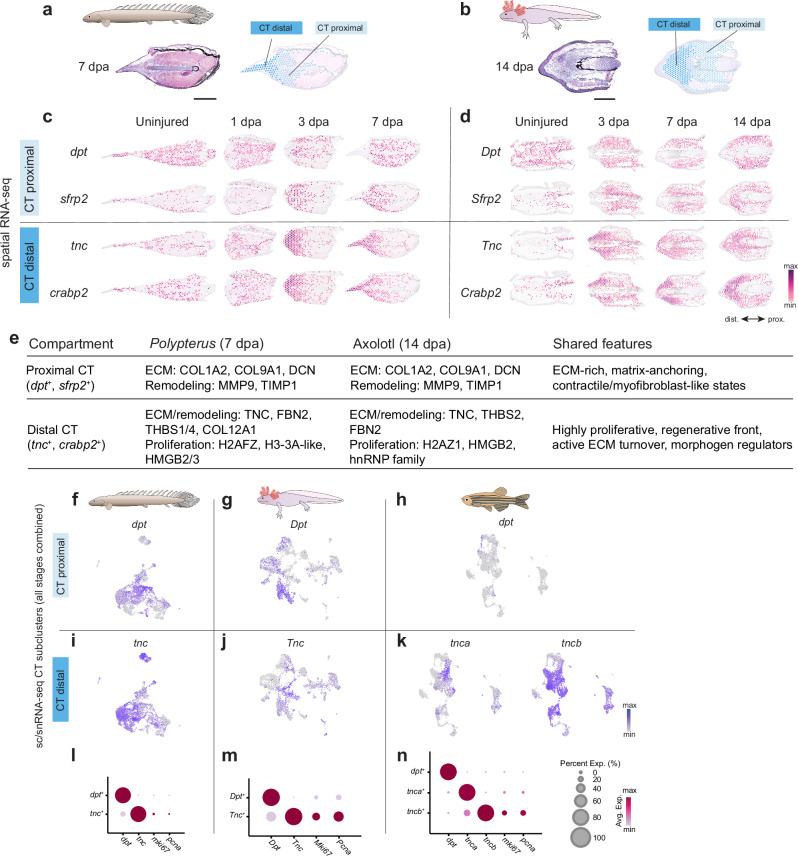 Figure 7
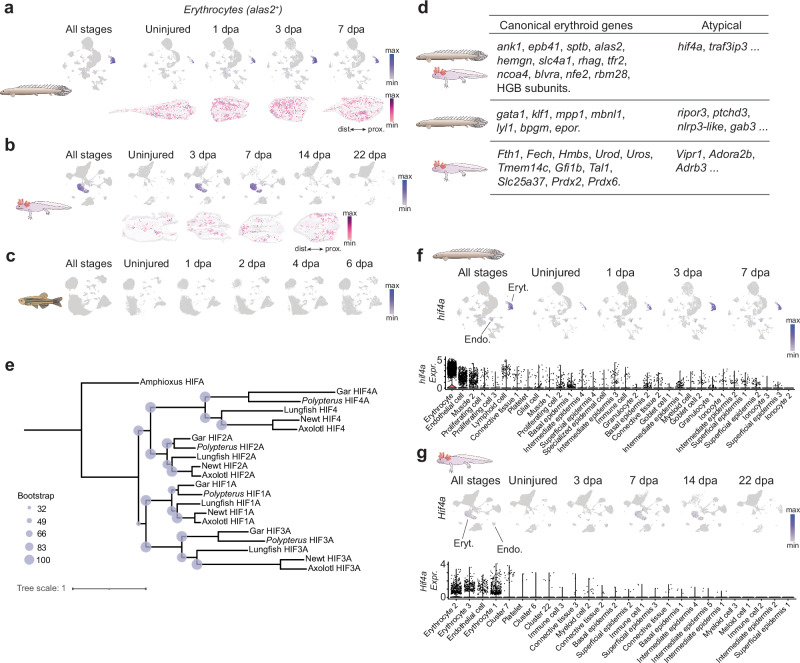 Figure 8
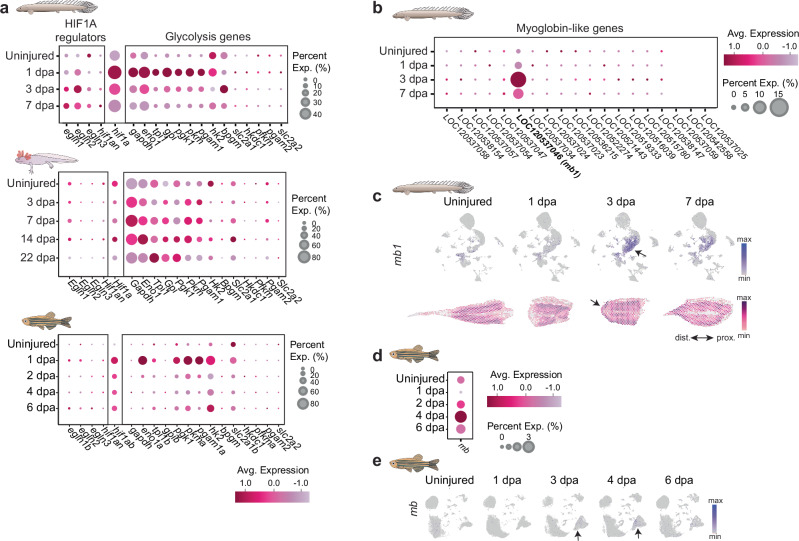 Figure 9
Peer Reviews
No public reviews on file for this paper yet. If you reviewed it on a platform where reviews are public (OpenReview, ICLR, NeurIPS, ICML), you can paste yours below so the community can read it here.
Videos
No videos yet. Explain this paper in a talk, walkthrough, or lecture? Add one.
Taxonomy
TopicsDevelopmental Biology and Gene Regulation · Zebrafish Biomedical Research Applications · Congenital heart defects research