Dysfunction of GABAergic interneurons underlies altered neural network oscillations associated with epileptiform activity in PPT1-deficient mice
Jia Tong, Weizhen Liu, Qianqian Wang, Huifang Yang, Ziyan Gao, Wanliu Wu, Jie Liu, Wenqiang Li, Chengbiao Lu

TL;DR
PPT1 deficiency in mice causes dysfunction in brain cells that control neural rhythms, leading to seizures and brain damage.
Contribution
This study reveals that PPT1 deficiency causes early dysfunction in GABAergic interneurons, leading to seizures and neurodegeneration in CLN1 disease.
Findings
PPT1 deficiency activates caspase 3 in PV+ interneurons and disrupts theta-gamma coupling in early disease stages.
Late-stage PPT1 deficiency causes neuronal loss, spontaneous seizures, and pathological ripples.
Diazepam treatment partially restores oscillatory coupling and reduces seizure-like activity.
Abstract
The neuronal ceroid lipofuscinosis family of lysosomal storage diseases, also called CLN1 disease, is characterized by the deficiency of palmitoyl-protein thioesterase 1 (PPT1). In this study, we investigated the impact of PPT1 deficiency on hippocampal GABAergic interneurons (INs) and associated neural network oscillations in a PPT1-KI (CLN1 c.451 C > T (p.R151X)) mouse model. Using a combination of in vivo electrophysiology, immunostaining, and fiber photometry, we observed that PPT1 deficiency led to the activation of caspase 3 in parvalbumin-positive (PV+) INs, an increased activity of pyramidal neurons and theta/gamma oscillation power, and the disruption of theta-gamma cross-frequency coupling (CFC) in the early stage of the CLN1 disease model. In the late stage of the CLN1 disease model, we observed the reduced neuronal activity, extensive neuronal loss including PV+ INs, and the…
Genes, proteins, chemicals, diseases, species, mutations and cell lines named across the full text — each resolved to its canonical identifier and authoritative record.
Click any figure to enlarge with its caption.
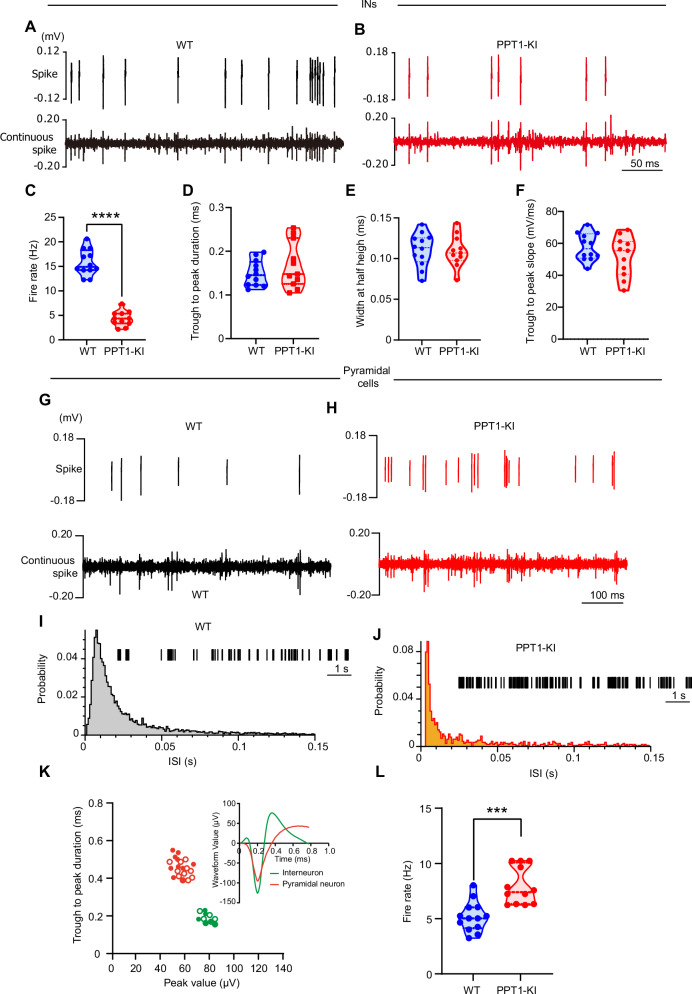 Figure 1
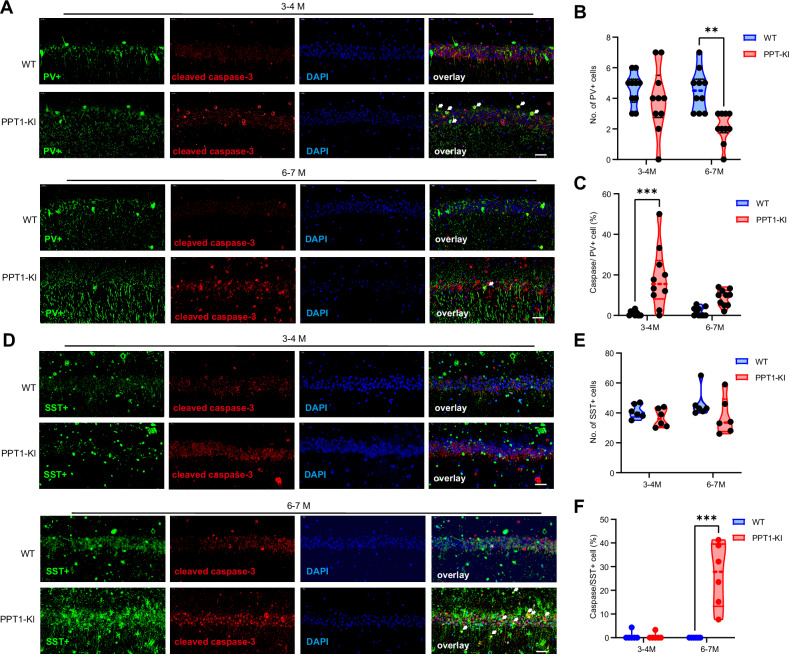 Figure 2
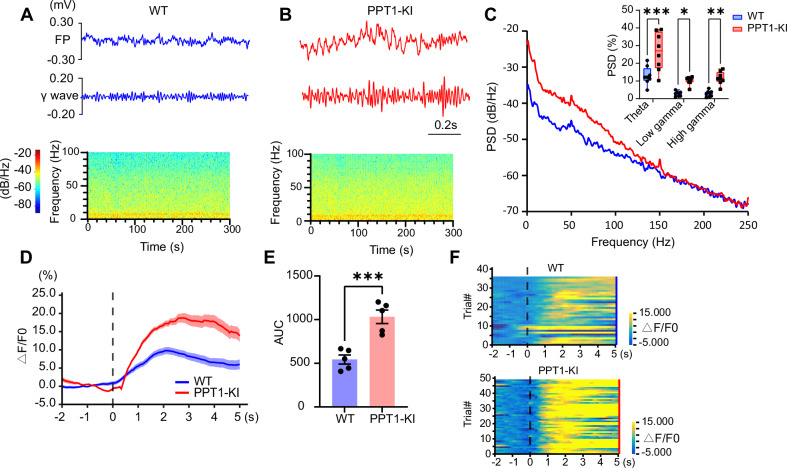 Figure 3
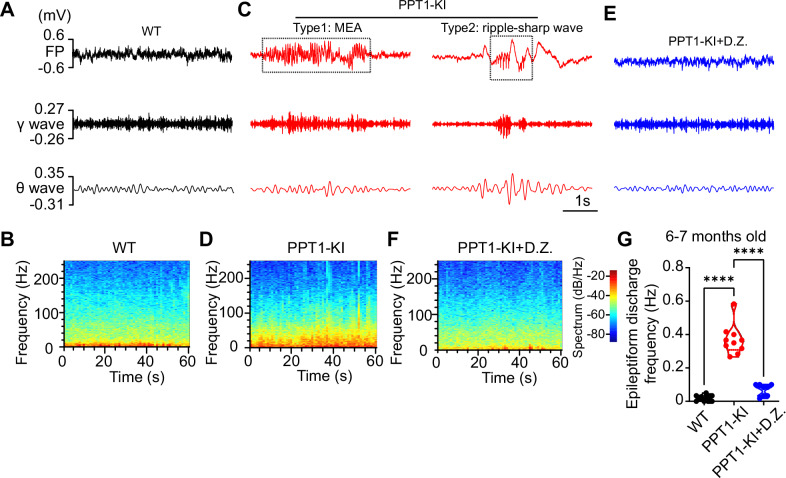 Figure 4
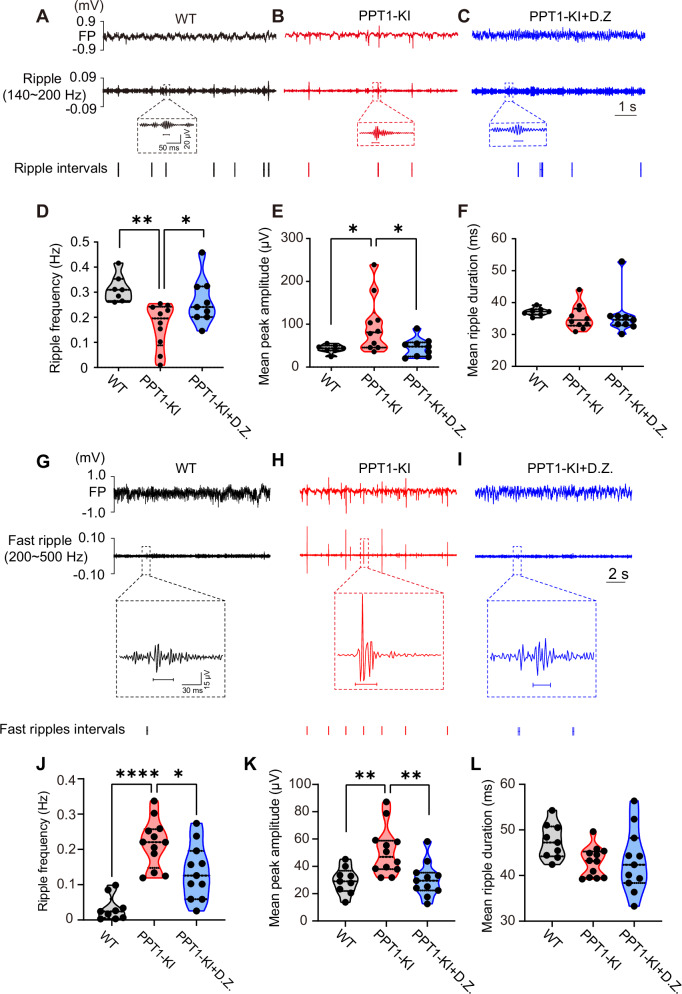 Figure 5
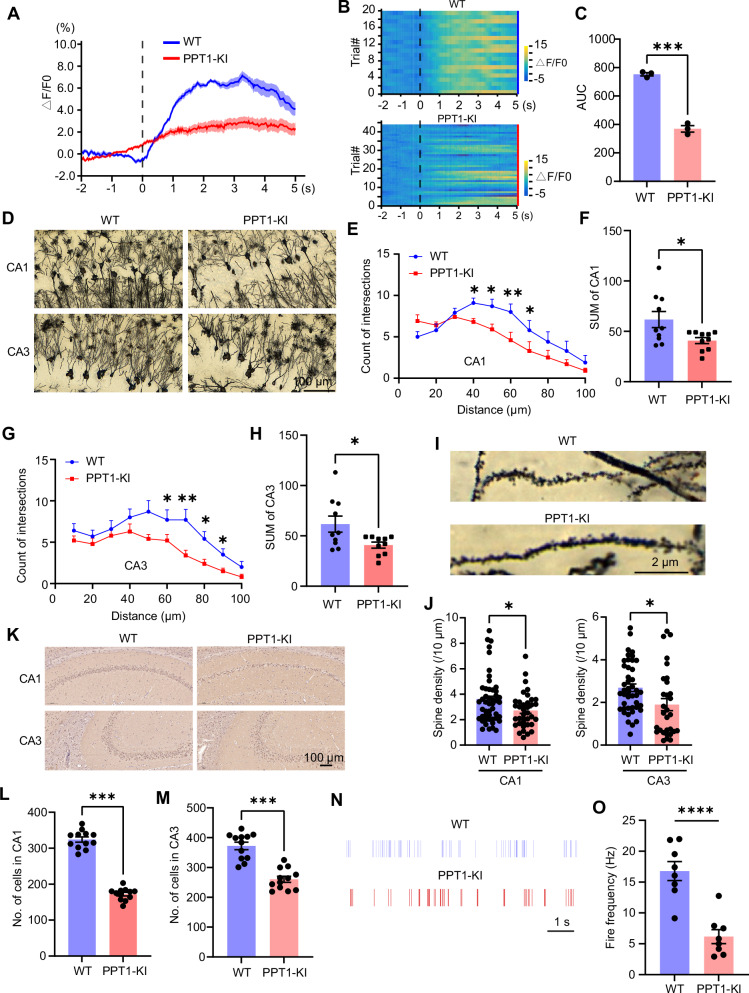 Figure 6
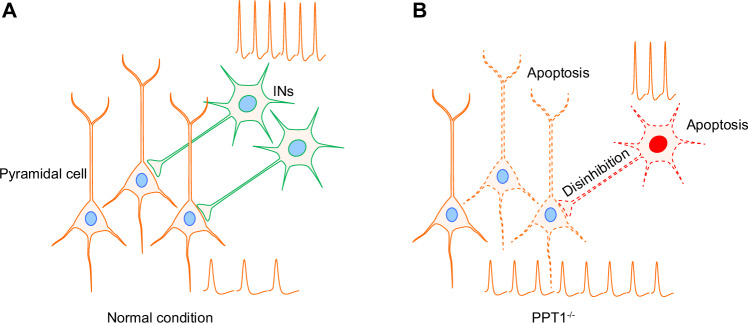 Figure 7
Peer Reviews
No public reviews on file for this paper yet. If you reviewed it on a platform where reviews are public (OpenReview, ICLR, NeurIPS, ICML), you can paste yours below so the community can read it here.
Videos
No videos yet. Explain this paper in a talk, walkthrough, or lecture? Add one.
Taxonomy
TopicsLysosomal Storage Disorders Research · Cellular transport and secretion · Neuroscience and Neuropharmacology Research