Coumarin‐Augmented Thiazole Hybrids as Dual Anticancer and Antibacterial Agents
Islam K. Matar, Magdi E. A. Zaki, Zeinab A. Muhammad, Dahlia A. Awwad, Sami A. Al‐Hussain, Chérif F. Matta, Refaie M. Kassab

TL;DR
This paper introduces a new type of compound that can fight both cancer and bacteria, showing strong activity against drug-resistant bacteria and cancer cells.
Contribution
The study introduces thiazol-hydrazono-coumarin hybrids as dual-action agents targeting topoisomerases in both bacteria and cancer cells.
Findings
Compound 13 showed potent antibacterial activity with MICs as low as 0.12 μg/mL against resistant Staphylococcus aureus.
Compound 13 exhibited strong selectivity for HeLa cancer cells over normal WI-38 fibroblasts.
Molecular simulations revealed a novel hydrogen bond between compound 13 and serine-129 in S. aureus DNA gyrase.
Abstract
Coumarins are a privileged scaffold in medicinal chemistry, renowned for diverse therapeutic activities including antiviral, anticancer, and neuroprotective effects. Building on our previous work with 3‐substituted coumarins as inhibitors of tumor‐associated carbonic anhydrases, we report a novel series of thiazol‐hydrazono‐coumarins targeting the ATP‐binding domain of topoisomerase enzymes. Seventeen compounds were synthesized and evaluated for selective cytotoxicity against HeLa cells versus WI‐38 fibroblasts and for antimicrobial activity against four ESKAPE pathogens, Escherichia coli , and Salmonella typhimurium . Several derivatives showed potent antibacterial activity, with MICs as low as 0.12 μg/mL against resistant Staphylococcus aureus strains and inhibition zones up to 33 mm against Gram‐negative bacteria. Compound 13 exhibited strong selectivity, with an IC50 of 26.8…
Genes, proteins, chemicals, diseases, species, mutations and cell lines named across the full text — each resolved to its canonical identifier and authoritative record.
Click any figure to enlarge with its caption.
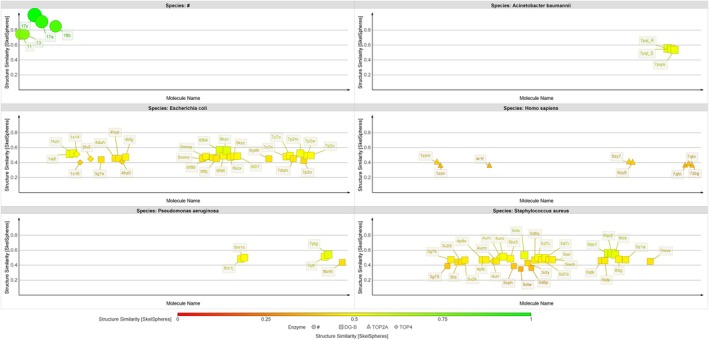 Figure 1
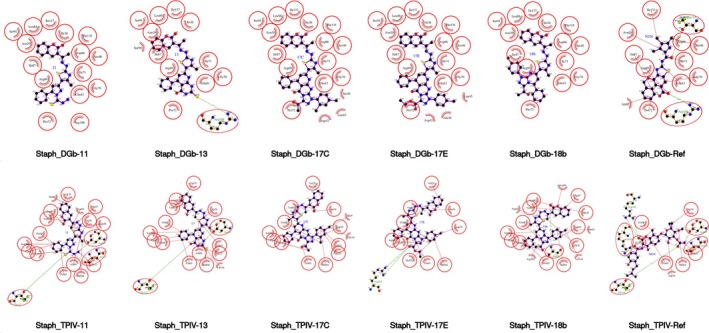 Figure 2
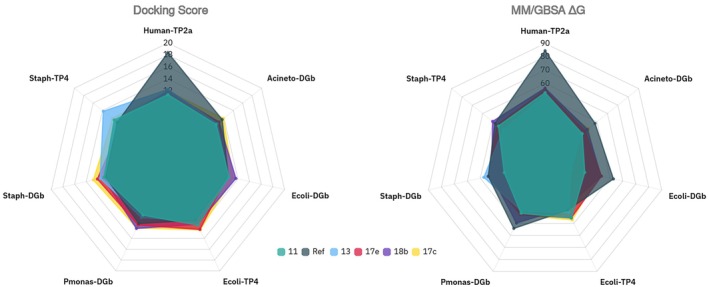 Figure 3
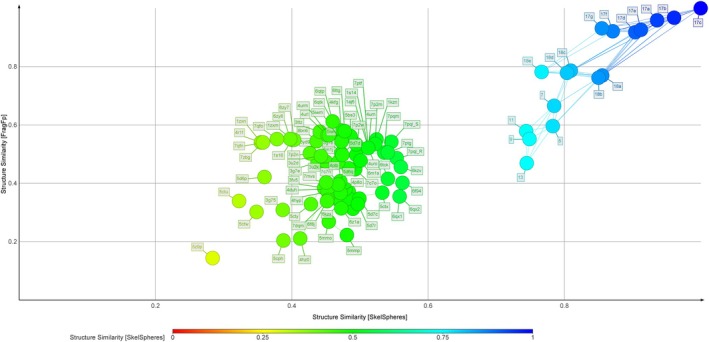 Figure 4
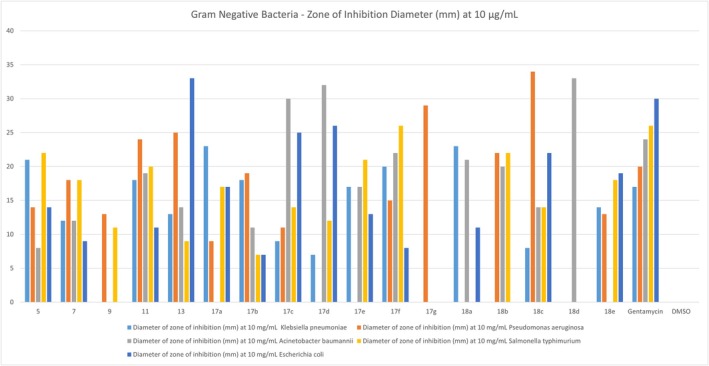 Figure 5
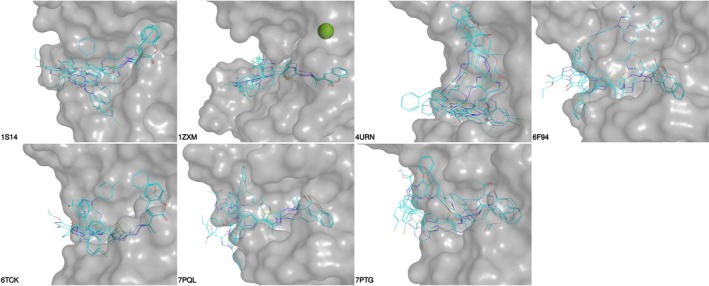 Figure 6
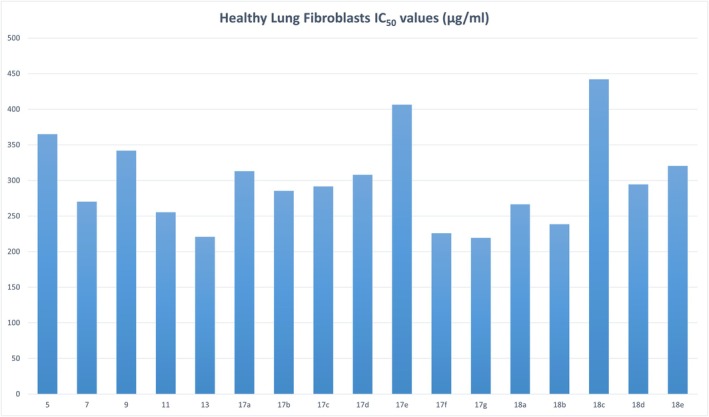 Figure 7
 Figure 8
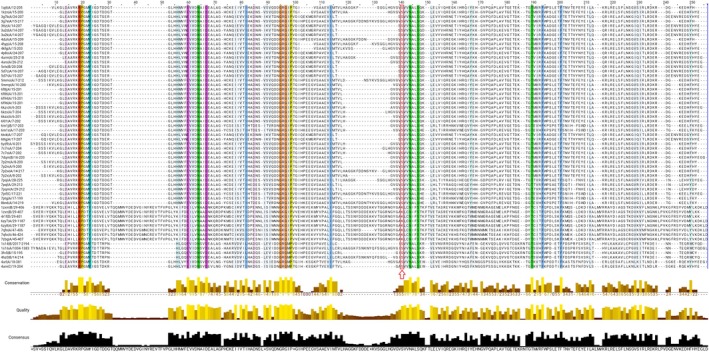 Figure 9
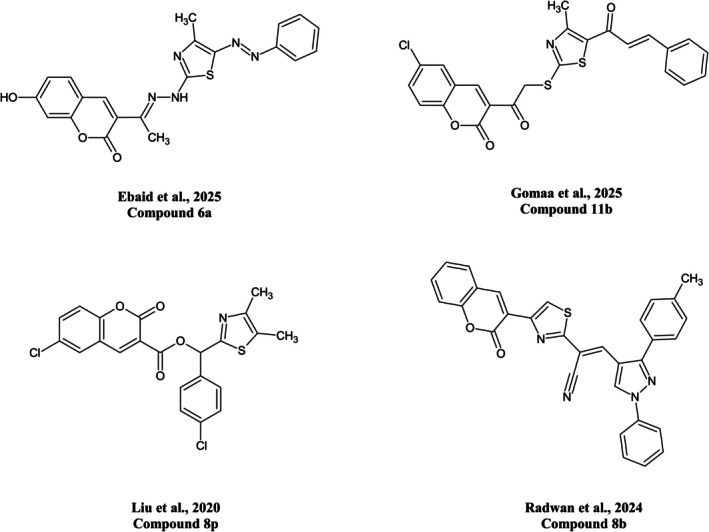 Figure 10
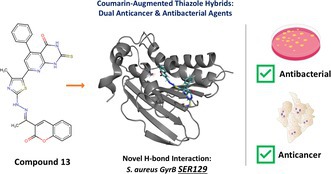 Figure 11
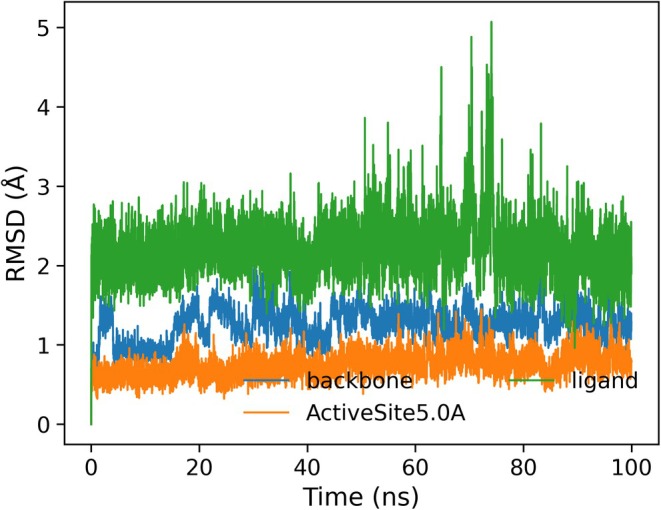 Figure 12
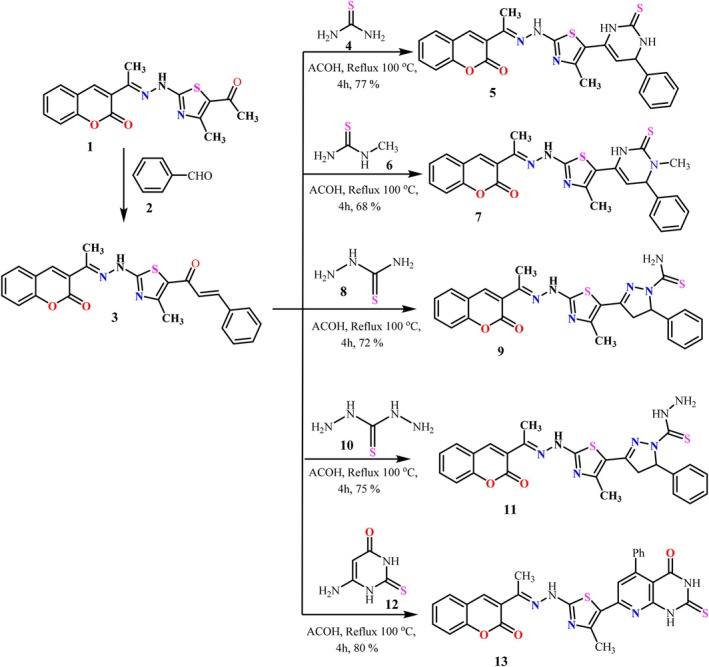 Figure 13
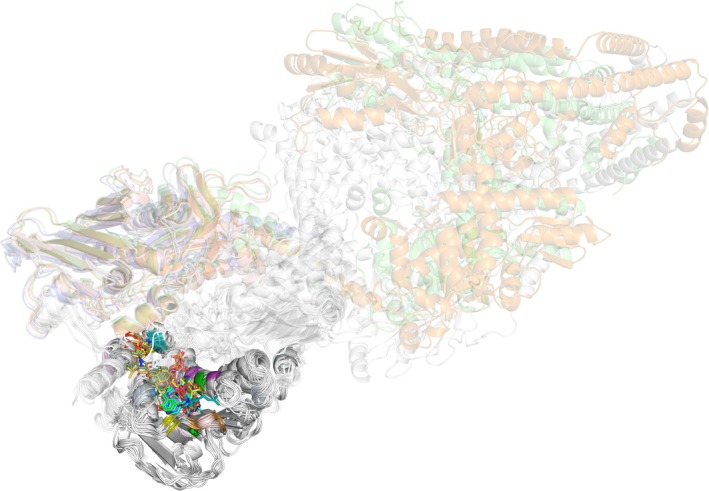 Figure 14
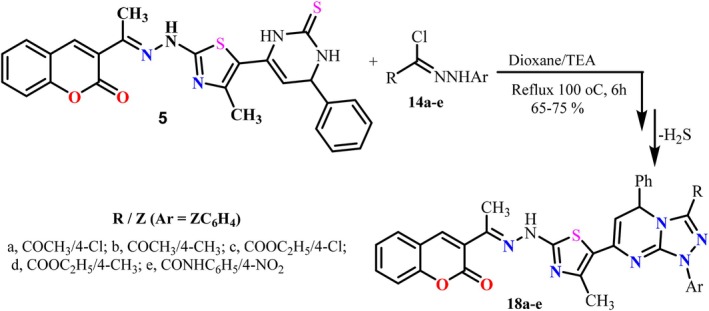 Figure 15
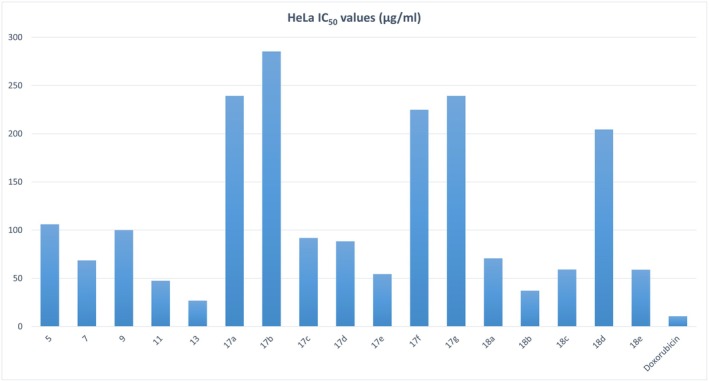 Figure 16
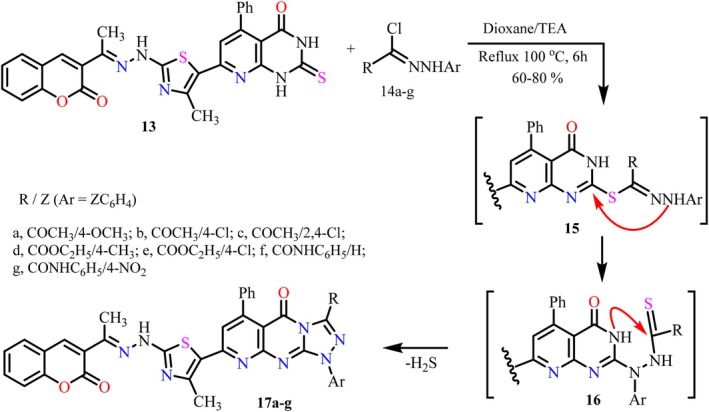 Figure 17
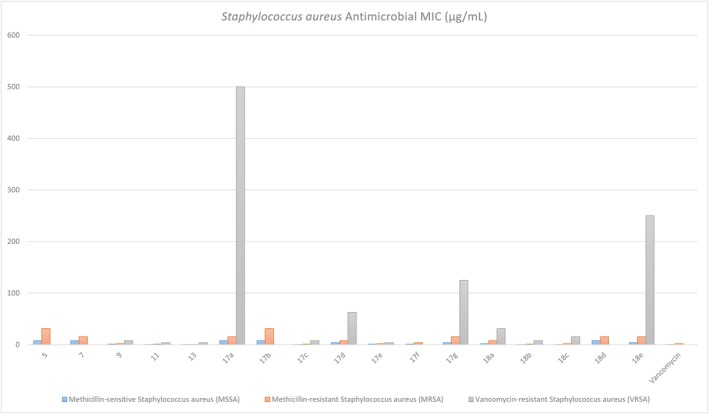 Figure 18
Peer Reviews
No public reviews on file for this paper yet. If you reviewed it on a platform where reviews are public (OpenReview, ICLR, NeurIPS, ICML), you can paste yours below so the community can read it here.
Videos
No videos yet. Explain this paper in a talk, walkthrough, or lecture? Add one.
Taxonomy
TopicsEnzyme function and inhibition · Cancer therapeutics and mechanisms · Synthesis and biological activity