Engineered fano resonances in a compact Si3N4 photonic crystal nanobeam-microring platform for multi-cladding environments
Jesus Hernan Mendoza-Castro, Artem S. Vorobev, Simone Iadanza, Bernhard Lendl, Giovanni Magno, Liam O’Faolain, Marco Grande

TL;DR
Researchers developed a compact photonic sensor platform that can maintain strong performance in different environments by using engineered Fano resonances.
Contribution
A CMOS-compatible Si3N4 photonic platform is introduced for robust, geometry-driven Fano resonances in multi-cladding environments.
Findings
The platform enables engineered Fano resonances through passive geometric control of a photonic crystal nanobeam and microring.
Devices show high performance metrics like Q_t > 5×10³ and slope responsivity >5 nm⁻¹ in compact footprints.
The design works effectively in both air and aqueous environments without requiring ultra-high Q or extreme extinction ratios.
Abstract
The steep slope of the asymmetric Fano resonance offers potential for enhancing signal readout in compact photonic sensors across gas and liquid environments. However, achieving and controlling Fano resonance shapes on ultra-compact, fabrication-constrained platforms, particularly across variable claddings, remains challenging. We demonstrate a CMOS-compatible Si3N4 photonic platform based on a photonic crystal nanobeam (PhCN) side-coupled to a racetrack microring resonator (MRR), enabling engineered Fano resonances through passive geometric control. By varying the PhCN length and coupling gap, we systematically modulate the interference conditions that define resonance asymmetry and slope. Numerical and experimental results under both air and aqueous claddings show that the cladding-dependent modal transition, from leaky (air) to guided (liquid) backgrounds, enables robust,…
Genes, proteins, chemicals, diseases, species, mutations and cell lines named across the full text — each resolved to its canonical identifier and authoritative record.
Click any figure to enlarge with its caption.
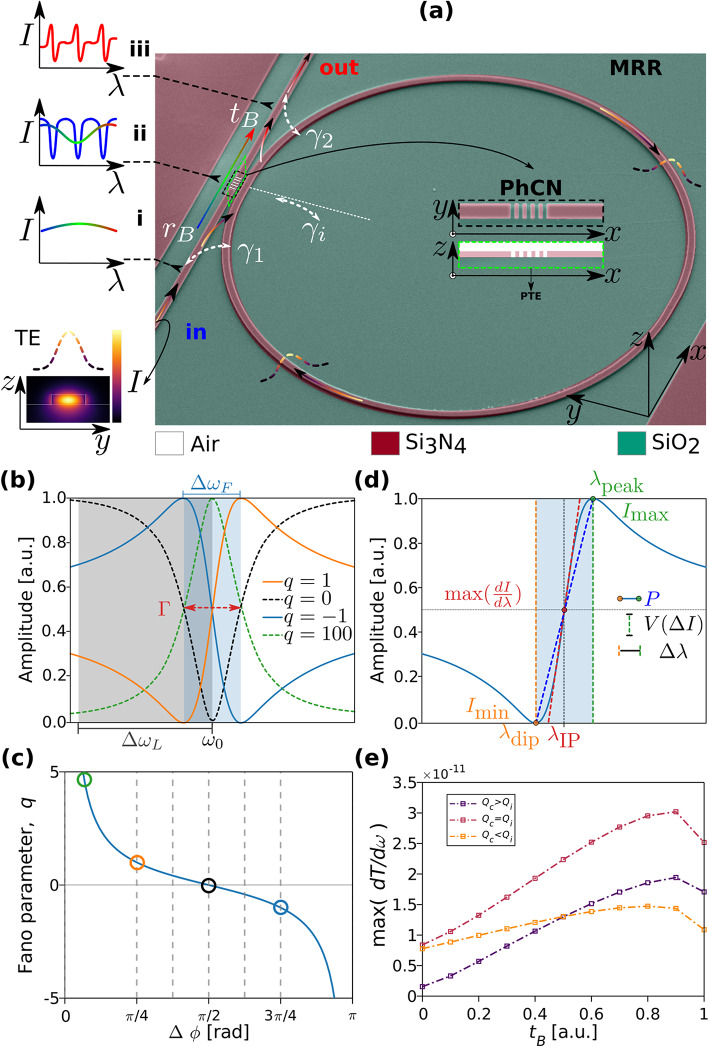 Figure 1
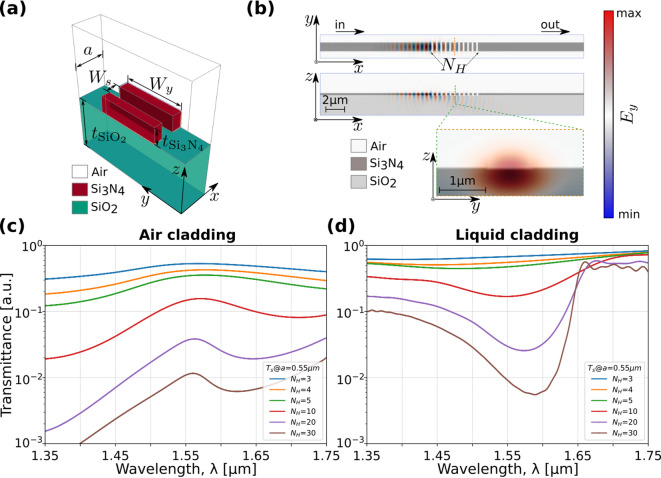 Figure 2
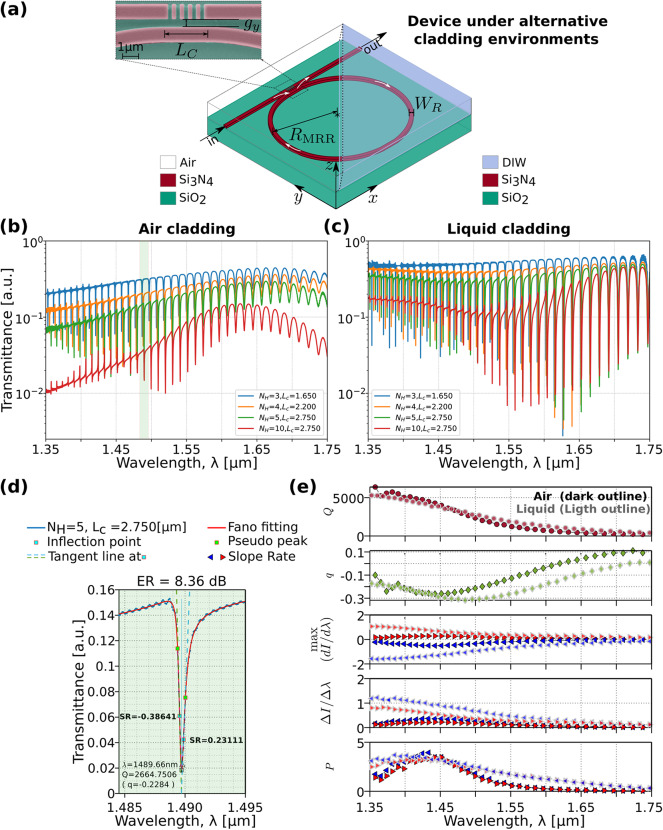 Figure 3
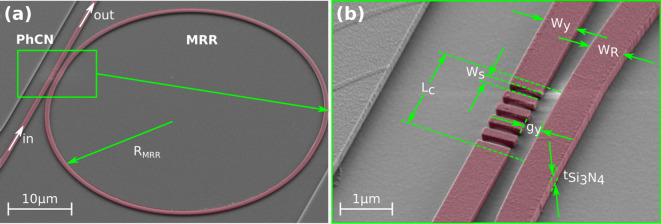 Figure 4
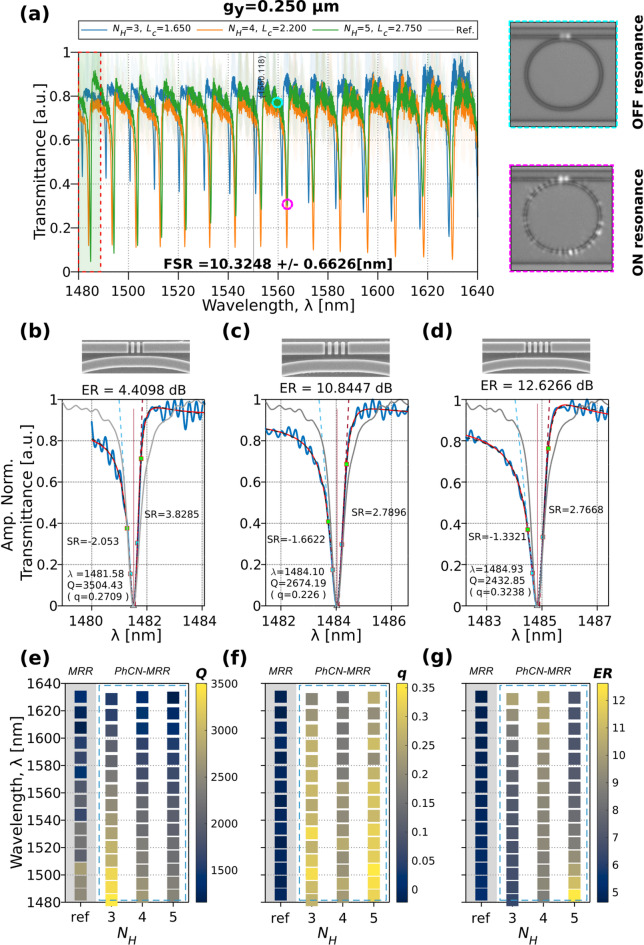 Figure 5
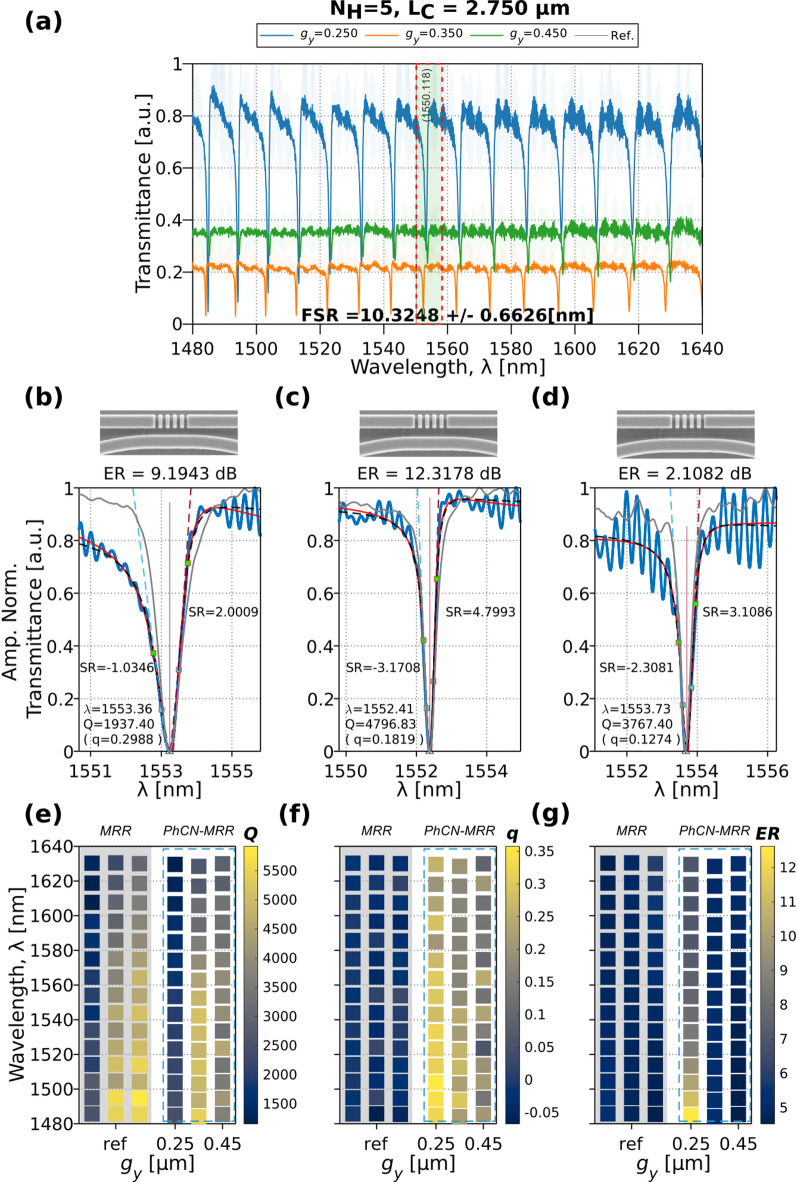 Figure 6
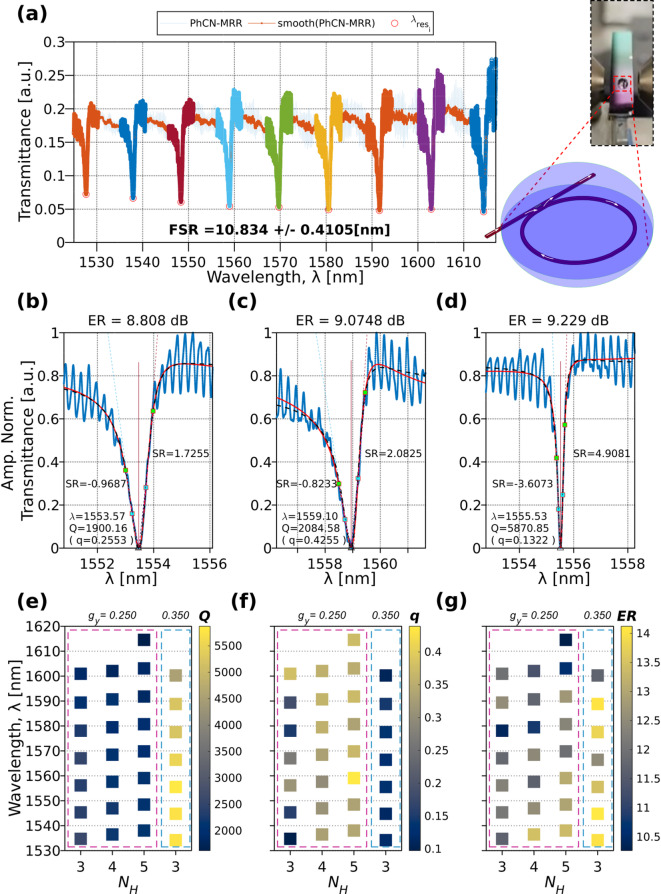 Figure 7
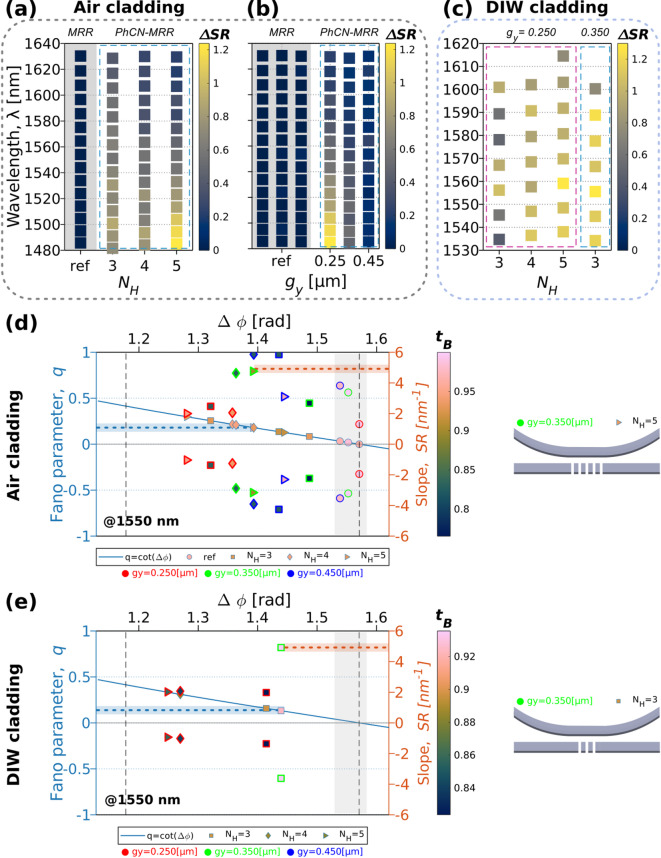 Figure 8
Peer Reviews
No public reviews on file for this paper yet. If you reviewed it on a platform where reviews are public (OpenReview, ICLR, NeurIPS, ICML), you can paste yours below so the community can read it here.
Videos
No videos yet. Explain this paper in a talk, walkthrough, or lecture? Add one.
Taxonomy
TopicsPhotonic Crystals and Applications · Photonic and Optical Devices · Plasmonic and Surface Plasmon Research