Loss-of-function mutations in the melanocortin-2-receptor (mc2r) lead to skin hyperpigmentation in teleost fish
Elisa Barreiro-Docío, Laura Guerrero-Peña, Priyanka Soni, Luis Méndez-Martínez, Carolina Costas-Prado, Maria Victoria Alvarado, José Antonio Vázquez, Lluís Tort, José Miguel Cerdá-Reverter, Josep Rotllant

TL;DR
This study shows that a specific receptor in fish, when mutated, causes increased skin pigmentation and affects hormone production.
Contribution
The study reveals a novel role of the melanocortin-2-receptor in pigment cell development and metabolic regulation in zebrafish.
Findings
Loss-of-function mutations in mc2r lead to hyperpigmentation in zebrafish.
mc2r knockout zebrafish show impaired interrenal steroidogenesis and increased melanophores and xanthophores.
Transcriptomic analysis shows upregulation of genes related to melanin synthesis and lipid metabolism.
Abstract
Melanocortins regulate pigmentation via melanocortin receptors (MCRs), which are highly conserved across vertebrates. Unlike other MCRs, the melanocortin 2 receptor (MC2R) is exclusively activated by ACTH; however, its role in pigmentation remains unclear. Using CRISPR/Cas9-generated mc2r knockout zebrafish, we demonstrated that the loss of mc2r in zebrafish results in impaired interrenal steroidogenesis and pronounced hyperpigmentation characterized by an increased number of melanophores and xanthophores while preserving normal patterning. Transcriptomic analyses revealed the upregulation of genes involved in melanosome formation, melanin synthesis, lipid metabolism, and carotenoid accumulation. These findings demonstrate that, in addition to controlling steroidogenesis, mc2r plays a key role in pigment cell development and metabolic regulation. The online version contains…
Genes, proteins, chemicals, diseases, species, mutations and cell lines named across the full text — each resolved to its canonical identifier and authoritative record.
Click any figure to enlarge with its caption.
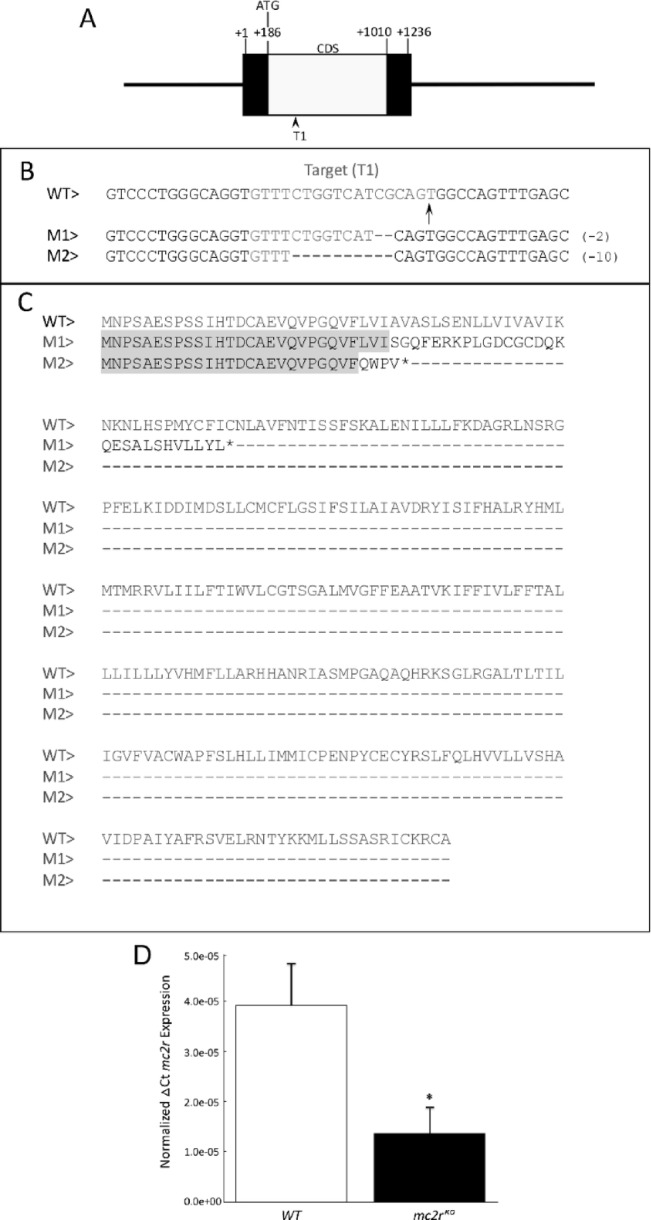 Figure 1
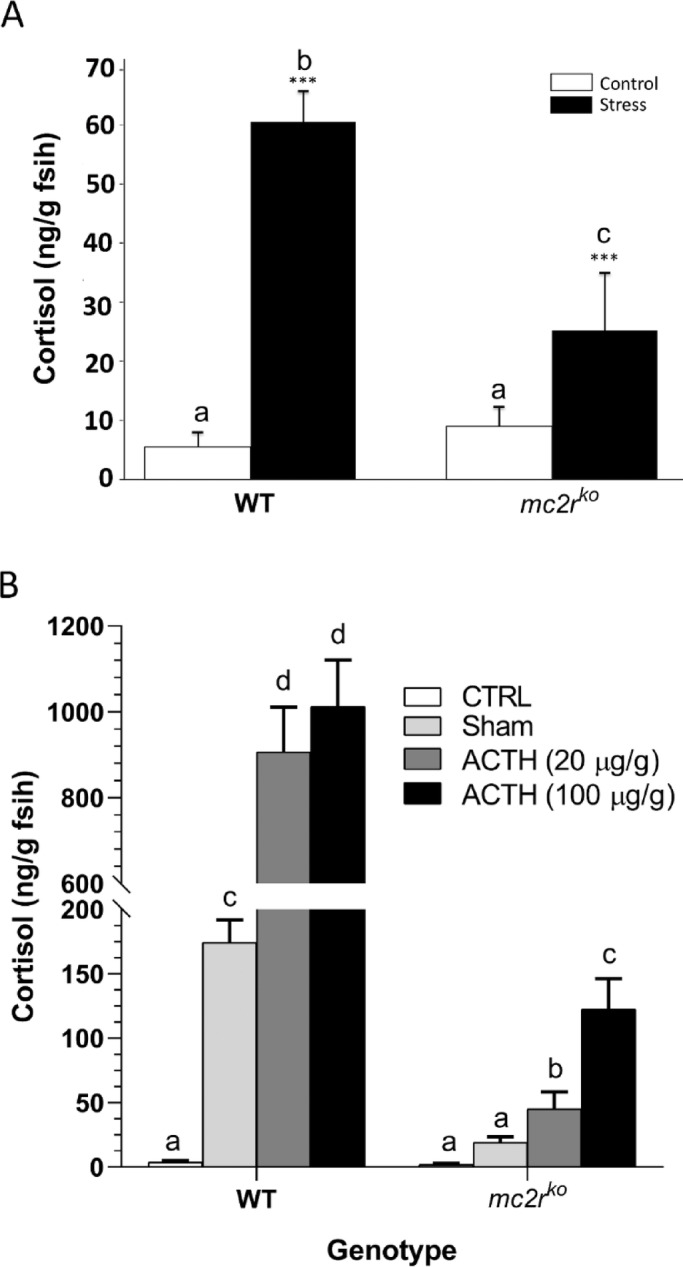 Figure 2
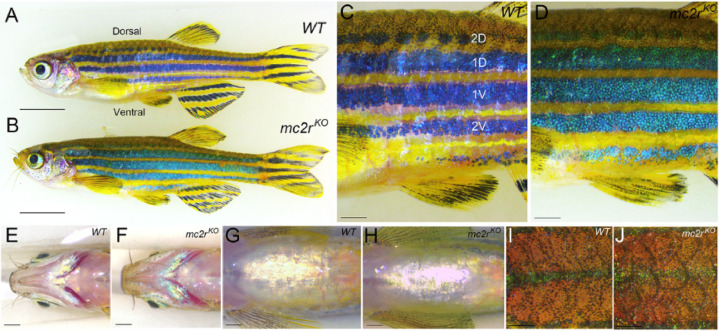 Figure 3
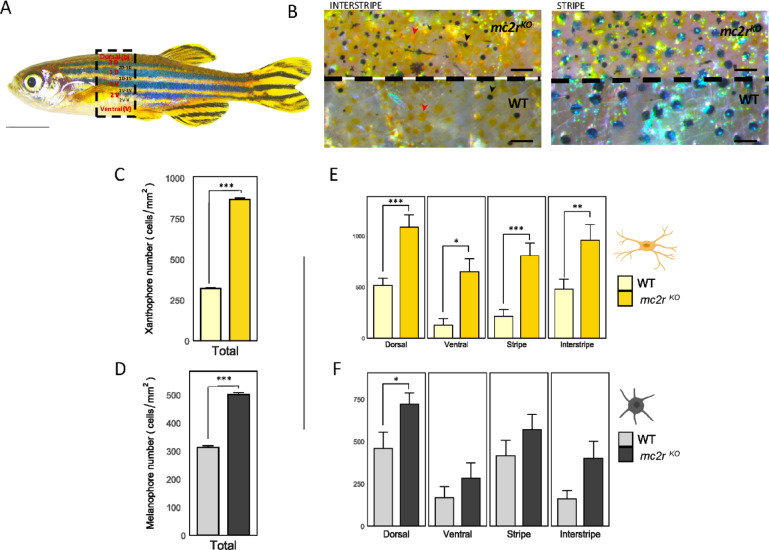 Figure 4
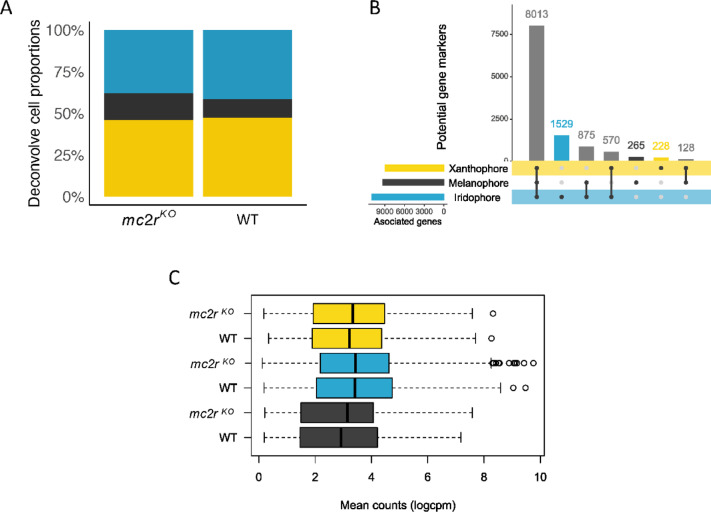 Figure 5
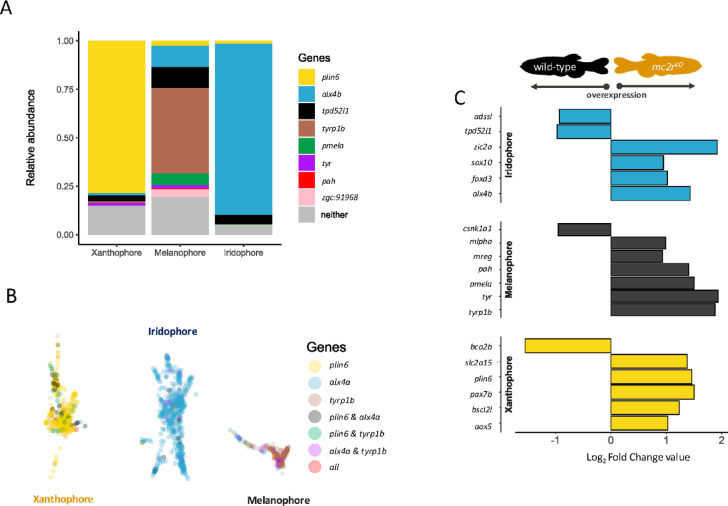 Figure 6
Peer Reviews
No public reviews on file for this paper yet. If you reviewed it on a platform where reviews are public (OpenReview, ICLR, NeurIPS, ICML), you can paste yours below so the community can read it here.
Videos
No videos yet. Explain this paper in a talk, walkthrough, or lecture? Add one.
Taxonomy
Topicsmelanin and skin pigmentation · Regulation of Appetite and Obesity · Retinoids in leukemia and cellular processes