Adipose tissue–derived MFG-E8 promotes hepatic inflammation and fibrosis through macrophage activation in a mouse MASH model
Masashi Kuroda, Kazuhiro Nomura, Azumi Wada, Yui Hatano, Miki Ogawa, Saya Okamoto, Etsuko Ishikawa, Yuna Izumi-Mishima, Sonoko Yasui-Yamada, Yasuo M. Tsutsumi, Nagakatsu Harada, Rie Tsutsumi, Hiroshi Sakaue

TL;DR
This study shows that a protein from fat tissue, MFG-E8, worsens liver inflammation and scarring in a mouse model of MASH by activating immune cells.
Contribution
The study identifies MFG-E8 as a novel adipose-derived factor that promotes MASH progression through macrophage activation.
Findings
MFG-E8 deficiency in MASH mice reduces inflammation and fibrosis-related gene expression.
MFG-E8 supplementation intensifies hepatic inflammation and promotes crownlike structures in knockout mice.
MFG-E8 enhances macrophage response to apoptotic hepatocytes, increasing inflammatory cytokine production.
Abstract
Metabolic dysfunction–associated steatohepatitis (MASH) is characterized by hepatocellular injury, macrophage activation, and severe fibrosis, and often progresses to liver cirrhosis and hepatocellular carcinoma. Excessive accumulation of visceral fat exacerbates hepatic inflammation and fibrosis independently of fatty liver, but the underlying molecular mechanisms have remained unclear. We here identify MFG-E8 (milk fat globule–EGF8) as a secreted protein that is overexpressed in adipose tissue of obese mice and contributes to such exacerbation. MFG-E8 deficiency in MASH model (STAM-MASH) mice was associated with reduced hepatic expression of inflammation- and fibrosis-related genes without attenuation of steatosis. Conversely, MFG-E8 supplementation in MFG-E8 knockout mice intensified hepatic inflammation and promoted the formation of hepatic crownlike structures. Coculture of…
Genes, proteins, chemicals, diseases, species, mutations and cell lines named across the full text — each resolved to its canonical identifier and authoritative record.
Click any figure to enlarge with its caption.
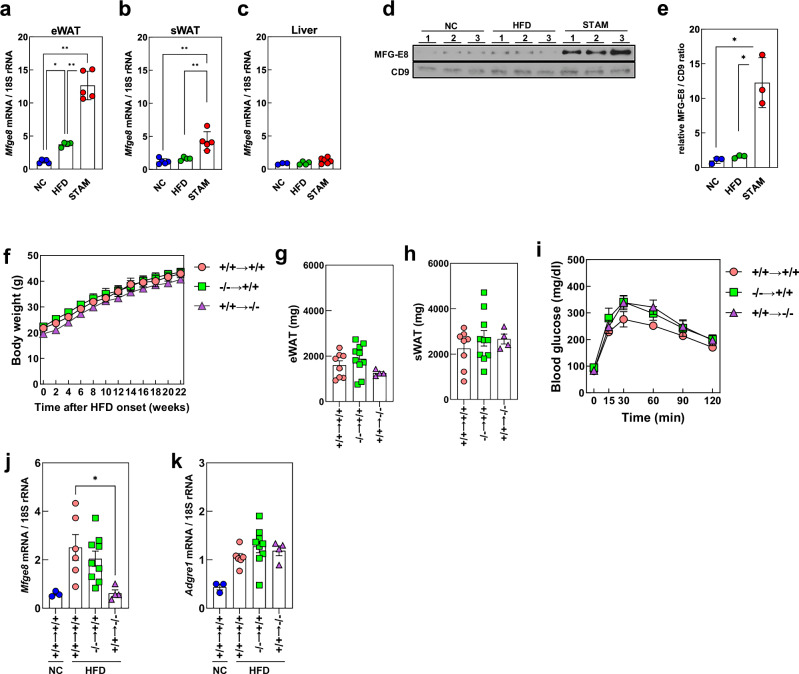 Figure 1
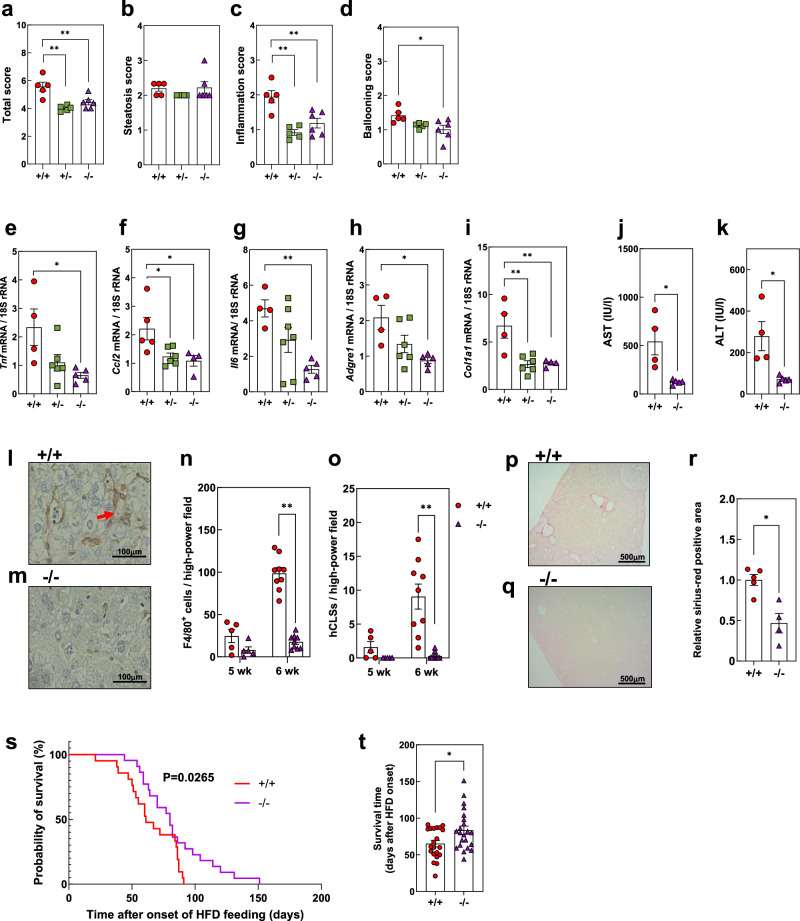 Figure 2
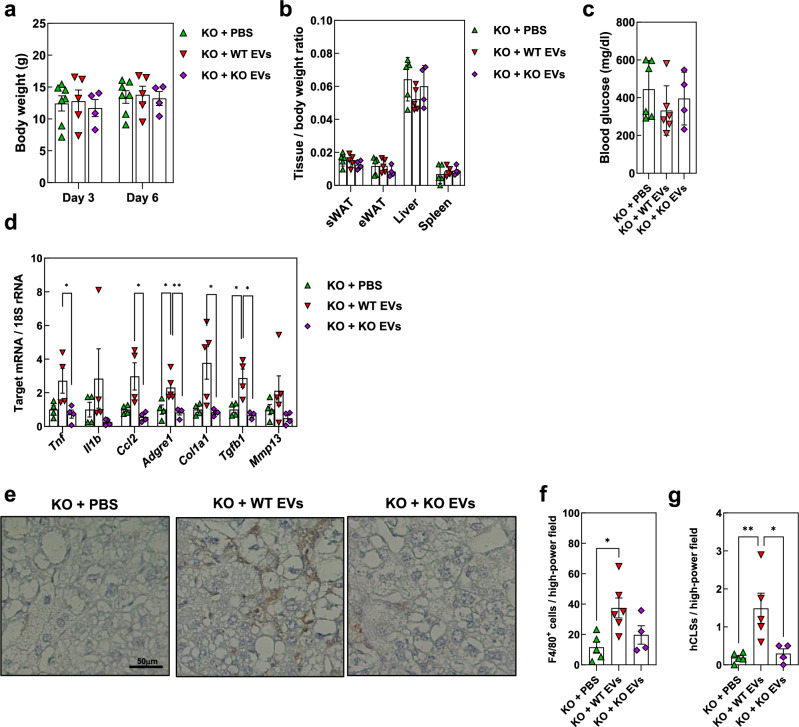 Figure 3
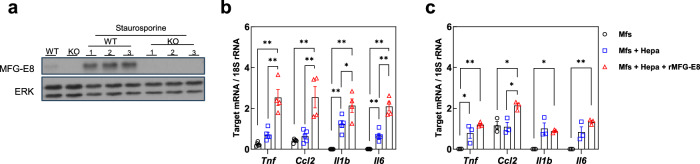 Figure 4
Peer Reviews
No public reviews on file for this paper yet. If you reviewed it on a platform where reviews are public (OpenReview, ICLR, NeurIPS, ICML), you can paste yours below so the community can read it here.
Videos
No videos yet. Explain this paper in a talk, walkthrough, or lecture? Add one.
Taxonomy
TopicsPhagocytosis and Immune Regulation · Adipokines, Inflammation, and Metabolic Diseases · Liver physiology and pathology