Aloe emodin disrupts Candida albicans mitochondrial iron homeostasis against its hyphal development and oral candidiasis
Jiawei Shen, Chuanli Zhang, Yifan Lin, Chunfei Zhang, Jingzhi Zhou, Yujie Zhou, Lichen Gou, Ga Liao, Zhuoli Zhu, Lei Cheng, Binyou Liao, Biao Ren

TL;DR
Aloe emodin inhibits Candida albicans hyphal growth by disrupting mitochondrial iron balance and metabolism, showing promise as a treatment for oral candidiasis.
Contribution
Aloe emodin is shown to disrupt C. albicans mitochondrial iron homeostasis and inhibit hyphal development through a novel mechanism.
Findings
Aloe emodin inhibits C. albicans hyphal development at non-cytotoxic concentrations.
Aloe emodin disrupts mitochondrial iron homeostasis and reduces ATP and cAMP production.
Aloe emodin reduces fungal burden in an oropharyngeal candidiasis model similarly to nystatin.
Abstract
Candida albicans, a critical pathogen listed on the WHO fungal priority pathogens list, is a major cause of candidiasis and candidemia, particularly in immunocompromised populations. The lack of novel antifungal drugs and the increasing prevalence of drug resistance underscore the urgent need for new therapeutic strategies. By screening compounds derived from Aloe vera using hyphal induction assays, we identified aloe emodin (AE) as a potent inhibitor of C. albicans hyphal development. We demonstrate for the first time that AE, at concentrations of 50–100 μg/mL that do not affect fungal growth, significantly inhibits C. albicans hyphal development and its infections to oral epithelial cells without cytotoxicity. The confocal observation and following transcriptome and metabolome analysis demonstrate that AE localizes to fungal mitochondria and chelates iron, thereby disrupting iron…
Genes, proteins, chemicals, diseases, species, mutations and cell lines named across the full text — each resolved to its canonical identifier and authoritative record.
Click any figure to enlarge with its caption.
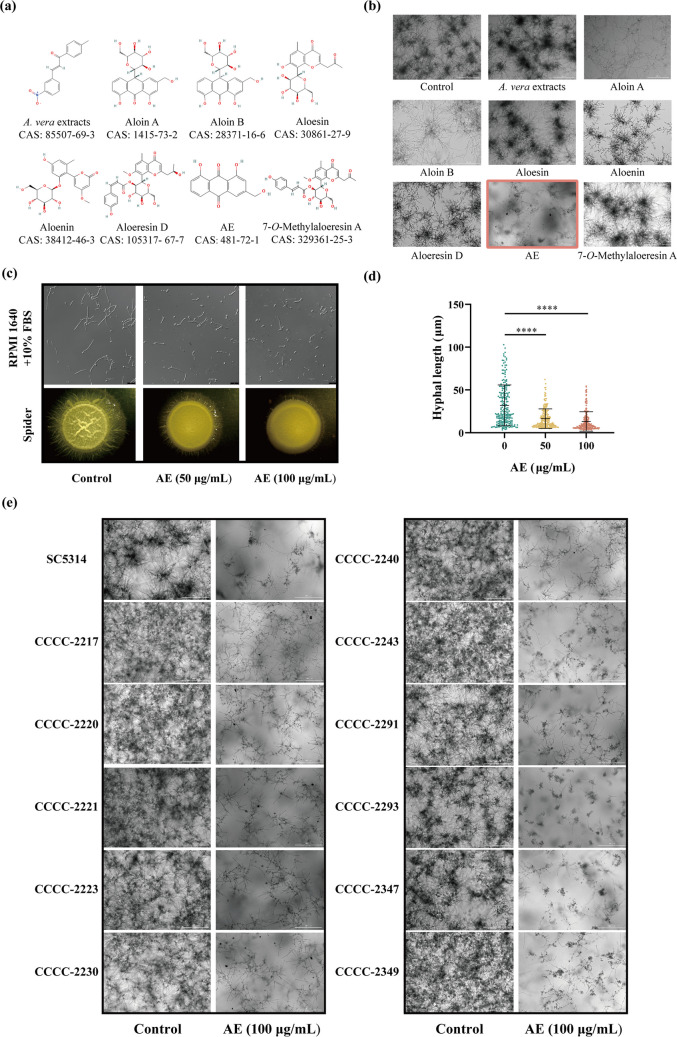 Figure 1
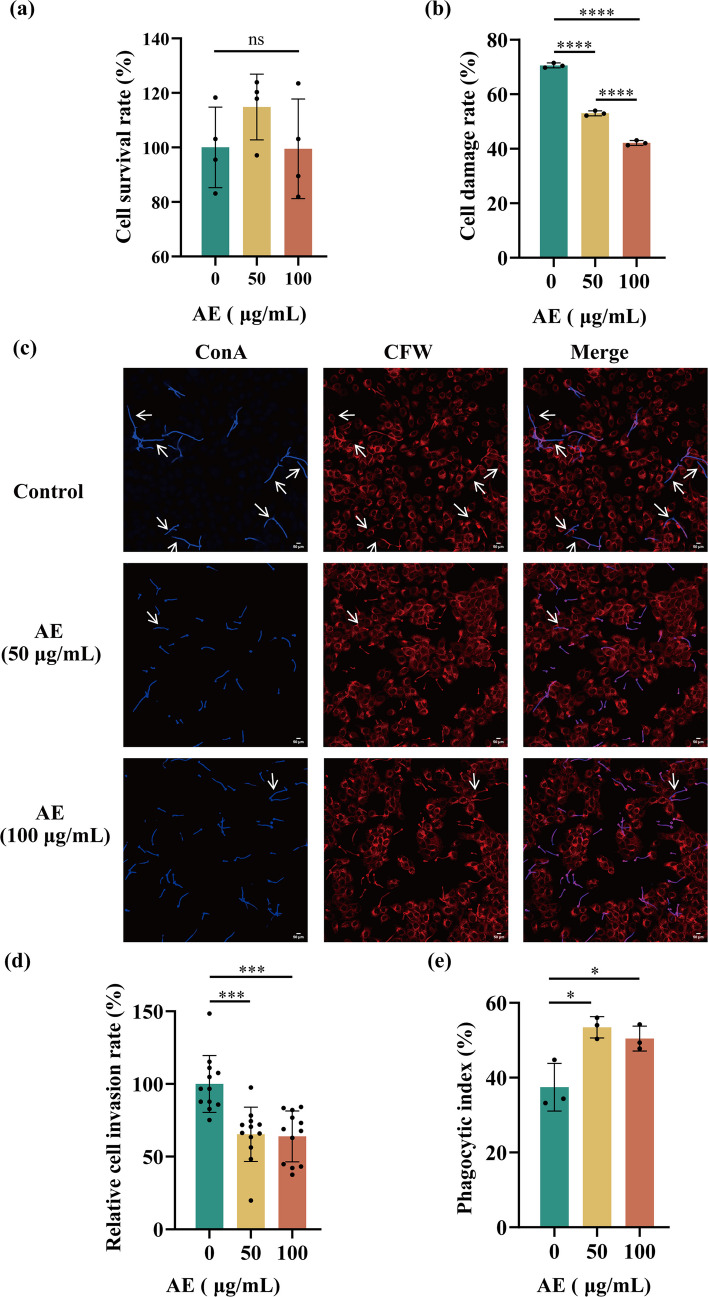 Figure 2
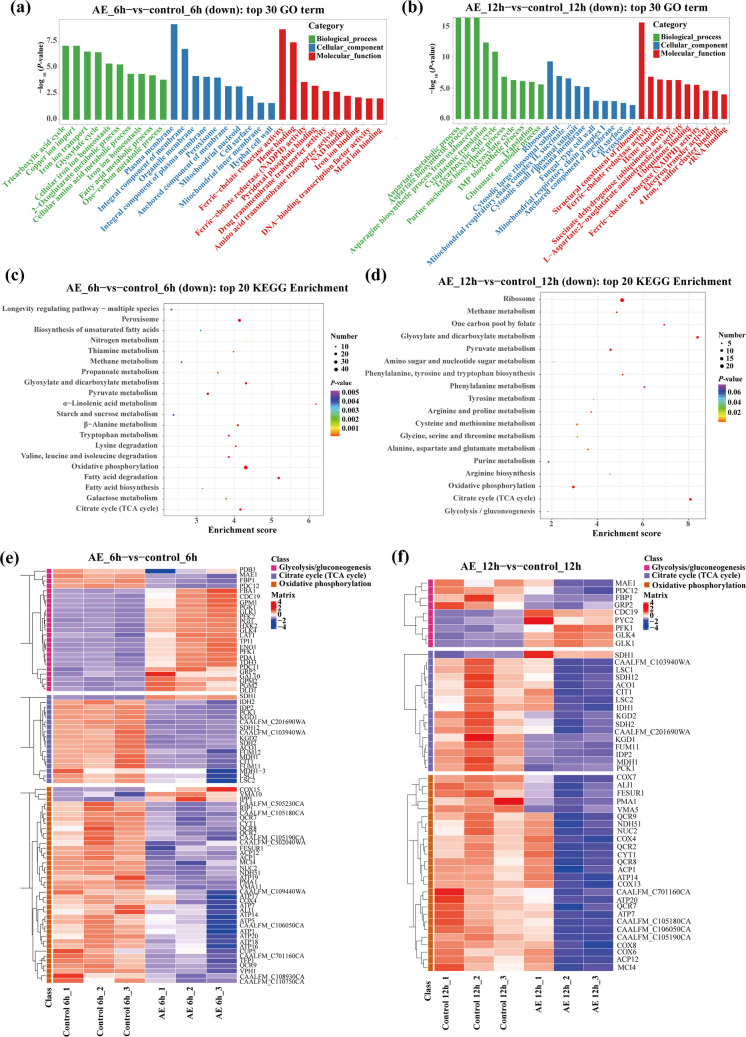 Figure 3
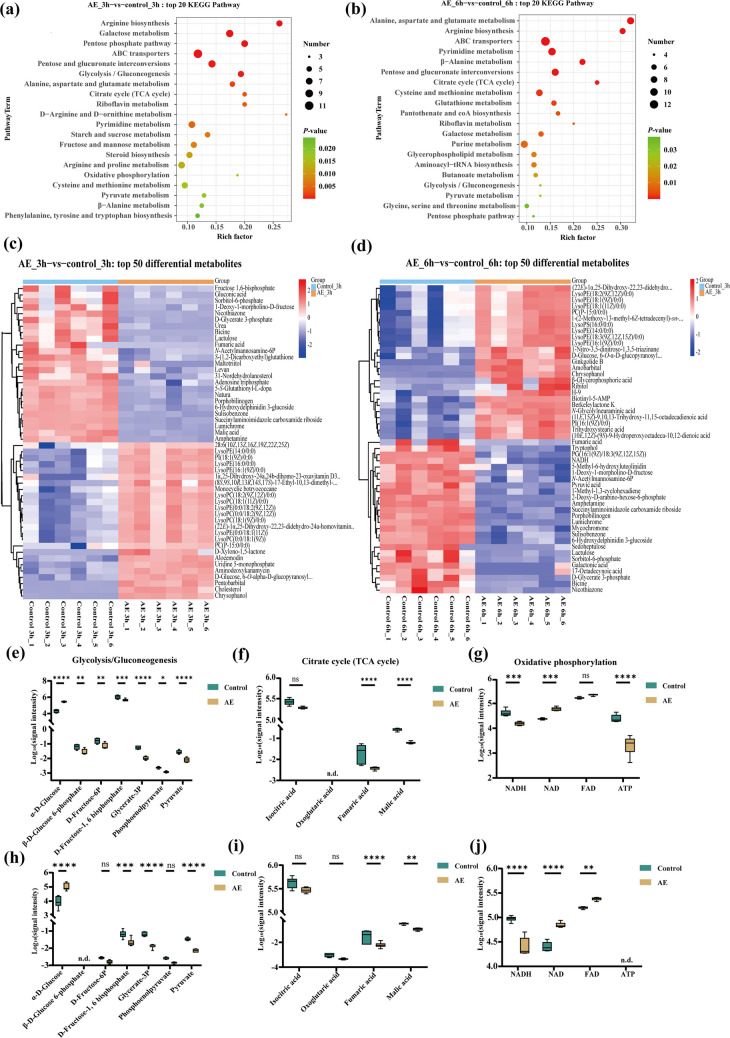 Figure 4
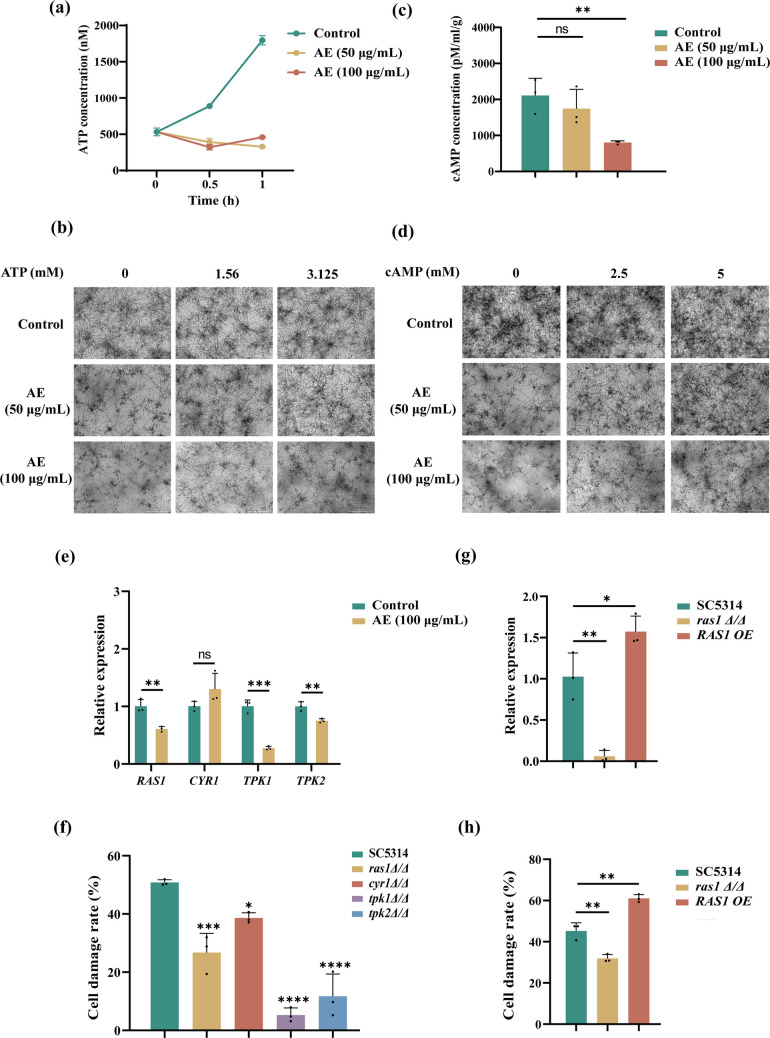 Figure 5
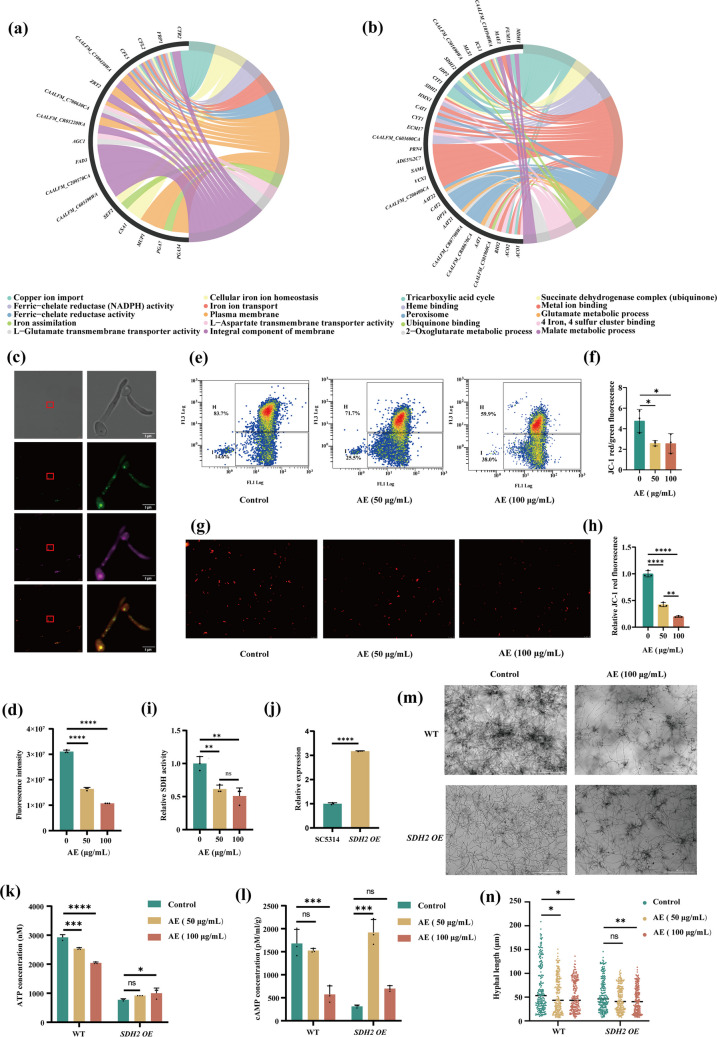 Figure 6
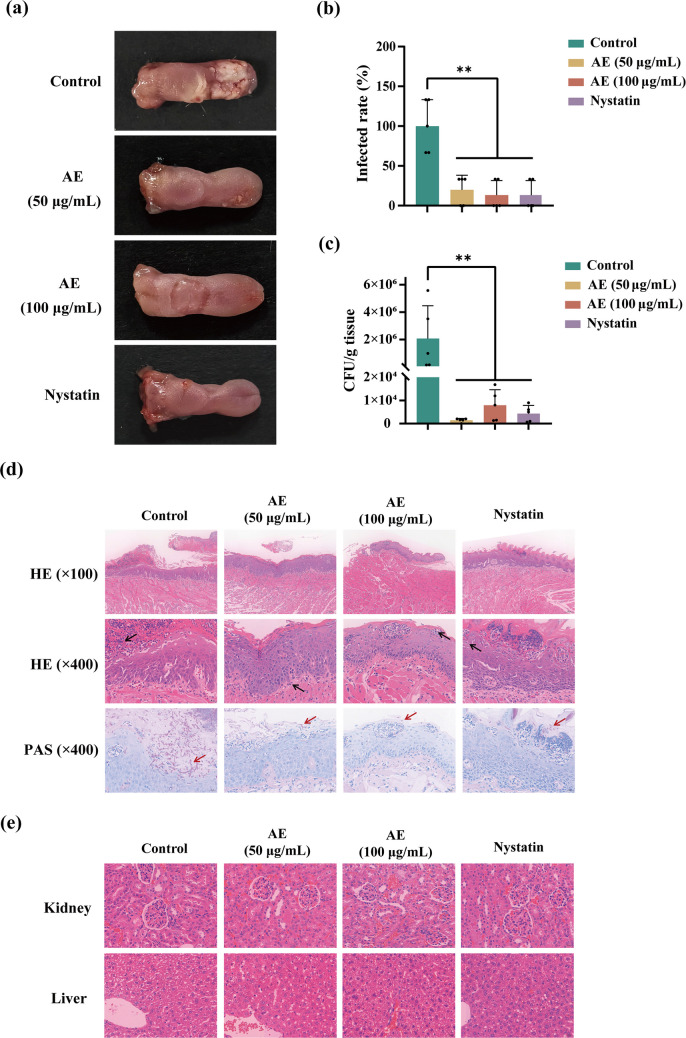 Figure 7
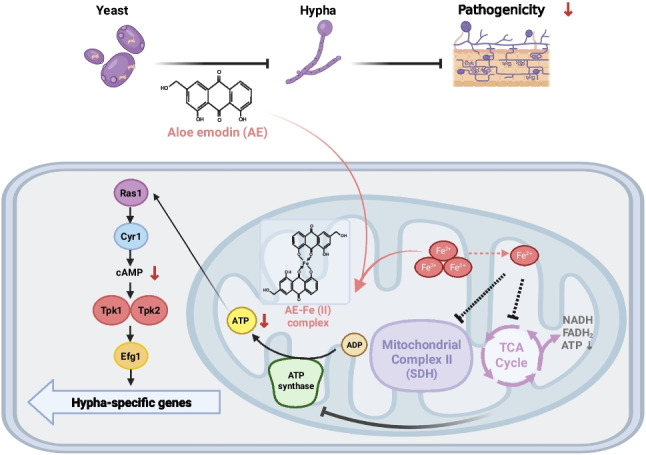 Figure 8
Peer Reviews
No public reviews on file for this paper yet. If you reviewed it on a platform where reviews are public (OpenReview, ICLR, NeurIPS, ICML), you can paste yours below so the community can read it here.
Videos
No videos yet. Explain this paper in a talk, walkthrough, or lecture? Add one.
Taxonomy
TopicsPhytochemistry and biological activity of medicinal plants · Antifungal resistance and susceptibility · Photodynamic Therapy Research Studies