Ozone Treatment Attenuates Neuroinflammation and Alters miRNA Expression in a Rat Model of Post-Traumatic Epilepsy
Hüseyin Demir, Cumaali Demirtas, Hava Yildirim, Ecem Demir, Sezin Kiroglu Uzun, Kubra Sevgin, Hakan Beyaztaş, Eray Metin Güler, Gulam Hekimoglu, Ender Mehmet Coskunpinar, Nafiye Sanlier, Mehmet Yildirim

TL;DR
Ozone treatment reduced inflammation and improved brain function in rats with post-traumatic epilepsy, possibly through changes in miRNA expression.
Contribution
This study demonstrates ozone's neuroprotective effects in a PTE model via anti-inflammatory and antioxidant mechanisms and miRNA modulation.
Findings
Ozone treatment reduced oxidative stress and inflammation markers in the brain and blood of PTE rats.
Ozone improved cognitive and locomotor performance and reduced hippocampal DNA damage in PTE rats.
Ozone therapy upregulated specific miRNAs, suggesting a molecular pathway for its neuroprotective effects.
Abstract
The aim of this study was to investigate the effects of intraperitoneal ozone therapy in a post-traumatic epilepsy (PTE) model. An in vivo PTE model was established in male Sprague–Dawley rats, which were randomised to control (n = 8), PTE (n = 10), and PTE + Ozone (n = 10) groups. 0.7 mg/kg ozone was administered intraperitoneally for 3 consecutive days. Seizure activity was video recorded for 120 min and evaluated for latency, frequency, duration, and severity. Behavioral assessments of locomotor activity, anxiety, and spatial memory were conducted using open field, elevated plus, and radial arm maze tests on days 4–6 after the first ozone application. Blood and brain tissues were collected for biochemical assays (SUR1, TRPM4, IL-1β, IL-6, TNF-α, TAS, TOS, OSI, thiol–disulfide homeostasis), histological analyses (H&E, Cresyl Violet, and 8-OHdG immunostaining), and qRT-PCR of…
Genes, proteins, chemicals, diseases, species, mutations and cell lines named across the full text — each resolved to its canonical identifier and authoritative record.
Click any figure to enlarge with its caption.
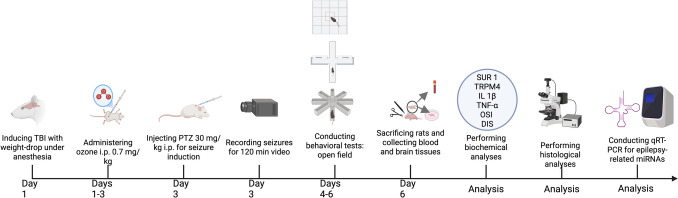 Figure 1
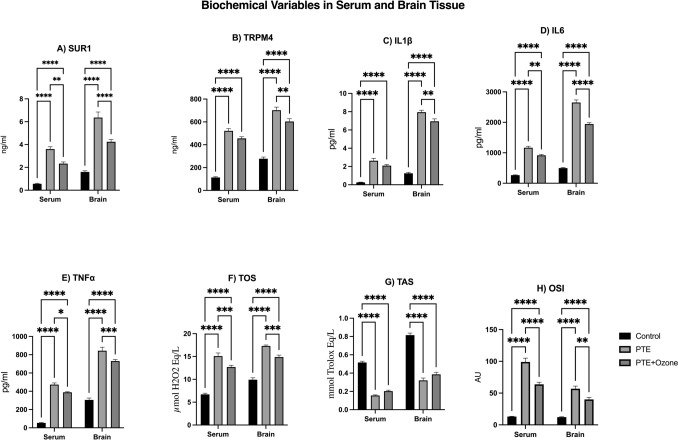 Figure 2
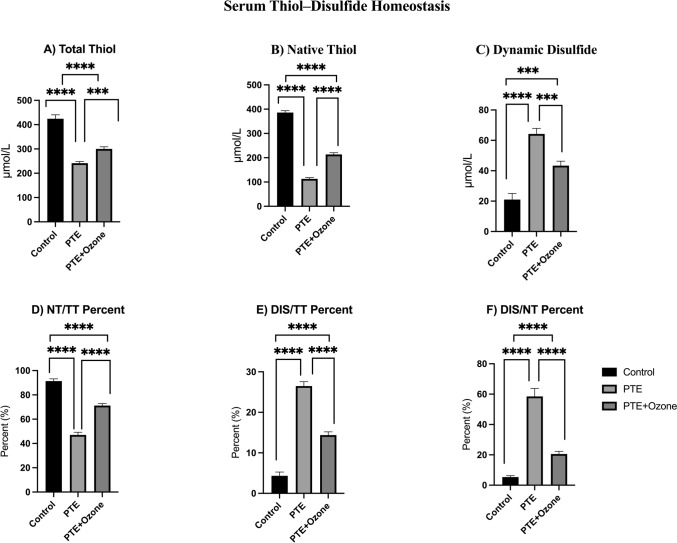 Figure 3
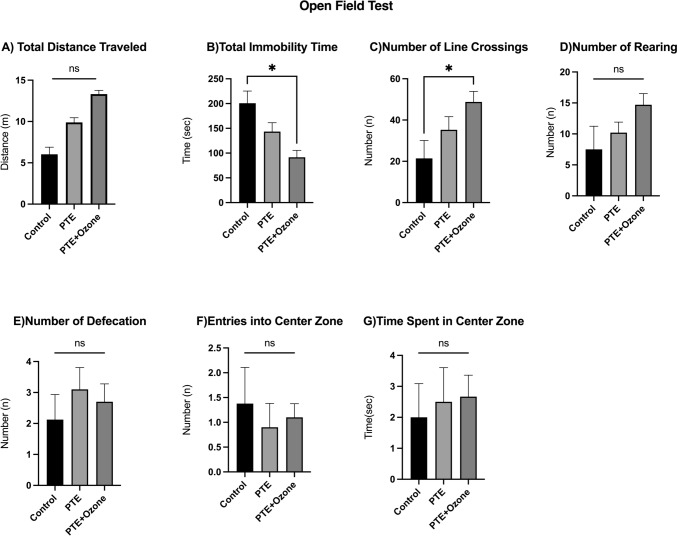 Figure 4
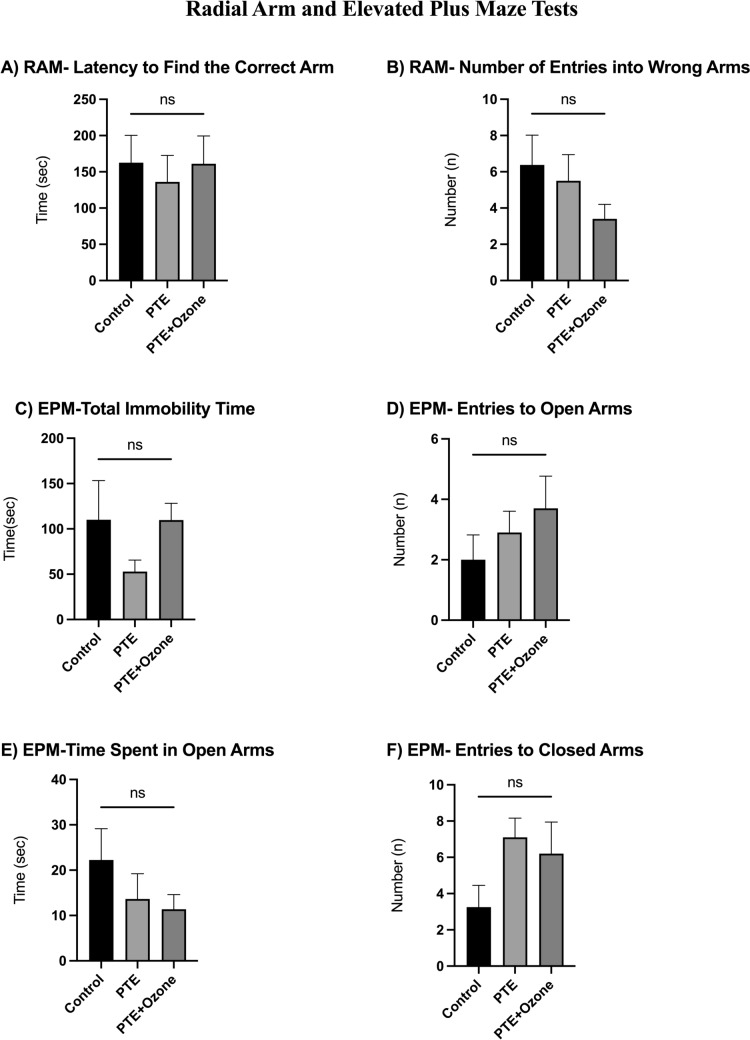 Figure 5
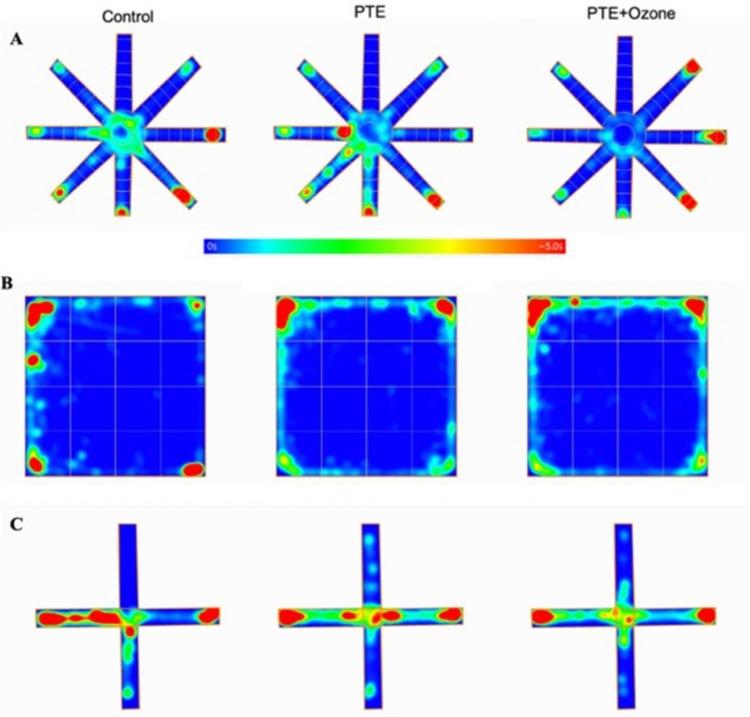 Figure 6
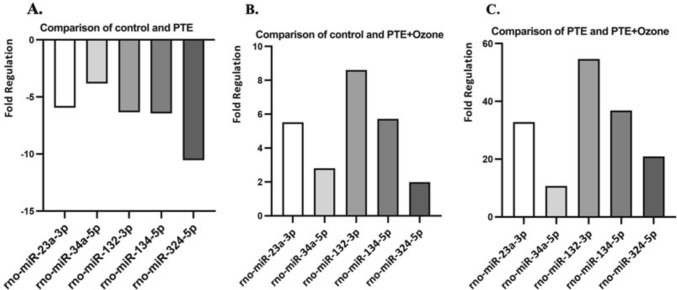 Figure 7
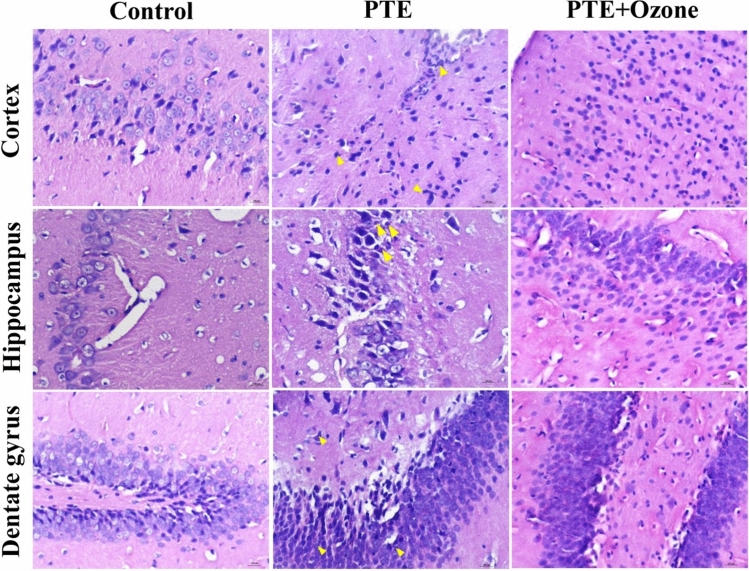 Figure 8
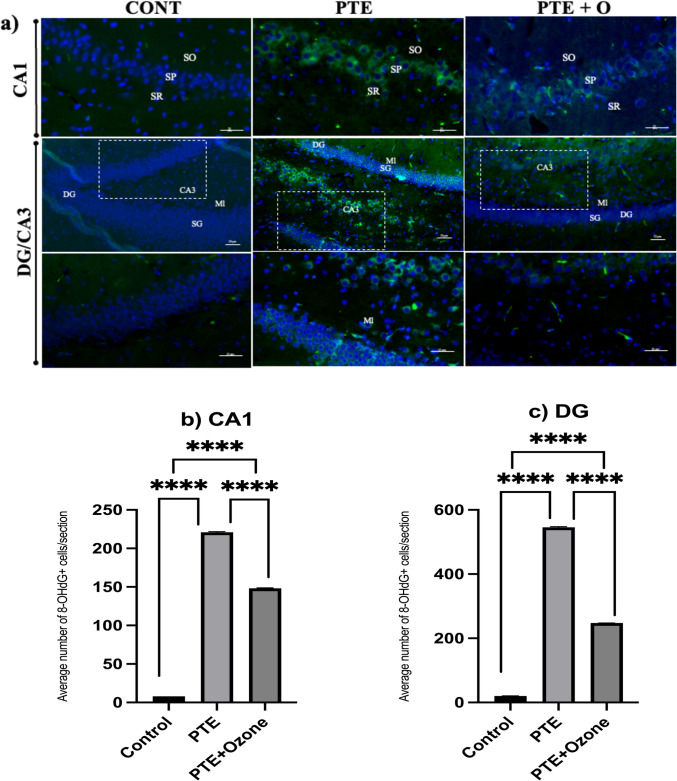 Figure 9
Peer Reviews
No public reviews on file for this paper yet. If you reviewed it on a platform where reviews are public (OpenReview, ICLR, NeurIPS, ICML), you can paste yours below so the community can read it here.
Videos
No videos yet. Explain this paper in a talk, walkthrough, or lecture? Add one.
Taxonomy
TopicsMedical and Biological Ozone Research · Tryptophan and brain disorders · Inflammasome and immune disorders