Emergence of satellite DNAs suggests centromeric repositioning as a driver of karyotypic variation of the freshwater darter characines (Apareiodon affinis)
Marina Soares Ribas, Matheus Azambuja, Viviane Nogaroto, Marcelo Ricardo Vicari

TL;DR
This study explores how satellite DNA sequences contribute to chromosomal variation in a species of freshwater fish, suggesting centromeric repositioning as a key mechanism.
Contribution
The study identifies specific satellite DNA sequences involved in centromeric repositioning and chromosomal diversification in Apareiodon affinis.
Findings
Intragenomic homogenization and intergenomic mechanisms diversify satellite DNA sequences in A. affinis.
The satellite AafSat01-200 is uniquely localized to centromeres of acrocentric chromosomes and is the most abundant in the genome.
Centromeric repositioning is linked to the expansion of acrocentric chromosomes in this species.
Abstract
Repetitive DNA sequences actively contribute to karyotype diversification by accumulating mutations, exhibiting susceptibility to DNA double-strand breaks that promote chromosomal rearrangements, and reshuffling within centromeric heterochromatin, among other processes. Parodontidae shows a conserved diploid number of 54, with predominantly metacentric and submetacentric chromosomes. Apareiodon affinis, from the Lower Paraná River, was described with three karyomorphs due to interpopulation structural variation, characterized by four to sixteen acrocentric chromosomes. However, the mechanisms driving chromosomal variation and the contribution of satellite DNA to these processes remain poorly understood. In this study, we characterized the A. affinis satellitome to assess the role of satellite sequences in the diversification of acrocentric chromosomes. A total of 48 satellite DNAs were…
Genes, proteins, chemicals, diseases, species, mutations and cell lines named across the full text — each resolved to its canonical identifier and authoritative record.
Click any figure to enlarge with its caption.
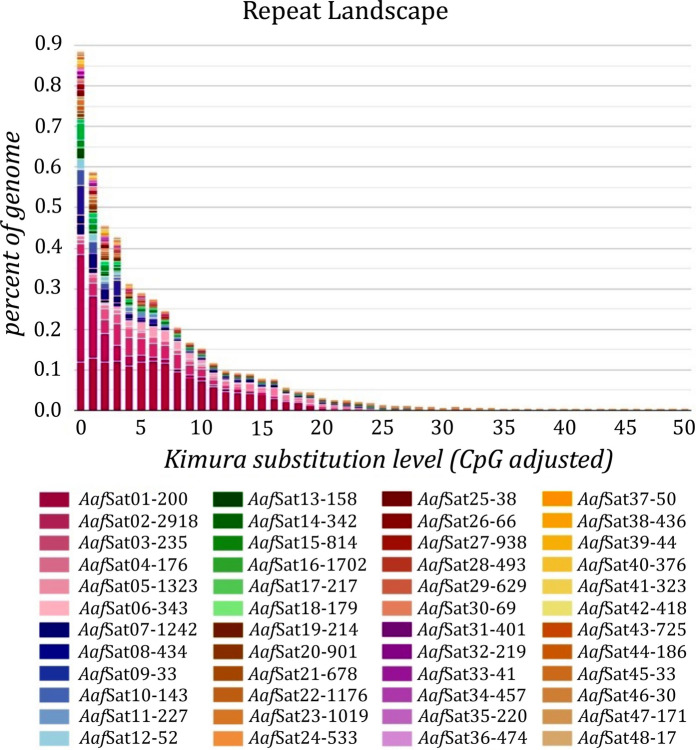 Figure 1
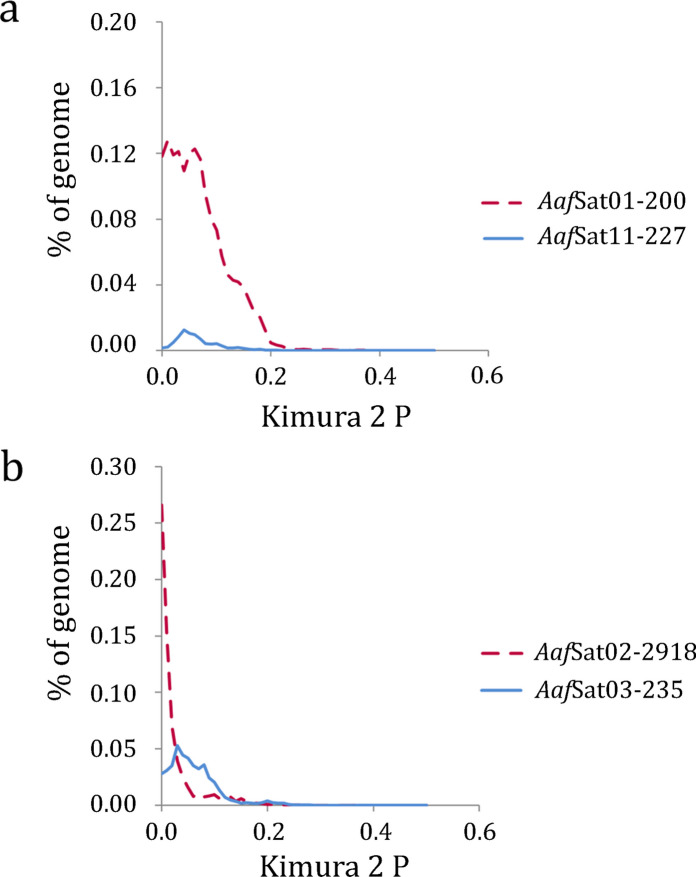 Figure 2
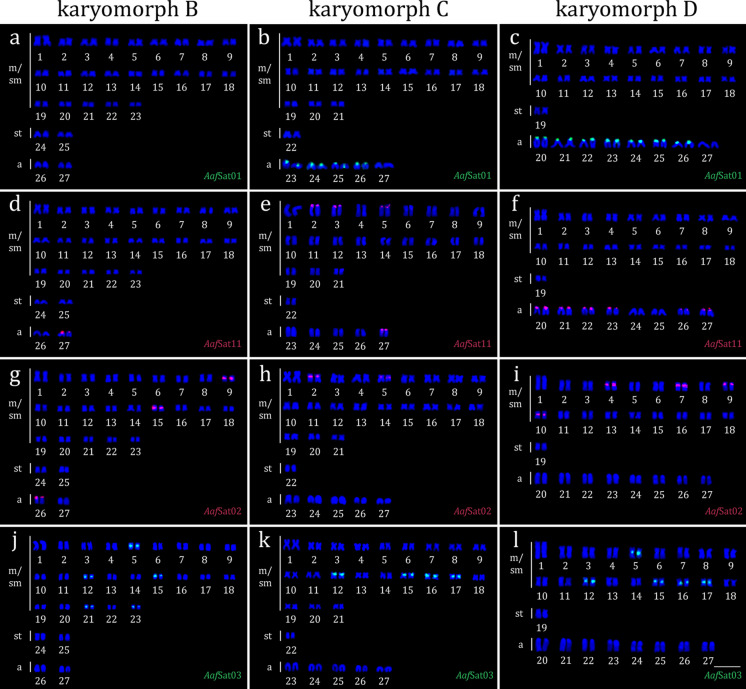 Figure 3
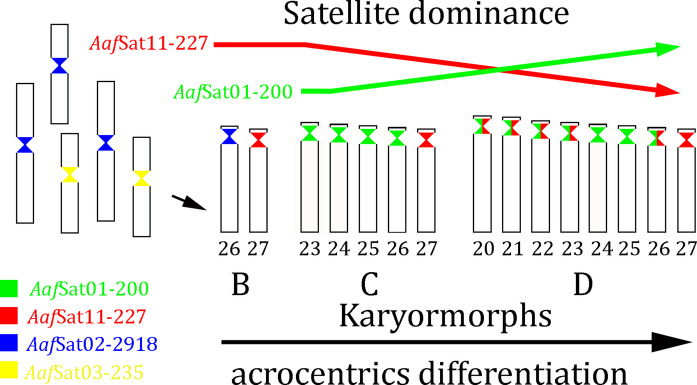 Figure 4
Peer Reviews
No public reviews on file for this paper yet. If you reviewed it on a platform where reviews are public (OpenReview, ICLR, NeurIPS, ICML), you can paste yours below so the community can read it here.
Videos
No videos yet. Explain this paper in a talk, walkthrough, or lecture? Add one.
Taxonomy
TopicsChromosomal and Genetic Variations · Genetic and Clinical Aspects of Sex Determination and Chromosomal Abnormalities · Genomics and Phylogenetic Studies