Paraneoplastic dermatomyositis with atypical features associated with a solid pseudopapillary pancreatic neoplasm
N. A. Uribe-Ruíz, D. A. Domínguez-Guzmán, J. C. Jaramillo-Álvarez, A. F. Vargas-Camacho, C. Pineda, M. Restrepo-Escobar, C. H Muñoz-Vahos, L. A González-Naranjo, A. L. Vanegas-García

TL;DR
A young woman with dermatomyositis and rare pancreatic tumor shows how the condition can be linked to unusual skin symptoms and specific antibodies.
Contribution
This case expands the known association between dermatomyositis and solid pseudopapillary pancreatic tumors.
Findings
The patient showed atypical skin features like pseudoangioedema and subcutaneous edema linked to paraneoplastic dermatomyositis.
Anti–TIF1γ antibodies and tumor resection led to improved symptoms, supporting a paraneoplastic connection.
Solid pseudopapillary pancreatic tumor is a rare but important malignancy to consider in dermatomyositis cases.
Abstract
Dermatomyositis (DM) is an autoimmune inflammatory myopathy that may occur as a paraneoplastic syndrome, most commonly associated with ovarian, lung, and gastrointestinal malignancies. Solid pseudopapillary pancreatic tumor is a rare neoplasm with low malignant potential, and to our knowledge only one case has previously been reported in association with DM. We present the case of a 21-year-old woman with six months of proximal muscle weakness, dysphagia, and cutaneous lesions characteristic of DM, including a heliotrope rash, shawl sign, and V-sign. She also exhibited atypical features, such as pseudoangioedema, an ovoid palatal patch, and generalized subcutaneous edema. Laboratory studies showed elevated muscle enzyme levels and positivity for anti–TIF1γ antibodies. Imaging revealed a solid–cystic pancreatic mass, which was histologically confirmed to be a solid pseudopapillary tumor.…
Genes, proteins, chemicals, diseases, species, mutations and cell lines named across the full text — each resolved to its canonical identifier and authoritative record.
Click any figure to enlarge with its caption.
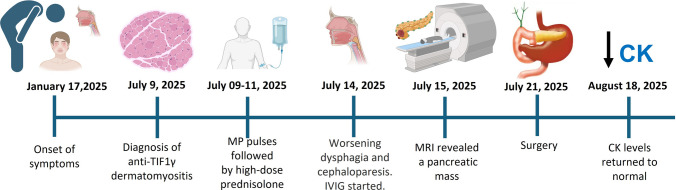 Figure 1
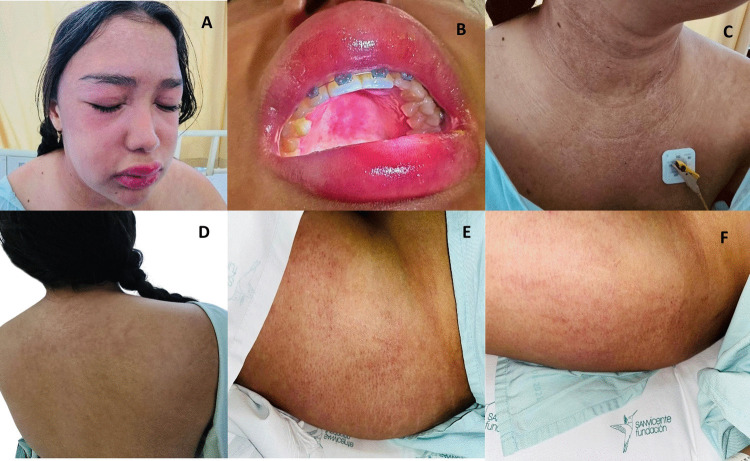 Figure 2
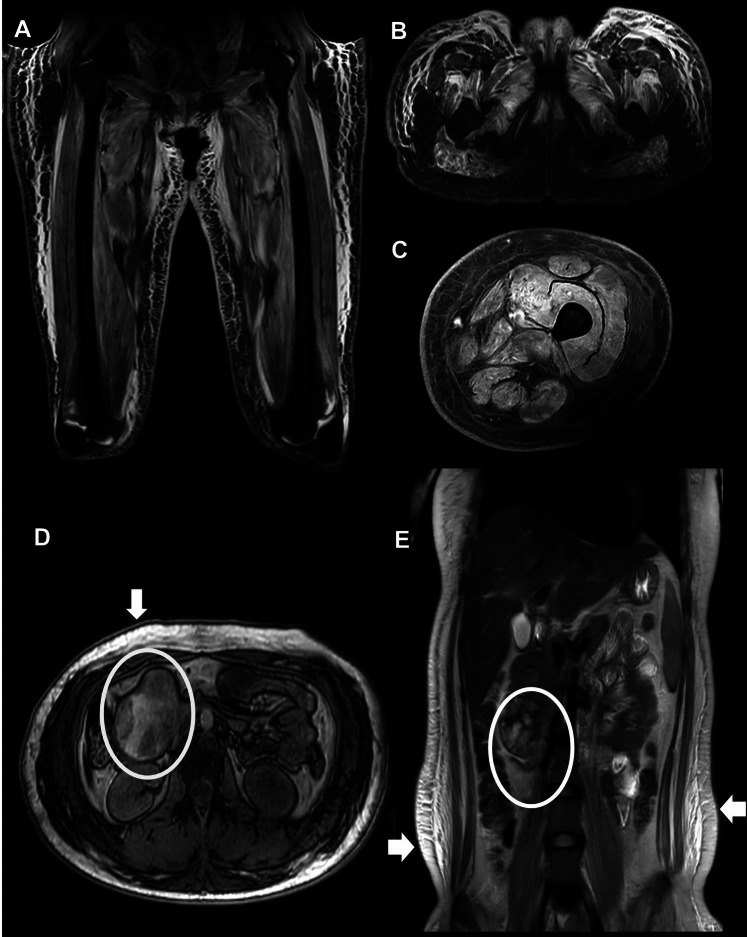 Figure 3
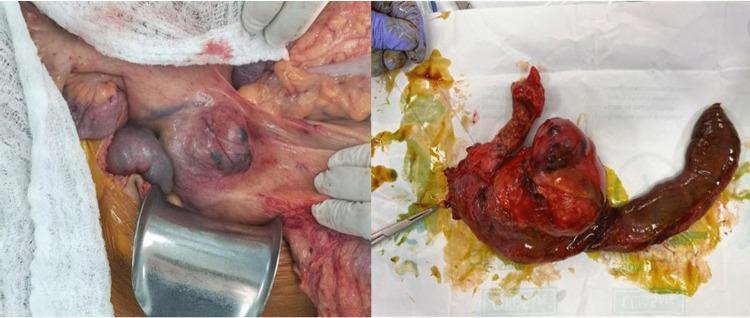 Figure 4
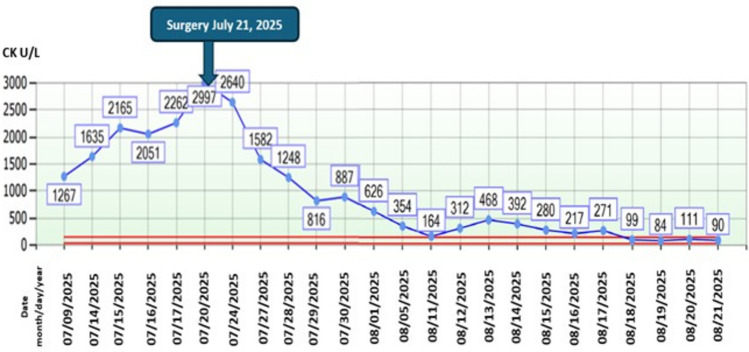 Figure 5
Peer Reviews
No public reviews on file for this paper yet. If you reviewed it on a platform where reviews are public (OpenReview, ICLR, NeurIPS, ICML), you can paste yours below so the community can read it here.
Videos
No videos yet. Explain this paper in a talk, walkthrough, or lecture? Add one.
Taxonomy
TopicsInflammatory Myopathies and Dermatomyositis · Skin Diseases and Diabetes · Muscle and Compartmental Disorders