The Buddy-Wire Technique for Impella RP Placement: A Case Report
Michael V. DiCaro, Vasiliki Tasouli-Drakou, KaChon Lei, Dalia Hawwass, Swetal Patel, Chowdhury Ahsan

TL;DR
A case report describes using the buddy-wire technique to successfully place an Impella RP in a patient with a complex cardiac setup.
Contribution
The paper introduces the rare use of the buddy-wire technique for Impella RP placement in complex cardiac cases.
Findings
The buddy-wire technique helped overcome challenges posed by a defibrillator lead during Impella RP placement.
This method may be a viable solution for patients with complex cardiac anatomies.
The case highlights a successful alternative approach for difficult Impella RP implantation.
Abstract
Although Impella RP has long been used in acute right ventricular failure, the use of parallel stiff and soft wires (“buddy-wire” technique) for its placement has rarely been described. A 70-year-old man with a left ventricular assist device was found to be in a ventricular tachycardia storm following a firing of his defibrillator. Due to unsuccessful cardioversion, he underwent implantation of an Impella RP. The latter was proven challenging due to the presence of a defibrillator lead; however, the implementation of the buddy-wire technique facilitated its passage, rendering it as a potential solution for patients with complex cardiac anatomies.
Genes, proteins, chemicals, diseases, species, mutations and cell lines named across the full text — each resolved to its canonical identifier and authoritative record.
Click any figure to enlarge with its caption.
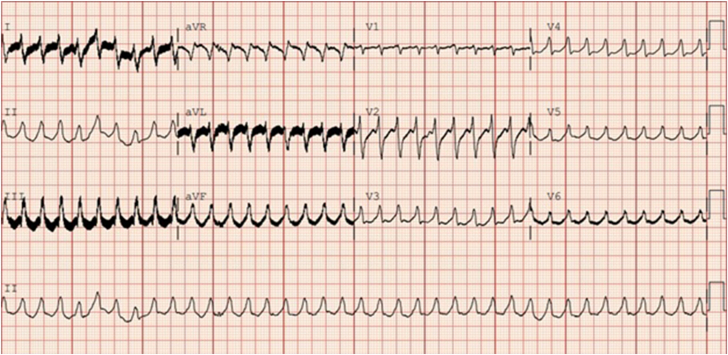 Figure 1
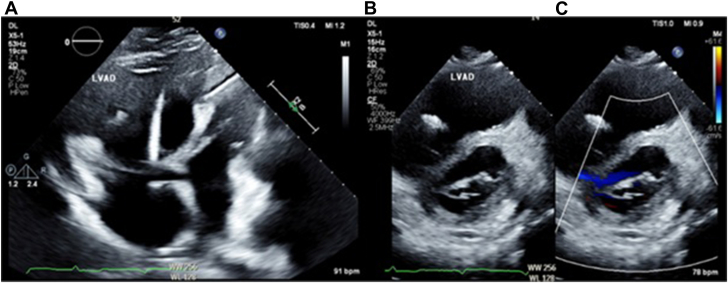 Figure 2
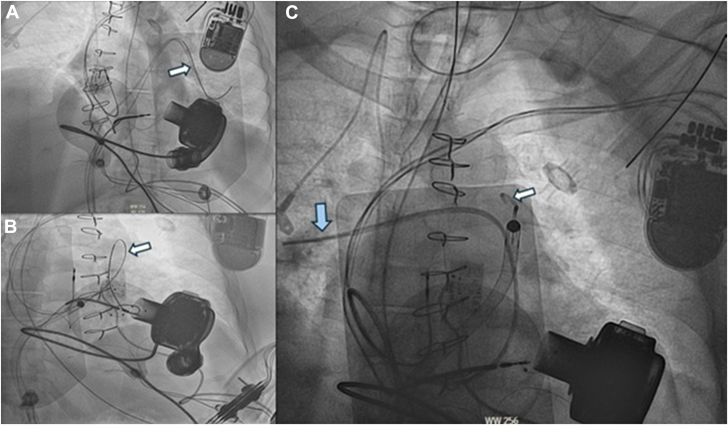 Figure 3
Peer Reviews
No public reviews on file for this paper yet. If you reviewed it on a platform where reviews are public (OpenReview, ICLR, NeurIPS, ICML), you can paste yours below so the community can read it here.
Videos
No videos yet. Explain this paper in a talk, walkthrough, or lecture? Add one.
Taxonomy
TopicsCardiac Structural Anomalies and Repair · Mechanical Circulatory Support Devices · Cardiac pacing and defibrillation studies