Smart Biomaterials Shaping the Future of Dentistry: A Comprehensive Review
Jyotsna Sethumadhavan, Munazzeh Fakhrealam Siddiqui, Prachi Gholap, Sheetal M Jadhav, Nilesha Vilasrao Kadam, Saudamini More

TL;DR
This paper reviews smart biomaterials in dentistry, highlighting their advantages over traditional materials and their potential to improve treatment outcomes.
Contribution
The paper provides a comprehensive review of recent advancements in smart dental materials and their clinical benefits.
Findings
Smart materials respond to external stimuli and can return to their original state, making them ideal for dental applications.
Examples include shape-memory alloys and smart sutures, which improve treatment effectiveness and patient comfort.
Smart materials offer minimally invasive approaches and enhanced material performance compared to traditional options.
Abstract
Dentistry revolves around the diverse dental materials being used in each and every step for a successful outcome of the treatment. Traditional materials require a specific design to meet performance requirements for load, speed, and lifespan expectancy. They seem difficult to modify their specifications or respond to changes in the environment. Traditional materials pose numerous disadvantages, such as limited durability and potential toxicity. As a result, smart materials were introduced where they respond to external stimuli, including stress, pH, temperature, moisture, and magnetic and electric fields. In the 1970s and 80s, smart materials were introduced in the market, with the first applications utilizing magnetostrictive technology, specifically nickel-titanium alloys that possess shape memory properties. In the 1980s, these materials paved their way into the field of dentistry,…
Genes, proteins, chemicals, diseases, species, mutations and cell lines named across the full text — each resolved to its canonical identifier and authoritative record.
Click any figure to enlarge with its caption.
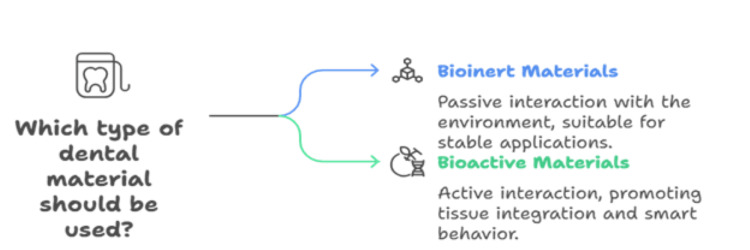 Figure 1
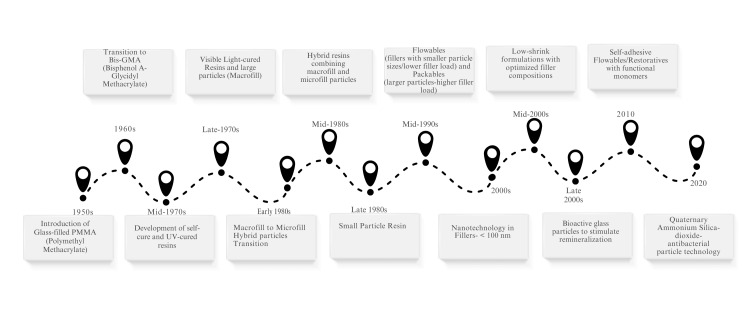 Figure 2
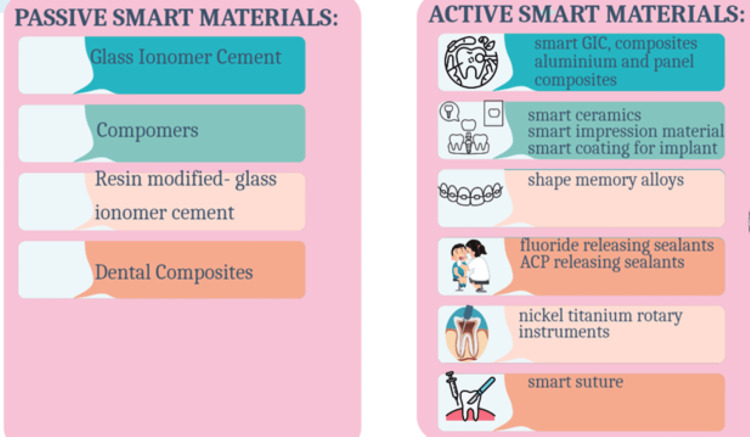 Figure 3
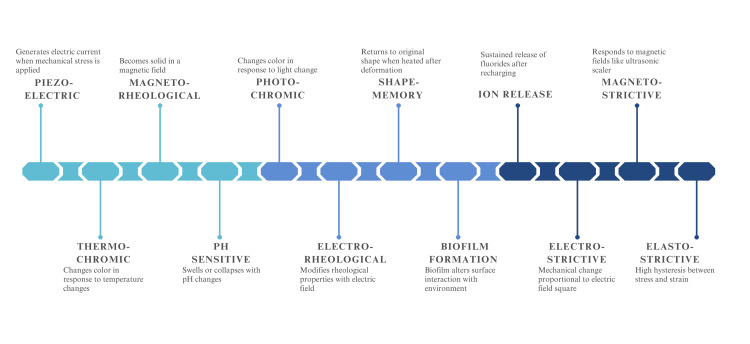 Figure 4
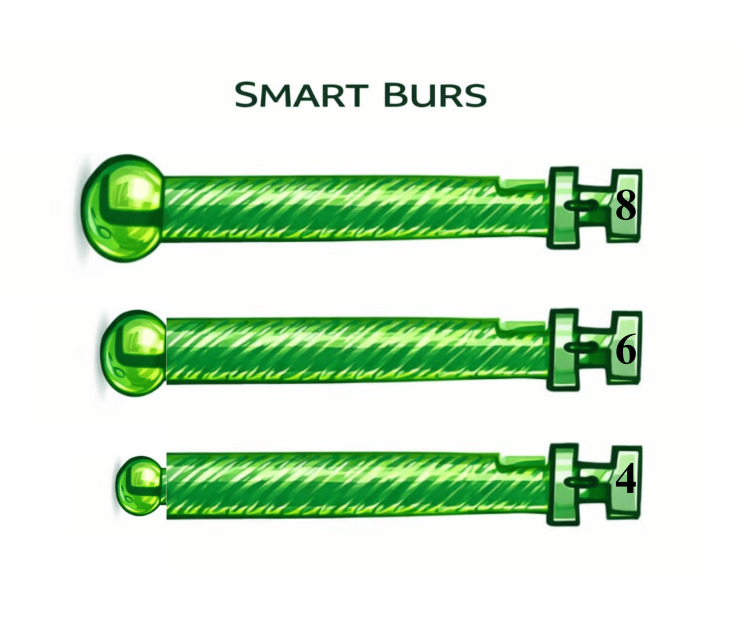 Figure 5
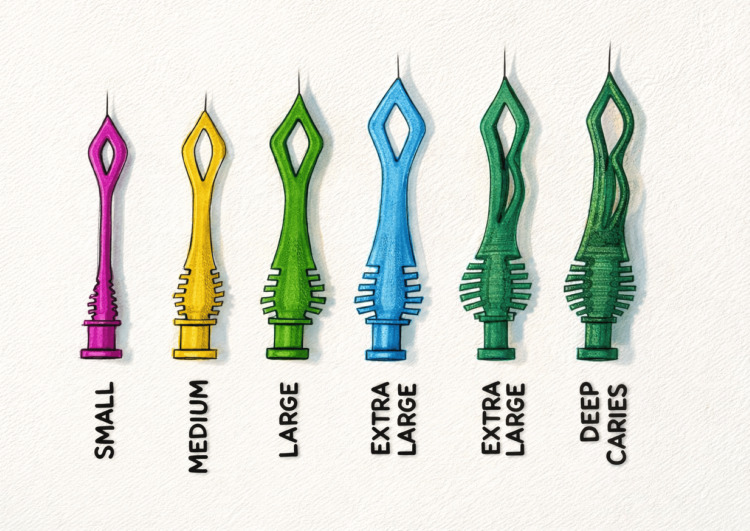 Figure 6
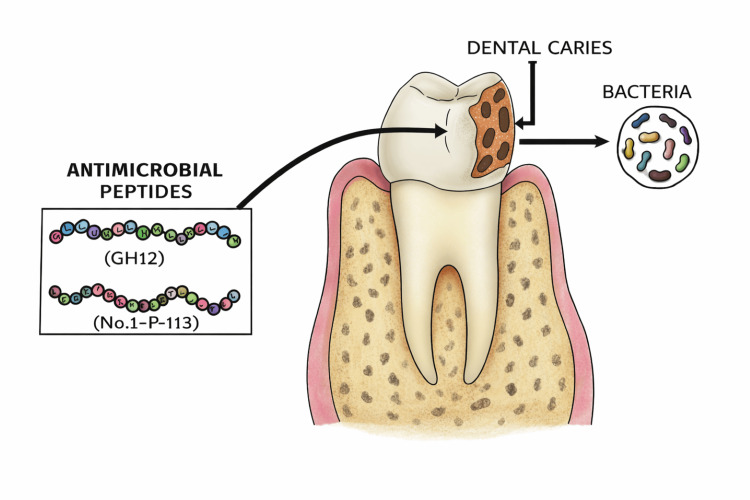 Figure 7
Peer Reviews
No public reviews on file for this paper yet. If you reviewed it on a platform where reviews are public (OpenReview, ICLR, NeurIPS, ICML), you can paste yours below so the community can read it here.
Videos
No videos yet. Explain this paper in a talk, walkthrough, or lecture? Add one.
Taxonomy
TopicsShape Memory Alloy Transformations · Dental materials and restorations · Temporomandibular Joint Disorders
Introduction and background
McCabe defined "smart materials" as materials whose properties may be altered in a controlled fashion by stimuli, such as stress, temperature, moisture, pH, and electric or magnetic fields [1]. Materials that are able to alter their properties in response to external stimuli are smart materials or can be called responsive materials, as they adapt to environmental changes, such as changes in temperature, pressure, etc. These materials have been used in the USA since the 1980s, where they were termed smart/intelligent materials [1].
In contrast, materials intended for long-term applications within the body or oral cavity are generally passive, meaning they are designed to remain stable without interacting with their surroundings. They are known as biomimetic materials, as they mimic the enamel and dentin components of the tooth structure. The term "biomimetics" was coined by Otto Schmitt in 1950, which refers to the study of the design of materials and their engineering based on their biological structures and functions [2]. Smart materials are also termed "responsive materials" due to their behavior of responding to external stimuli [3].
Smart behavior of a material depends on its ability to be able to change in response to the surroundings in an effective, consistent, and reversible way. Shape-memory alloys and polymers are some examples that can change in response to temperature. As research continues, we can see more groundbreaking inventions that can transform this traditional environment. Depending on their interaction with the environment, they can be classified as bioinert or bioactive (Figure 1). Today, the most promising technologies for lifetime efficiency and improved reliability include the use of "bioactive" smart materials [4].
Types of smart materialsImage created by the authors.
In dentistry, the need for advancement in dental materials has become essential; materials need to be chemically stable, biocompatible, and nonreactive in the oral cavity so that they do not harm the surrounding healthy tooth structure. Many such materials are already in clinical use in today's modern dentistry.
History
Smart materials were minimally started from being introduced in the 1950s and are experiencing ongoing advancements to ensure a predictable outcome (Figure 2) [5].
History of smart materialsImage created by the authors.
Review
Classification
The smart materials can be broadly classified as (1) Passive smart materials: materials that continuously respond to environmental changes or stimuli but do not require an external etiological factor to change their characteristics significantly. They are able to self-repair. (2) Active smart materials: these materials respond positively to changes in the external stimuli or when additional material support is required. They repair once an external stimulus is present in the environment (Figure 3) [2].
Examples of passive and active smart materialsACP: Amorphous calcium phosphate.Image created by the authors.
Properties
Smart materials are environmentally sensitive and adapt themselves accordingly. Stayton et al. designed biological delivery systems that are reversible and nontoxic. The delivery systems had the ability to change their structural and functional properties, thereby demonstrating remarkable smart material properties [7]. The different properties of smart materials are summarized in Figure 4 [2,6].
Properties of smart materialsImage created by the authors.
Implications
Smart materials have been widely accepted and incorporated to achieve successful treatment outcomes. Rolland et al. hypothesized that an antibacterial dentine-bonding resin containing methacryloxydodecyl-pyridiniumbromide (MDPB) may reduce biofilm formation [8]. The study supported earlier studies that indicated a composite containing an MDPB-containing filler showed reduced bacterial adhesion and glucan synthesis [9]. Antimicrobial, anti-degradation, and biocompatibility are the key properties leading to a favorable accomplishment in the usage of such intelligent materials [10]. These materials possess varied functional implications, such as preventing caries, improving marginal integrity, reducing wear, and extending longevity in all dental fields.
Smart materials
Smart Glass Ionomer Cement (GIC)
GICs are the most widely used cements in the dental practice. They absorb quickly and release a solvent that creates a gel-like structure that is similar to human dentin. The ability of movement of water in and out of the structure of GIC in response to the dimensional change and heat alteration is called the coefficient of thermal expansion. This is the reason why GIC shows better marginal adaptation, but bacterial adhesion is still a concern, which causes secondary dental caries [11]. It can be used as liners, bases, and reinforce restorative materials.
Fluoride-releasing dental restorative materials have the following effects: Fluoride has an antimicrobial effect, and it converts hydroxyapatite crystals to fluorapatite, which is more acid-resistant [12]. Burst effect, i.e., initial high release of fluorides and further sustained release over a period of time, which we can replenish again by using fluoride-based toothpaste or topical fluoride (i.e., topping-up effect).
Smart composites
Smart composites are ion-releasing materials that release fluoride, calcium, and hydroxyl ions at the critical pH, i.e., 5.5. When the critical pH drops, the smart composites start to neutralize the acid. The fluoride release from composites is lower than that from GIC but higher than that from compomers.
More modified smart composites contain amorphous calcium phosphate (ACP), an antecedent of hydroxyapatite (HAP) with both restorative and preventive properties, which can be used as a pit-and-fissure sealant, adhesive, and dental cement [12].
When the pH drops below the critical level, the ions merge to form a gel matrix, which later becomes amorphous crystals of calcium and phosphate ions, causing remineralization. Here, calcium causes remineralization after becoming supersaturated, while phosphates neutralize the acid through buffering (e.g., Ariston pH control, introduced in 1998 by Ivoclar-Vivadent).
Casein Phosphopeptide (CCP) and ACP
CCP and ACP help in the remineralization process by replacing the essential minerals lost from the tooth through assistance by saliva. The CPP binds to the plaque surrounding the tooth, thus presenting a soluble CaPO₄ at high concentration. While in amorphous form, CaPO₄ can penetrate tooth enamel, and the remineralization process occurs (e.g., Recaldent).
Self-healing composites
Composites fixed using a self-repairing process formulated on microcapsules might be effective for macroscopic repair techniques. It contains healing powder and liquid encapsulated by silica nanoparticles, which increases the bond strength of the resin and reduces fracture. It uses a formulation of bisphenol A-glycidyl methacrylate at 45% wt/wt, with 0.7 wt% silane glass included, encapsulated dicyclopentadiene (microcapsules), and a Grubbs catalyst (a transition-metal carbene complex using ruthenium), which heals microcracks [13].
Smart dentin replacement
Dentsply introduced posterior composites for class 1 and class 2 cavities due to their flowable characteristics and low polymerization shrinkage. It can be applied in increments up to 4 mm. It is chemically compatible with all methacrylate-based composites and posterior composites and is used to replace the enamel occlusal layer and complete an adhesive restoration that improves marginal adaptation. Bulk-fill composite resin is used in both incremental and bulk-fill techniques to overcome the disadvantages of incremental methods [14].
Smart impression materials
Irreversible hydrocolloids, such as alginate, and elastomeric materials, such as polyvinyl siloxanes and polyethers, are the standard dental materials used for taking impressions. They are modified to exhibit shape-memory properties, preventing distortion of impressions. These possess thixotropic properties along with being hydrophilic to make void-free impressions [12]. The snap-set properties of these materials allow minimal distortion while reducing working and setting time by 33% [15] (e.g., Imprint 3 VPS, Impregum, and Aquasil Ultra (3M ESPE)).
Smart burs
Smart burs are made up of polyether-ketone-ketone. The polymer was created to be softer than the healthy dentin and harder than carious (infected) dentin. This allows selective removal of decayed tissues and prevents overcutting of the healthy part, which has the ability to remineralize. When a smart bur comes in contact with a healthy structure, the bur becomes dull and vibrates [12,16].
The following is the cutting efficiency of the materials: for smart prep burs = 50 kH, carbide burs = 1600-1800 kH, infected dentin = 0- 30 kH, healthy dentin = 70-90 kH, and enamel = 360-430 kH. The standardized sizes are 010, 014, and 018 (self-limiting action) (e.g., SS White Diamond and Carbide preparation kit) (Figure 5).
Smart bursImage Credit: Schematic representation designed by Dr. Munazzeh Fakhrealam Siddiqui.
Smart ceramics
ETH Zurich developed the first ceramic tooth bridge in 1995. The zirconia-based ceramic material being created was a single, metal-free structure rather than baked on different layers. The result is a biocompatible, high-strength restorative material resistant to cracking [17].
Unlike alumina, zirconium oxide transforms into different crystalline forms during the process of firing. At 950°C, i.e., during the firing process, it is tetragonal in structure while being monoclinic at room temperature, which occupies 4.4% more volume. When stress develops near the tip of the growing crack, the volume increase becomes a benefit by modifying the material's structure around the crack, which induces closure stress and halts its propagation. The stress-induced crystallographic transformation makes zirconia a smart material (e.g., Cercon, Cerec).
Smart diamond wedge
The wedge is a diamond-shaped cut at the fontanel, which decreases insertion pressure by collapsing during placement (Figure 6). The embrasure prevents slipping out through the spring-back opening. The entire structure provides a complete marginal seal, prevents excess flow, and eliminates the need for cleanup after the composite sets (e.g., Palodent).
Smart diamond wedgesImage Credit: Schematic representation designed by Dr. Jyotsna Sethumadhavan.
Smart sutures
Sutures are composed of thermoplastic polymers that are biodegradable and capable of shape memory. They are temporarily applied loosely, with the ends secured. When the temperature exceeds the thermal transition point, the suture begins to tighten. Some sutures are synthetic or can be natural, and they can be embedded with temperature sensors that can detect infections. Current advancements aim to incorporate suture, which can accelerate wound healing, and electronic threads containing drug-infused polymers that exhibit therapeutic properties in response to heat and electrical stimuli [6] (e.g., a Novel MIT polymer).
Smart antimicrobial peptides
These antimicrobial peptides are targeted to kill Streptococcus mutans, which are responsible for causing dental caries (Figure 7). The idea of tissue regeneration is that dental tissues can be regenerated; in general, BRAX-1 is thought to be responsible for enamel regeneration. By utilizing competence-stimulating peptides (CSP), a pheromone is created by S. mutans that removes the bacterial biofilms without disturbing the oral flora. These have the potential for selective killing and thus are known as selective probiotic antibiotics [18]. STAMPs are based on the fusion of a wide-spectrum antimicrobial peptide domain with a species-specific targeting peptide domain [19] (e.g., pheromone-guided "smart" antimicrobial peptides).
Smart antimicrobial peptideImage Credit: Schematic representation designed by Dr. Jyotsna Sethumadhavan.
Smart coating for dental implants
These were primarily used in surgical implants for the hip and knee to enhance bone bonding and decrease the risk of infection. Over the period of time, the amorphous layer disintegrates and releases calcium and phosphates that help in bone growth. Future research can lead to the incorporation of silver nanoparticles that provide protection at implant sites from any infection. As the silver dissolves, the amorphous layer forms more rapidly, leading to rapid healing in the patient [20] (e.g., SGS Dental Implant Surface Treatment Smart Bioactive Trabecular Coating (SBTC)).
Smart fibers for lasers
Laser radiation of high fluency is transmitted through the body using photonics crystal fibers, which are compatible with 1.06 micrometer laser radiation, while YAG fibers of 14 micrometer core focus on enamel ablation. These are used in detection and optical diagnosis [21] (e.g., hollow-core photonic crystal fibers (PCFs)).
Smart memory alloys
NiTi is 56% wt nickel and 44% wt titanium; it has three phases: austenite, martensite, and R phase [21]. At room temperature, austenite has a body-centered cubic structure, and on cooling, it transforms to martensite, which is monoclinic due to thermal expansion. The R phase, or the mixed phase, occurs during a temperature change, modifying the alloy's properties [22]. Al-Horini et al. concluded that the temperature had a significant effect on the mechanical behavior of all test NiTi wires; the superelastic type behaved similarly to the thermal wires [23]. NiTi alloys are used in endodontic files and orthodontic wires. It also decreases the postoperative pain in patients while providing easier and faster accessibility for the dentist. These materials possess numerous advantages, such as (1) increased flexibility: reducing the risk of procedural errors and improving treatment outcomes; (2) shorter treatment time: streamlining procedures for greater efficiency; (3) reduced errors: minimizing zipping, ledges, and transportation issues; (4) shape-memory effect: our instruments can change shape in response to temperature, ensuring optimal performance [24]; and (5) corrosion resistance: a protective titanium oxide layer shields our instruments from corrosive environments [25].
Smartpaste bio
Smartpaste bio contains bioceramics that give calcium hydroxide and hydroxyapatite as byproducts, giving it bactericidal and bacteriostatic properties. It is used as a root canal sealant and requires 4-10 hours of setting time. Here, the hydrophilic component, i.e., calcium hydroxide, absorbs moisture and swells up, filling the empty spaces. This provides dimensional stability in root canal treatment [13].
Smartseal obturation system
In both zinc oxide-based and resin-based root canal sealers, the use of chitosan and zinc oxide nanoparticles will improve the bactericidal action by preventing the formation of biofilms on the resin-dentin interface. Incorporating bioactive glass, like polyisoprene and polycaprolactone, into polymers rendered the composite bioactive and increased locking ability in a single-rooted tooth’s root canal [25]. Antibacterial nanoparticles enhance efficacy against resistant pathogens in endodontics, which can specifically target bacteria and improve drug delivery in dental applications [26] (e.g., ProTaper, Sendoline S5 system).
Activ Points
Gutta-percha with 5% chlorhexidine diacetate is an Activ point. Here, when chlorhexidine (a good disinfectant) comes into contact with moisture, it releases cations that bind to the cell walls of bacteria, which are anionic, causing osmosis to malfunction.
Resilon
The nano-diamond GP (gutta-percha) composite with amoxicillin was found to have greater mechanical properties than the normal GP.
Smart gels
These gels combine the concept of a solvent-swollen polymer network with the ability to respond to environmental changes. These are used in places where controlled release is needed (e.g., ROS (reactive oxygen species)-responsive hydrogels).
Future potential
Smart materials are transforming dentistry with their innovative properties. They offer potential applications like self-healing fillings, shape-memory alloys for efficient orthodontic treatment, and bioactive materials that promote bone growth. These advancements can lead to better treatment outcomes, reduced costs, and enhanced patient experience, making dentistry effective.
Conclusions
Smart materials used in dentistry are changing the game, enabling clinicians to provide more effective and efficient care. These materials offer numerous benefits, including enhanced durability and bioactivity, allowing for better treatment outcomes and higher patient satisfaction. By leveraging these innovative materials and staying up to date with the latest evidence-based practices, dental clinicians can take their skills to the next level and deliver truly exceptional care. The future of dentistry is smart, and it is exciting to think about the possibilities.
The reference list from the paper itself. Each links out to its DOI / PubMed record.
- 1Smart materials-making pediatric dentistry bio-smart Int J Pedod Rehabil Jain P Kaul R Saha S Sarkar S 555922017 https://www.researchgate.net/publication/320020196_Smart_materials-making_pediatric_dentistry_bio-smart
- 2Smart materials in endodontics Int J Appl Dent Sci Aggarwal T Prachi Prachi Karol M Charaya S Birajdar R Jain A 52452982022
- 3Biosmart materials: breaking new ground in dentistry Sci World J Badami V Ahuja B 9869122014201410.1155/2014/986912 PMC 392957224672407 · doi ↗ · pubmed ↗
- 4Smart materials in dentistry: think smart!J Pediatr Dent Shanthi M Soma Sekhar EV Ankireddy S 1422014
- 5Seeking endurance: designing smart dental composites for tooth restoration Designs Alluhaidan T Qaw M Garcia IM Montoya C Orrego S Melo MA 9282024 https://doi.org/10.3390/designs 8050092
- 6Smart materials in dentistry: a review Int J Dev Res Gupta V 899632018 https://www.researchgate.net/publication/326462959_Smart_materials_in_dentistry_A_review
- 7'Smart' delivery systems for biomolecular therapeutics Orthod Craniofac Res Stayton PS El-Sayed ME Murthy N 219225820051602272410.1111/j.1601-6343.2005.00336.x · doi ↗ · pubmed ↗
- 8In vitro biofilm formation on the surface of resin-based dentine adhesives Eur J Oral Sci Rolland SL Mc Cabe JF Robinson C Walls AW 2432491142006 https://doi.org/10.1111/j.1600-0722.2006.00359.x 1677677410.1111/j.1600-0722.2006.00359.x · doi ↗ · pubmed ↗