Articles of Significant Interest in This Issue

Abstract
Genes, proteins, chemicals, diseases, species, mutations and cell lines named across the full text — each resolved to its canonical identifier and authoritative record.
Click any figure to enlarge with its caption.
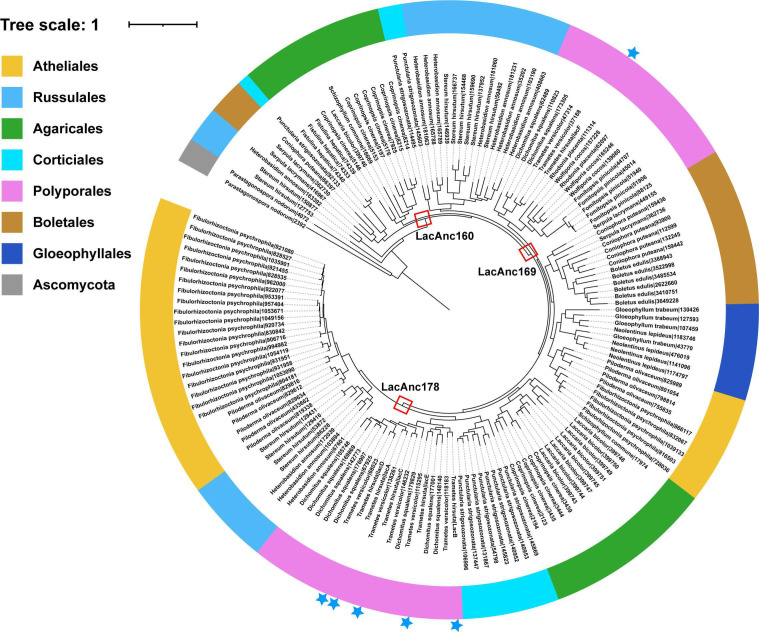 Figure 1
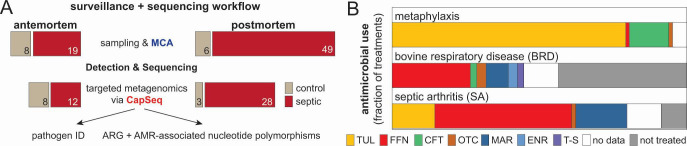 Figure 2
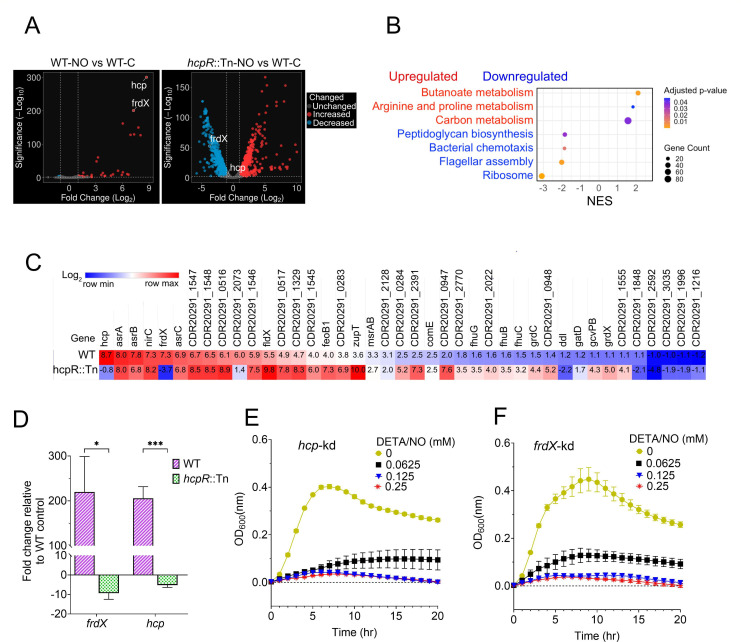 Figure 3
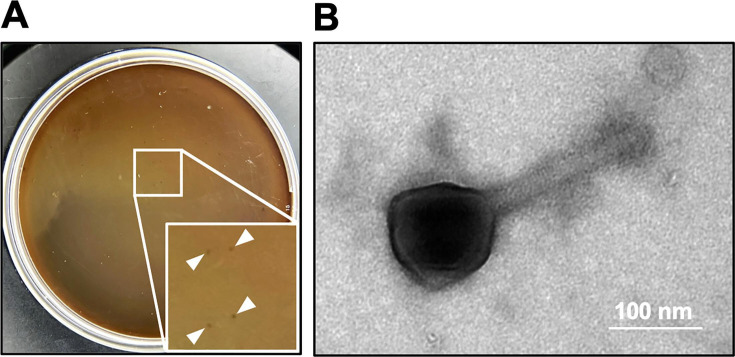 Figure 4
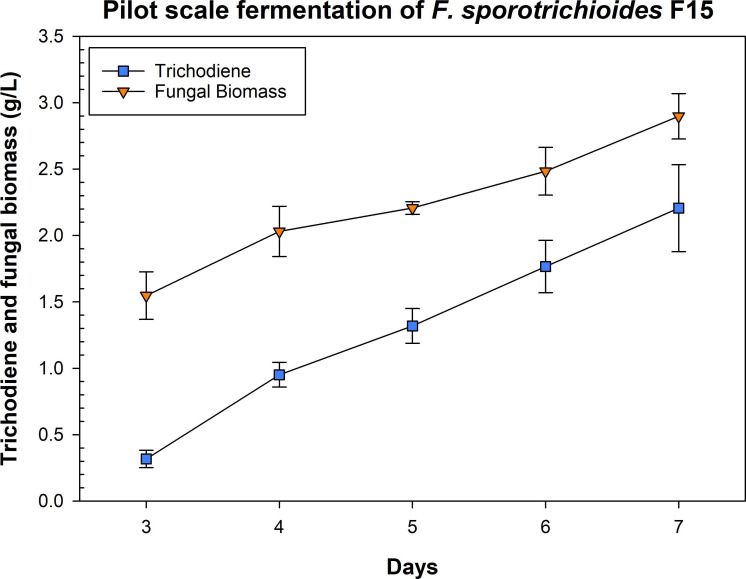 Figure 5
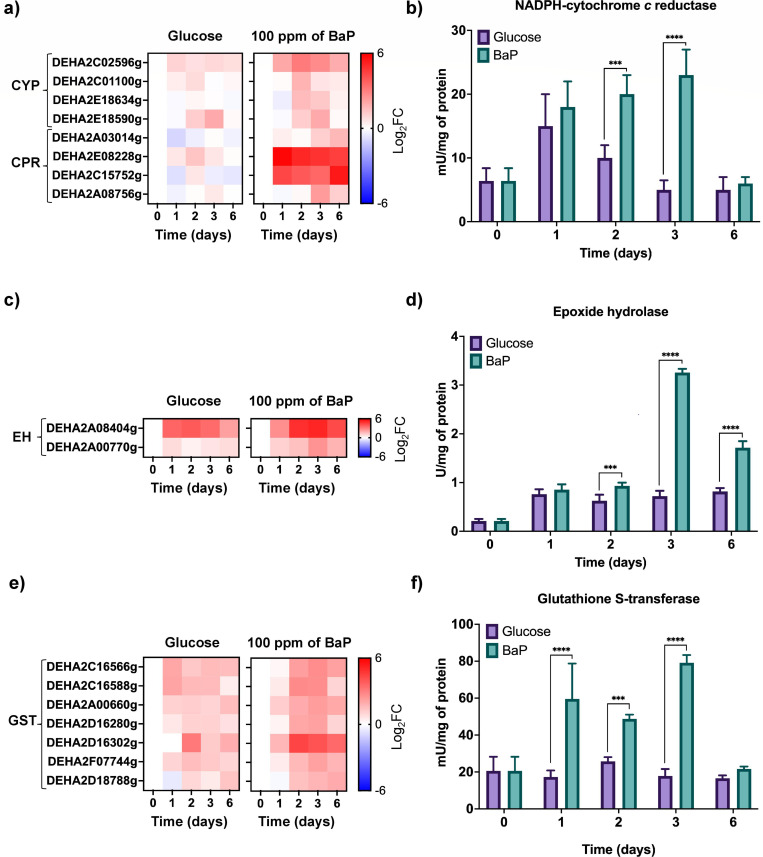 Figure 6
Peer Reviews
No public reviews on file for this paper yet. If you reviewed it on a platform where reviews are public (OpenReview, ICLR, NeurIPS, ICML), you can paste yours below so the community can read it here.
Videos
No videos yet. Explain this paper in a talk, walkthrough, or lecture? Add one.
Taxonomy
TopicsPharmaceutical industry and healthcare · Animal testing and alternatives · Diverse Scientific and Economic Studies
THE CO-EVOLUTION OF FUNGAL LACCASES AND PLANT LIGNIN
Liu et al. (e01971-25) describe the evolutionary history of laccase isozymes in white-rot fungi and demonstrate links to the ancestral emergence of their lignin substate in plants.
A METAGENOMIC VIEW OF SEPTIC ARTHRITIS IN CATTLE
This metagenomics survey of septic arthritis (SA) in cattle by Kos et al. (e01675-25) provides novel epidemiological insights into the etiological agents of SA and their antimicrobial resistance profile.
CLOSTRIDIOIDES DIFFICILE STRESS RELIEF VALVE
Kalra et al. (e01988-25) describe conserved mechanisms for Clostridioides difficile survival under nitrosative stress in the colon that could guide therapeutic interventions against this recalcitrant pathogen.
A PHAGE COCKTAIL AGAINST PSEUDOMONAS AERUGINOSA
Fujiki et al. (e02095-25) developed a phage cocktail against Pseudomonas aeruginosa that targets distinct classes of bacterial receptors to delay resistance evolution and enhance therapeutic robustness.
MANUFACTURING PLATFORMS FOR FUNGAL CHEMICAL PRODUCTION
Fungal terpene trichodiene can suppress the production of vomitoxin against the plant pathogen Fusarium graminearum. Hay et al. (e01695-25) describe a fermentation platform for scaled production of this important chemical.
A MARINE YEAST WITH A TASTE FOR AROMATIC HYDROCARBONS
Padilla-Garfias et al. (e02314-25) describe mechanisms for polycyclic aromatic hydrocarbons (PAHs) by a marine yeast, providing a foundational model to understand how eukaryotic microbes activate biotransformation pathways and antioxidant defenses under chemical stress.