Overexpression of IL-8 augments the susceptibility to a hyperinflammatory phenotype in pediatric acute respiratory distress syndrome and correlates with adverse outcomes: a retrospective two-center study conducted in northwest China
Yi Wang, Weikai Wang, Zhe Lv, Haitong Wu, Hua Zhang, Ying Wang, Yong Zhou, Zhangyan Guo, Jingmei Li, Le Ma, Dan Yao, Taining Zhang, Yanqiang Du, Li Liu

TL;DR
High levels of IL-8 in children with ARDS are linked to worse outcomes and may help predict mortality when combined with other markers.
Contribution
The study identifies IL-8 overexpression as a prognostic indicator in pediatric ARDS, particularly when combined with other biomarkers.
Findings
IL-8, RAGE, Ang-2, ICAM-1, and SP-D are independent risk factors for mortality in pediatric ARDS.
IL-8 levels are significantly higher in non-survivors compared to survivors.
IL-8 is positively correlated with other biomarkers like RAGE, Ang-2, ICAM-1, and SP-D in ARDS children.
Abstract
The prognosis of acute respiratory distress syndrome (ARDS) varies with inflammatory responses. ARDS patients with a hyperinflammatory phenotype usually have worse alveolar epithelial injury and vascular endothelial injury than those carrying a hypoinflammatory phenotype. Activated neutrophils recruited and migrated in the lung tissue are responsible for stimulating the progression of ARDS. Interleukin-8 (IL-8), as an inflammatory factor, further aggravates lung damage in ARDS. This was a retrospective study involving 135 ARDS children admitted in two pediatric hospitals in northwest China. They were either classified into mild, moderate and severe groups based on the oxygenation index (OI) or oxygenation saturation index (OSI) within 4-h invasive mechanical ventilation on admission, or the survival and non-survival groups based on the 28-day mortality. Demographic and clinical data…
Genes, proteins, chemicals, diseases, species, mutations and cell lines named across the full text — each resolved to its canonical identifier and authoritative record.
Click any figure to enlarge with its caption.
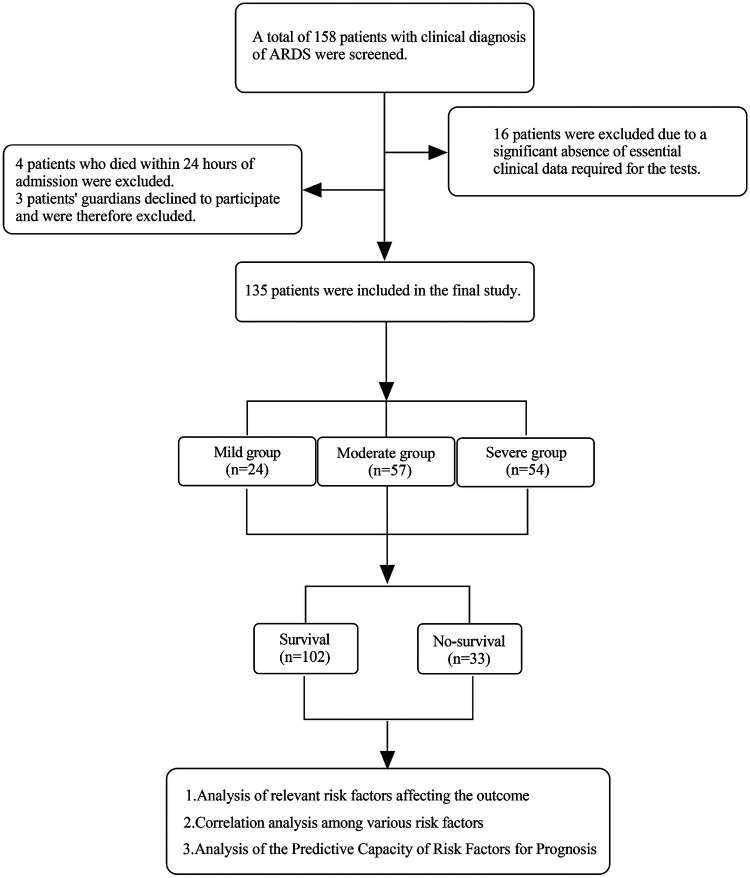 Figure 1
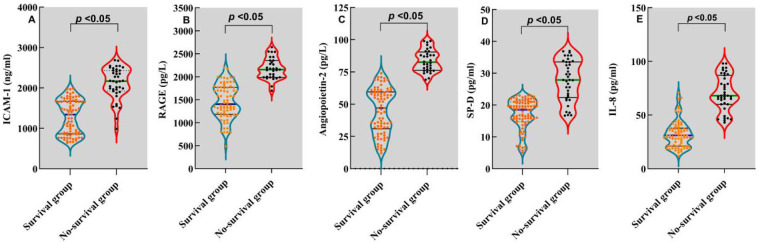 Figure 2
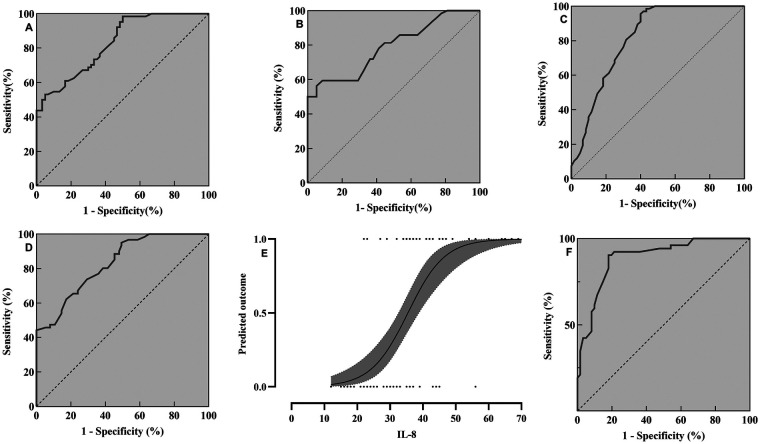 Figure 3
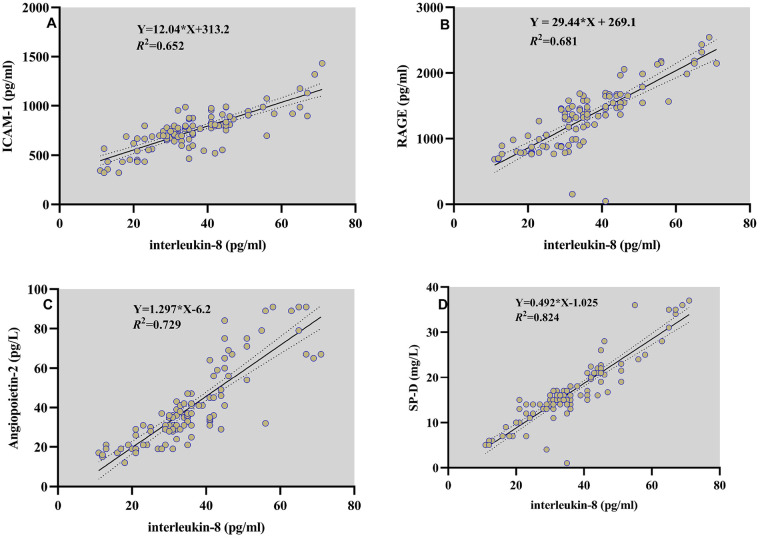 Figure 4
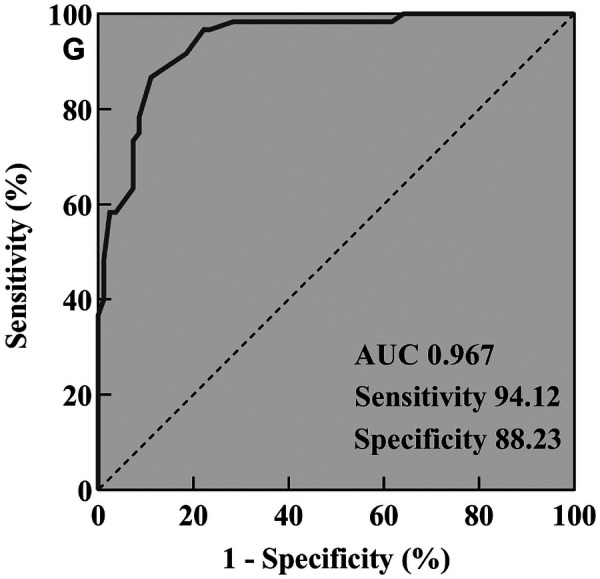 Figure 5
Peer Reviews
No public reviews on file for this paper yet. If you reviewed it on a platform where reviews are public (OpenReview, ICLR, NeurIPS, ICML), you can paste yours below so the community can read it here.
Videos
No videos yet. Explain this paper in a talk, walkthrough, or lecture? Add one.
Taxonomy
TopicsRespiratory Support and Mechanisms · Immune Response and Inflammation · Sepsis Diagnosis and Treatment