Advancing epidemic intelligence: evaluating Senegal’s mpox surveillance system and readiness for AI-driven predictive modelling
Sylvain L. B. Faye, Fatoumata B. Diongue, Abdourakhmane Ndao, Boly Diop, Georgette H. C. Sow, Ndiaye Dia, Fallou Diakhate, Tidiane Gadiaga, Pape Samba Dieye, Oumou Kalsom D. Gueye, Yoro Sall, Ibrahima Seck, Youssou Bamar Gueye, Aminata Massaly, Moussa Seydi, Ibrahima Sy

TL;DR
This study evaluates Senegal's mpox surveillance system and explores how AI can improve early outbreak detection and response.
Contribution
The paper introduces a framework for AI-driven predictive modeling tailored to Senegal's public health infrastructure.
Findings
Mpox cases in Senegal were concentrated in urban areas, affecting young and mobile populations.
The surveillance system showed improved reporting but faced challenges in rural coverage and real-time analytics.
The AI4MPOX-SN initiative aims to integrate human-animal-environment data for better epidemic intelligence.
Abstract
Mpox has re-emerged as a public health issue in West Africa, underscoring the need for robust surveillance systems that can detect outbreaks and facilitate effective responses. This study evaluates Senegal’s mpox surveillance system, focusing on performance, data quality, governance, and potential for Artificial Intelligence-powered, predictive epidemic intelligence. It reviews trends and system operations while exploring AI and modeling to improve early warnings. A descriptive, exploratory approach combined quantitative and qualitative data from various sources. A retrospective review of mpox cases from January 2024 to October 2025 utilized DHIS2 Tracker to analyze geographical, temporal, and demographic patterns, as well as reporting delays and biases. Data-quality checks and stakeholder interviews provided insights into system performance, intersectoral coordination, and…
Genes, proteins, chemicals, diseases, species, mutations and cell lines named across the full text — each resolved to its canonical identifier and authoritative record.
Click any figure to enlarge with its caption.
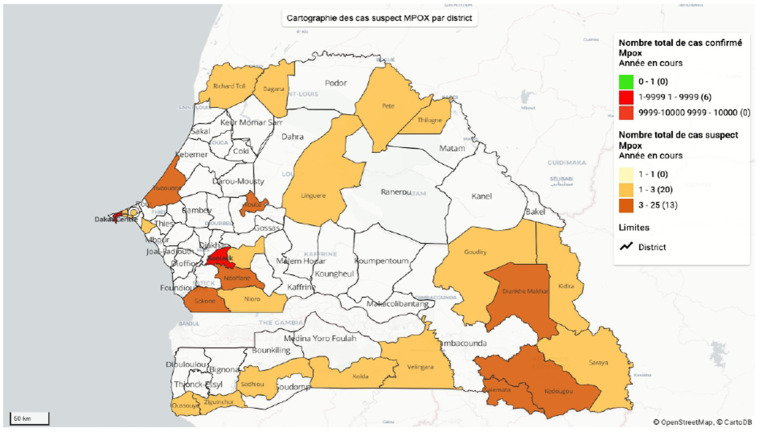 Figure 1
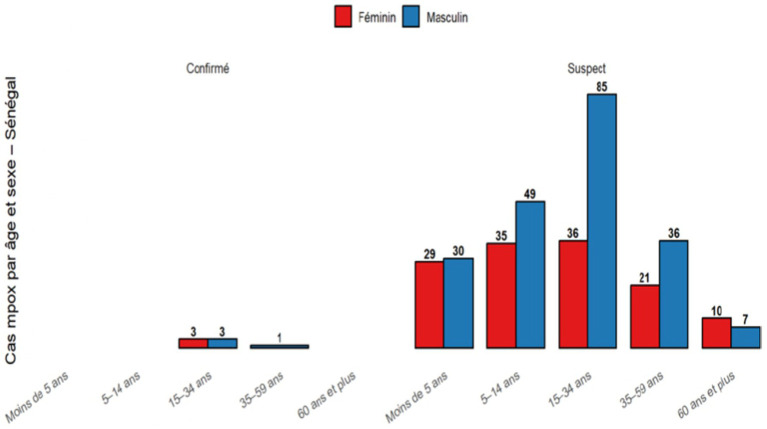 Figure 2
 Figure 3
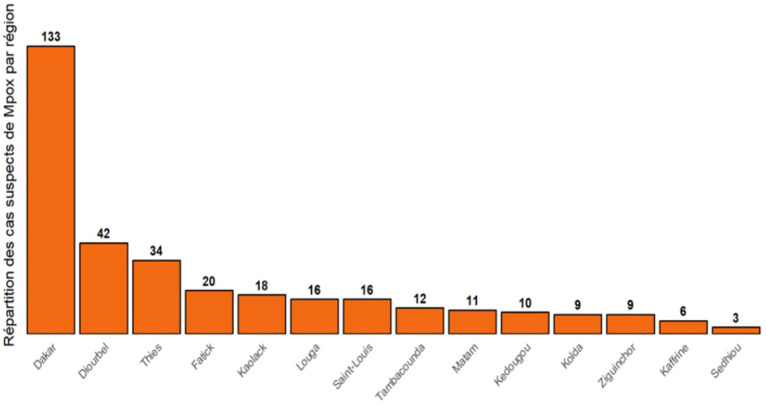 Figure 4
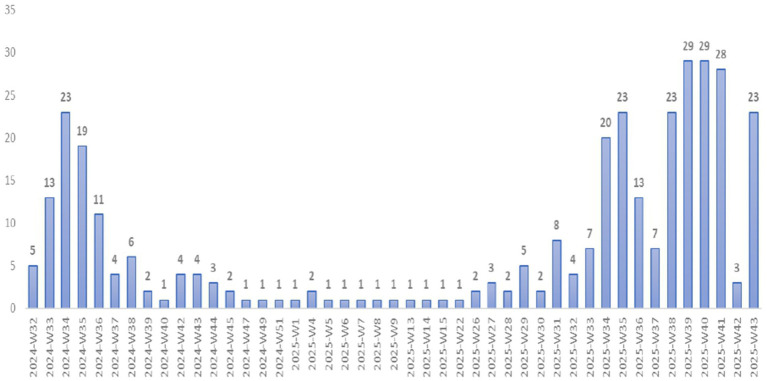 Figure 5
Peer Reviews
No public reviews on file for this paper yet. If you reviewed it on a platform where reviews are public (OpenReview, ICLR, NeurIPS, ICML), you can paste yours below so the community can read it here.
Videos
No videos yet. Explain this paper in a talk, walkthrough, or lecture? Add one.
Taxonomy
TopicsData-Driven Disease Surveillance · COVID-19 epidemiological studies · Zoonotic diseases and public health