Puerarin’s multidimensional antidepressant action: decoding the gut-liver-brain axis through gut microbiota, hepatic homeostasis, and neuroimmune regulation
Lufen Ye, Linlu Peng, Jiaojiao Tian, Hao Ma

TL;DR
Puerarin, a compound from a Chinese herb, shows antidepressant effects in mice by improving gut health, liver function, and brain inflammation.
Contribution
This study is the first to investigate puerarin's antidepressant effects through the gut-liver-brain axis and its related molecular mechanisms in a depression model.
Findings
Puerarin reduced depression-like behaviors in mice through the gut-liver-brain axis.
Puerarin improved gut microbiota composition and reduced systemic inflammation markers like LPS.
Puerarin inhibited the TLR4/MYD88/NF-κB pathway and increased 5-HT and BDNF in the prefrontal cortex.
Abstract
Puerarin is a flavonoid bioactive component extracted from the Chinese herb radix puerariae, which has been reported to have anti-inflammatory and neuroprotective effects and is a potential drug for the treatment of neuroinflammatory diseases. There is increasing evidence that the gut-liver-brain axis is closely related to neurological disorders. However, studies on the use of puerarin for the treatment of depression based on gut-liver-brain axis-mediated inflammatory injury have not been reported. In the present study, a 4-week chronic restraint stress (CRS) mouse depression model was established. Place the mice in 50 mL centrifuge tubes for restraint. The tubes should be perforated with 15–20 small holes to ensure adequate ventilation. The restraint period is from 9:00 a.m. to 1:00 p.m. daily, during which food and water are withheld. Based on the results of previous studies, the…
Genes, proteins, chemicals, diseases, species, mutations and cell lines named across the full text — each resolved to its canonical identifier and authoritative record.
Click any figure to enlarge with its caption.
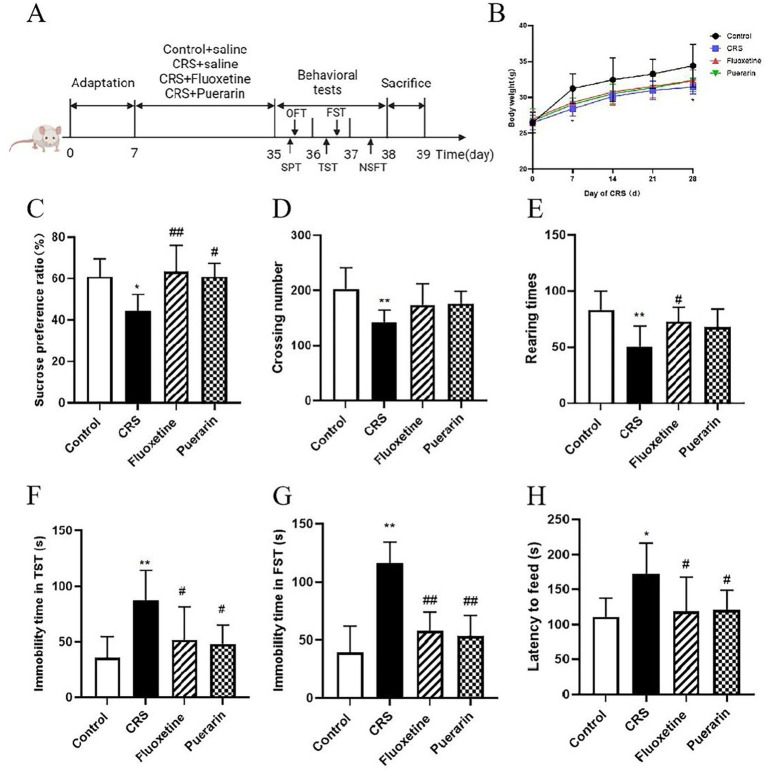 Figure 1
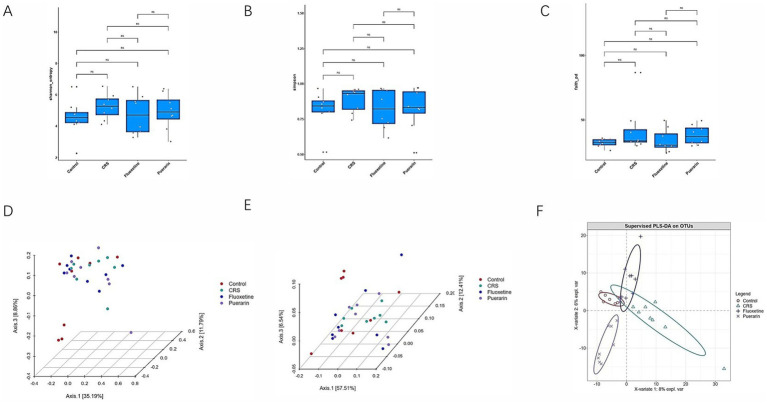 Figure 2
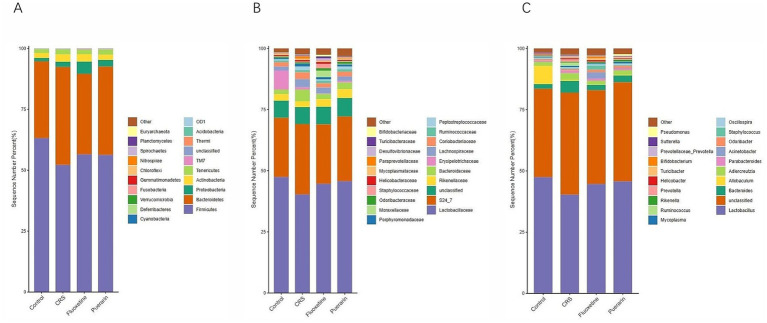 Figure 3
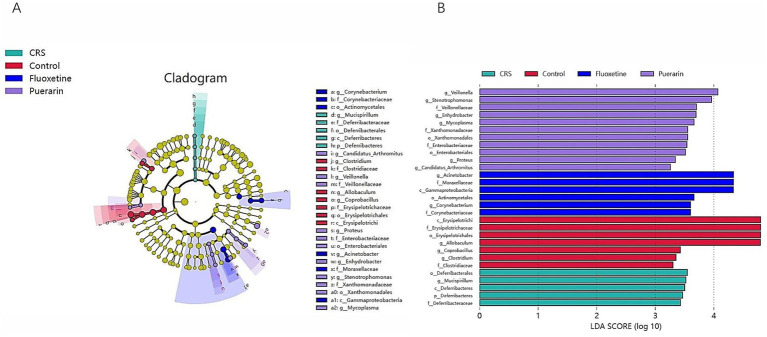 Figure 4
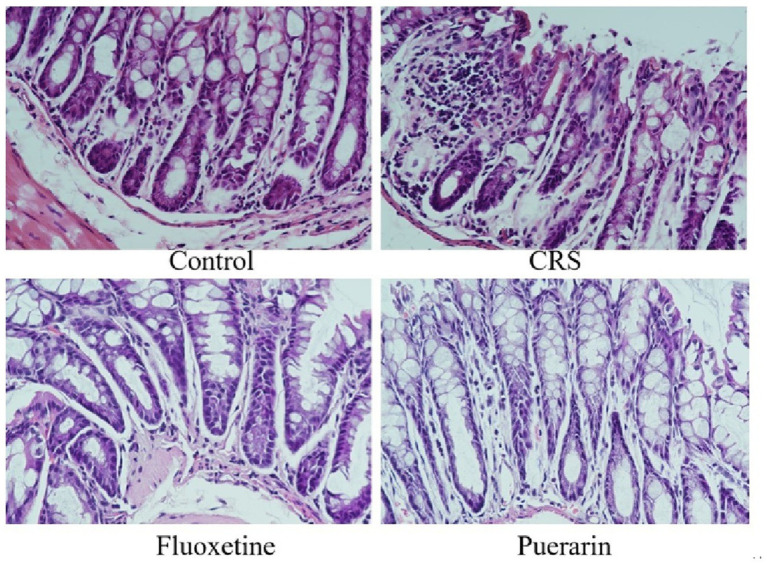 Figure 5
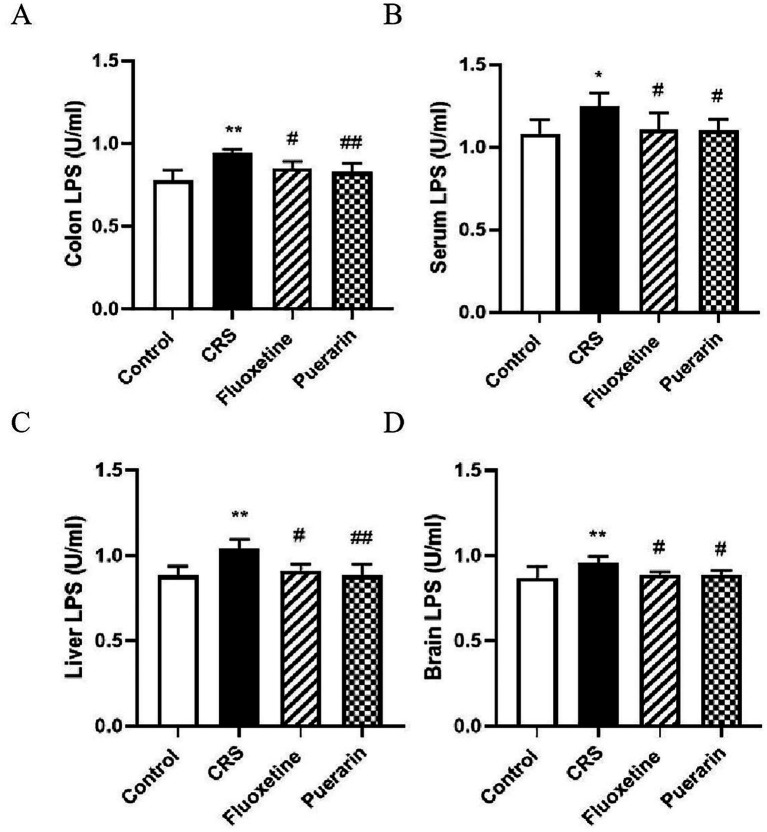 Figure 6
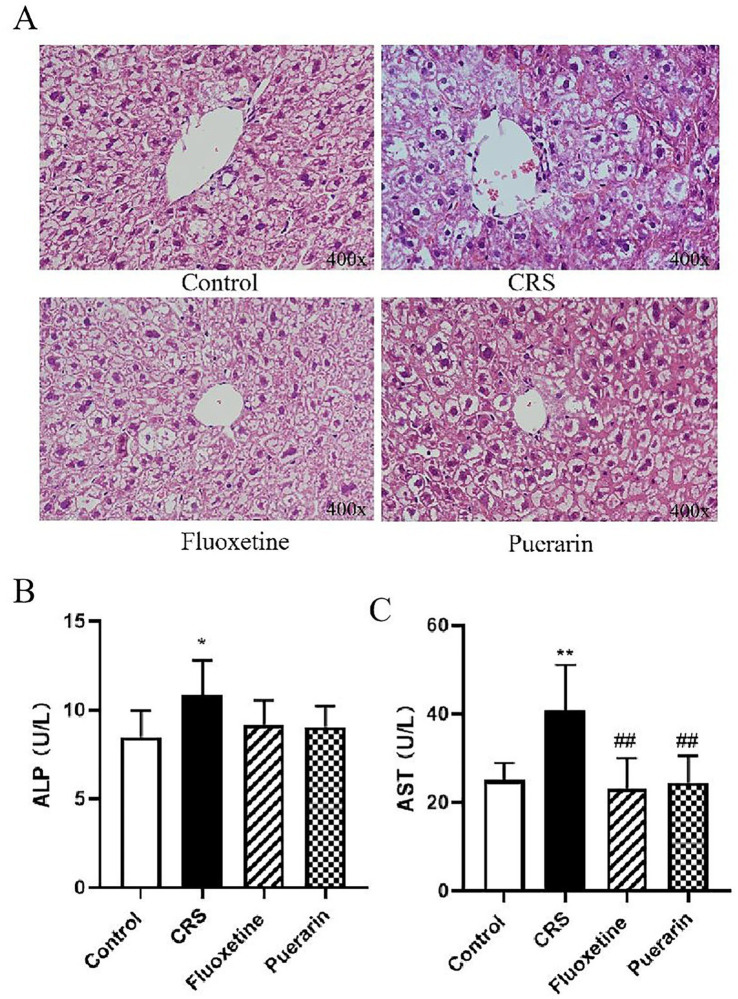 Figure 7
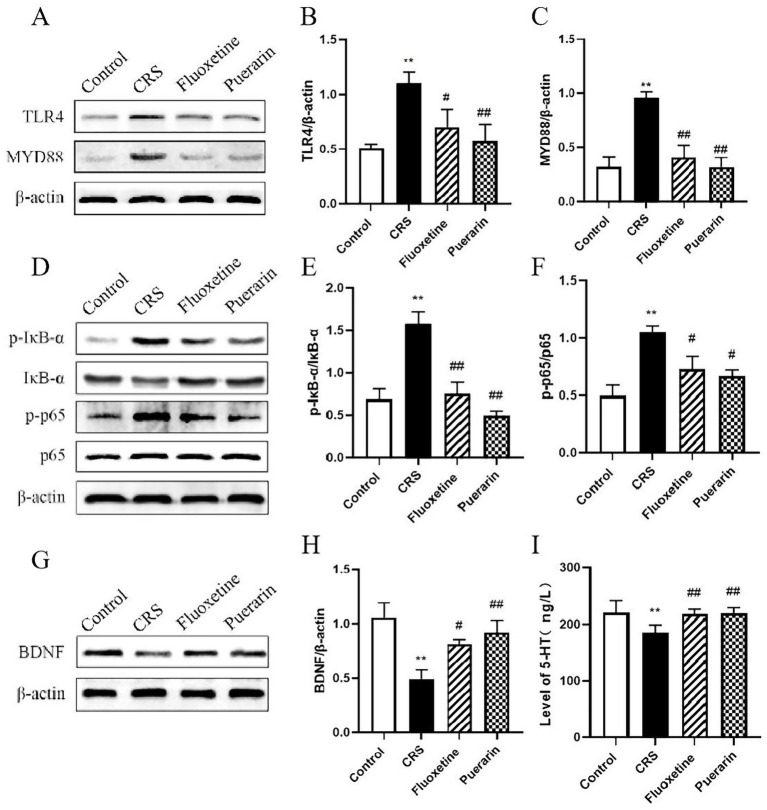 Figure 8
Peer Reviews
No public reviews on file for this paper yet. If you reviewed it on a platform where reviews are public (OpenReview, ICLR, NeurIPS, ICML), you can paste yours below so the community can read it here.
Videos
No videos yet. Explain this paper in a talk, walkthrough, or lecture? Add one.
Taxonomy
TopicsTryptophan and brain disorders · Gut microbiota and health · Gastrointestinal motility and disorders