Pharmacogenomic and in silico identification of isoform-selective AKT inhibitors from Pithecellobium dulce for precision cancer therapy
Gnanaprakash Jeyaraj, Bing Yang, Kuppusamy Sathishkumar, Santosh Chokkakula, Bader O. Almutairi, Weimim Xie

TL;DR
This study identifies natural compounds from Pithecellobium dulce that selectively target AKT1 or AKT2, offering potential for precision cancer therapy.
Contribution
The study introduces a novel integration of pharmacogenomics and molecular modeling to discover isoform-selective AKT inhibitors from natural sources.
Findings
Oleanolic acid and pitheduloside I preferentially bind AKT1, while rutin and naringin show stronger affinity for AKT2.
Oleanolic acid and rutin display drug-like properties and stable binding with AKT isoforms in molecular simulations.
miR-149-5p and lncRNA HOTAIR are linked to AKT isoform regulation, supporting the pharmacogenomic relevance of the findings.
Abstract
AKT1 and AKT2 are central but functionally distinct kinases within the PI3K–AKT–mTOR pathway, and isoform‐specific genomic alterations in these proteins have important implications for cancer prognosis and therapeutic responsiveness. This study aimed to integrate cancer pharmacogenomics with structure‐based modeling to identify natural compounds capable of selectively targeting AKT1 or AKT2. Public cancer genomics datasets from TCGA and the Kaplan–Meier Plotter were analyzed to characterize mutation patterns, copy number alterations, and survival associations of AKT1 and AKT2 across malignancies. Based on isoform-specific differences, twenty phytochemicals from Pithecellobium dulce were docked against the allosteric binding sites of AKT1 (PDB: 3QKL) and AKT2 (PDB: 2JDO). Lead compounds were evaluated using ADME prediction and density functional theory to assess pharmacokinetic…
Genes, proteins, chemicals, diseases, species, mutations and cell lines named across the full text — each resolved to its canonical identifier and authoritative record.
Click any figure to enlarge with its caption.
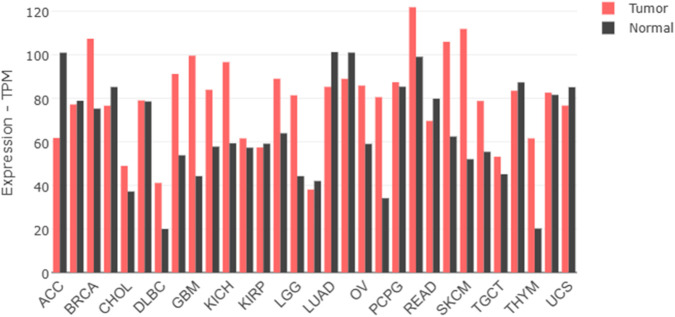 Figure 1
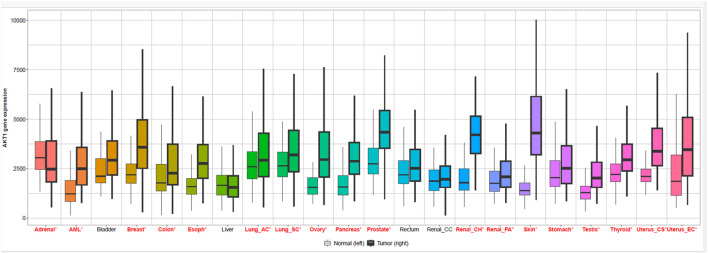 Figure 2
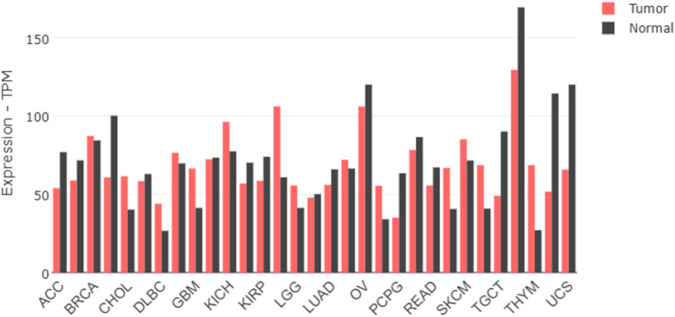 Figure 3
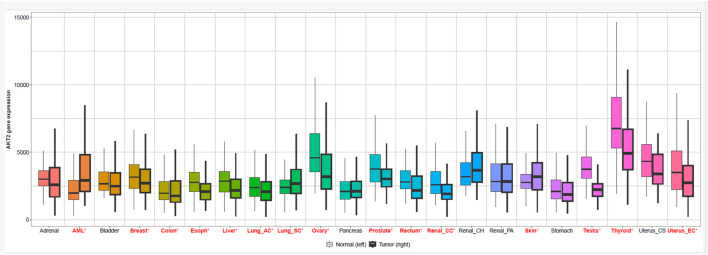 Figure 4
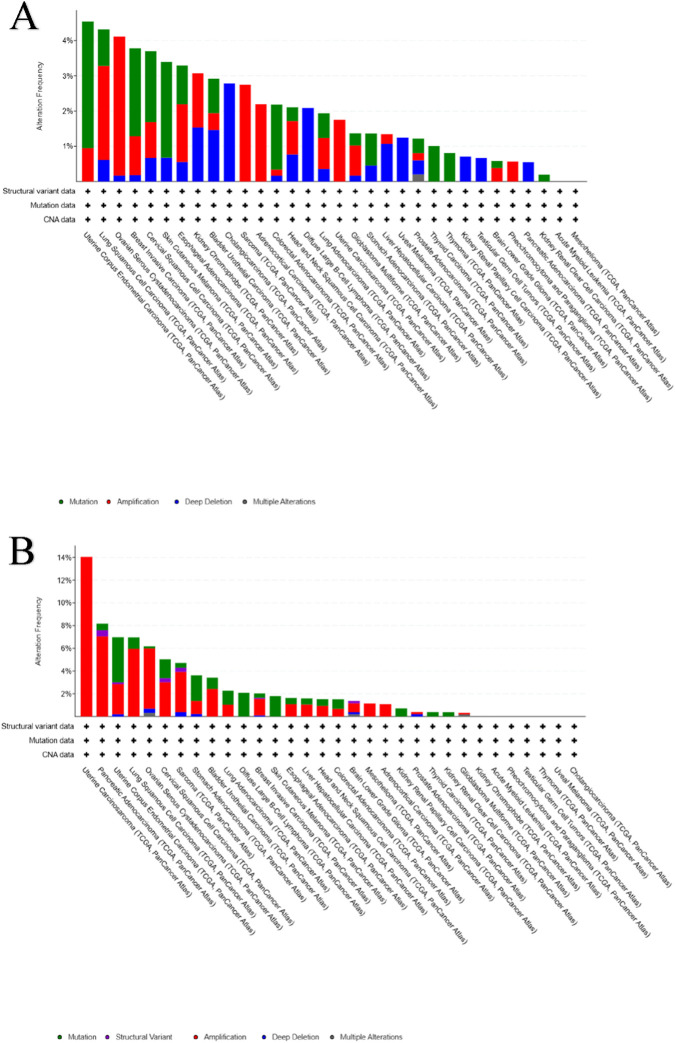 Figure 5
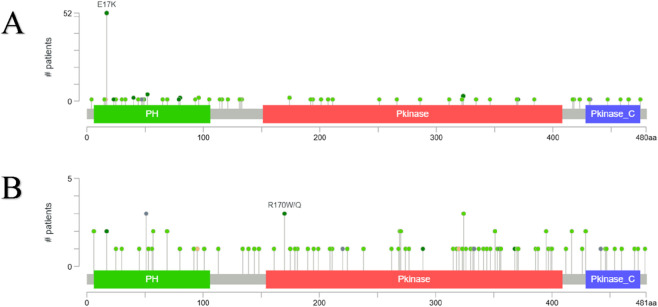 Figure 6
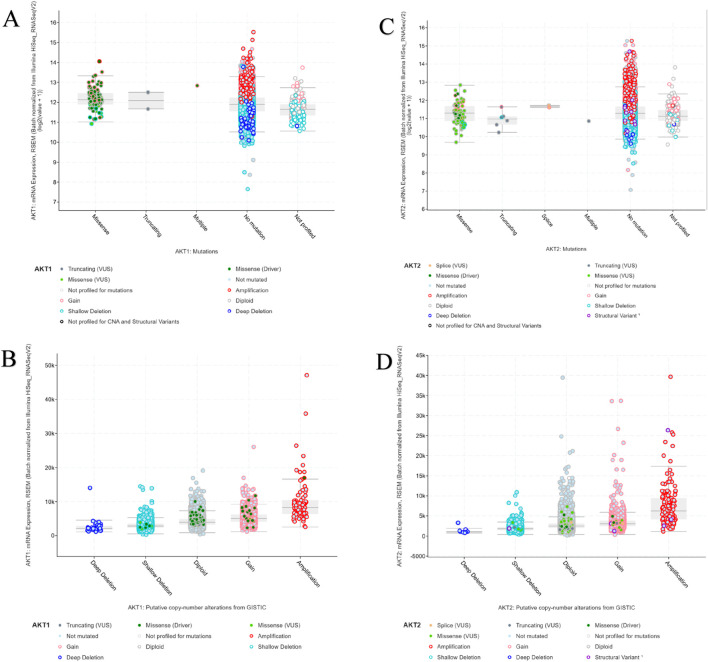 Figure 7
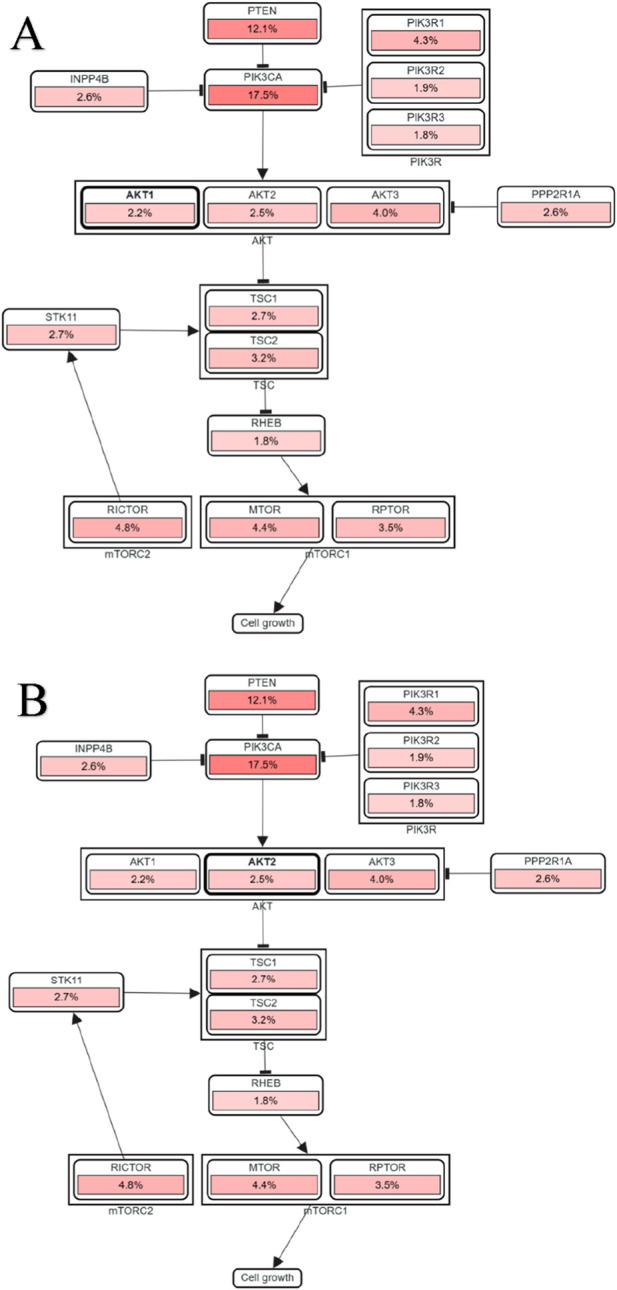 Figure 8
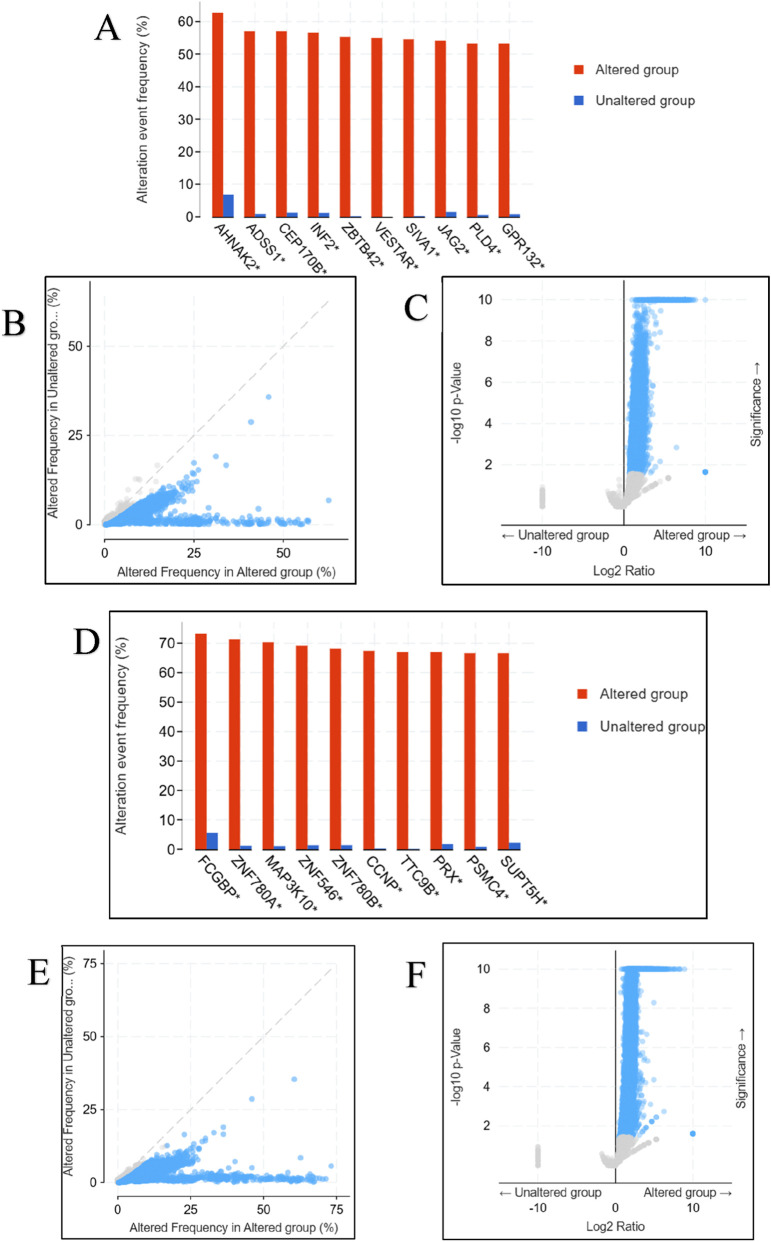 Figure 9
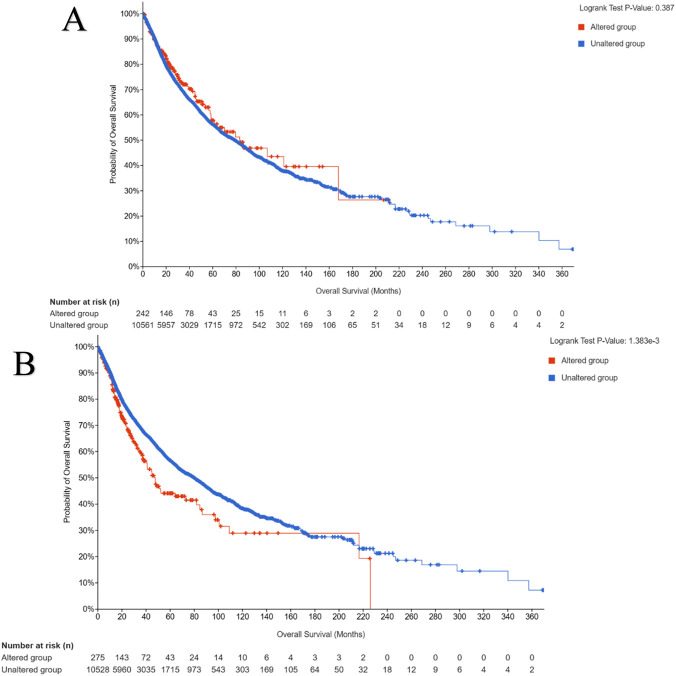 Figure 10
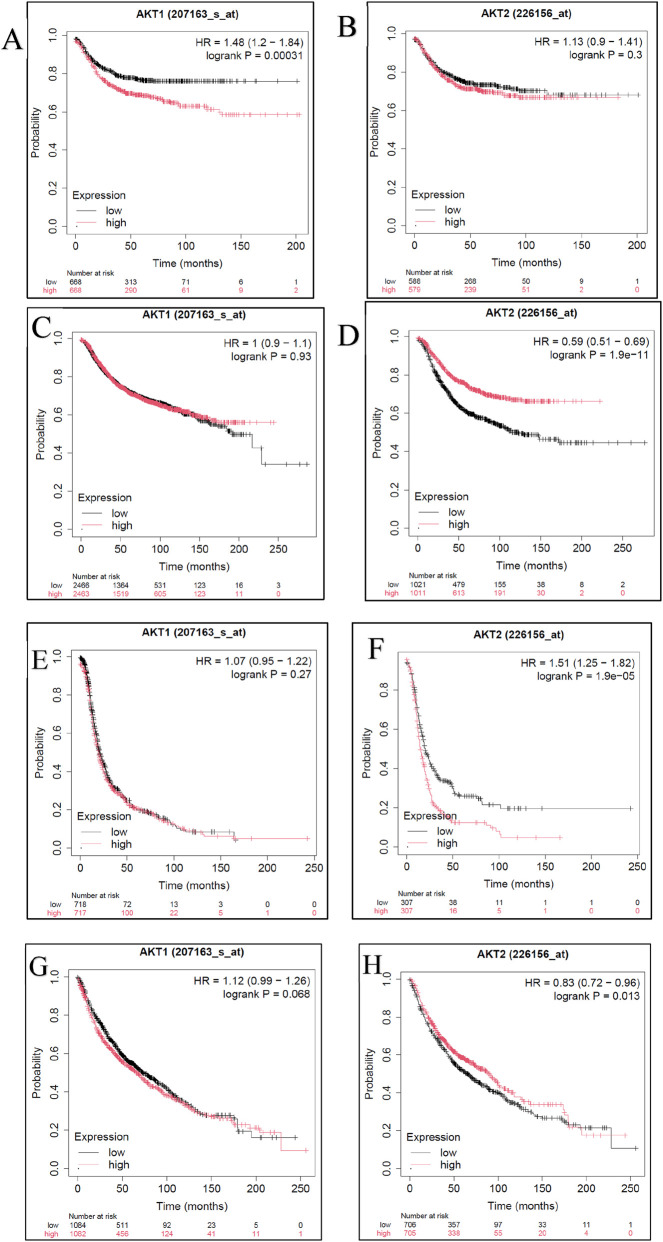 Figure 11
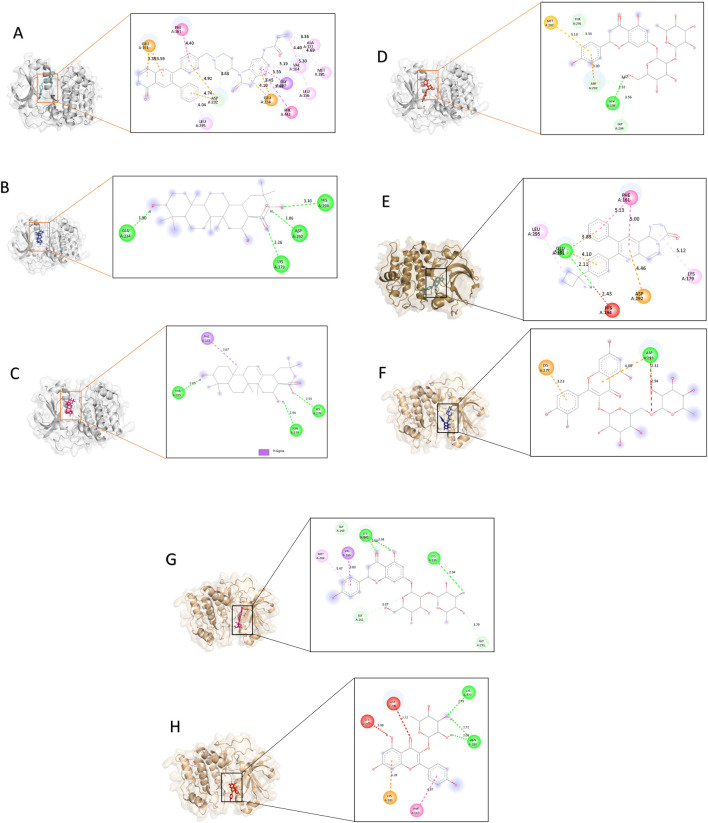 Figure 12
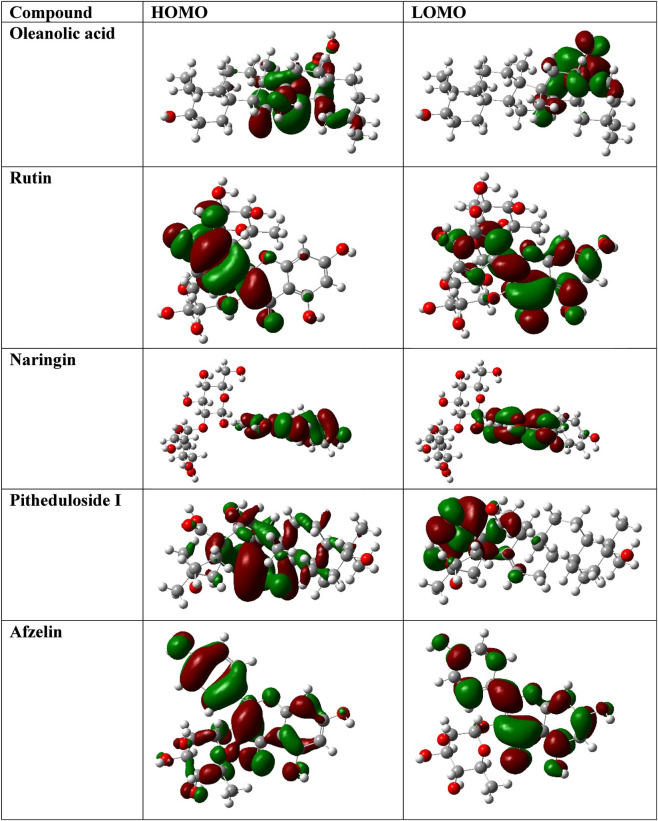 Figure 13
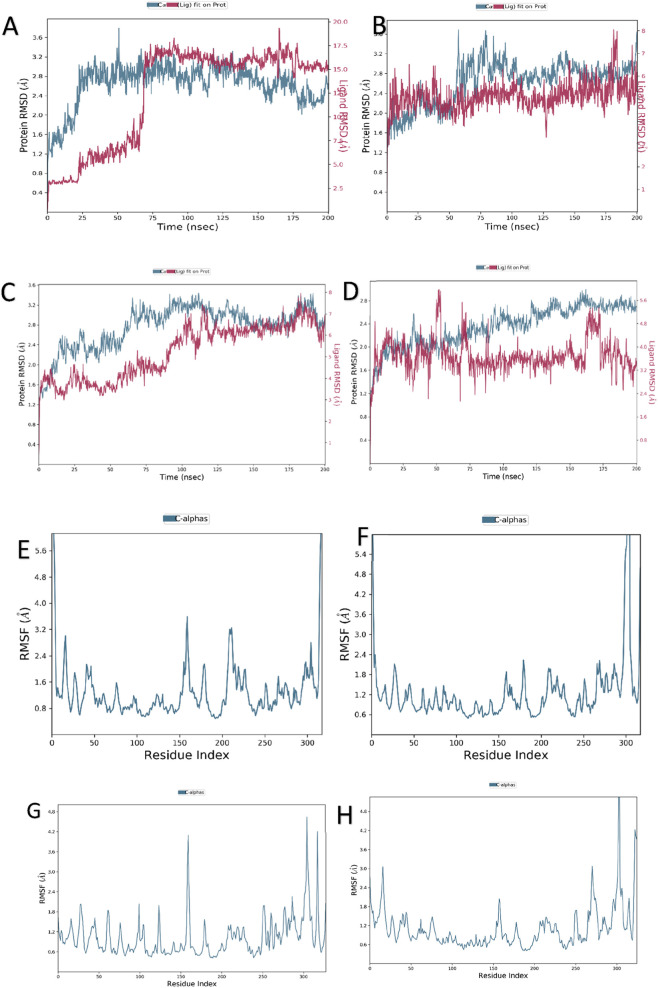 Figure 14
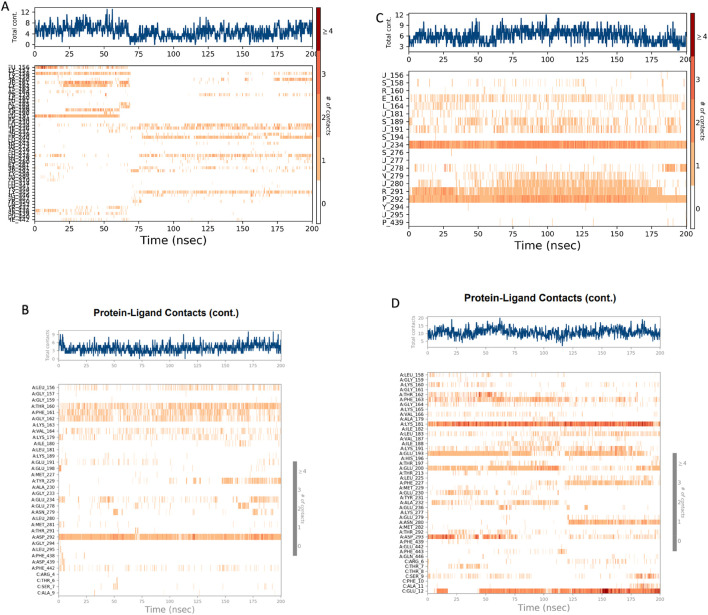 Figure 15
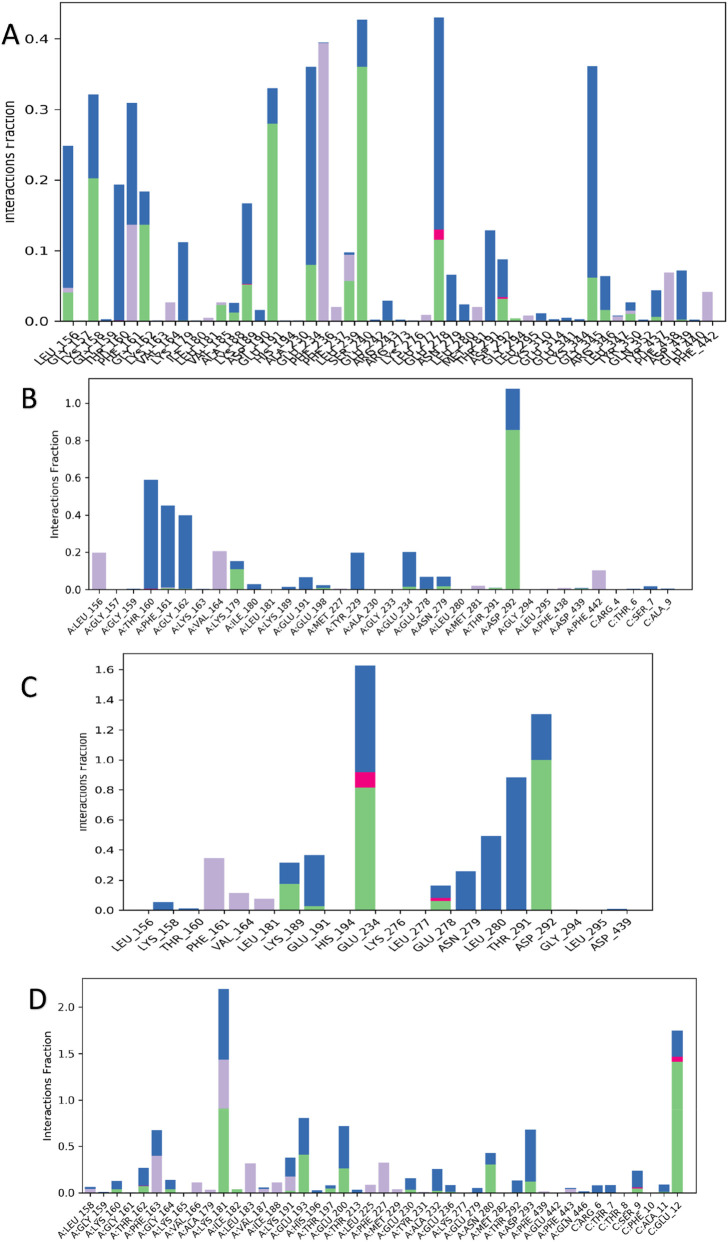 Figure 16
Peer Reviews
No public reviews on file for this paper yet. If you reviewed it on a platform where reviews are public (OpenReview, ICLR, NeurIPS, ICML), you can paste yours below so the community can read it here.
Videos
No videos yet. Explain this paper in a talk, walkthrough, or lecture? Add one.
Taxonomy
TopicsPI3K/AKT/mTOR signaling in cancer · Microbial Natural Products and Biosynthesis · Cancer therapeutics and mechanisms