Implications of phase difference and amplitude ratio from intracochlear and extracochlear electrocochleography in normal-hearing guinea pigs
Imogen A. M. L. van Beurden, Dyan Ramekers, Robert J. Stokroos, Hans G. X. M. Thomeer, Huib Versnel

TL;DR
This study explores how differences in electrical signals from inside and outside the cochlea can reveal trauma caused by cochlear implant surgery in guinea pigs.
Contribution
The study introduces a novel method using phase difference and amplitude ratio of cochlear signals to detect local cochlear trauma after implantation.
Findings
Intracochlear CM thresholds at El_Ap were significantly lower than at El_Bs.
CM amplitudes at El_Ap were much larger than at El_Ex and El_Bs across frequencies.
Four distinct patterns of CM phase difference and amplitude ratio were identified, potentially reflecting cochlear trauma.
Abstract
Electrocochleography (ECochG) can be performed extracochlearly from the round window, as well as intracochlearly from an electrode array as used in cochlear implantation. Cochlear microphonic (CM) amplitude ratio and phase difference from two fixed intracochlear electrodes may improve insight into local cochlear trauma after cochlear implantation. Six normal-hearing guinea pigs underwent cochleostomy and cochlear implantation. ECochG was recorded in response to pure tones between 0.25 and 16 kHz from one extracochlear site El_Ex and two intracochlear sites: El_Ap and El_Bs. The CM was analyzed in terms of threshold, amplitude ratio and phase difference. Regarding the analyses of the latter we focused on CM at 2 and 4 kHz. The compound action potential (CAP) was analyzed in terms of threshold and amplitude. Histological trauma and hair cell counts were determined in midmodiolar…
Genes, proteins, chemicals, diseases, species, mutations and cell lines named across the full text — each resolved to its canonical identifier and authoritative record.
Click any figure to enlarge with its caption.
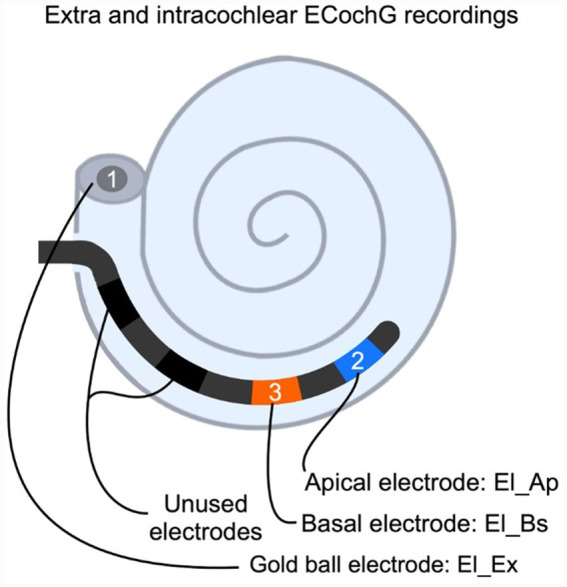 Figure 1
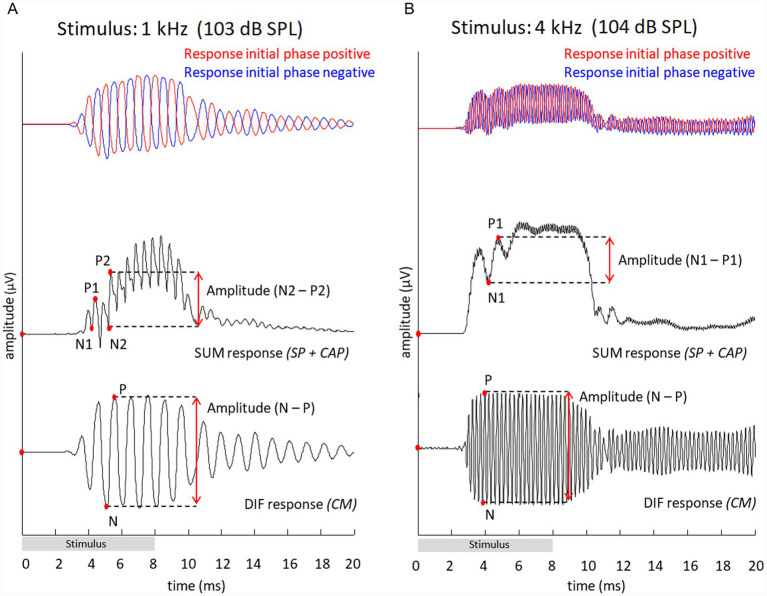 Figure 2
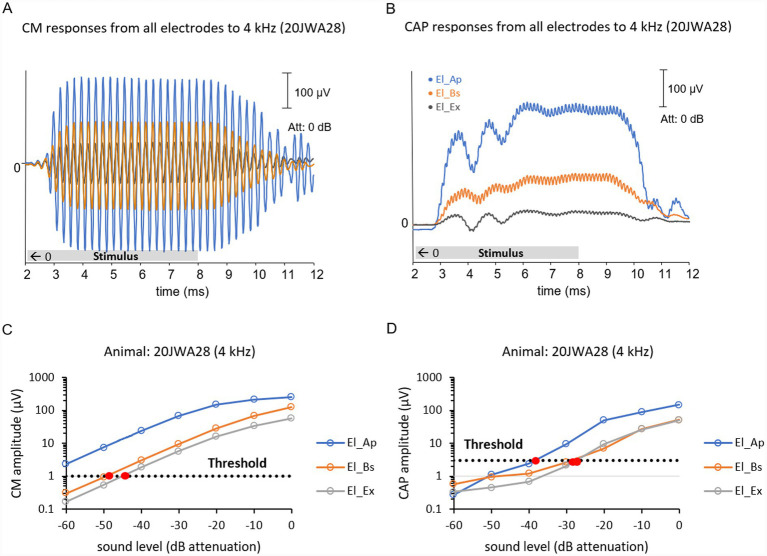 Figure 3
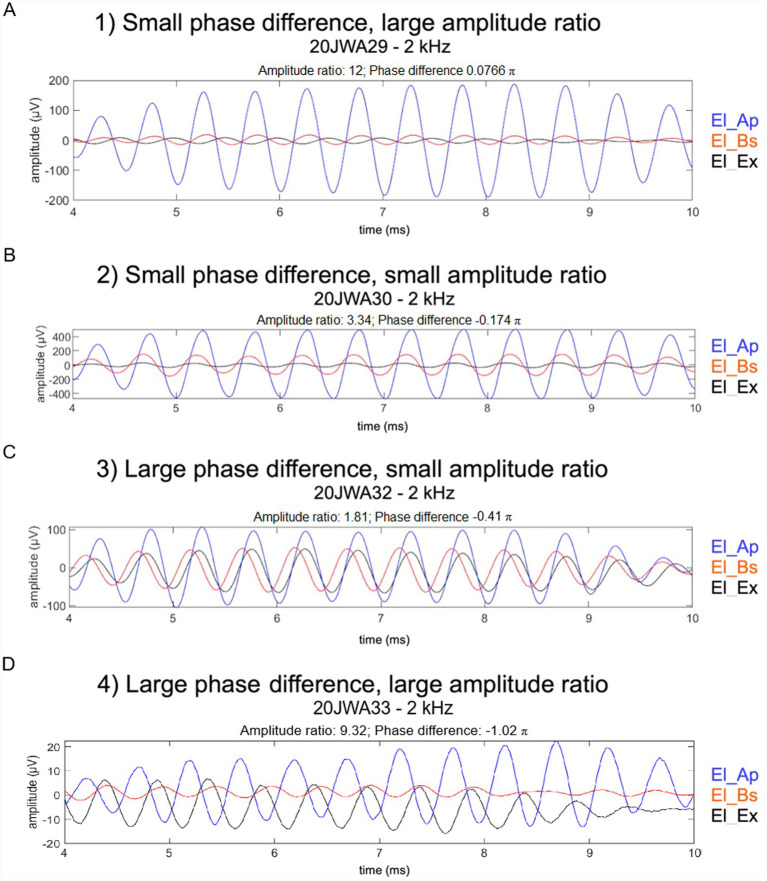 Figure 4
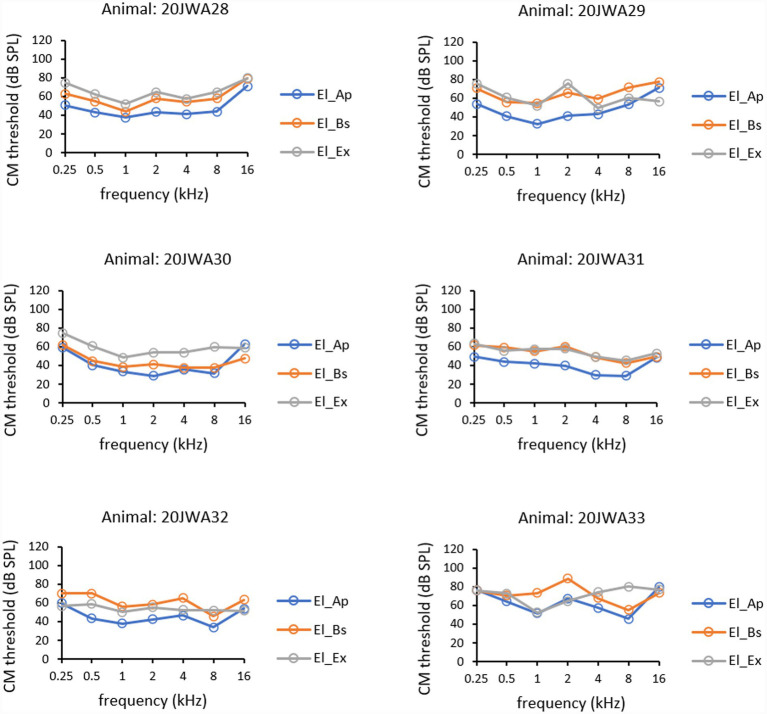 Figure 5
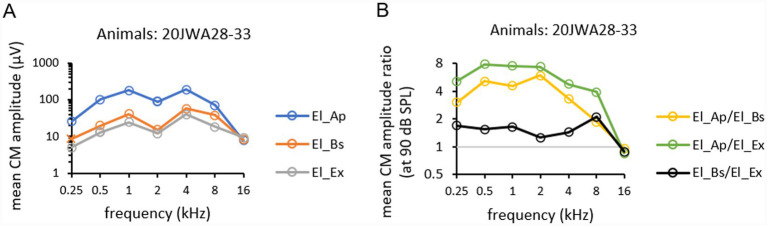 Figure 6
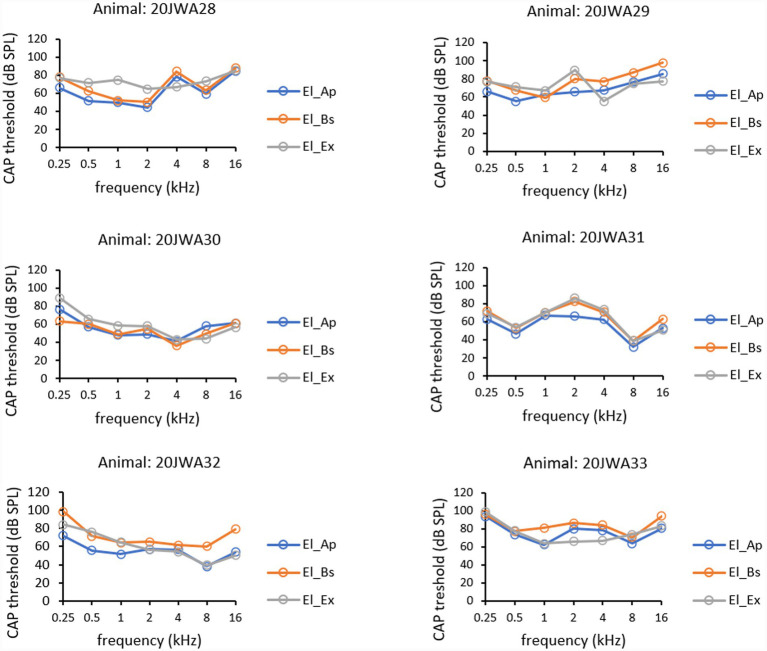 Figure 7
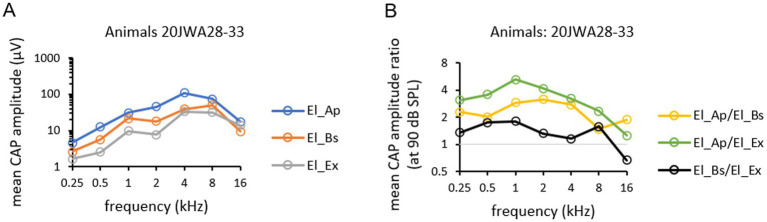 Figure 8
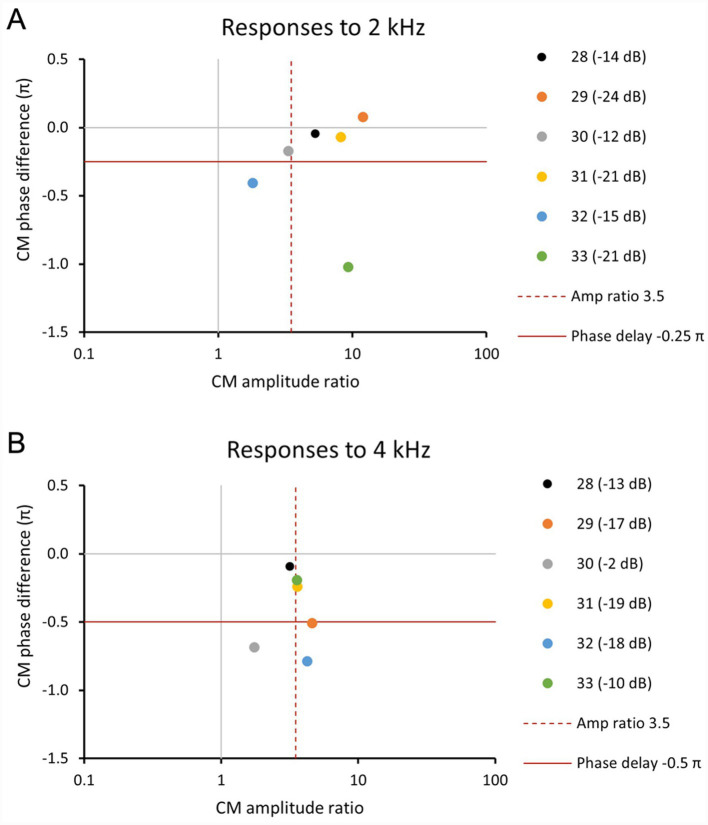 Figure 9
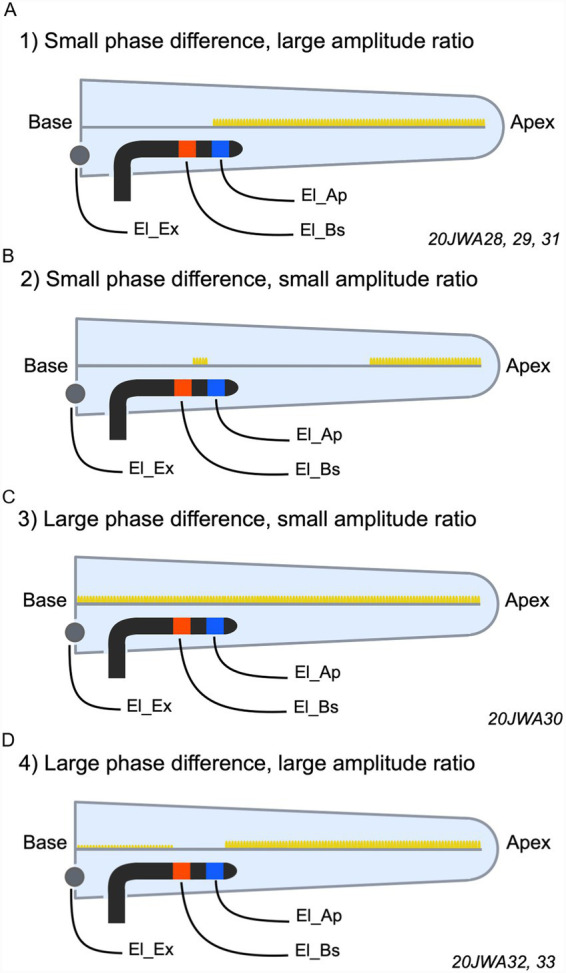 Figure 10
Peer Reviews
No public reviews on file for this paper yet. If you reviewed it on a platform where reviews are public (OpenReview, ICLR, NeurIPS, ICML), you can paste yours below so the community can read it here.
Videos
No videos yet. Explain this paper in a talk, walkthrough, or lecture? Add one.
Taxonomy
TopicsHearing, Cochlea, Tinnitus, Genetics · Hearing Loss and Rehabilitation · Human auditory perception and evaluation