Expert recommendations for setting and adjusting airway pressure release ventilation based on clinical experience and basic science evidence
Gary F. Nieman, Jason H. T. Bates, Penny L. Andrews, Louise Rose, Joseph Shiber, Joaquin Araos, Ledoux Aurelien, Maria Madden, Toni Manougian, Josh Satalin, Tero Varpula, Hassan Al-khalisy, Manjunath Markandaya, Pedro Leme Silva, Luis Felipe da Fonseca Reis, John Downs

TL;DR
Experts provided evidence-based recommendations for setting and adjusting APRV ventilation in patients with ARDS, integrating clinical experience and scientific evidence.
Contribution
A novel expert consensus protocol for optimizing APRV settings in acute lung injury based on clinical and scientific evidence.
Findings
Initial APRV settings include PHigh based on plateau or peak pressure, THigh matching conventional respiratory rate, PLow at 0 cmH2O, and TLow calculated from expiratory flow.
Recommendations emphasize titration of APRV settings in response to lung physiology changes to prevent gas exchange impairment and lung instability.
The protocol integrates clinical experience and scientific evidence to improve outcomes in patients with ARDS or increased lung elastance.
Abstract
We conducted a roundtable discussion and provided evidence-based guidance on the setting and adjustment of Airway Pressure Release Ventilation (APRV) in adult patients with acute respiratory distress syndrome (ARDS). A panel of clinicians and basic scientists with extensive experience in lung physiology and using APRV was assembled to provide expert consensus guidance. The panel first established and agreed upon guiding principles for optimal APRV settings. To support consensus discussions, we then reviewed the literature on the physiological basis of APRV as a lung-protective ventilation strategy, as well as published APRV research. Finally, we held a one-day meeting and conducted robust, iterative consensus discussions using the Nominal Group Technique to reach agreement on the optimal APRV settings. This work represents an Expert Recommendation and Position Statement rather than a…
Genes, proteins, chemicals, diseases, species, mutations and cell lines named across the full text — each resolved to its canonical identifier and authoritative record.
Click any figure to enlarge with its caption.
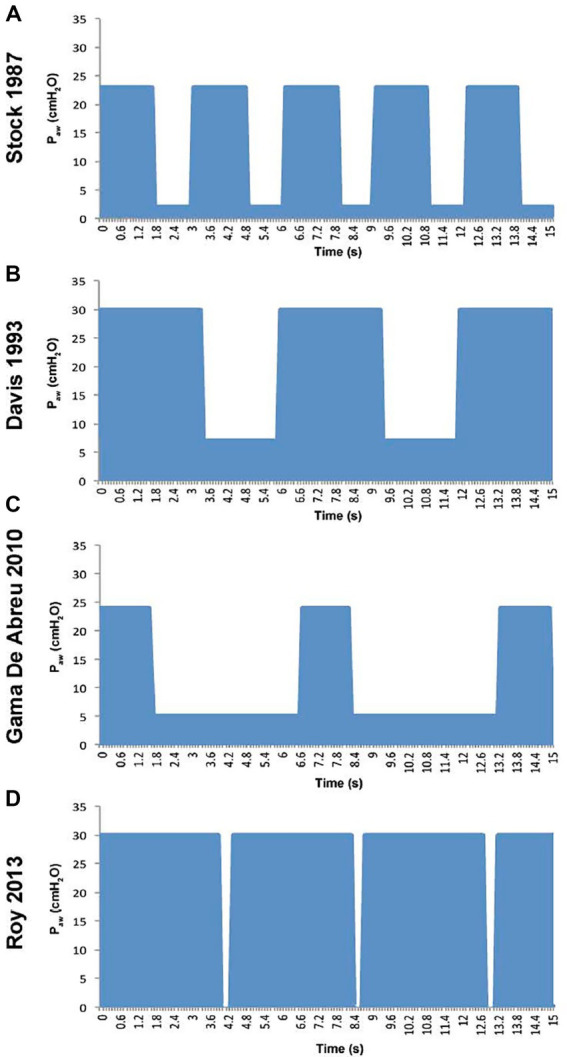 Figure 1
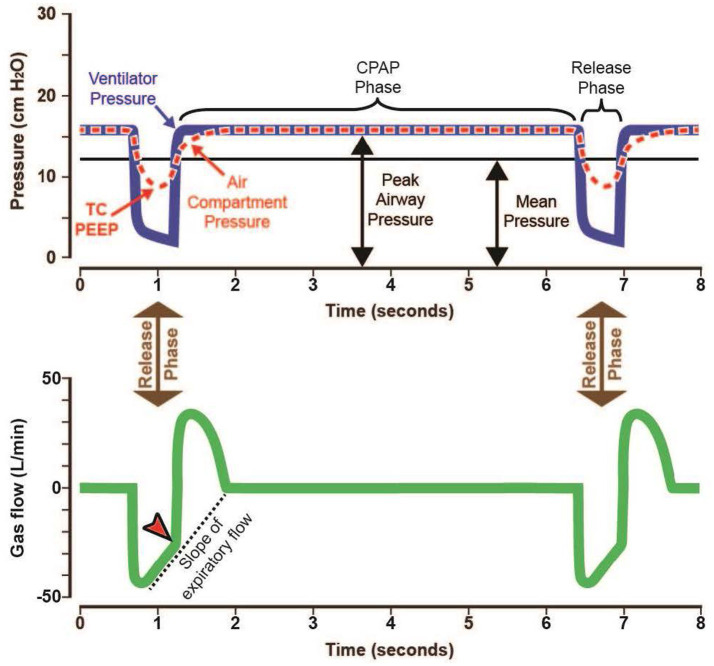 Figure 2
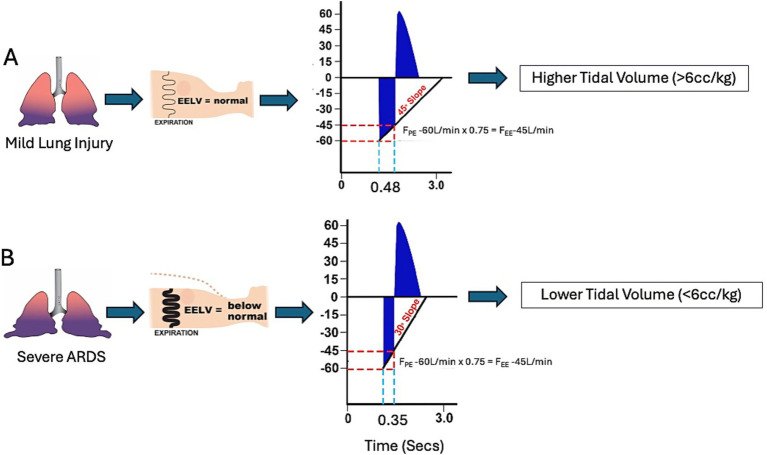 Figure 3
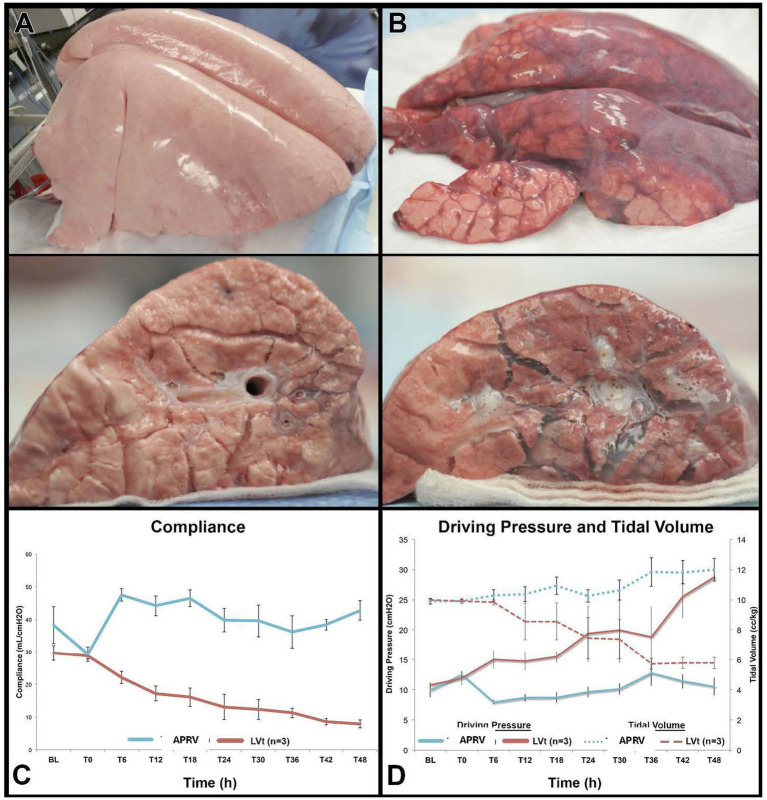 Figure 4
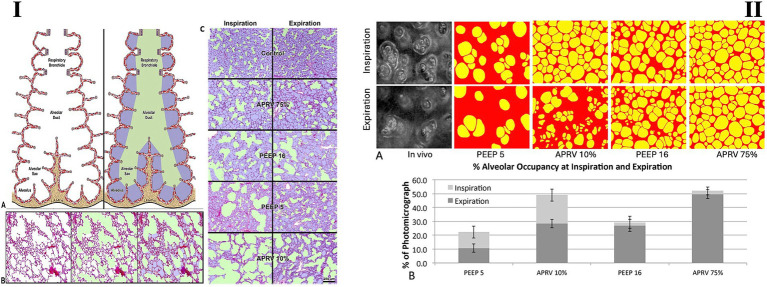 Figure 5
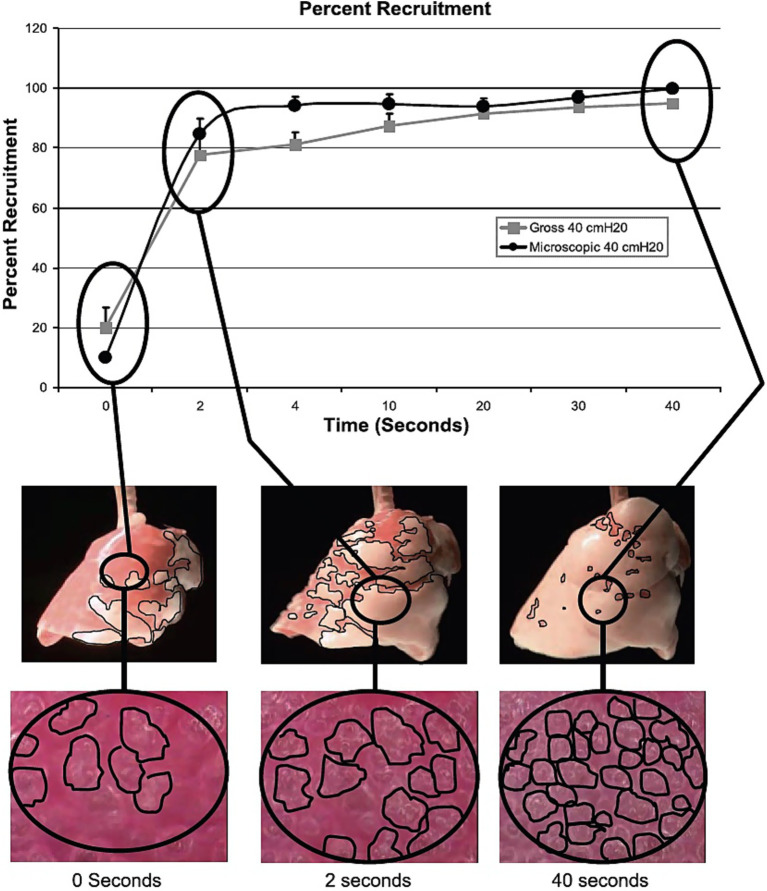 Figure 6
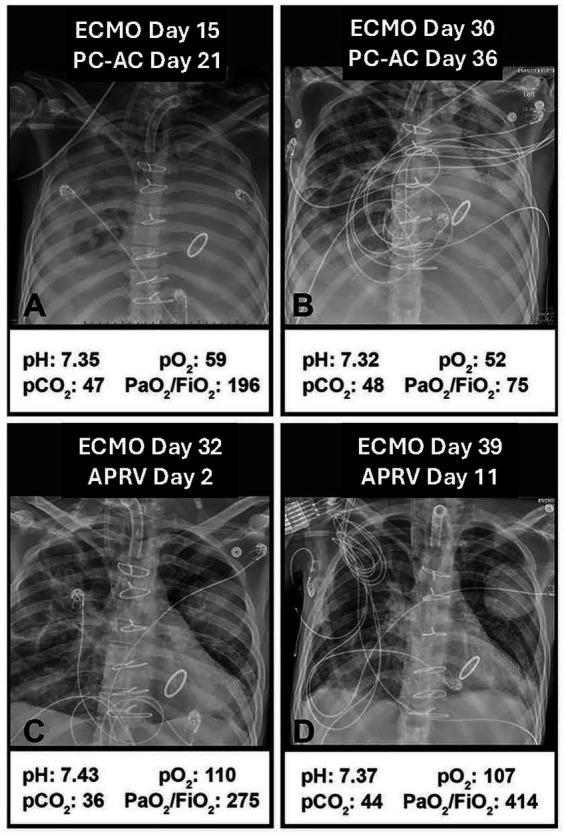 Figure 7
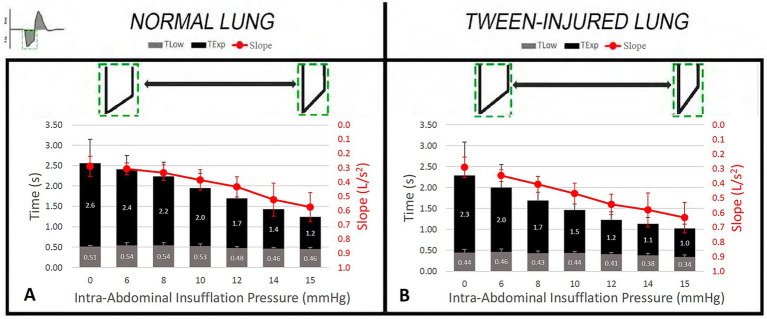 Figure 8
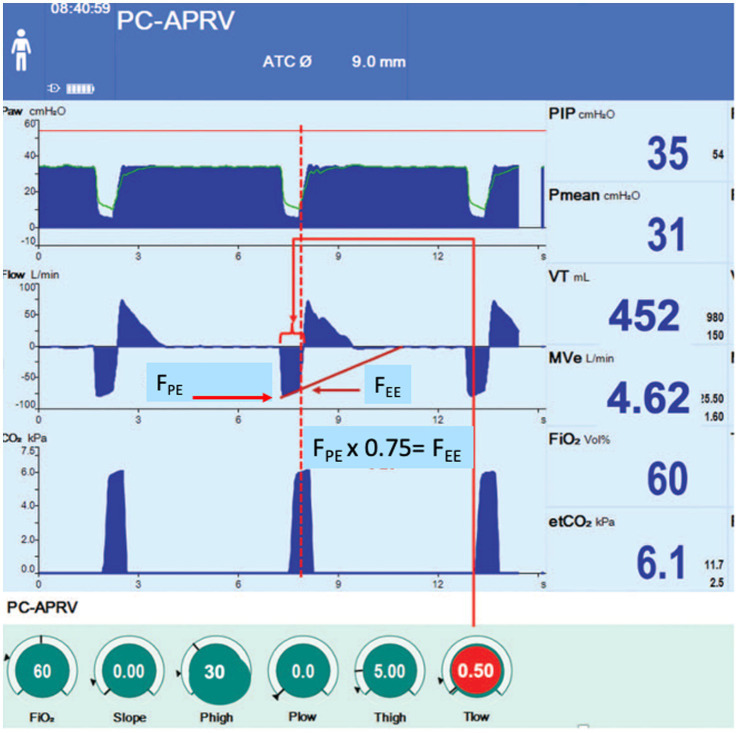 Figure 9
 Figure 10
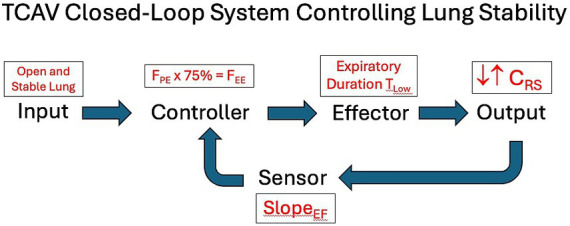 Figure 11
Peer Reviews
No public reviews on file for this paper yet. If you reviewed it on a platform where reviews are public (OpenReview, ICLR, NeurIPS, ICML), you can paste yours below so the community can read it here.
Videos
No videos yet. Explain this paper in a talk, walkthrough, or lecture? Add one.
Taxonomy
TopicsRespiratory Support and Mechanisms · Nosocomial Infections in ICU · Intensive Care Unit Cognitive Disorders