Dietary dihydroquercetin alleviates age-related cognitive impairment in association with modulation of apoptosis and pyroptosis pathways
Yongchang Zeng, Dandan Xu, Xinping Li, Qianqian Jiang, Shaoyu Liang

TL;DR
Dihydroquercetin, a natural flavonoid, may help reduce age-related cognitive decline by reducing brain inflammation and cell death pathways.
Contribution
This study demonstrates DHQ's novel therapeutic potential in mitigating age-related cognitive impairment via modulation of apoptosis and pyroptosis.
Findings
DHQ improved learning and memory in aged rats and reduced hippocampal neuronal damage.
DHQ suppressed neuroinflammation and modulated key proteins in apoptosis and pyroptosis pathways.
Molecular docking suggests DHQ interacts with targets in apoptotic and pyroptotic pathways.
Abstract
With the intensification of population aging, age-related cognitive decline has emerged as a significant global health issue. Neuroinflammation, neuronal apoptosis, and pyroptosis have been identified as key factors in neuronal loss, a hallmark of age-related neurodegenerative conditions. Dihydroquercetin (DHQ), a natural flavonoid and a new food resource, demonstrates remarkable antioxidant and anti-inflammatory properties; however, its capacity to mitigate cognitive impairment in context of apoptosis and pyroptosis remains to be fully elucidated. In this study, an ageing rat modelling by intraperitoneal injection of D-galactose was utilised to assess the therapeutic potential of DHQ. A comprehensive analytical technique, incorporating behavioural tests, TCM symptom scoring, histopathological evaluation (Hematoxylin-eosin staining and Nissl staining), ELISA, Western blotting, and…
Genes, proteins, chemicals, diseases, species, mutations and cell lines named across the full text — each resolved to its canonical identifier and authoritative record.
Click any figure to enlarge with its caption.
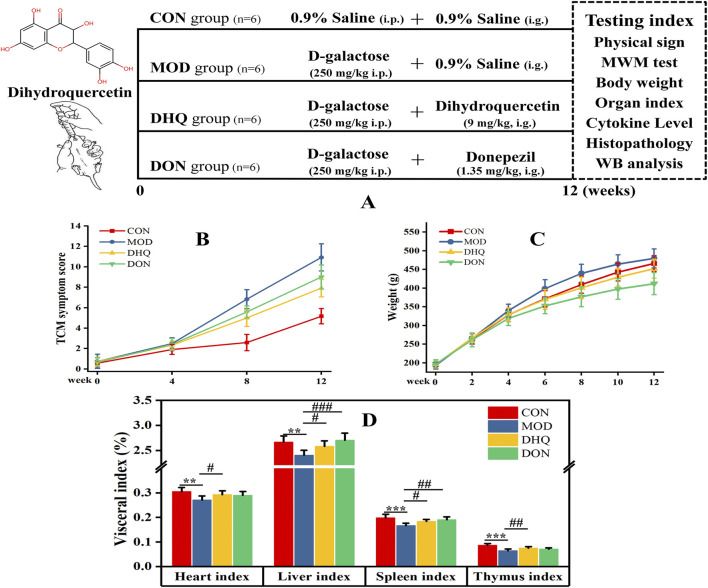 Figure 1
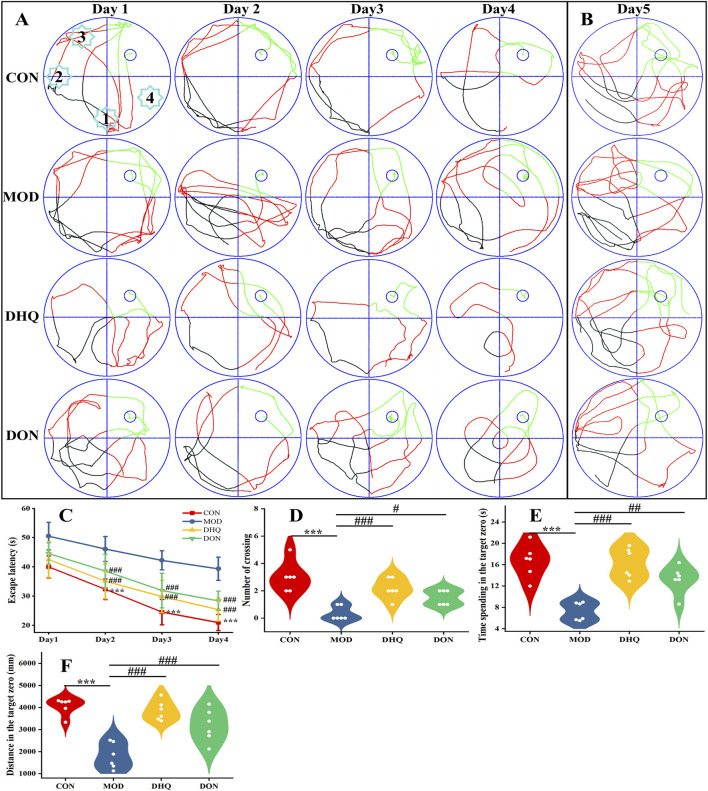 Figure 2
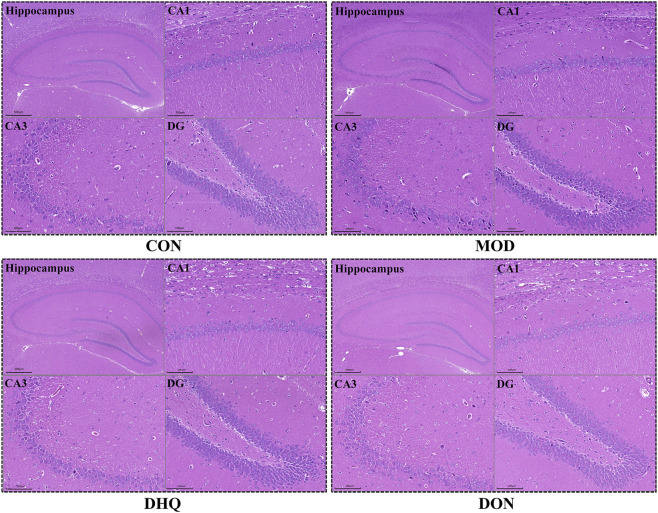 Figure 3
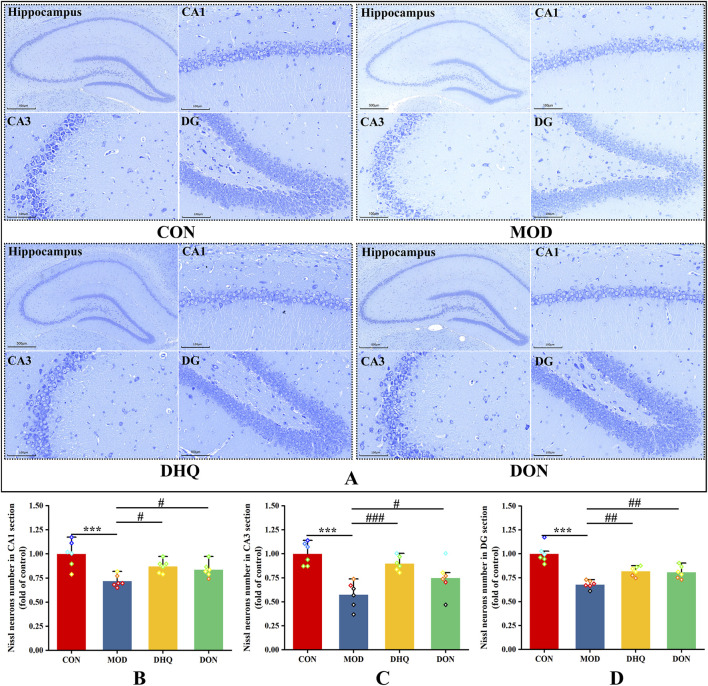 Figure 4
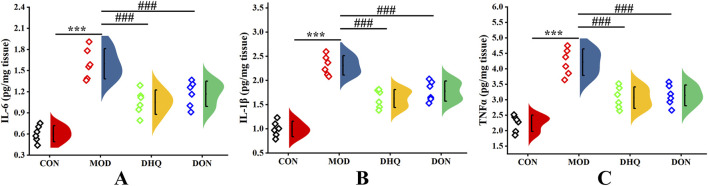 Figure 5
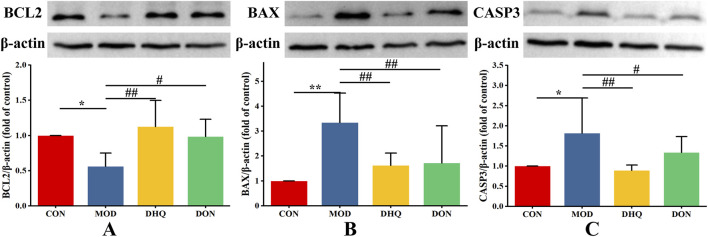 Figure 6
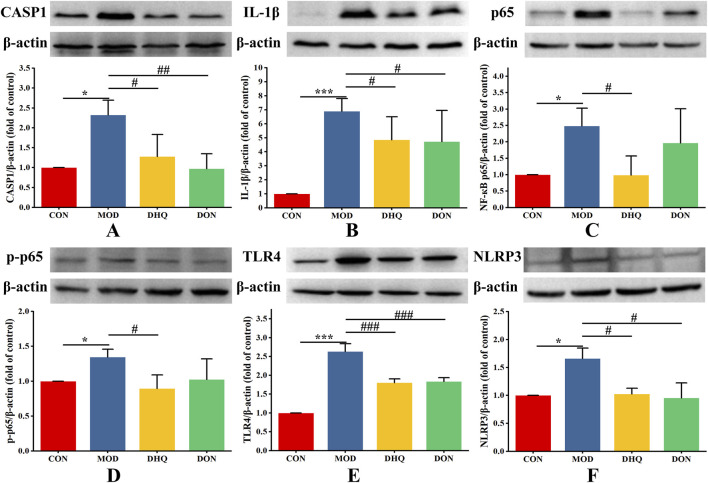 Figure 7
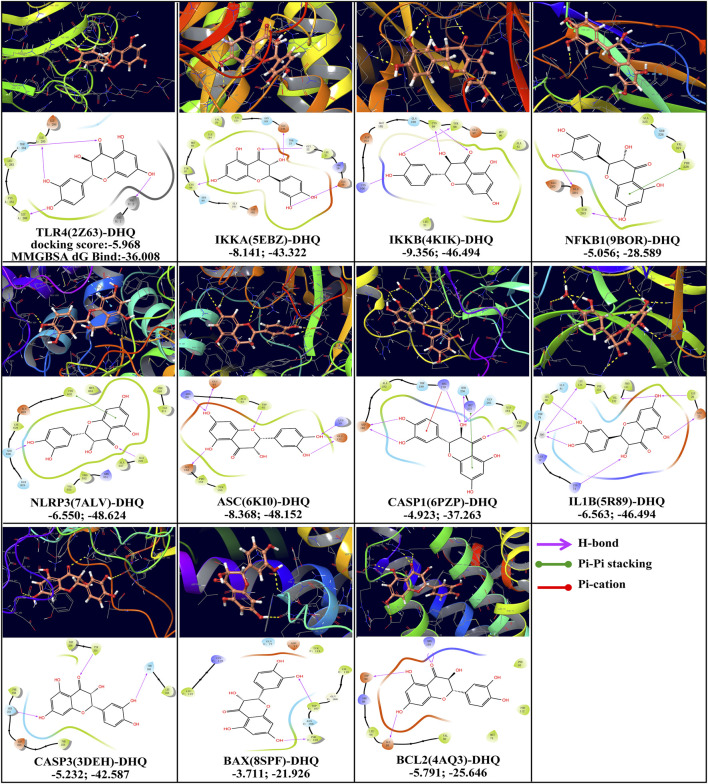 Figure 8
Peer Reviews
No public reviews on file for this paper yet. If you reviewed it on a platform where reviews are public (OpenReview, ICLR, NeurIPS, ICML), you can paste yours below so the community can read it here.
Videos
No videos yet. Explain this paper in a talk, walkthrough, or lecture? Add one.
Taxonomy
TopicsInflammasome and immune disorders · Antioxidants, Aging, Portulaca oleracea · Tryptophan and brain disorders