Correlation between the osteoporosis self-assessment tool for Asians index and QCT-derived bone parameters: a cross-sectional analysis of lumbar spine mineral density and content
Cheng Li, Yang Lin, Wenyong Jiang, Ye Wang, Xuehui Chang, Fan Yang

TL;DR
This study finds that the OSTA index correlates with QCT-measured bone density and content in the lumbar spine, suggesting its usefulness in identifying high-risk patients for osteoporosis.
Contribution
The study establishes moderate correlations between the OSTA index and QCT-derived bone parameters and proposes diagnostic thresholds for osteoporosis.
Findings
OSTA index moderately correlates with QCT-BMD and QCT-BMC (P < 0.01).
QCT-BMC AUCs of 0.712 (men) and 0.745 (women) indicate moderate diagnostic value for osteoporosis.
Optimal cutoffs for osteoporosis diagnosis are 663.86 mg (men) and 521.65 mg (women).
Abstract
To correlate the Osteoporosis Self-assessment Tool for Asians (OSTA) index with lumbar QCT-measured bone mineral density (BMD) and bone mineral content (BMC), and assess its utility in evaluating lumbar spine BMD/BMC. From Jan 2023 to Jun 2024, 366 patients scheduled for lumbar spine surgery were enrolled. All underwent lumbar CT, QCT, and DXA. Spearman correlation analyzed OSTA vs. QCT-BMD and QCT-BMC. Patients were categorized by DXA T-scores into osteoporotic or non-osteoporotic groups. ROC curves were plotted to determine AUC, optimal cutoff, sensitivity, and specificity. The OSTA index showed a moderate, statistically significant correlation with QCT-BMD and QCT-BMC (P < 0.01). Based on DXA diagnosis, QCT-BMC yielded AUCs of 0.712 (men) and 0.745 (women) for osteoporosis, indicating moderate diagnostic value. The optimal cutoffs were 663.86 mg for men and 521.65 mg for women,…
Genes, proteins, chemicals, diseases, species, mutations and cell lines named across the full text — each resolved to its canonical identifier and authoritative record.
Click any figure to enlarge with its caption.
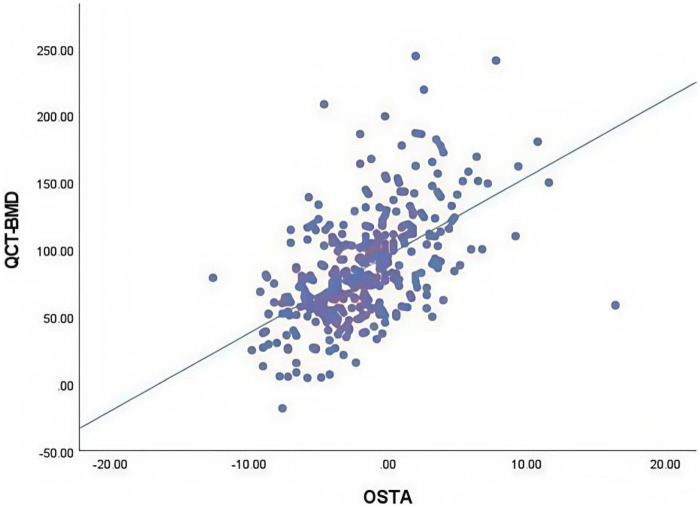 Figure 1
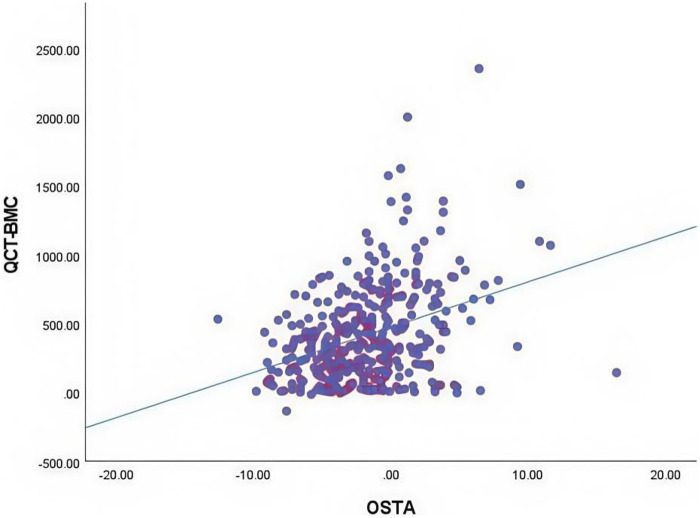 Figure 2
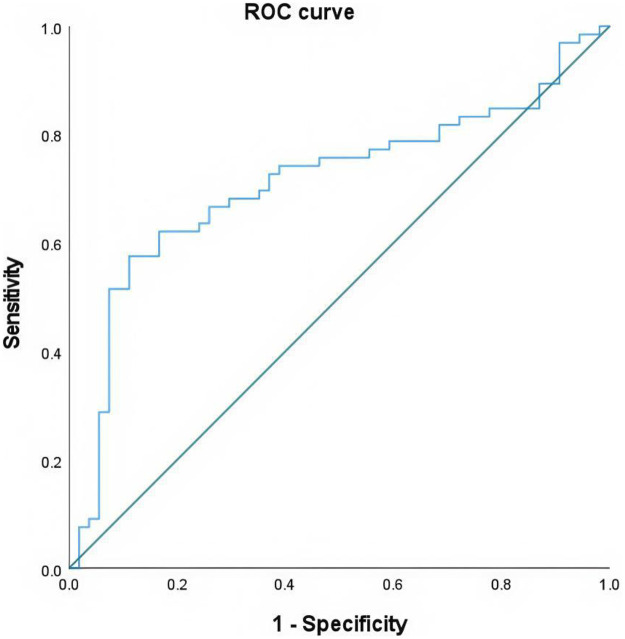 Figure 3
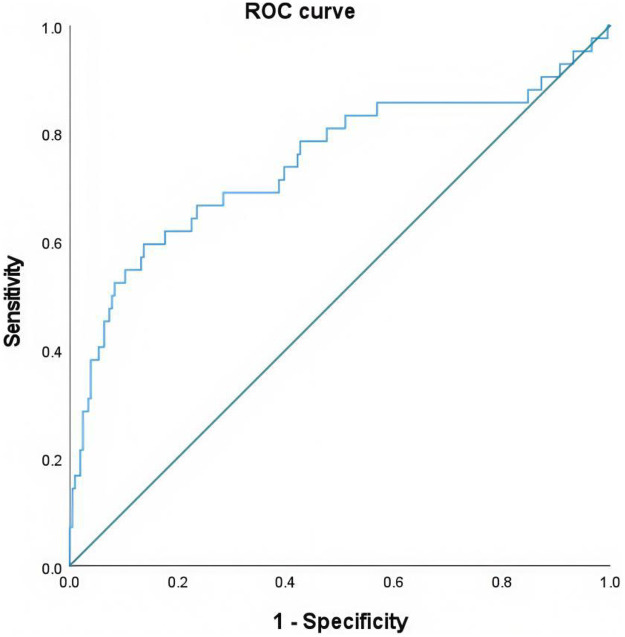 Figure 4
Peer Reviews
No public reviews on file for this paper yet. If you reviewed it on a platform where reviews are public (OpenReview, ICLR, NeurIPS, ICML), you can paste yours below so the community can read it here.
Videos
No videos yet. Explain this paper in a talk, walkthrough, or lecture? Add one.
Taxonomy
TopicsBone health and osteoporosis research · Vitamin K Research Studies · Spine and Intervertebral Disc Pathology