Neurophysiological assessment of biometric patterns during semi-immersive and traditional learning experiences in the humanities
Rebeca Romo-De León, Mei Li L. Cham-Pérez, Verónica Andrea Elizondo-Villegas, Alejandro Villarreal-Villarreal, Alexandro Antonio Ortiz-Espinoza, Carol Stefany Vélez-Saboyá, Jorge de Jesús Lozoya-Santos, Manuel Cebral-Loureda, Mauricio A. Ramírez-Moreno

TL;DR
This study explores how semi-immersive technology affects learning in the humanities by analyzing physiological responses and presence perception.
Contribution
Introduces the Neurohumanities Lab as a semi-immersive educational space and identifies biometric patterns distinguishing it from traditional learning.
Findings
The experimental group showed higher perceived presence in the semi-immersive setup.
A decision tree model achieved 90% accuracy in distinguishing between learning environments.
Semi-immersive learning activated emotional and somatosensory brain regions.
Abstract
The use of immersive technologies in education has shown an improvement in the learning process of students. However, applications of these technologies in the Humanities are limited, since most studies focus on scientific fields. In this study, the Neurohumanities Lab was introduced as a semi-immersive space for teaching the Humanities. Two groups of 12 participants each performed activities under the semi-immersive and traditional classroom set-ups, while recording their physiological signals (electroencephalography, electrodermal activity, and heart rate). In both groups, the ITC-SOPI presence questionnaire was used to compare their differences in perceived presence levels, which showed a higher level in the experimental group. Machine learning algorithms were applied, concluding that the decision tree supervised learning model determined the most relevant features to distinguish…
Genes, proteins, chemicals, diseases, species, mutations and cell lines named across the full text — each resolved to its canonical identifier and authoritative record.
Click any figure to enlarge with its caption.
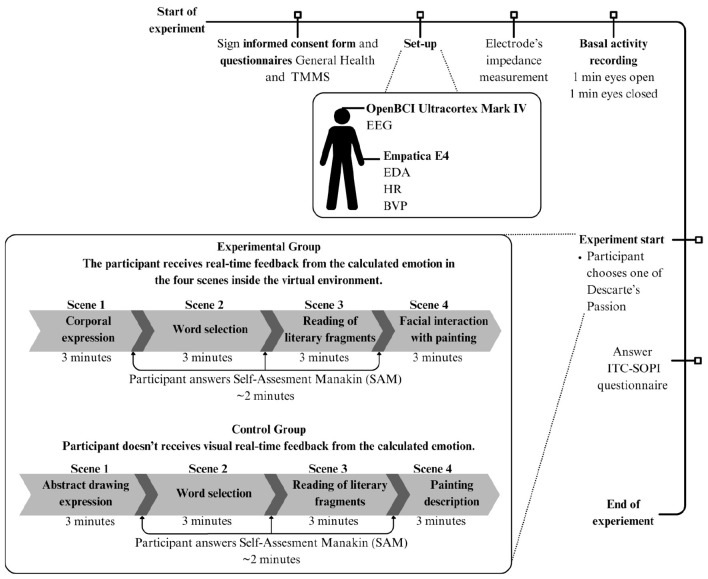 Figure 1
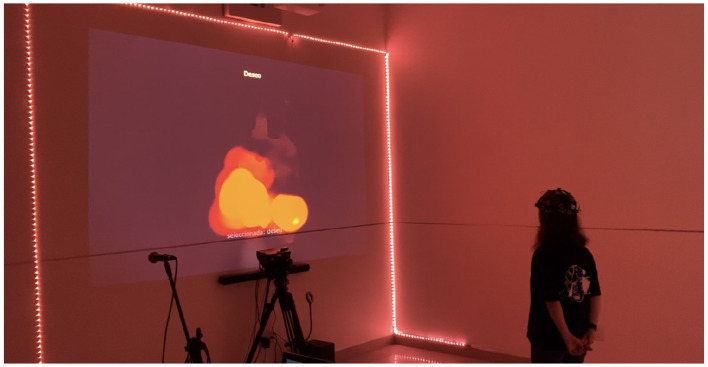 Figure 2
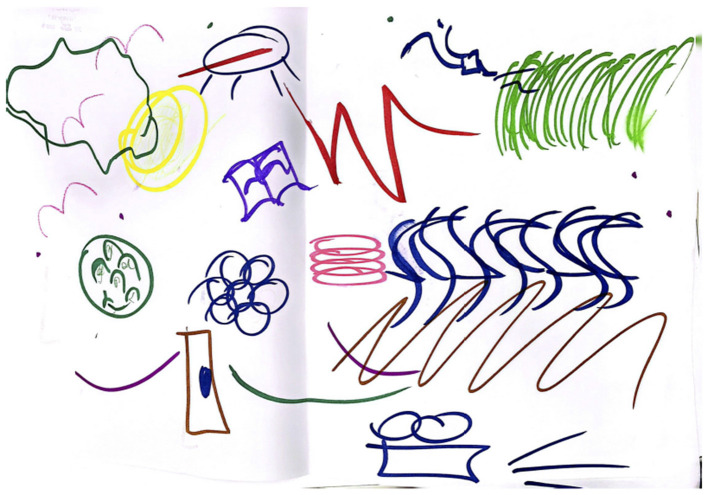 Figure 3
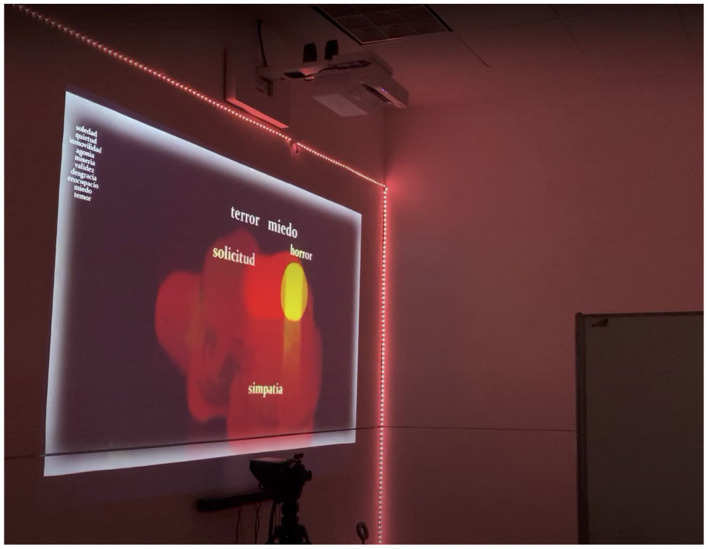 Figure 4
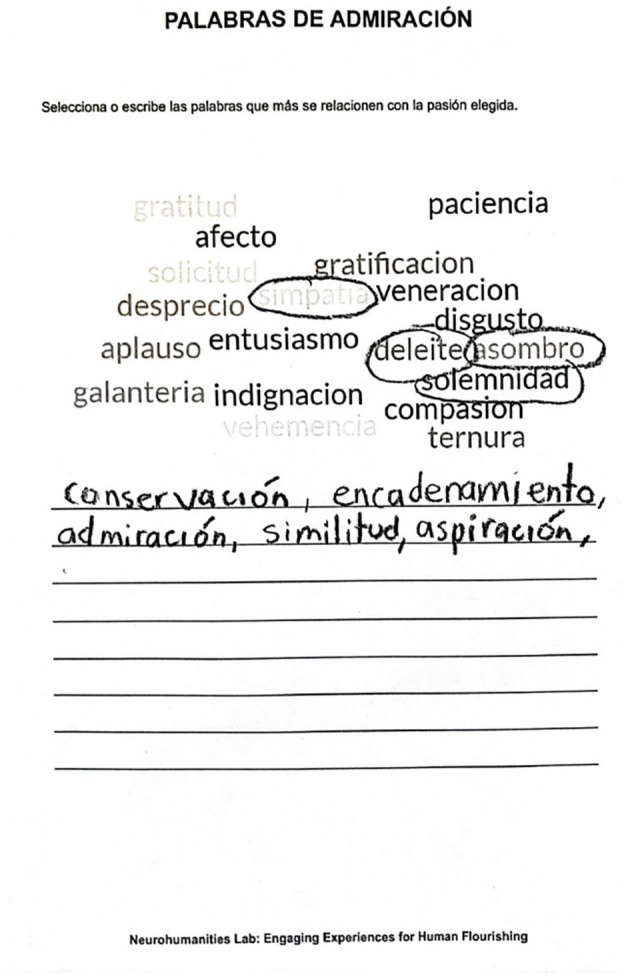 Figure 5
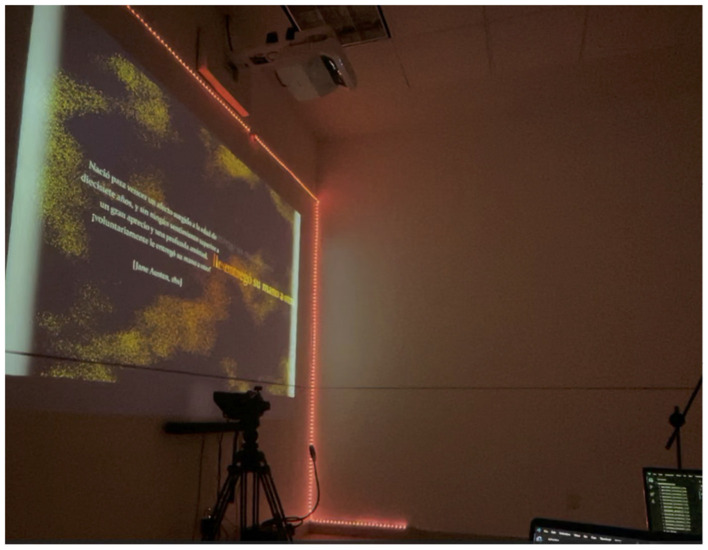 Figure 6
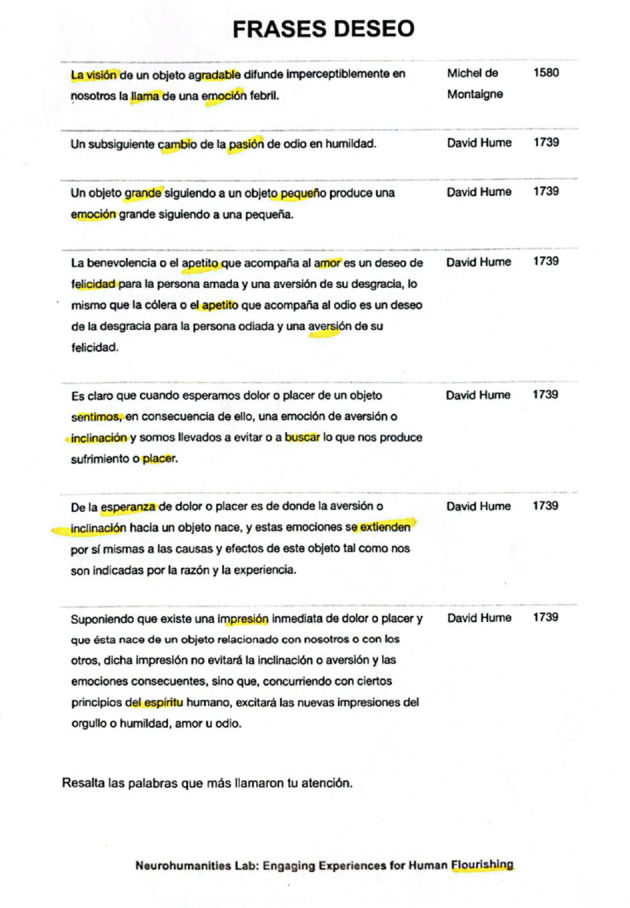 Figure 7
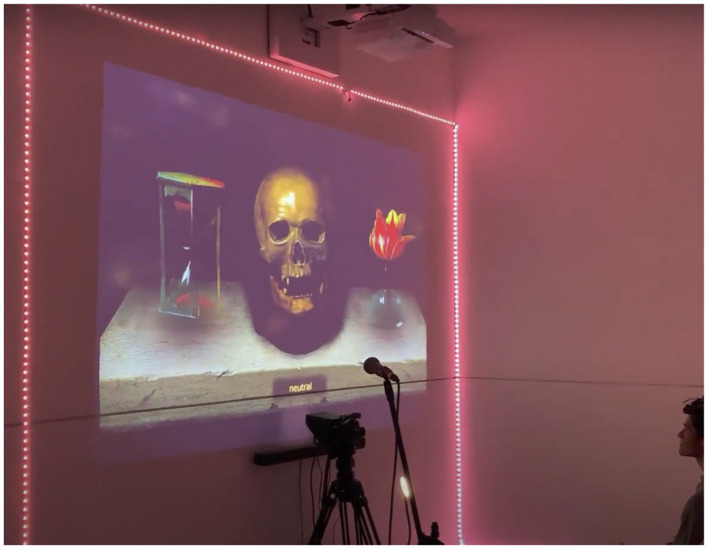 Figure 8
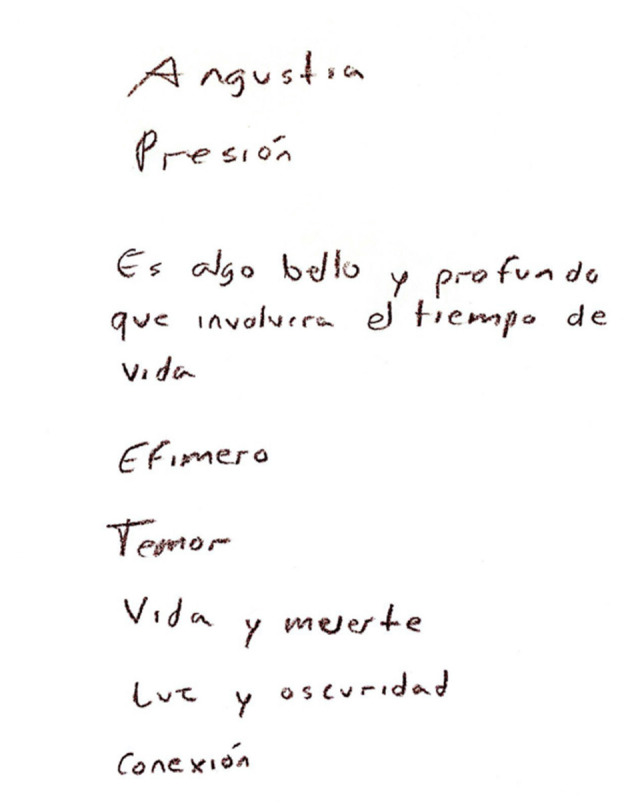 Figure 9
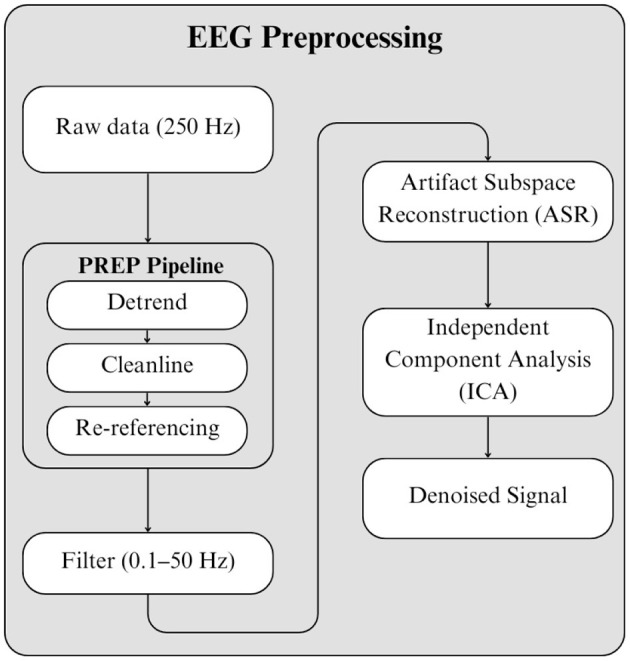 Figure 10
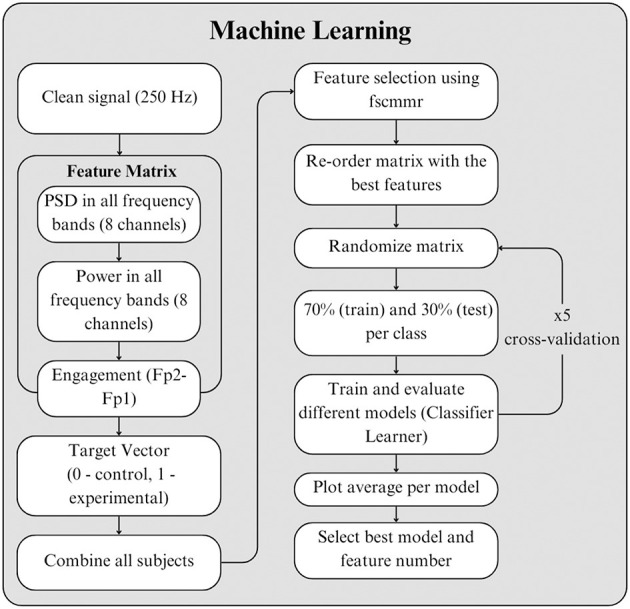 Figure 11
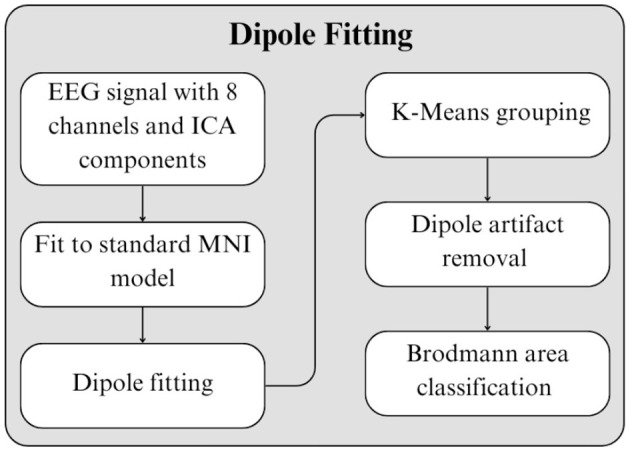 Figure 12
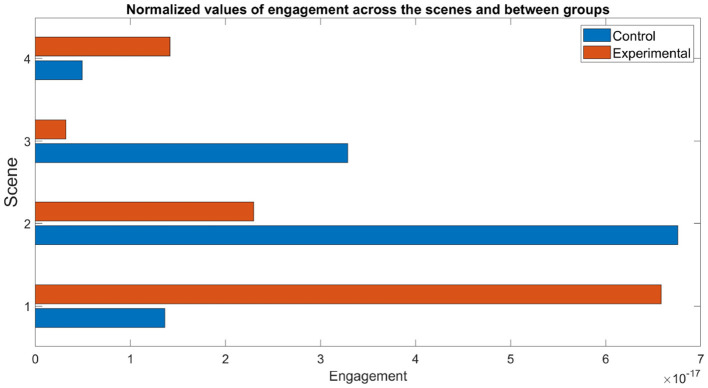 Figure 13
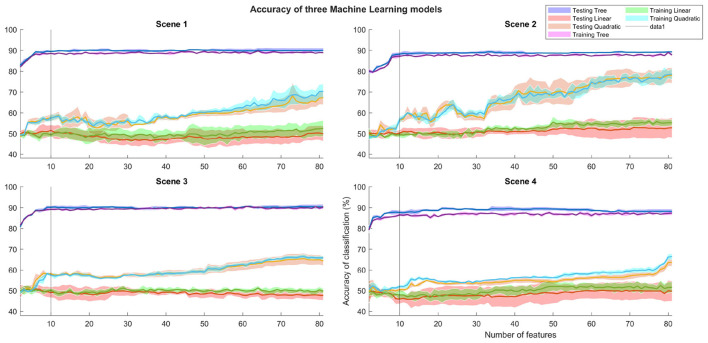 Figure 14
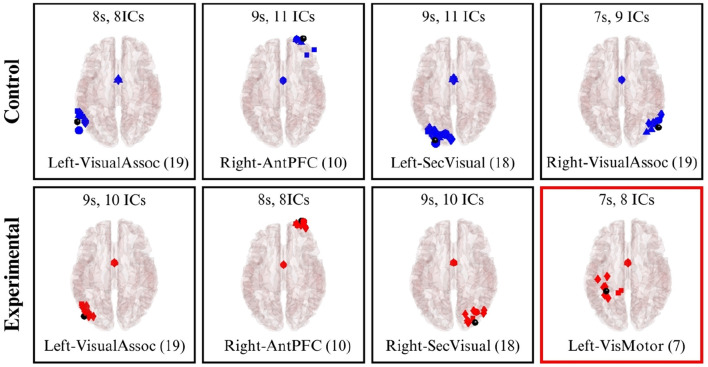 Figure 15
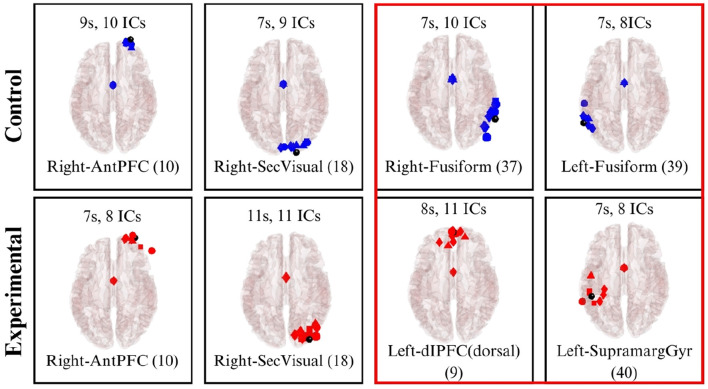 Figure 16
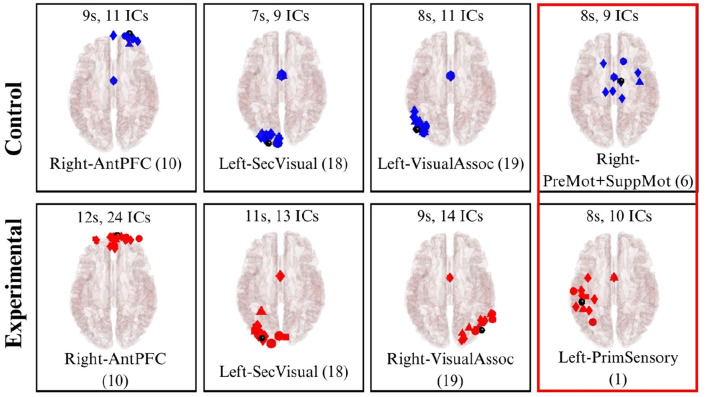 Figure 17
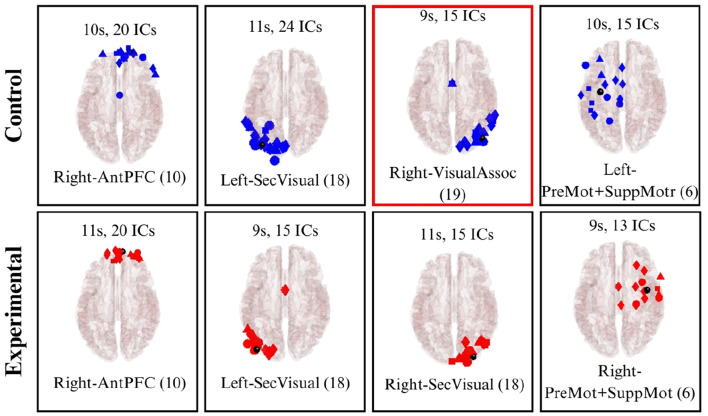 Figure 18
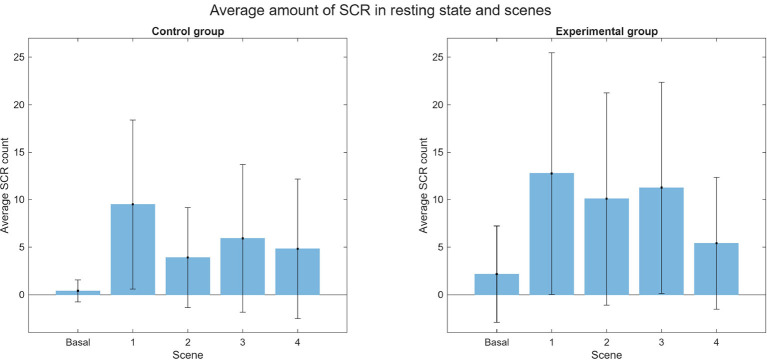 Figure 19
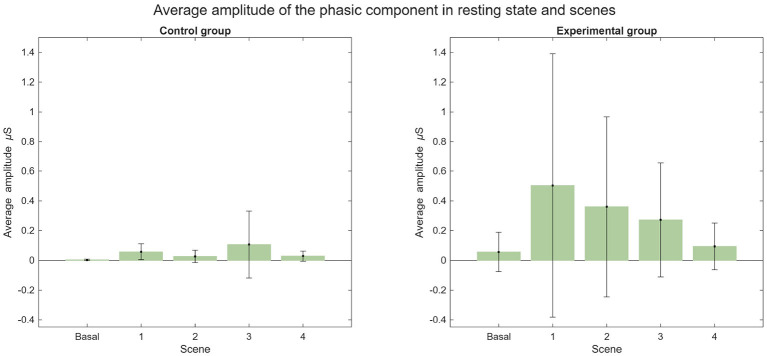 Figure 20
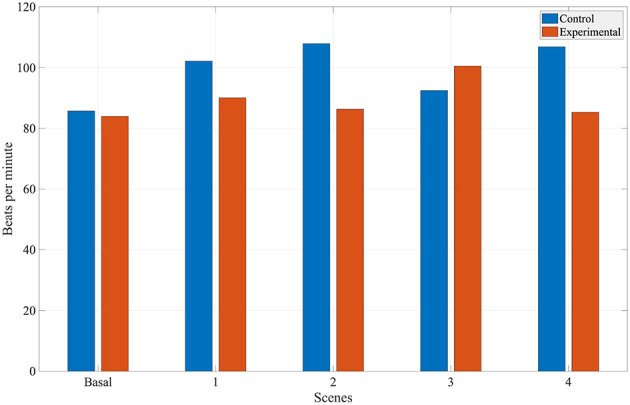 Figure 21
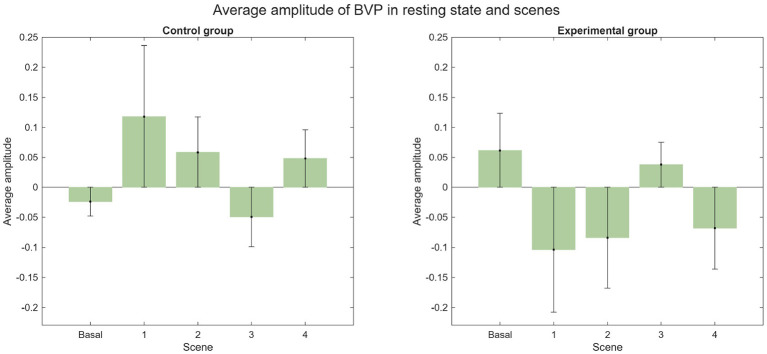 Figure 22
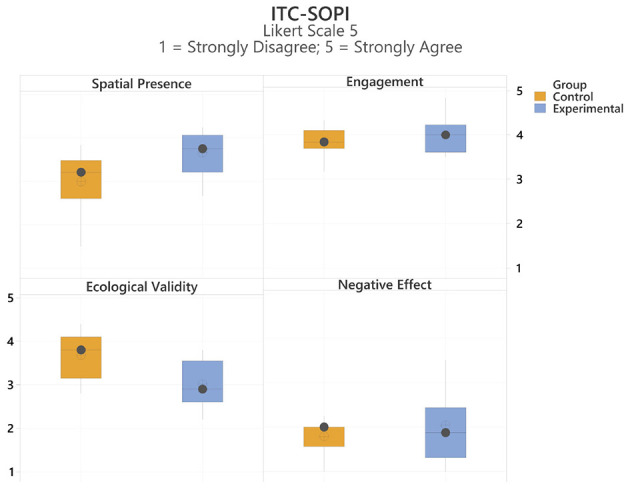 Figure 23
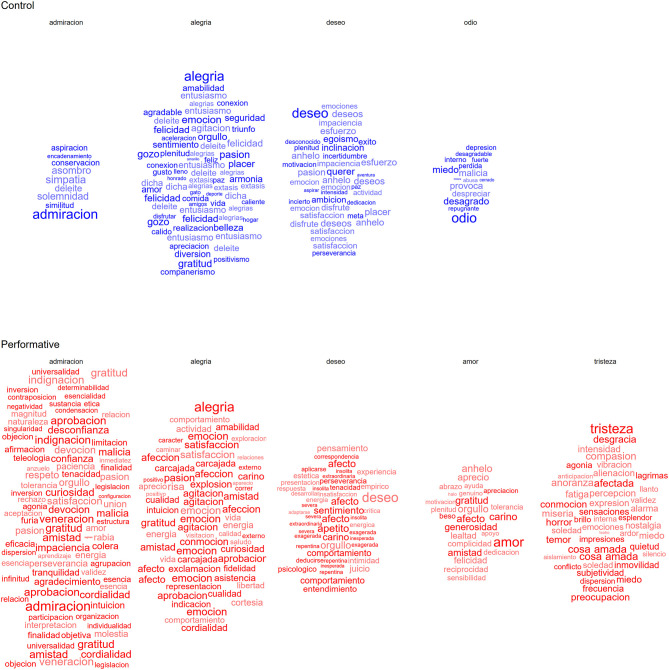 Figure 24
Peer Reviews
No public reviews on file for this paper yet. If you reviewed it on a platform where reviews are public (OpenReview, ICLR, NeurIPS, ICML), you can paste yours below so the community can read it here.
Videos
No videos yet. Explain this paper in a talk, walkthrough, or lecture? Add one.
Taxonomy
TopicsVirtual Reality Applications and Impacts · EEG and Brain-Computer Interfaces · Neuroscience, Education and Cognitive Function