Antiprotozoal Activity of Artemisia vulgaris and Berberis vulgaris Against Leishmania major and Trichomonas vaginalis
Tülay Aksoy, Nogay Girginkardeşler, İbrahim Cüneyt Balcıoğlu, Ali Ahmet Kilimcioğlu

TL;DR
This study shows that extracts from Artemisia vulgaris and Berberis vulgaris can fight Leishmania and Trichomonas parasites with low toxicity.
Contribution
The study demonstrates the antiprotozoal efficacy of two plant extracts against L. major and T. vaginalis with novel in vitro and ex vivo methods.
Findings
Berberis vulgaris extract was more effective against Leishmania major amastigotes (IC₅₀ = 76.8 µg/mL) than Artemisia vulgaris.
Both extracts reduced intracellular parasite burden in THP-1 macrophages at non-cytotoxic concentrations.
Berberis vulgaris showed strong antitrichomonal activity against T. vaginalis with an IC₅₀ of 68.9 µg/mL.
Abstract
Leishmania major and Trichomonas vaginalis infections pose a significant global health burden, while current treatments are limited by toxicity, resistance, and restricted accessibility. This study aimed to evaluate the in vitro and ex vivo antileishmanial effects of Artemisia vulgaris and Berberis vulgaris extracts against L. major, as well as their in vitro antitrichomonal activity against T. vaginalis trophozoites. Ethanolic extracts of A. vulgaris and B. vulgaris were tested against L. major promastigotes, intracellular amastigotes, and T. vaginalis trophozoites. Parasite viability was determined by CellTiter-Glo®, microscopy, and rescue–transformation assays, and selectivity indices (SI) were calculated. Amphotericin B and metronidazole served as reference drugs. Both extracts exhibited low cytotoxicity in THP-1 macrophages (A. vulgaris CC₅₀ = 465.2 µg/mL; B. vulgaris = 357.7…
Genes, proteins, chemicals, diseases, species, mutations and cell lines named across the full text — each resolved to its canonical identifier and authoritative record.
Click any figure to enlarge with its caption.
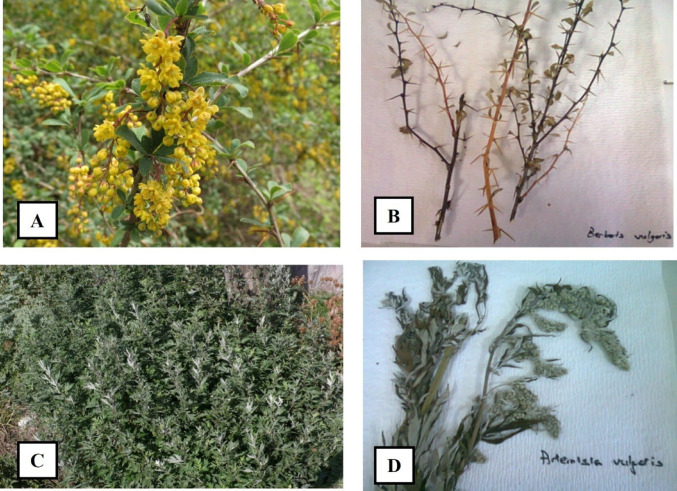 Figure 1
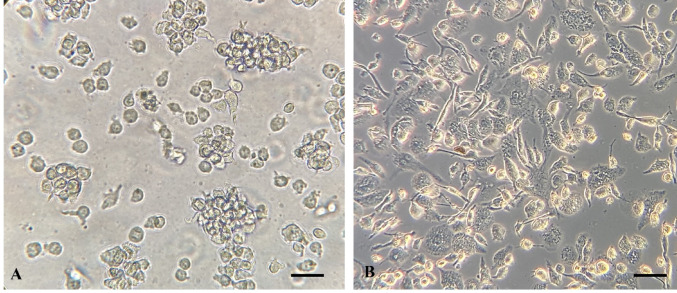 Figure 2
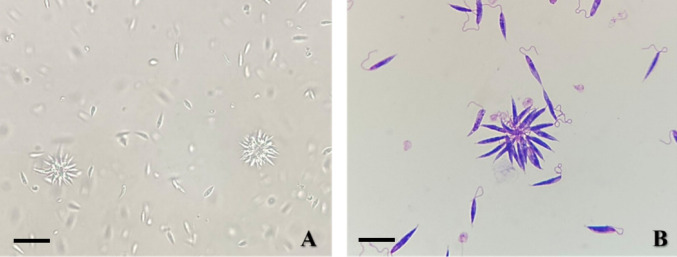 Figure 3
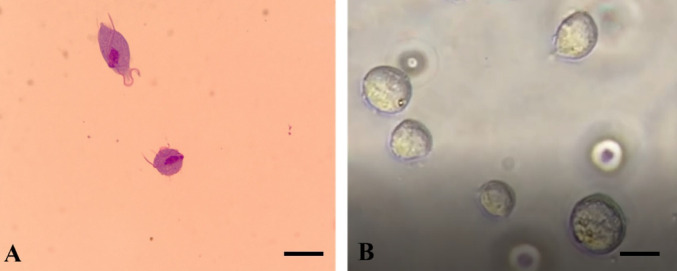 Figure 4
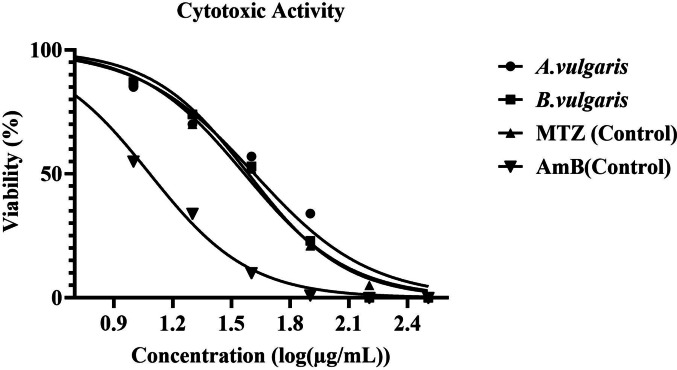 Figure 5
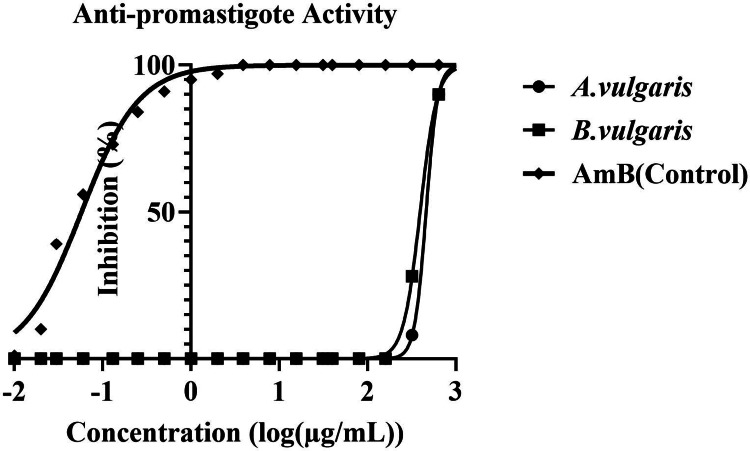 Figure 6
 Figure 7
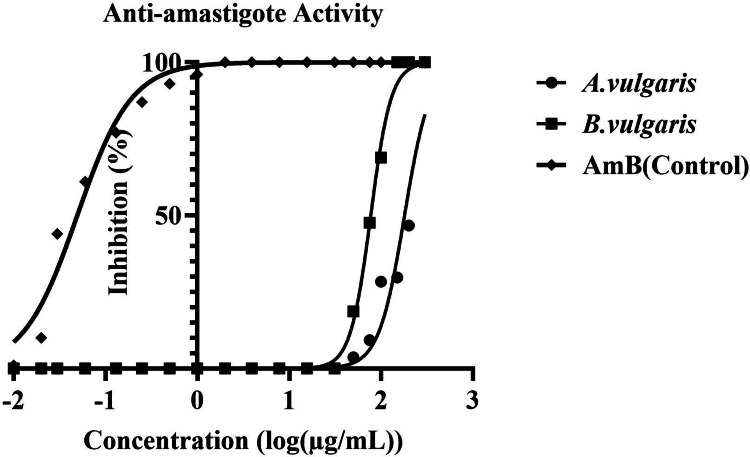 Figure 8
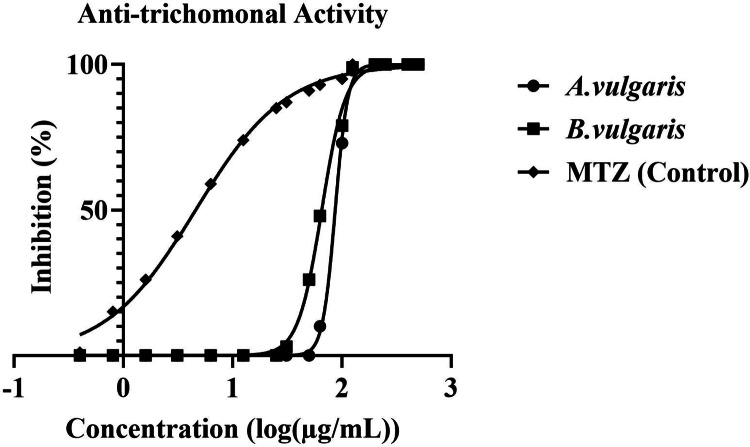 Figure 9
Peer Reviews
No public reviews on file for this paper yet. If you reviewed it on a platform where reviews are public (OpenReview, ICLR, NeurIPS, ICML), you can paste yours below so the community can read it here.
Videos
No videos yet. Explain this paper in a talk, walkthrough, or lecture? Add one.
Taxonomy
TopicsResearch on Leishmaniasis Studies · Reproductive tract infections research · Coccidia and coccidiosis research