Stapled vs. hand-sewn anastomosis during esophagectomy: a randomized trials systematic review and meta-analysis
Matteo Calì, Alberto Aiolfi, Gianluca Bonitta, Michele Manara, Quan Wang, Antonio Biondi, Davide Bona, Luigi Bonavina, Yves Borbely, Yves Borbely, Moustafa Elshafei, Suzanne Gisberz, Christian Gutschow, Mark Ivo van Berge Henegouwen, Sheraz Markar, Calin Popa, Diana Schlanger

TL;DR
This study compares stapled and hand-sewn anastomosis techniques during esophagectomy and finds no significant differences in complication rates, though stapled methods may save time.
Contribution
A systematic review and meta-analysis comparing stapled and hand-sewn anastomosis techniques in esophagectomy for short-term outcomes.
Findings
Stapled and hand-sewn anastomosis show similar rates of leaks and strictures.
Stapled anastomosis is associated with shorter operative times.
No significant differences in postoperative complications or mortality between the two techniques.
Abstract
Esophagogastric anastomosis during esophagectomy is a technically demanding step, carrying a high complication rate. Numerous techniques for anastomosis fashioning have been described, including hand-sewn (HS) and stapled (ST) anastomosis however, the optimal method remains uncertain. Analyse short-term outcomes for ST vs. HS anastomosis. Systematic review and meta-analysis of randomized controlled trials (RCTs). PubMed, Scopus, Web of Science, Cochrane Central Library, and ClinicalTrials.gov were queried. Primary outcomes were anastomotic leak (AL) and stricture (AS). Twelve RCTs (2015 patients) were included. All trials were deemed to have an intermediate risk of bias. ST anastomosis was performed in 51.9%. The age of the patient population ranged from 37 to 88 years and 73% were males. Squamous cell carcinoma was diagnosed in 76.9% of patients. Neoadjuvant therapy was completed in…
Genes, proteins, chemicals, diseases, species, mutations and cell lines named across the full text — each resolved to its canonical identifier and authoritative record.
Click any figure to enlarge with its caption.
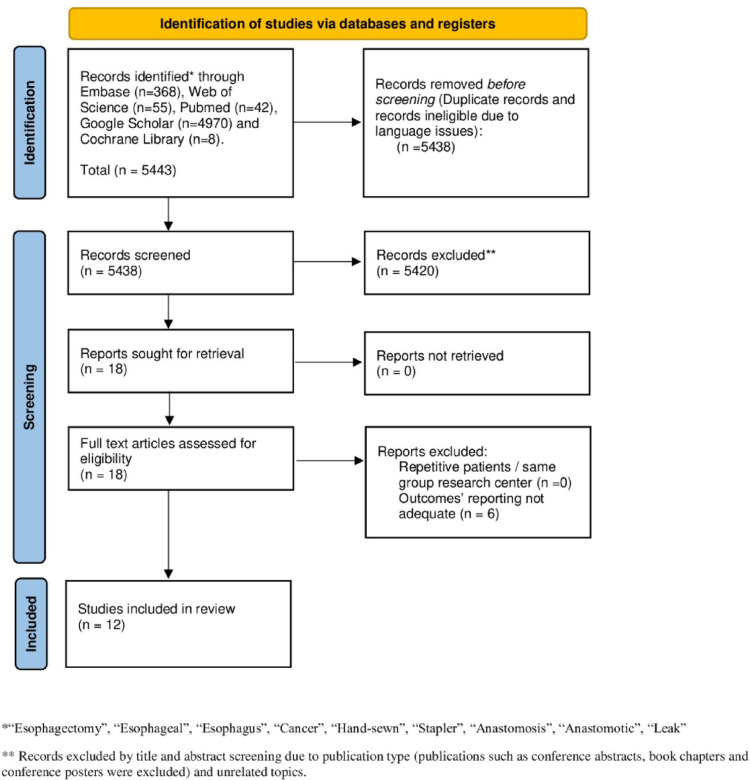 Figure 1
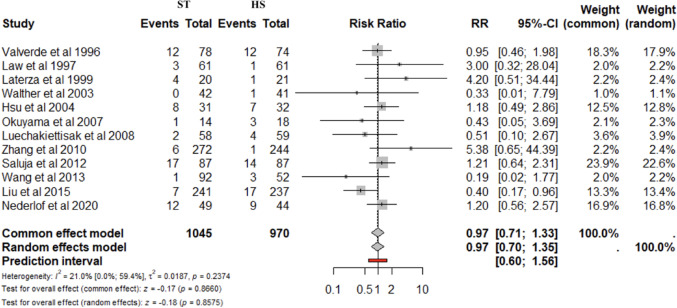 Figure 2
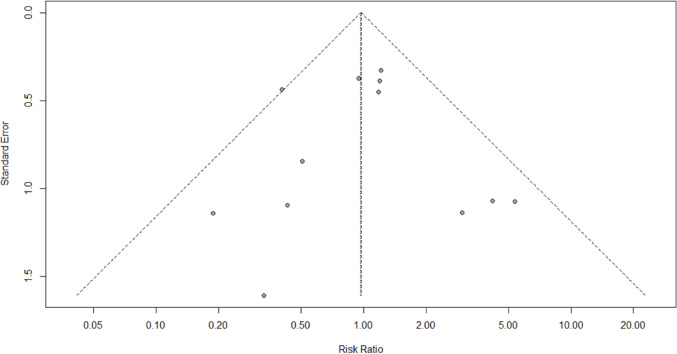 Figure 2
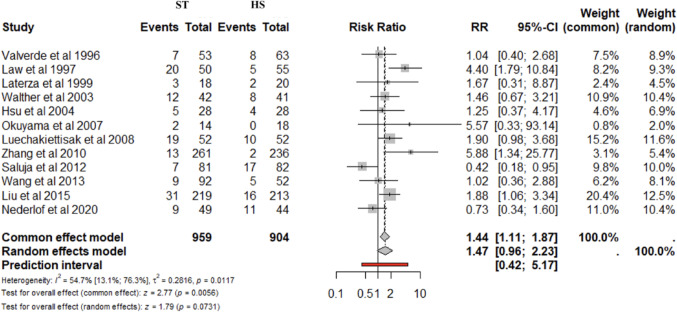 Figure 3
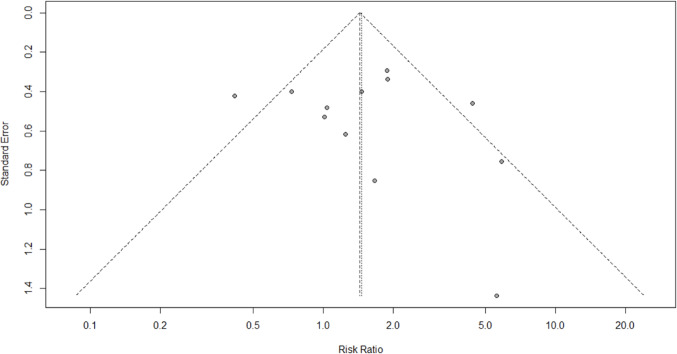 Figure 3
Peer Reviews
No public reviews on file for this paper yet. If you reviewed it on a platform where reviews are public (OpenReview, ICLR, NeurIPS, ICML), you can paste yours below so the community can read it here.
Videos
No videos yet. Explain this paper in a talk, walkthrough, or lecture? Add one.
Taxonomy
TopicsEsophageal Cancer Research and Treatment · Esophageal and GI Pathology · Gastroesophageal reflux and treatments