Automated measurement of spinopelvic alignment parameters using a spine planning software: a validation study
Ahmad Almahozi, Anton Früh, Tarik Alp Sargut, Tizian Rosenstock, Claudius Jelgersma, Anna L. Roethe, Dimitri Tkatschenko, Peter Truckenmueller, Joan Alsolivany, Kiarash Ferdowssian, Nils Hecht, Peter Vajkoczy, Lars Wessels

TL;DR
This study validates a software tool for measuring spinal alignment, finding it accurate and faster than manual methods but with some limitations.
Contribution
The study validates automated spine planning software for measuring spinopelvic alignment with high reliability and speed.
Findings
Automated measurements showed high reliability (ICC = 1) and strong agreement with manual methods.
Automated measurements were significantly faster (62 s vs. 227 s) but failed to measure certain parameters like SVA in many cases.
Manual measurements had reliability ranging from fair to excellent (ICC 0.44–0.99).
Abstract
Accurate assessment of spinopelvic alignment is essential for managing adult spinal deformities. This study validates the Brainlab Elements Spine Planning software for automated measurement of spinopelvic parameters, comparing it with manual methods. Spinopelvic parameters were measured manually and with the software in 21 patients with degenerative spinal disease, including instrumented and non-instrumented spines. Accuracy, intraobserver, and interobserver reliability were evaluated using Bland–Altman plots and intraclass correlation coefficients (ICCs). Measurement times were also compared. The software showed high reliability (ICC = 1), while manual measurements ranged from fair to excellent reliability (ICC 0.44–0.99). Bland–Altman plots indicated strong agreement between automated and manual measurements, though variability was noted for certain parameters. Automated…
Genes, proteins, chemicals, diseases, species, mutations and cell lines named across the full text — each resolved to its canonical identifier and authoritative record.
Click any figure to enlarge with its caption.
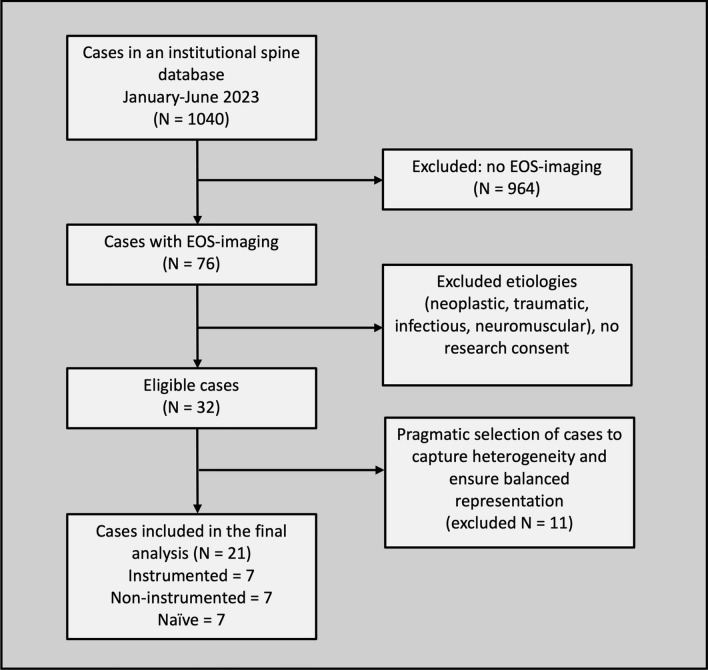 Figure 1
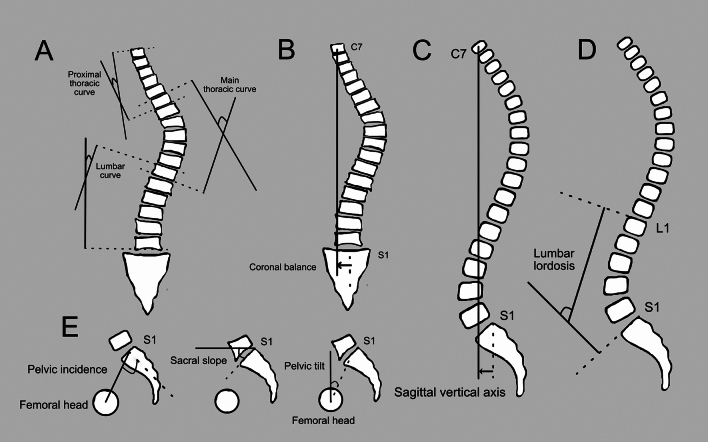 Figure 2
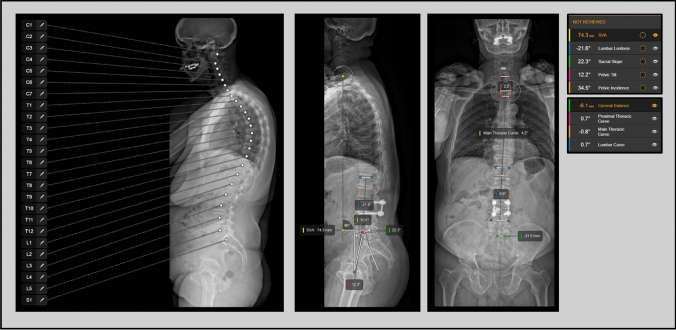 Figure 3
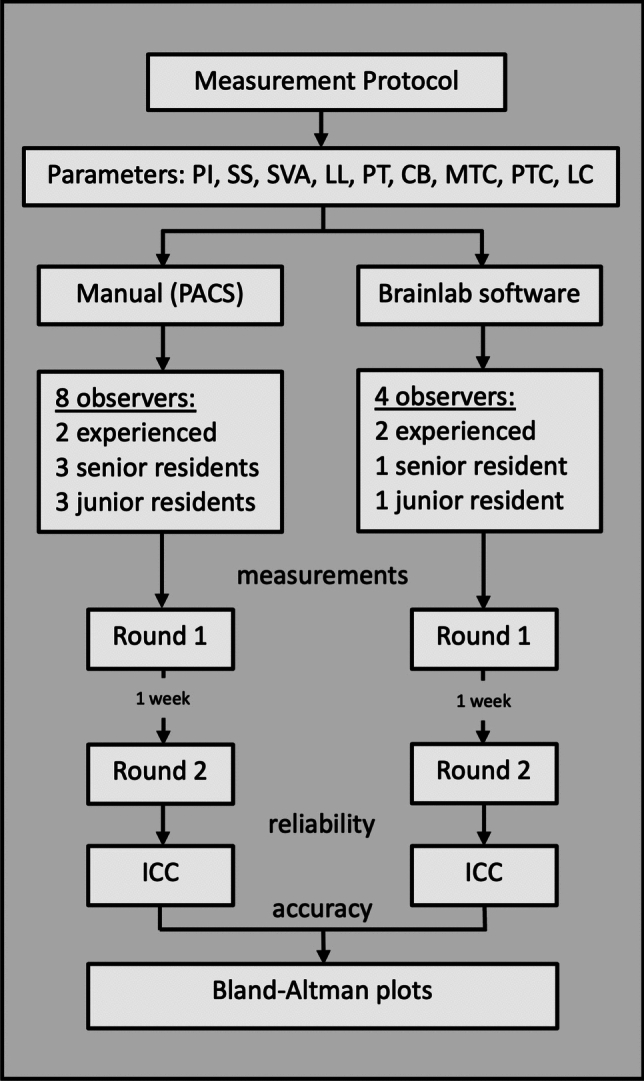 Figure 4
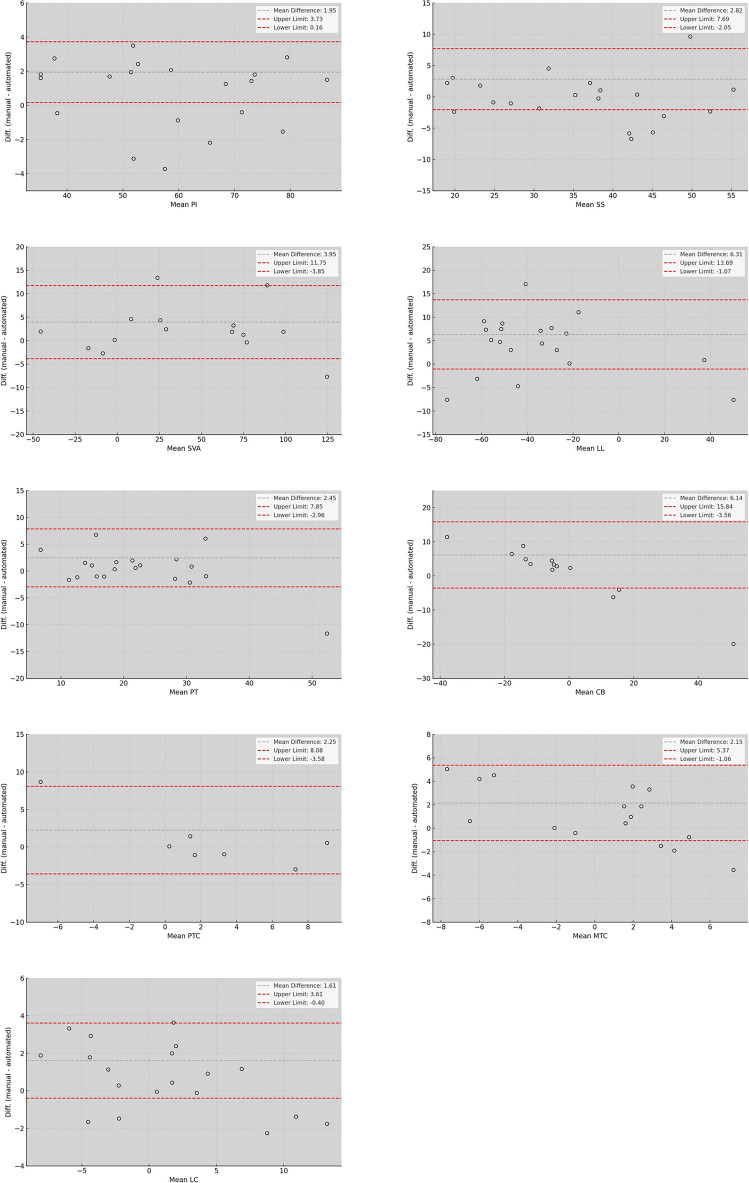 Figure 5
Peer Reviews
No public reviews on file for this paper yet. If you reviewed it on a platform where reviews are public (OpenReview, ICLR, NeurIPS, ICML), you can paste yours below so the community can read it here.
Videos
No videos yet. Explain this paper in a talk, walkthrough, or lecture? Add one.
Taxonomy
TopicsScoliosis diagnosis and treatment · Spinal Fractures and Fixation Techniques · Spine and Intervertebral Disc Pathology