The reference genome sequence of the scarlet follicle, Sterculia lanceolata, reveals a paleo-polyploidization and its impact on fruit quality and fruit dehiscence
Youtao Hu, Youpeng Zhang, Hongbin Zhang, Jiahao Zhang, Guilian Guo, Kejing Yang, Bing-Yan Shao, Jia-Yu Xue, Robert Henry, Wenquan Wang, Fei Chen

TL;DR
This study provides a high-quality genome sequence for Sterculia lanceolata, revealing its evolutionary history and genes linked to fruit traits.
Contribution
The first chromosome-level genome assembly of Sterculia lanceolata, uncovering paleo-polyploidization and its impact on fruit quality.
Findings
A high-quality genome assembly of 602.8 Mb with 98.7% BUSCO completeness was achieved.
Ancient whole-genome duplication events were identified, influencing karyotype evolution in Malvaceae.
Key gene families related to fruit dehiscence were found to have expanded due to polyploidy.
Abstract
Sterculia lanceolata, a tree species of the Malvaceae family with notable ornamental and medicinal value, has long been constrained in genetic research and breeding applications due to the lack of genomic resources. In this study, we report for the first time a high-quality, chromosome-level genome assembly of this species, aimed at elucidating its evolutionary history and the genetic basis of key traits. We constructed the genome using PacBio HiFi sequencing and further assembled it into 20 pseudochromosomes with the aid of Hi-C technology, yielding a final genome assembly size of 602.8 Mb with a contig N50 of 29.3 Mb and a BUSCO completeness of 98.7%. The assembly includes the identification of 20 pseudochromosomes and the annotation of 35,873 protein-coding genes, with an annotation rate of 96.4%. By integrating genomic data from other Malvaceae species, we analyzed the karyotype…
Genes, proteins, chemicals, diseases, species, mutations and cell lines named across the full text — each resolved to its canonical identifier and authoritative record.
Click any figure to enlarge with its caption.
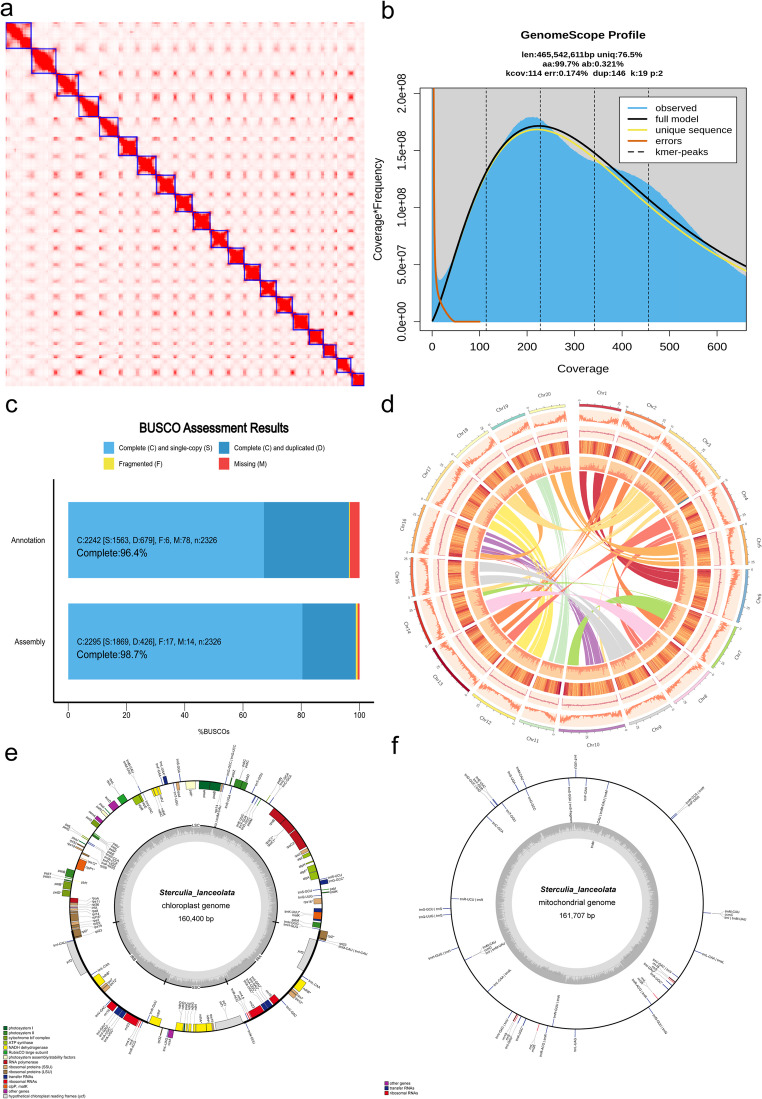 Figure 1
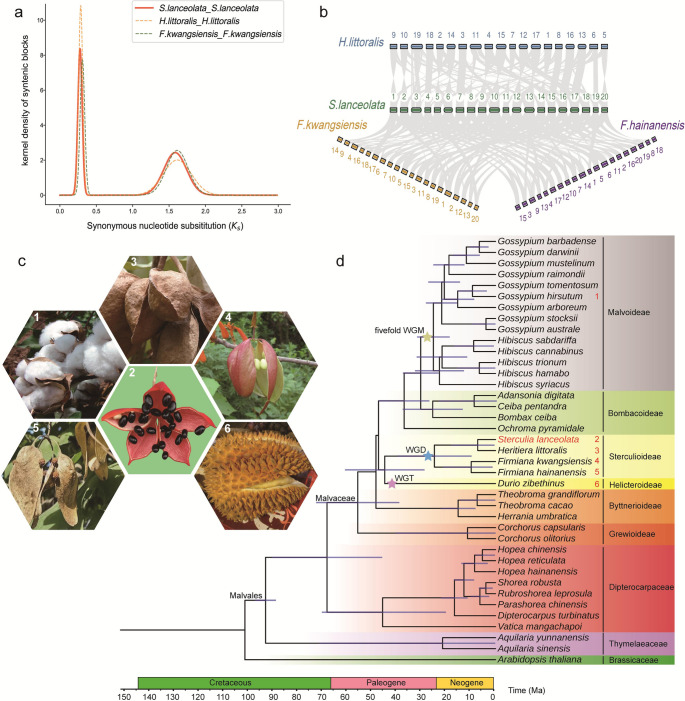 Figure 2
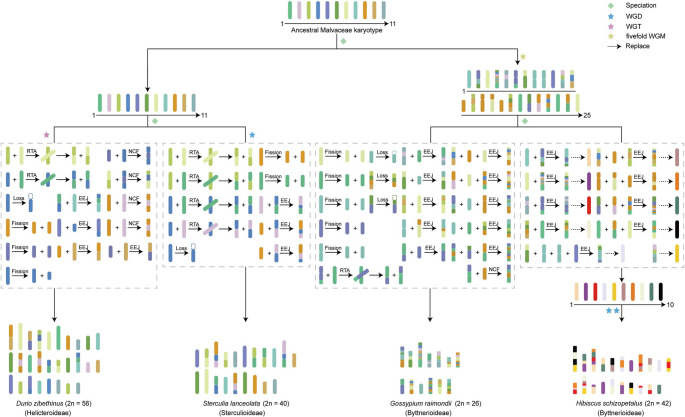 Figure 3
 Figure 4
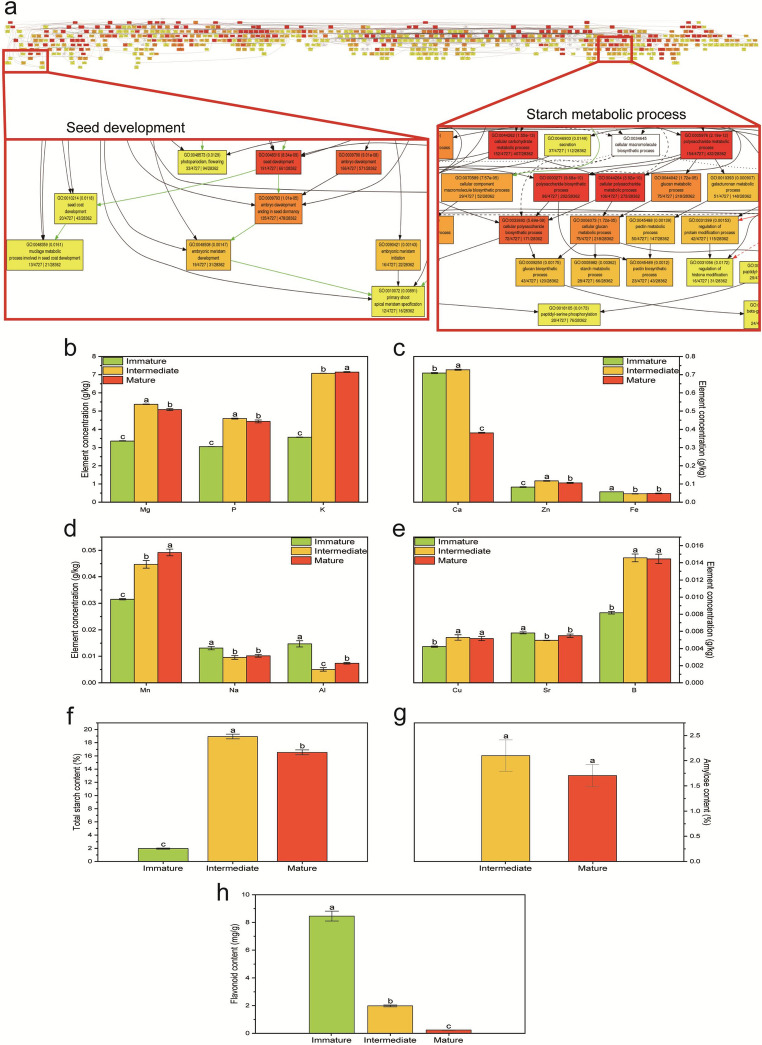 Figure 5
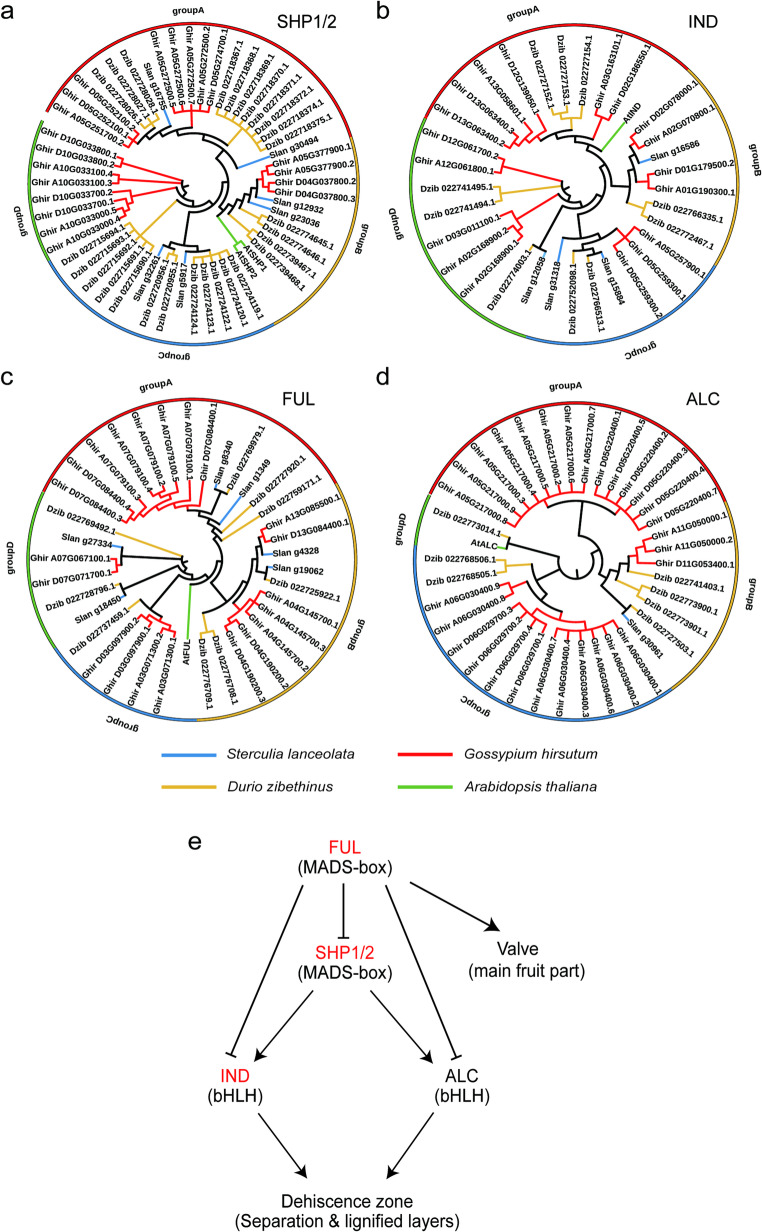 Figure 6
Peer Reviews
No public reviews on file for this paper yet. If you reviewed it on a platform where reviews are public (OpenReview, ICLR, NeurIPS, ICML), you can paste yours below so the community can read it here.
Videos
No videos yet. Explain this paper in a talk, walkthrough, or lecture? Add one.
Taxonomy
TopicsPlant Molecular Biology Research · Advances in Cucurbitaceae Research · Chromosomal and Genetic Variations