Superior response and survival of intensive chemotherapy over venetoclax plus azacitidine in newly diagnosed KIT-mutated acute myeloid leukemia
Qingli Ji, Xinwen Jiang, Xiaoqing Li, Chen Cao, Xinrui Zhang, Minran Zhou, Sai Ma, Chunyan Chen

TL;DR
Intensive chemotherapy works better than venetoclax plus azacitidine for treating KIT-mutated acute myeloid leukemia, with longer survival and higher remission rates.
Contribution
This study shows that intensive chemotherapy is more effective than VA in KIT-mutated AML and identifies KIT mutations as a biomarker for resistance to venetoclax-based therapy.
Findings
Intensive chemotherapy outperformed VA in median event-free survival and overall survival for KIT-mutated AML patients.
KIT exon 17 mutations were linked to shorter event-free survival compared to other KIT mutations.
KIT mutations were an independent adverse prognostic factor for VA-treated patients.
Abstract
Although KIT mutations hold significant prognostic value in acute myeloid leukemia (AML), their impact on selecting first-line treatment remains unclear. This retrospective study of 222 newly diagnosed AML patients therefore compared the efficacy of venetoclax plus azacitidine (VA) versus intensive chemotherapy (IC) in KIT-mutated AML, while also exploring the prognostic implications of KIT mutation subtypes and their role in predicting VA response. Among patients with KIT mutations, IC was superior to VA, yielding significantly longer median event-free survival (EFS) (14.5 vs. 2.4 months, p = 0.011) and overall survival (OS) (not reached vs. 9.8 months, p < 0.0001), and a higher complete remission (CR) rate (80.0% vs. 17.6%, p < 0.001). Exon 17 mutations were associated with significantly shorter EFS relative to other KIT mutations (7.3 vs. 18.8 months; p = 0.046). Moreover, among all…
Genes, proteins, chemicals, diseases, species, mutations and cell lines named across the full text — each resolved to its canonical identifier and authoritative record.
Click any figure to enlarge with its caption.
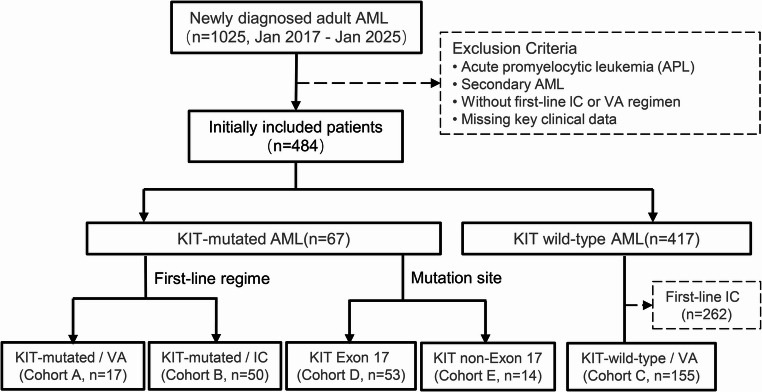 Figure 1
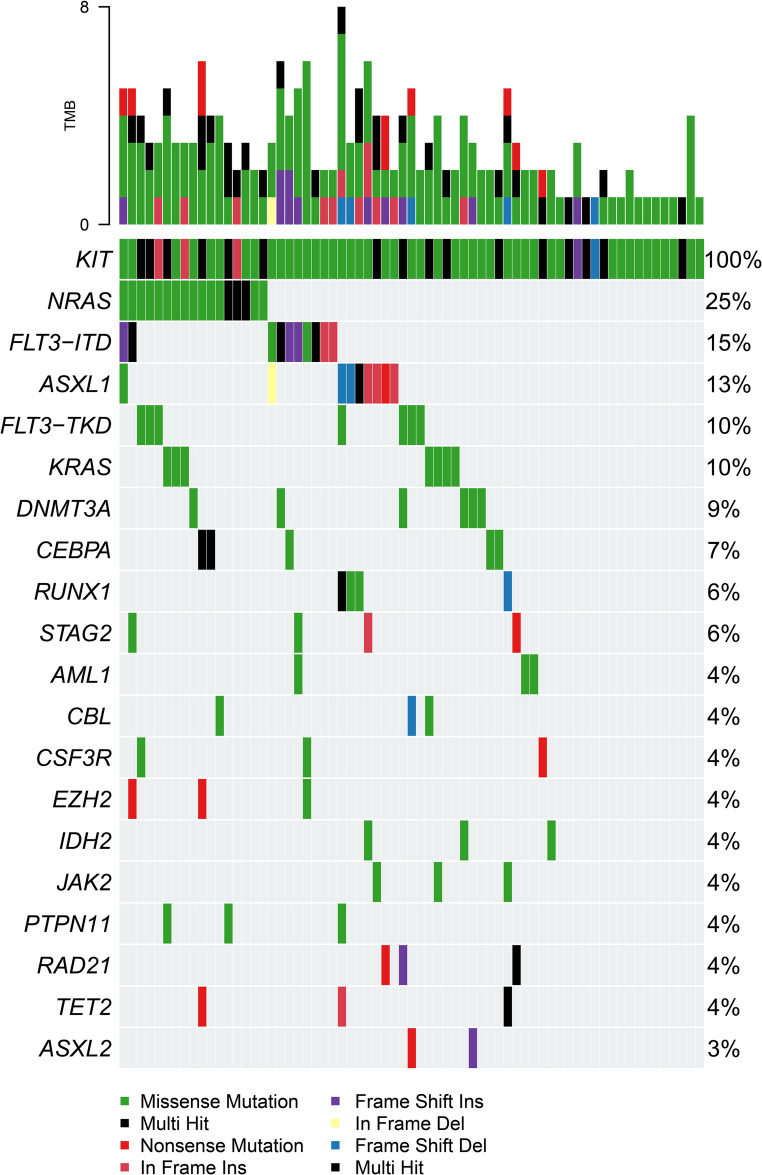 Figure 2
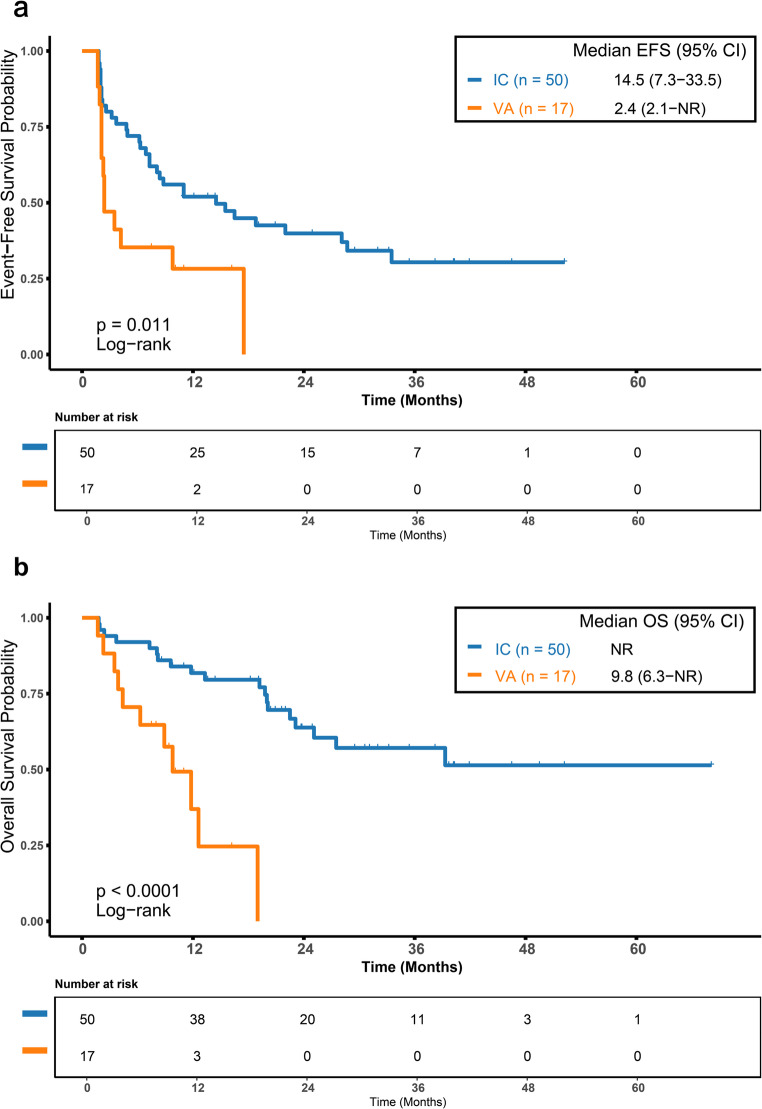 Figure 3
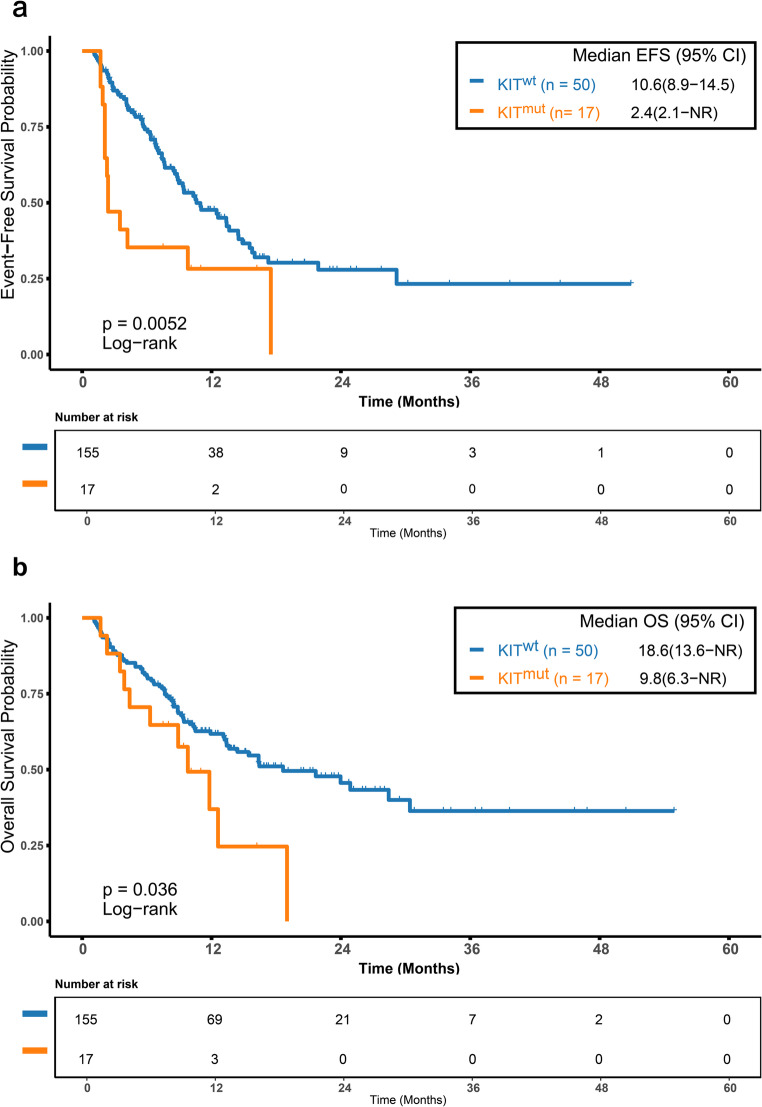 Figure 4
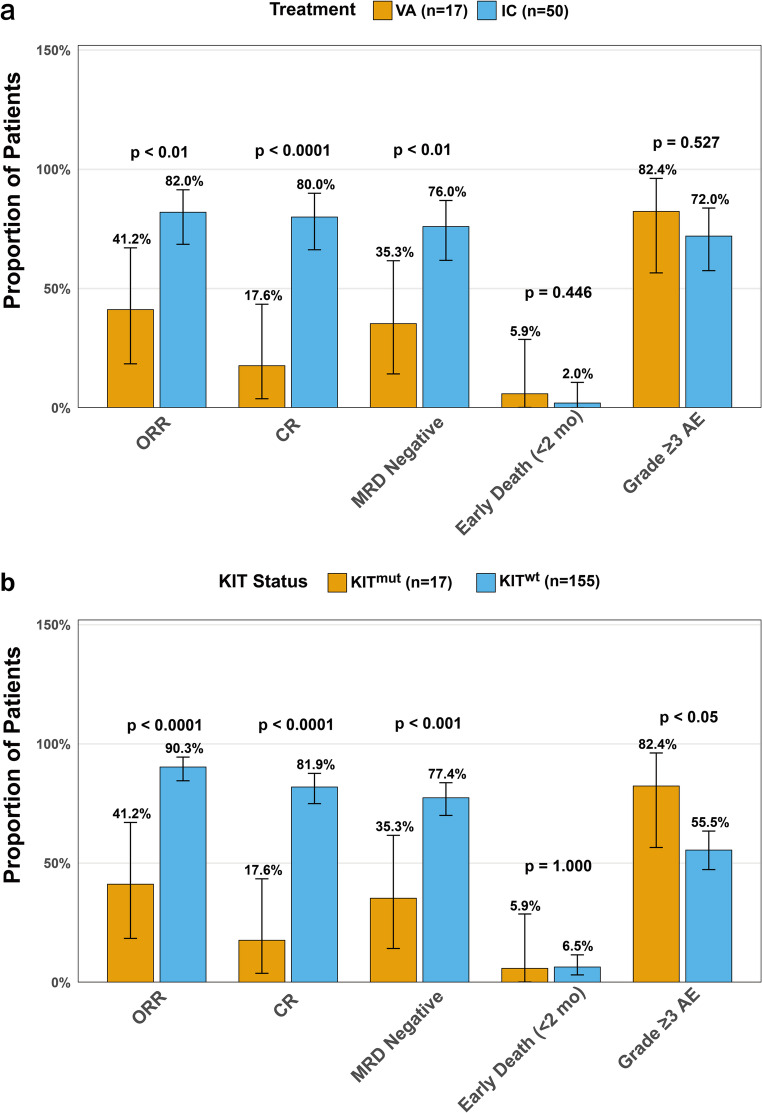 Figure 5
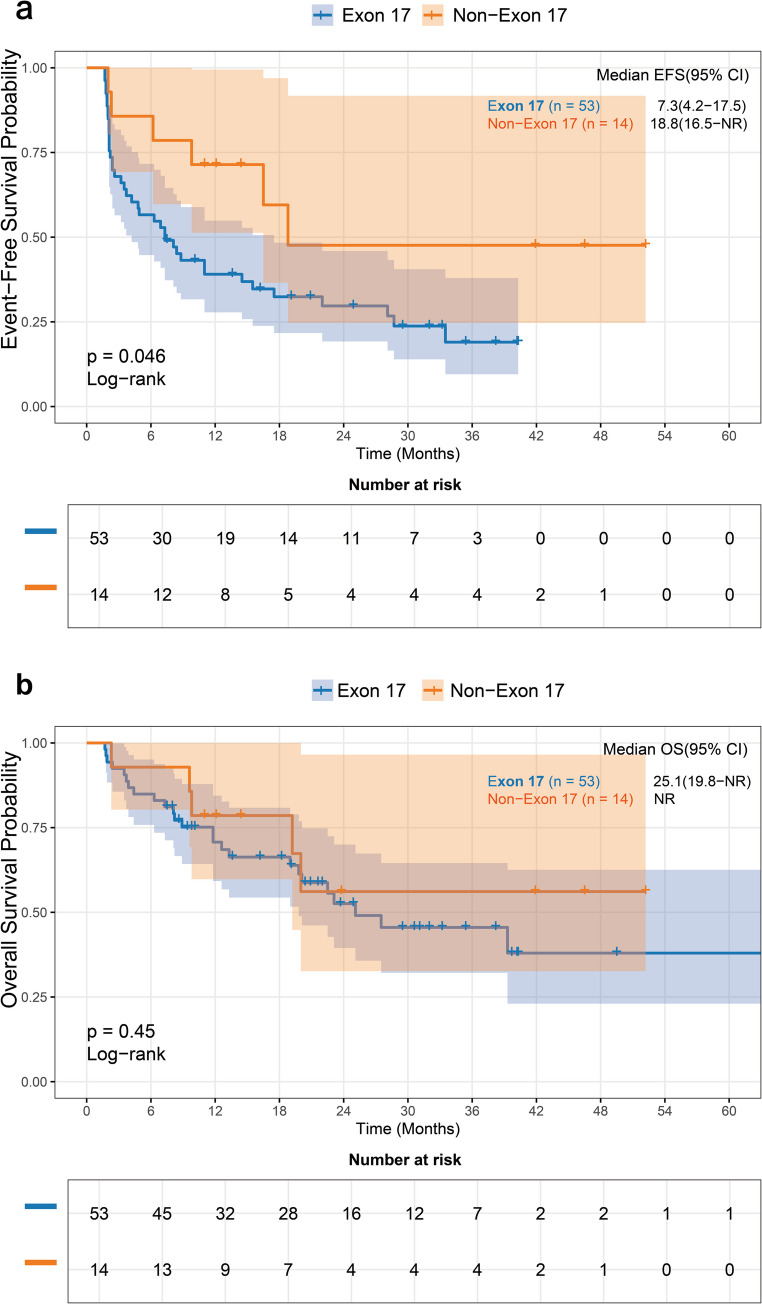 Figure 6
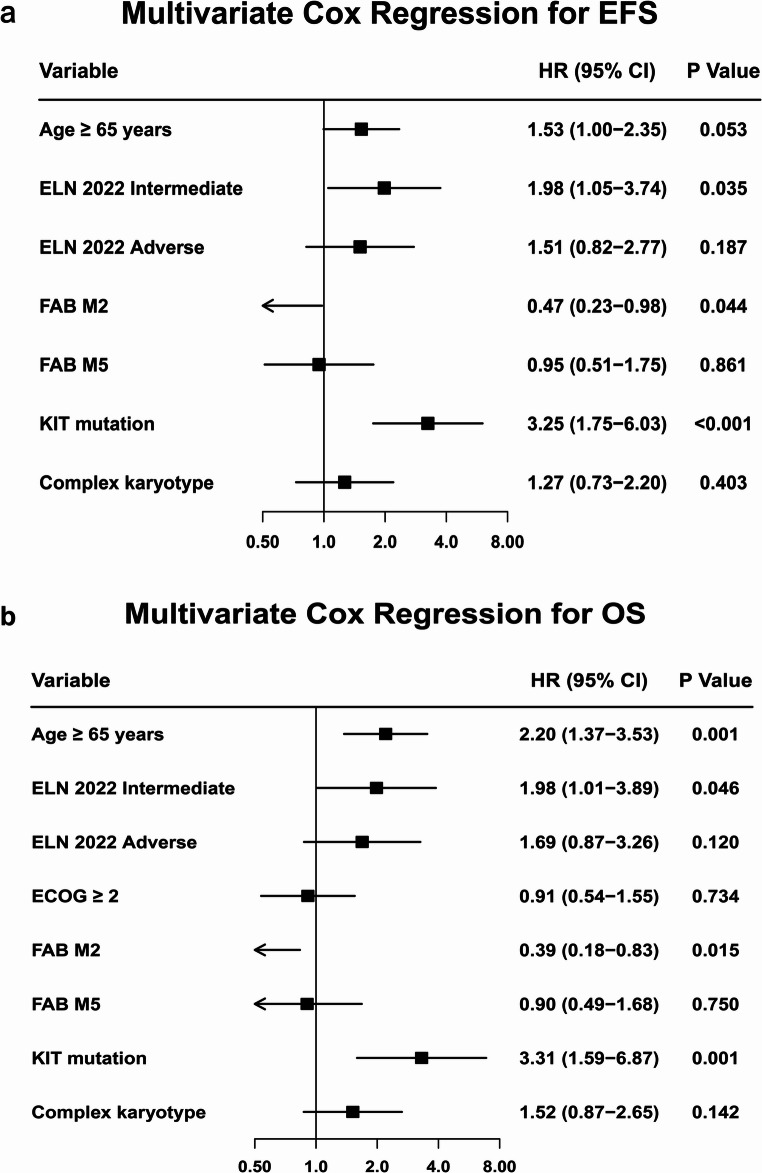 Figure 7
Peer Reviews
No public reviews on file for this paper yet. If you reviewed it on a platform where reviews are public (OpenReview, ICLR, NeurIPS, ICML), you can paste yours below so the community can read it here.
Videos
No videos yet. Explain this paper in a talk, walkthrough, or lecture? Add one.
Taxonomy
TopicsAcute Myeloid Leukemia Research · Chronic Myeloid Leukemia Treatments · Myeloproliferative Neoplasms: Diagnosis and Treatment