Increased semaphorin, neuropilin, and plexin expression plays a role in recovery after traumatic brain injury
Aslı Okan, Zeynep Yılmaz Şükranlı, Taha Berkay Bor, Ali İmran Berkyürek, Serpil Taheri, Züleyha Doğanyiğit

TL;DR
This study explores how semaphorin, neuropilin, and plexin proteins are involved in recovery after traumatic brain injury, suggesting potential for new treatments.
Contribution
The study reveals increased expression of semaphorin, neuropilin, and plexin proteins in recovery from traumatic brain injury.
Findings
Males show increased Sem-3F, Plexin-A1, Neuropilin-1, and TNF-α protein expression in the hippocampus after chronic short-term mTBI.
Chronic long-term mTBI increases neuropilin 1 gene expression in multiple brain regions.
Semaphorin, neuropilin, and plexin proteins may aid in developing new treatment techniques for TBI recovery.
Abstract
One of the leading causes of death and disability globally, affecting people of all ages, is traumatic brain injury (TBI). Damage to neural tissues associated with TBI can be classified into two categories: primary damage caused by direct mechanical forces resulting from trauma and secondary damage characterized by long-term neuroinflammation resulting from the molecular response of tissues and cells following primary injury. Although the effects of semaphorin (Sema) molecules on neural repair and regeneration are known, their role in the secondary injury process after TBI remains unclear. Sema proteins bind to their receptors, members of the neuropilin and plexin protein families, to carry out their actions. In this study, after mild TBI (mTBI) was induced, an acute mTBI group (observed for 24 h), a short-term mTBI chronic group, a long-term mTBI chronic group, and a sham group were…
Genes, proteins, chemicals, diseases, species, mutations and cell lines named across the full text — each resolved to its canonical identifier and authoritative record.
Click any figure to enlarge with its caption.
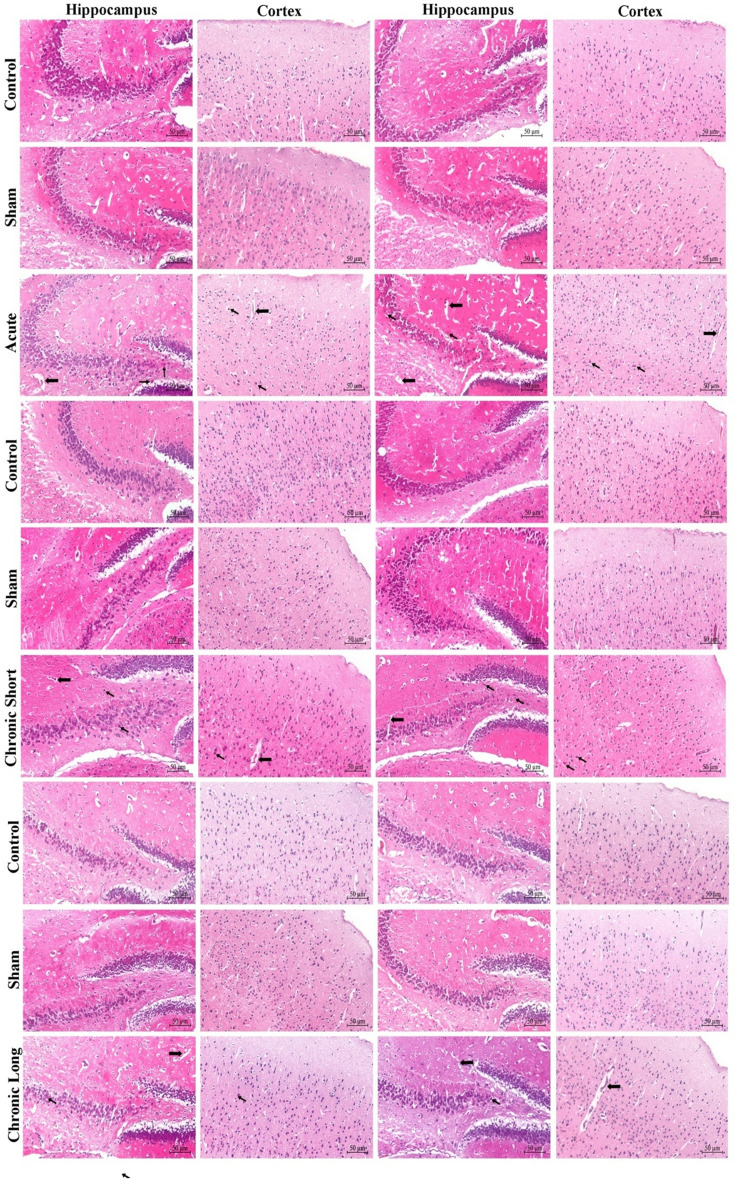 Figure 1
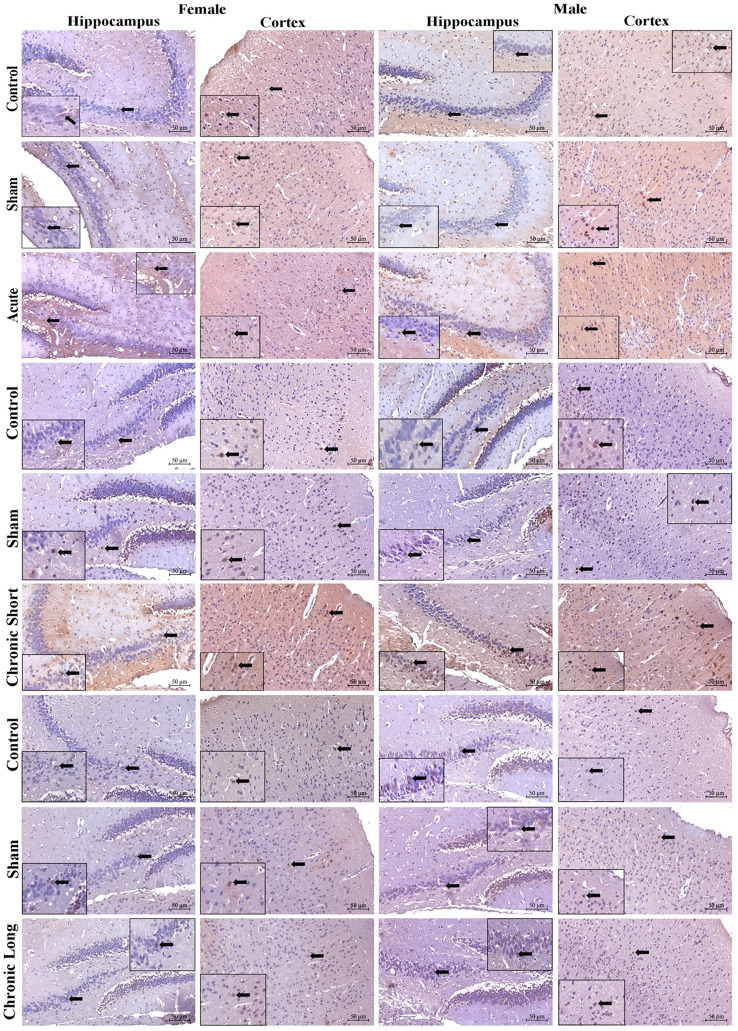 Figure 2
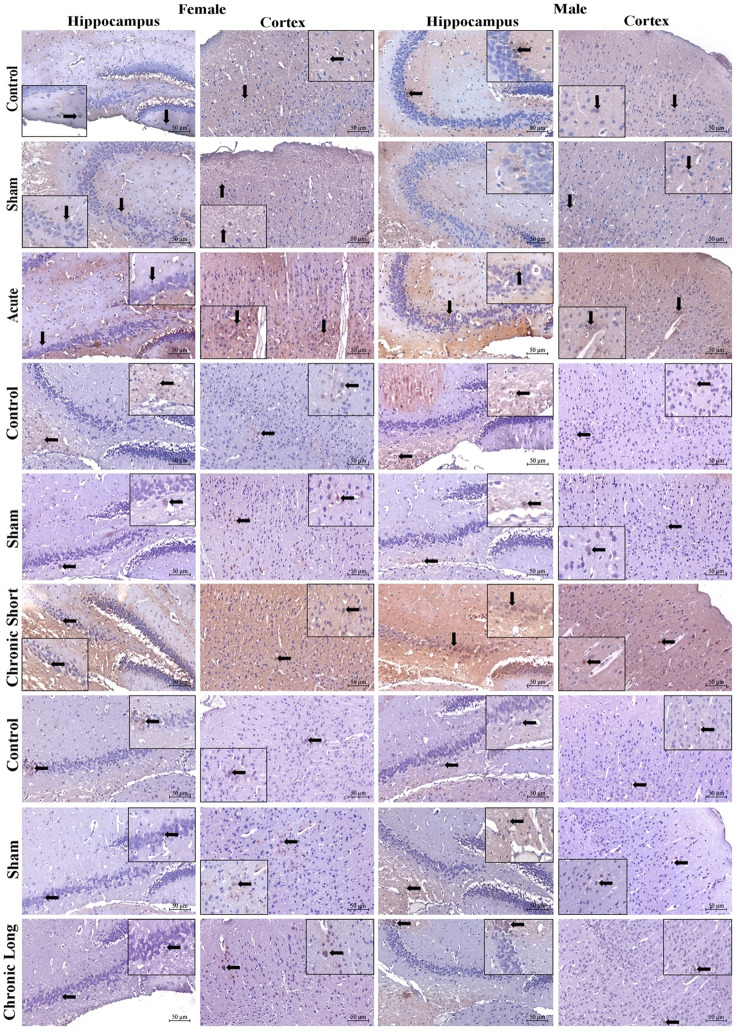 Figure 3
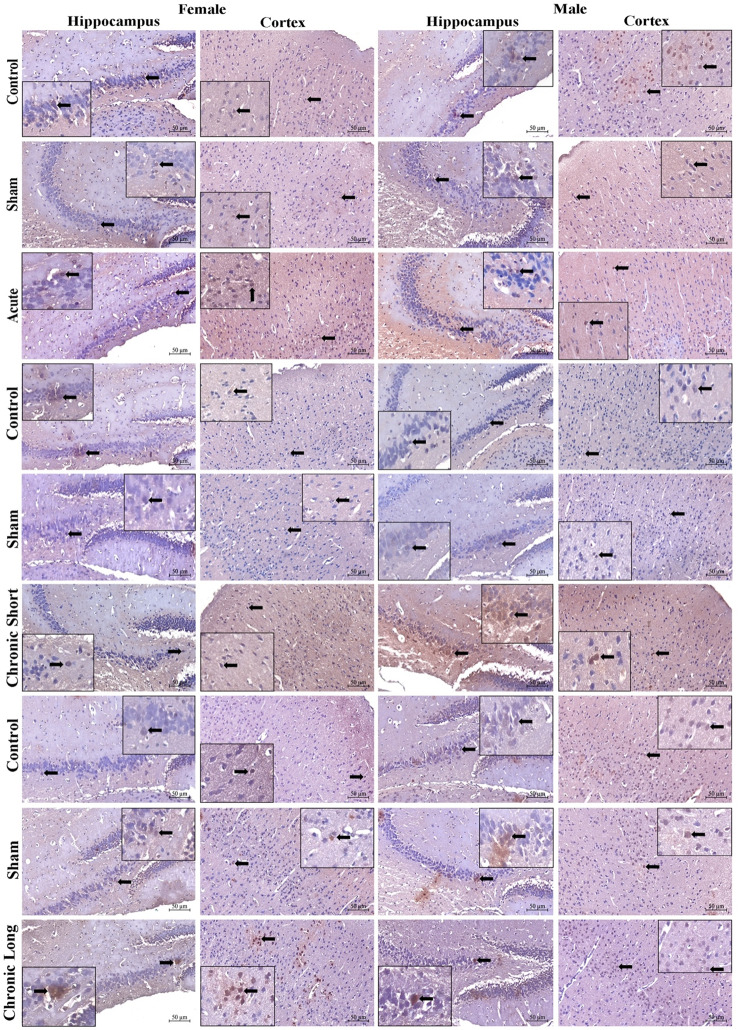 Figure 4
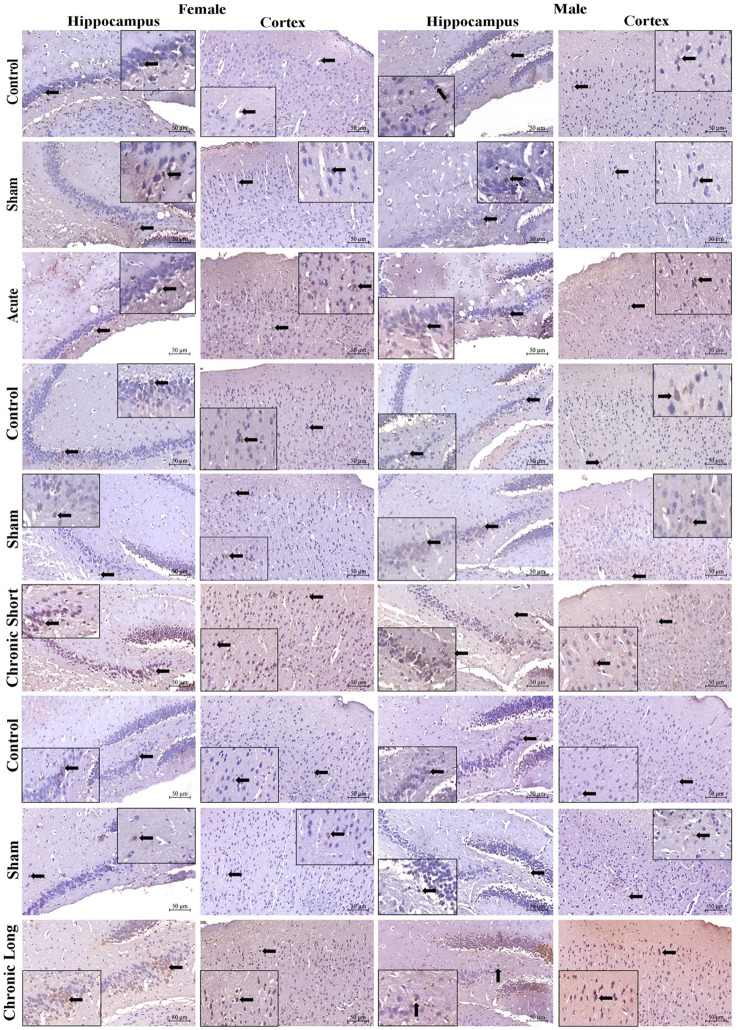 Figure 5
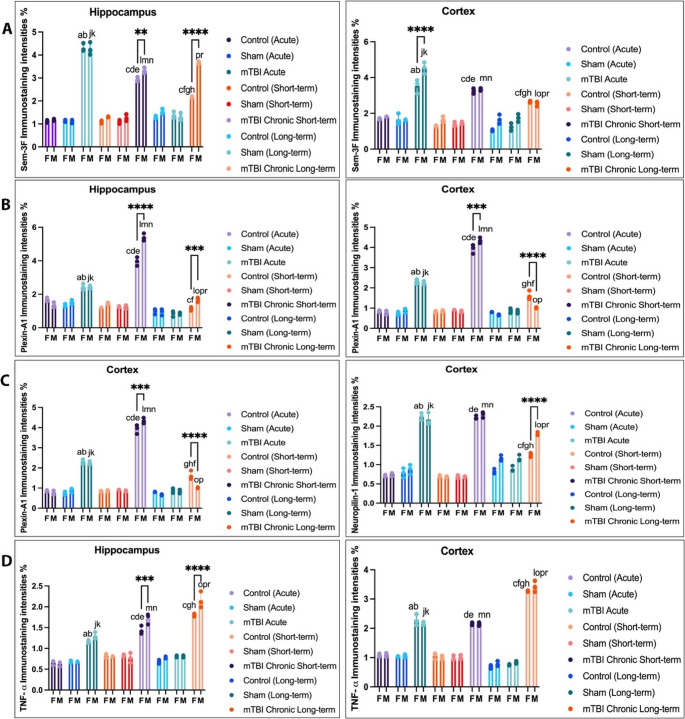 Figure 6
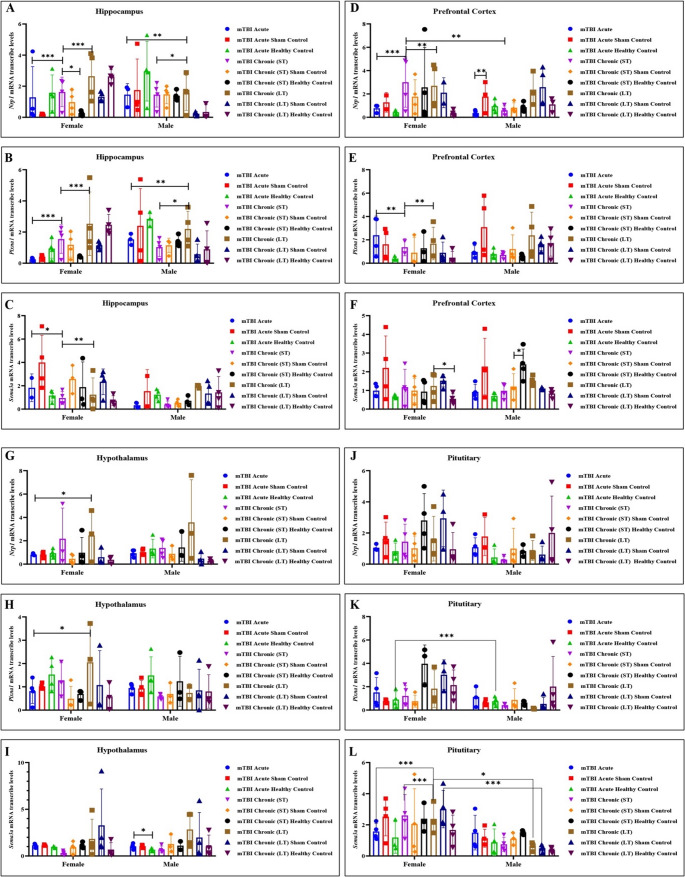 Figure 7
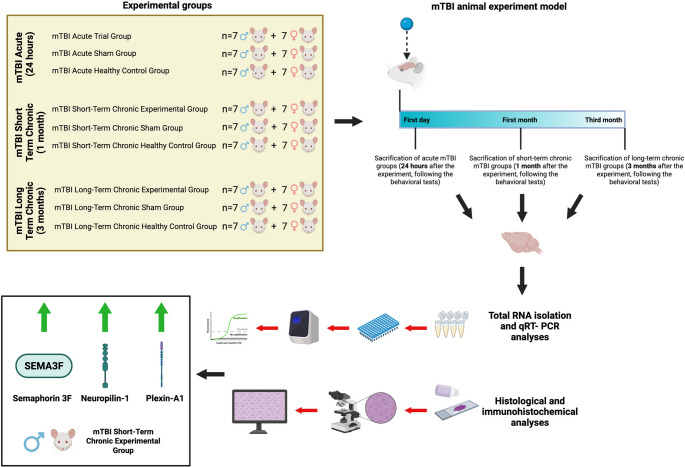 Figure 8
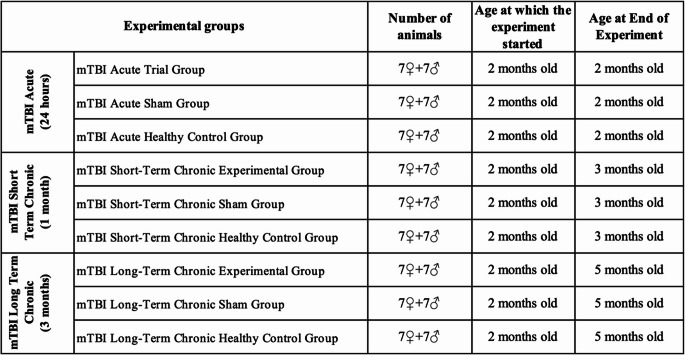 Figure 9
Peer Reviews
No public reviews on file for this paper yet. If you reviewed it on a platform where reviews are public (OpenReview, ICLR, NeurIPS, ICML), you can paste yours below so the community can read it here.
Videos
No videos yet. Explain this paper in a talk, walkthrough, or lecture? Add one.
Taxonomy
TopicsAxon Guidance and Neuronal Signaling · Angiogenesis and VEGF in Cancer · Neurogenesis and neuroplasticity mechanisms