The responses of rice plant to tricyclazole at the transcriptome and metabolome levels
Wengong Huang, Dongmei Shi, Aihua Cheng, Guofeng Chen, Feng Liu, Xiaobo Zhang, Jiannan Dong, Jing Lan, Hongbo Ren, Wei Guo, Baohai Liu

TL;DR
This study explores how rice plants respond to tricyclazole pesticide at the molecular and metabolic levels, revealing key pathways and compounds involved in stress resistance.
Contribution
The study identifies specific metabolic pathways and key metabolites involved in rice's resistance to tricyclazole-induced stress.
Findings
Tricyclazole increased oxidative stress markers SOD, CAT, POD, and MDA in rice roots and shoots.
Flavonoid, glutathione, and phenylpropanoid biosynthesis pathways were key in the stress response.
Several key metabolites were identified as involved in self-detoxification and resistance development in rice.
Abstract
Tricyclazole is widely employed as a pesticide for controlling rice blast. While effective, it simultaneously acts as a stressor on rice plants. Rice seedlings were treated with tricyclazole for 7 days, and the root and shoot samples were collected for analysis. Four biomarkers of oxidative stress, including SOD, CAT, POD, and MDA were measured to evaluate the physiological responses. Integrated transcriptome and metabolome analysis was performed to reveal the mechanisms underlying the tricyclazole-induced stress response. Tricyclazole significantly increased the levels of SOD, CAT, POD, and MDA in the root and shoot of rice. A variety of differential metabolites and differentially expressed genes (DEGs) were identified, which exhibited diverse functionalities. Flavonoid biosynthesis, glutathione metabolism, and phenylpropanoid biosynthesis were three important metabolic pathways in…
Genes, proteins, chemicals, diseases, species, mutations and cell lines named across the full text — each resolved to its canonical identifier and authoritative record.
Click any figure to enlarge with its caption.
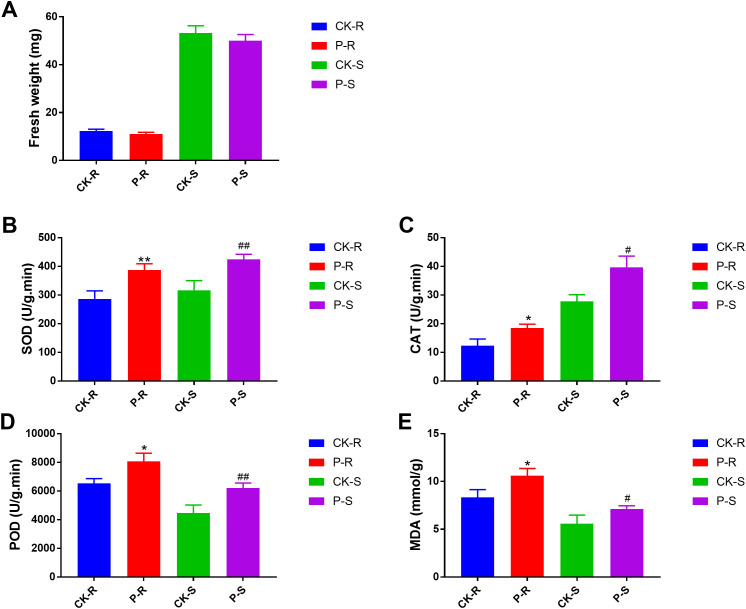 Figure 1
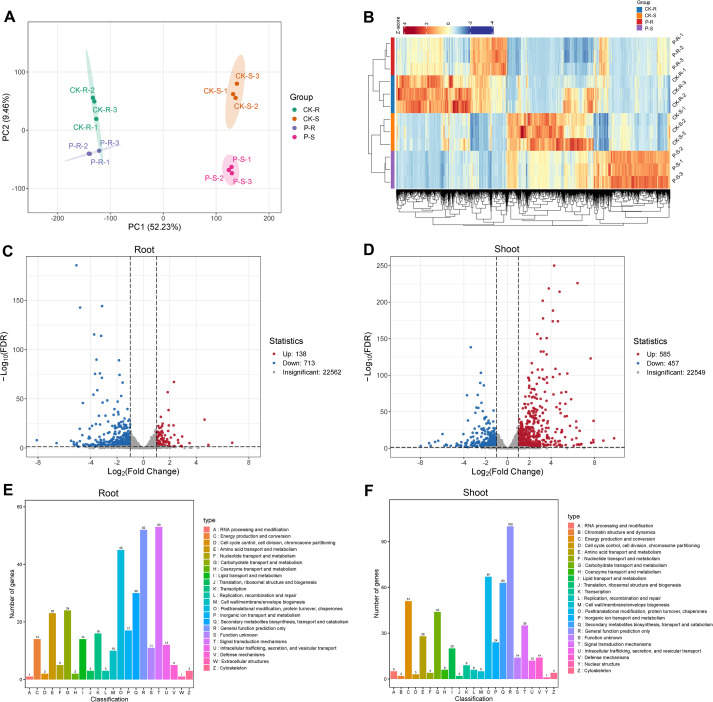 Figure 2
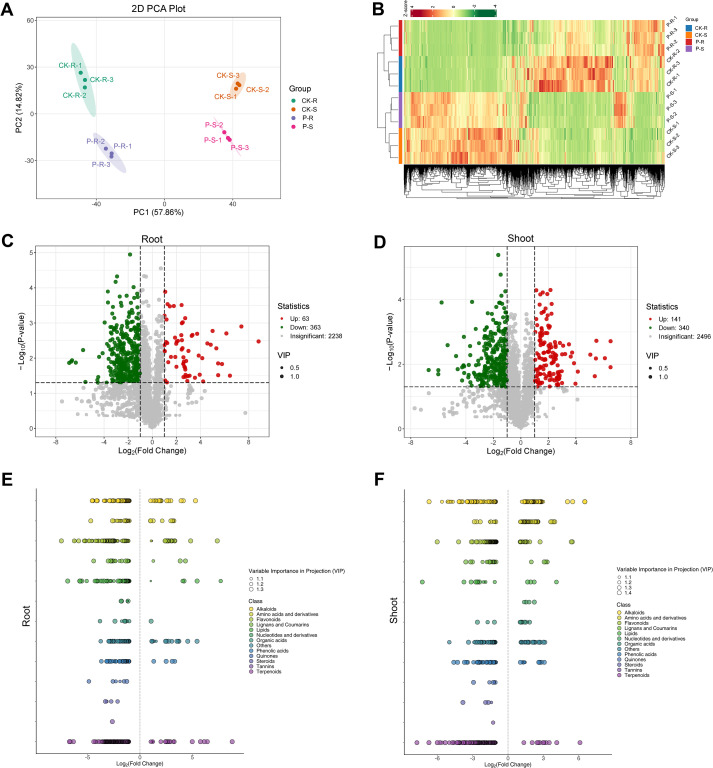 Figure 3
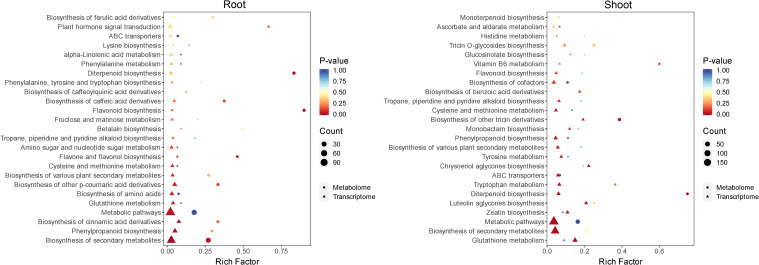 Figure 4
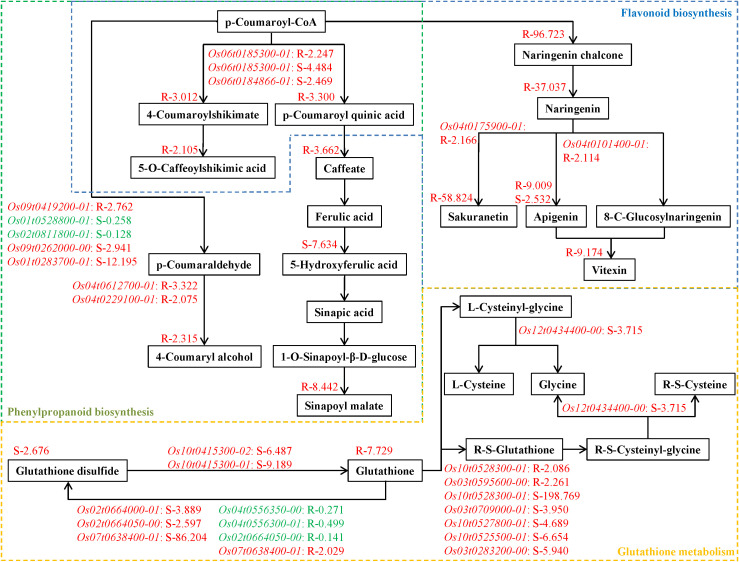 Figure 5
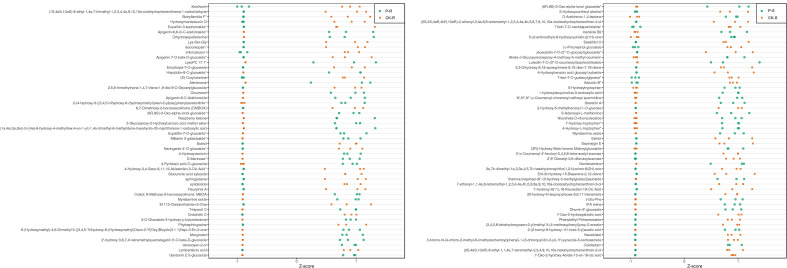 Figure 6
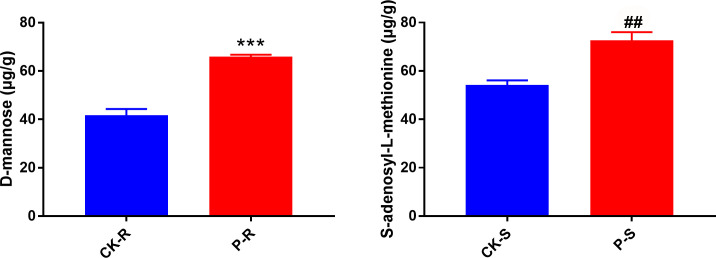 Figure 7
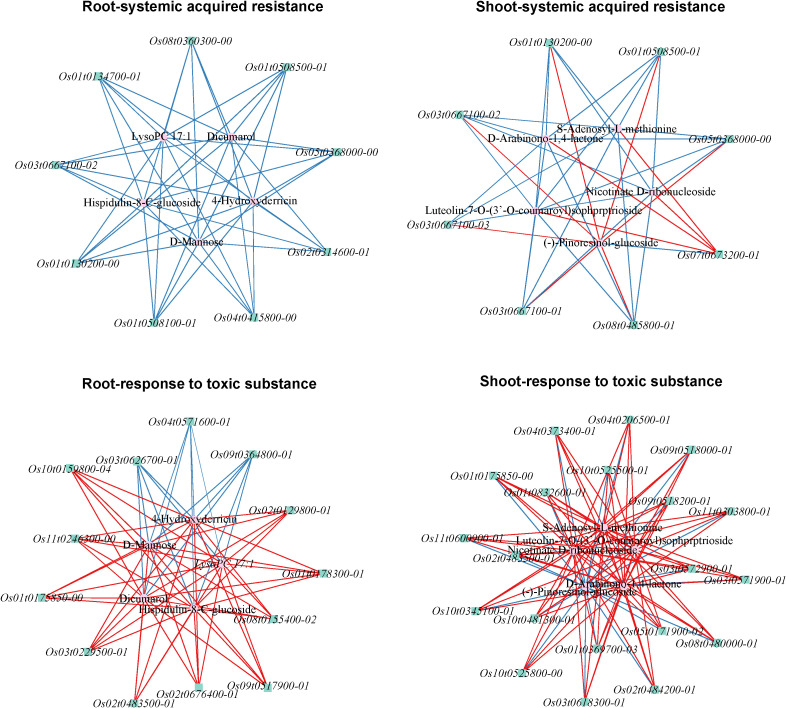 Figure 8
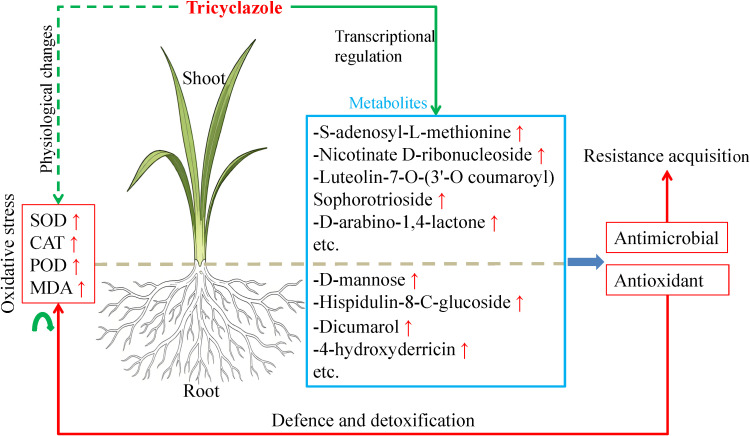 Figure 9
Peer Reviews
No public reviews on file for this paper yet. If you reviewed it on a platform where reviews are public (OpenReview, ICLR, NeurIPS, ICML), you can paste yours below so the community can read it here.
Videos
No videos yet. Explain this paper in a talk, walkthrough, or lecture? Add one.
Taxonomy
TopicsAllelopathy and phytotoxic interactions · Insect-Plant Interactions and Control · Plant Gene Expression Analysis