Effects of visually induced motor imagery-based brain-computer interface training on motor function in patients with incomplete spinal cord injury: a small-sample exploratory trial
Yuyang Zhao, Chong Sun, Yunfeng Bi, Yongxiang Zhang

TL;DR
This study explores how brain-computer interface training using motor imagery helps improve motor function in patients with incomplete spinal cord injuries.
Contribution
The study introduces visually induced motor imagery-based BCI training as a novel rehabilitation strategy for incomplete spinal cord injury recovery.
Findings
The experimental group showed greater improvement in brain engagement and motor scores compared to the control group.
BCI training enhanced brain network connections and modulated cortical activity in motor-related regions.
Both groups demonstrated significant clinical improvements in balance and functional ambulation.
Abstract
This study aimed to investigate the effects of visually induced motor imagery (MI)-based brain-computer interface (BCI) training on the neurological recovery of patients with incomplete spinal cord injury (iSCI), and to preliminarily explore the underlying neural mechanisms. A single-center, single-blind, small-sample exploratory trial was conducted, enrolling 11 patients with iSCI who were randomly assigned to either the experimental or control group. The experimental group received visually induced BCI training based on a MI paradigm, while the control group received visually guided MI training combined with passive lower limb movements. Both groups underwent interventions five times per week for 4 weeks. Clinical assessments, including the American Spinal Injury Association (ASIA) motor/sensory scores, Berg Balance Scale (BBS), and Functional Ambulation Category (FAC), were…
Genes, proteins, chemicals, diseases, species, mutations and cell lines named across the full text — each resolved to its canonical identifier and authoritative record.
Click any figure to enlarge with its caption.
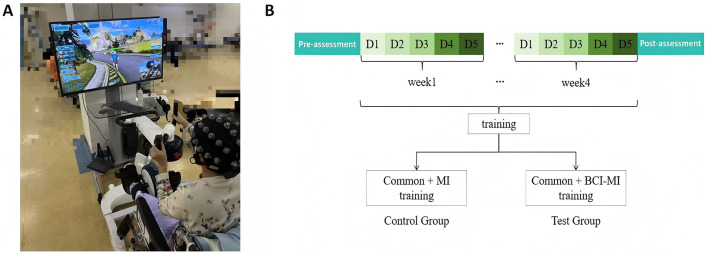 Figure 1
 Figure 2
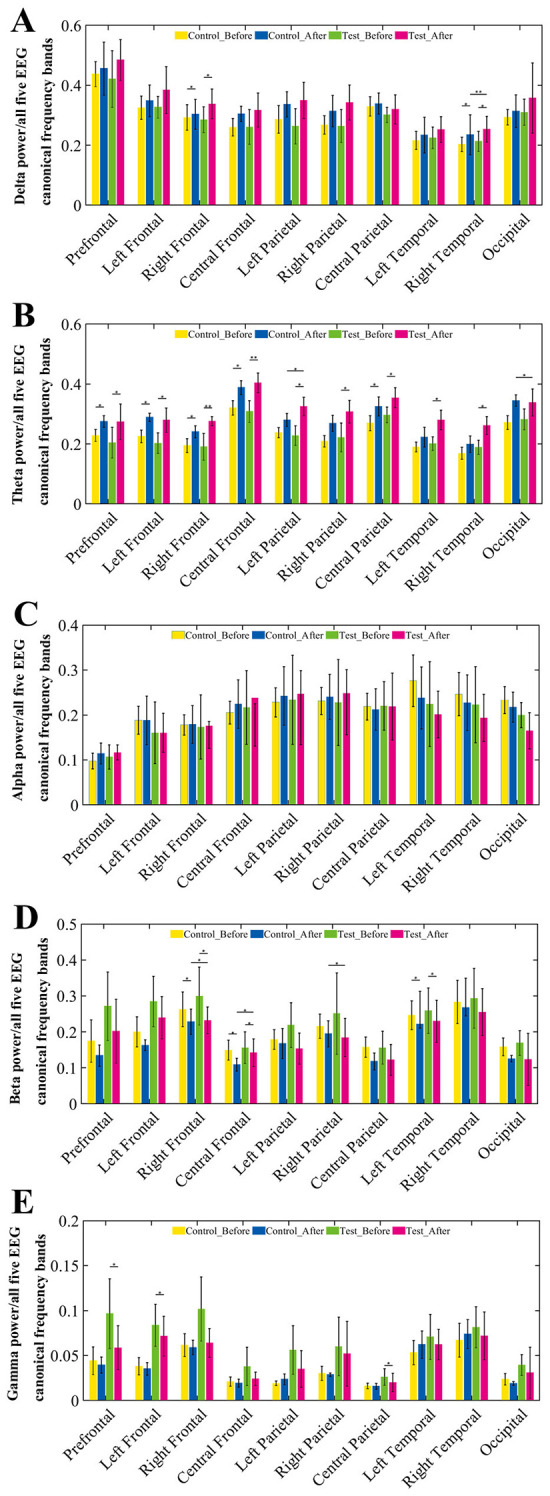 Figure 3
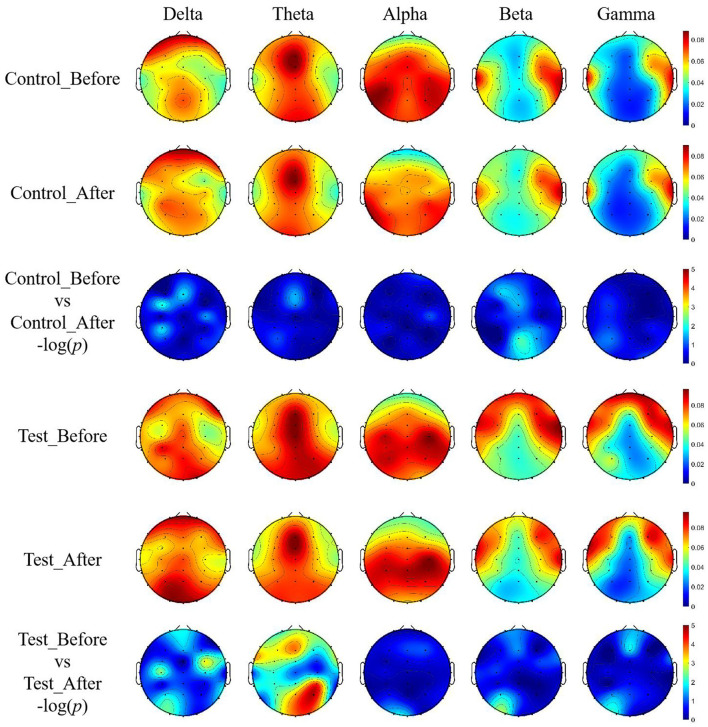 Figure 4
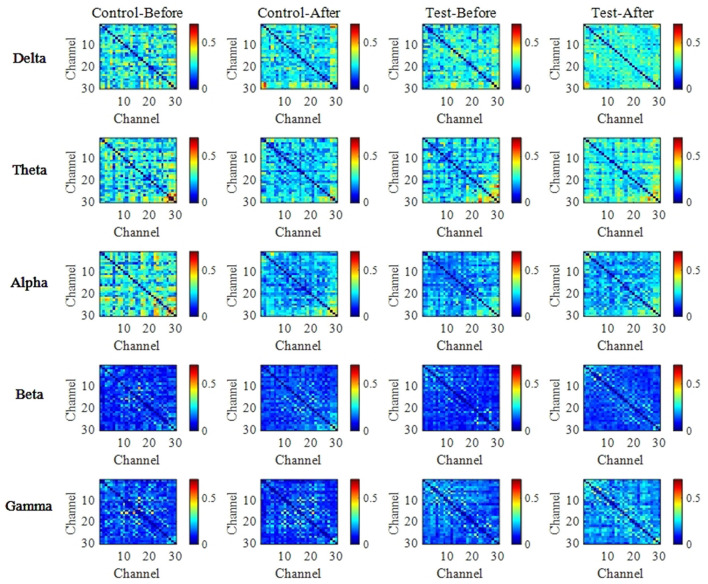 Figure 5
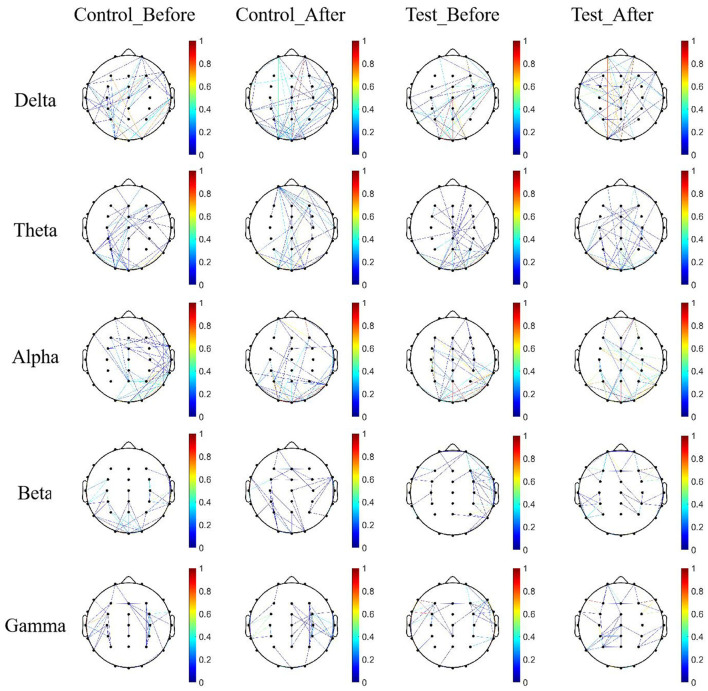 Figure 6
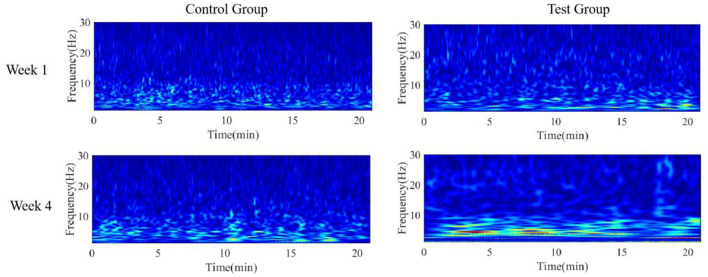 Figure 7
Peer Reviews
No public reviews on file for this paper yet. If you reviewed it on a platform where reviews are public (OpenReview, ICLR, NeurIPS, ICML), you can paste yours below so the community can read it here.
Videos
No videos yet. Explain this paper in a talk, walkthrough, or lecture? Add one.
Taxonomy
TopicsEEG and Brain-Computer Interfaces · Sport Psychology and Performance · Traumatic Brain Injury Research