The border between progenitor cell recruitment and nephron shaping in the fetal human kidney during late gestation: a basic but understudied region
Will W. Minuth

TL;DR
This paper explores how fetal human kidneys develop late in pregnancy, focusing on how nephrons form and how disruptions can lead to health issues later in life.
Contribution
The paper identifies the anatomical border between progenitor cell recruitment and nephron shaping in the fetal kidney, a previously understudied region.
Findings
Nephron morphogenesis begins at the far end of a cap mesenchyme, within the progenitor cell recruitment district.
The conus of the collecting duct ampulla co-elongates with the shaping nephron, suggesting a structural linkage.
Early structural details of nephron formation are critical for understanding developmental arrest and noxae imprints.
Abstract
The last 3 months of pregnancy are formative for the development of the fetal human kidney. Clinical experience with preterm and low birth weight infants indicates particular vulnerability during this period, as different noxae can terminate the development of new nephrons. This leads to oligonephropathy, which is associated with serious health consequences later in life. While the clinical aspects have been intensely investigated, few data point to the traces left by these noxae. In the nephrogenic zone, a reduction in its width and the absence of S-shaped bodies have been reported. Not only the targets of noxae but also the site and early links of nephron formation remain poorly investigated. This concerns the individual compartments of the nephrogenic zone and the border between the district of progenitor cell recruitment (DPCR) and the area of nephron shaping (ANS) as a potential…
Genes, proteins, chemicals, diseases, species, mutations and cell lines named across the full text — each resolved to its canonical identifier and authoritative record.
Click any figure to enlarge with its caption.
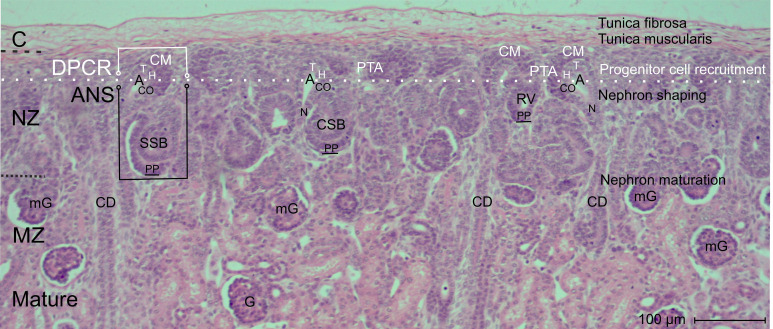 Figure 1
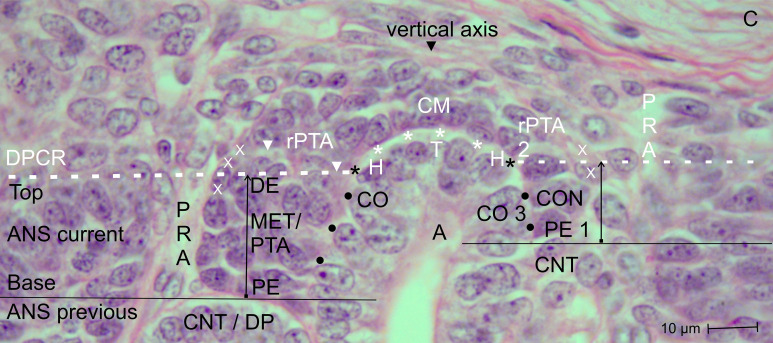 Figure 2
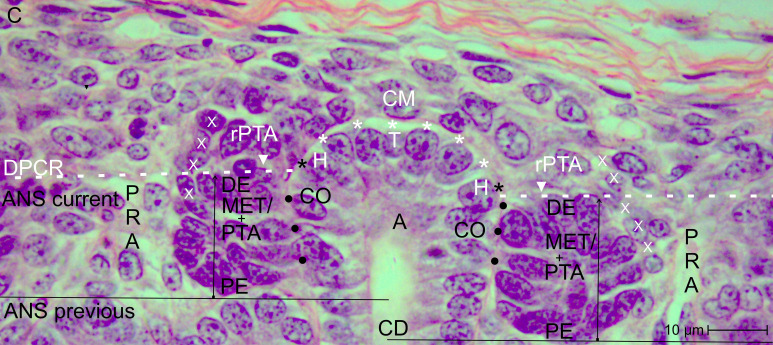 Figure 3
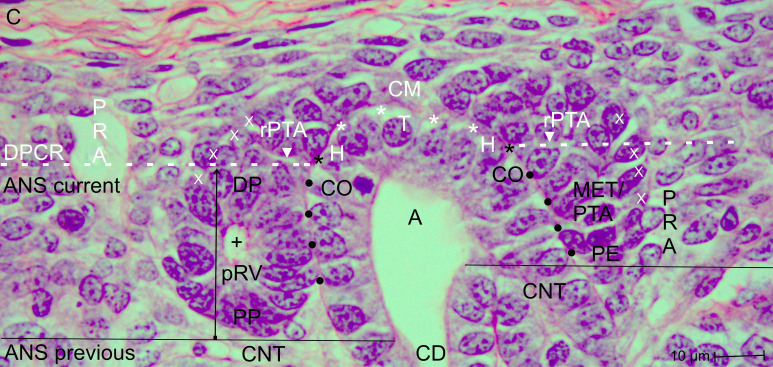 Figure 4
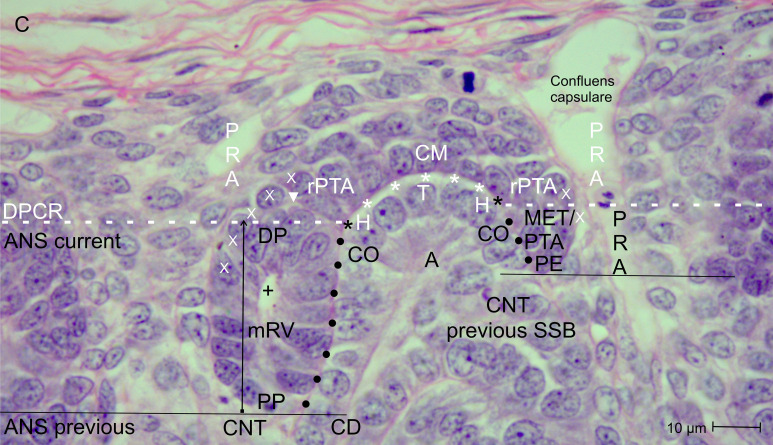 Figure 5
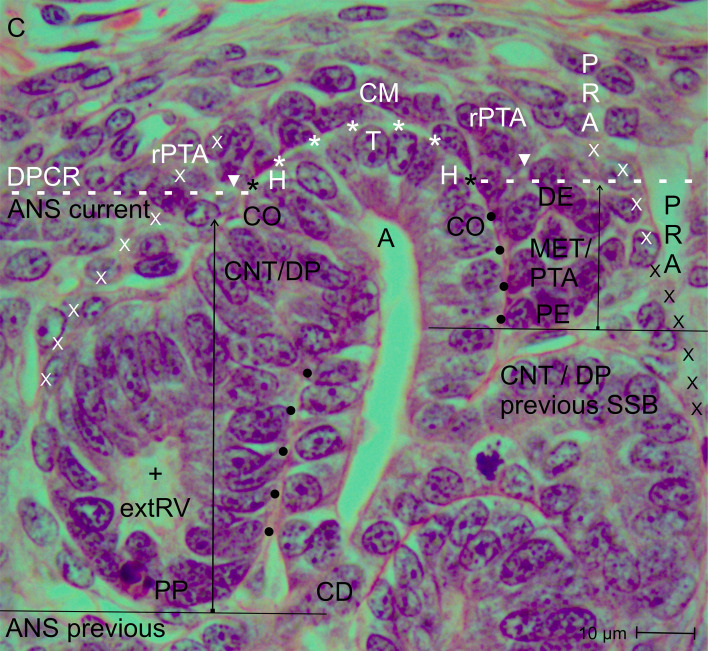 Figure 6
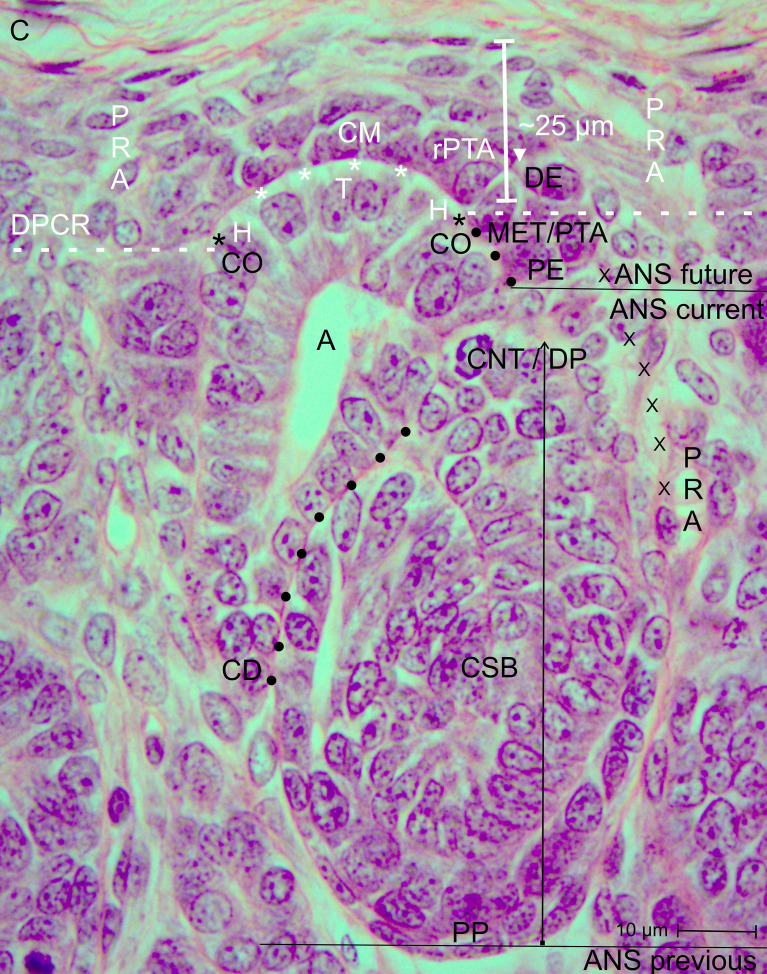 Figure 7
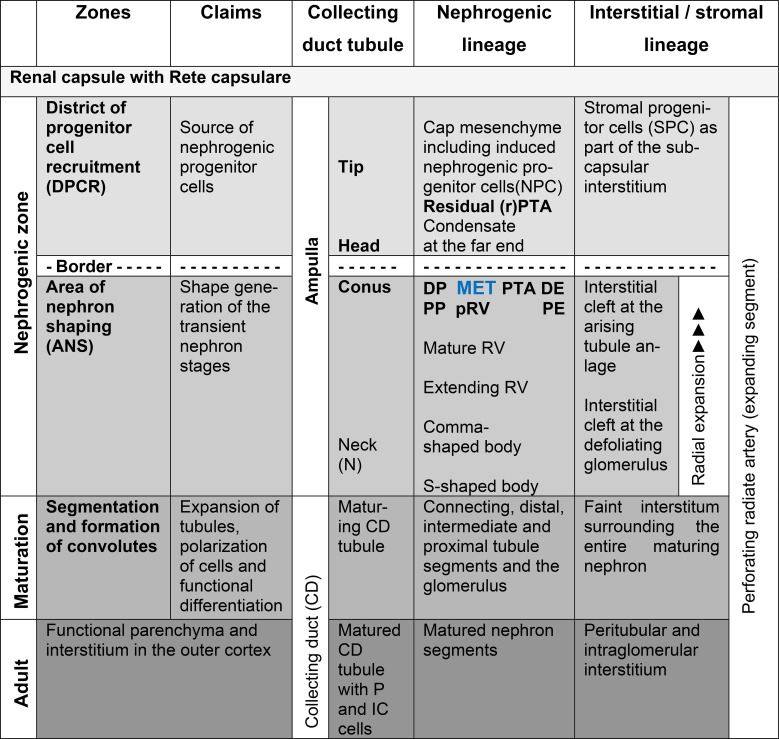 Figure 8
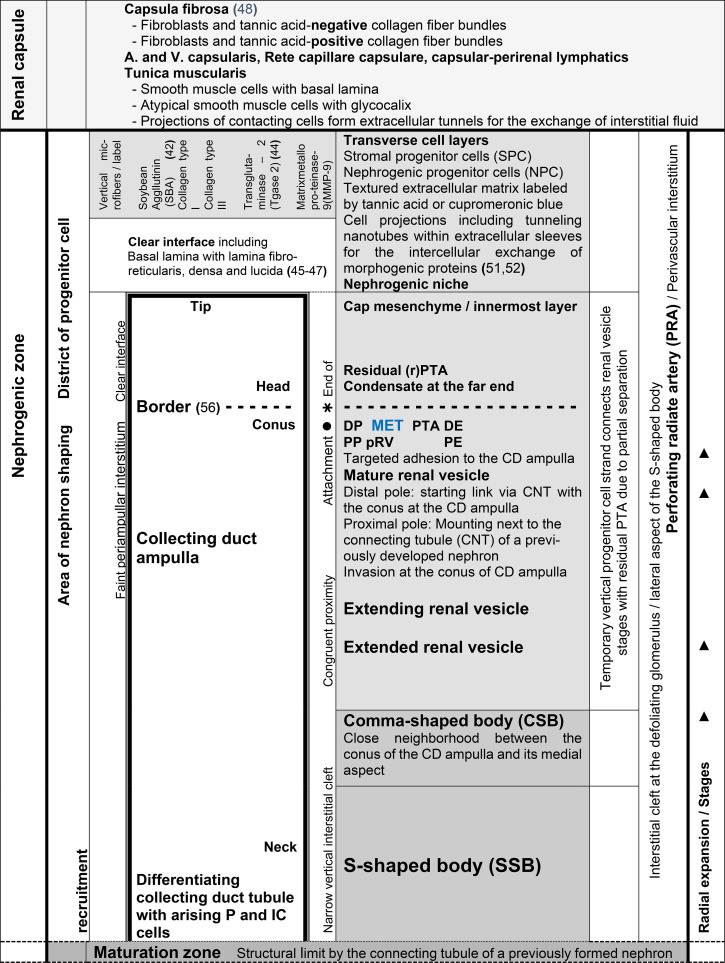 Figure 9
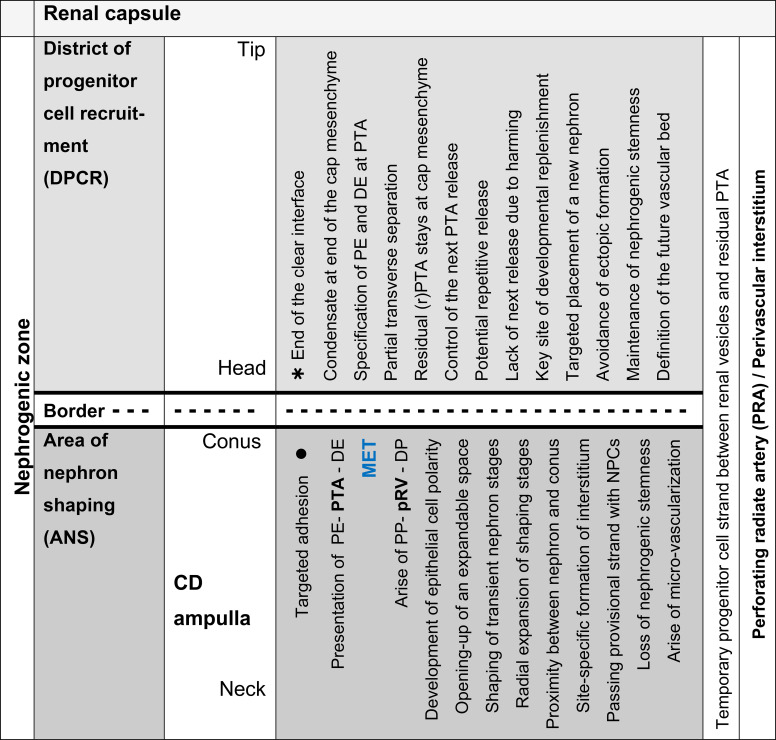 Figure 10
Peer Reviews
No public reviews on file for this paper yet. If you reviewed it on a platform where reviews are public (OpenReview, ICLR, NeurIPS, ICML), you can paste yours below so the community can read it here.
Videos
No videos yet. Explain this paper in a talk, walkthrough, or lecture? Add one.
Taxonomy
TopicsRenal and related cancers · Birth, Development, and Health · Pediatric Urology and Nephrology Studies