Aerobic exercise and MOTS-c attenuate diabetic myocardial fibrosis via inhibition of the THBS1/TGF-β signaling pathway
Zhiyu Li, Tutu Wang, Yu Fu, Feilong Chen, Shunchang Li

TL;DR
Aerobic exercise and the mitochondrial peptide MOTS-c reduce heart fibrosis in diabetes by inhibiting a key signaling pathway.
Contribution
The study reveals a novel molecular mechanism involving THBS1/TGF-β signaling inhibition by exercise and MOTS-c in diabetic myocardial fibrosis.
Findings
Aerobic exercise and MOTS-c reduce collagen buildup and improve heart function in diabetic models.
THBS1 is identified as a key gene with reduced activity in the THBS1/TGF-β pathway following these interventions.
Both approaches enhance glucose and lipid metabolism while dampening fibrotic signaling.
Abstract
Myocardial fibrosis stands as a defining pathological characteristic in type 2 diabetes. Aerobic exercise curbs the overproduction of type I/III collagen and boosts matrix metalloproteinases, thereby improving outcomes related to fibrosis in the heart. Although physical activity is well known for its positive effects on cardiac well-being in diabetic individuals, sticking to an exercise regimen proves to be a tough nut to crack for many patients. The mitochondrial peptide MOTS-c could serve as a stand-in for exercise, delivering cardioprotective benefits akin to those from working out. This study delved into the molecular mechanisms behind how exercise and MOTS-c influence cardiac fibrosis in diabetes. Both approaches led to marked enhancements in glucose and lipid metabolism, lowered collagen buildup, and bettered both systolic and diastolic heart functions. Through transcriptomic…
Genes, proteins, chemicals, diseases, species, mutations and cell lines named across the full text — each resolved to its canonical identifier and authoritative record.
Click any figure to enlarge with its caption.
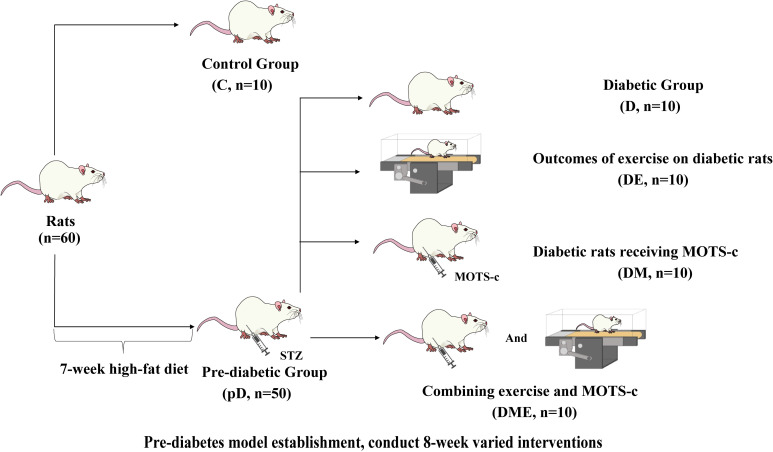 Figure 1
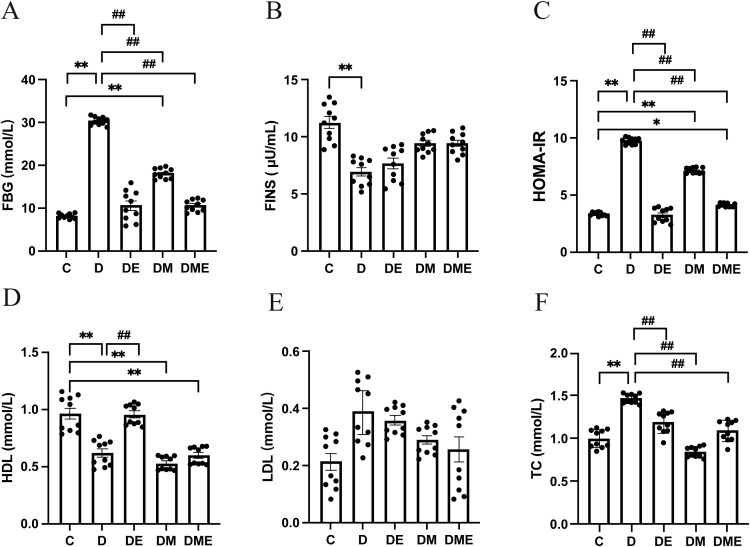 Figure 2
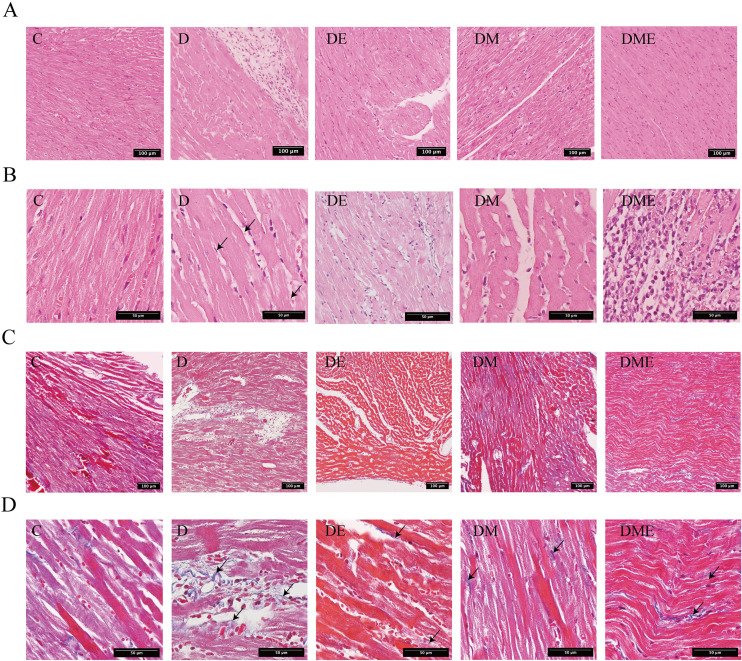 Figure 3
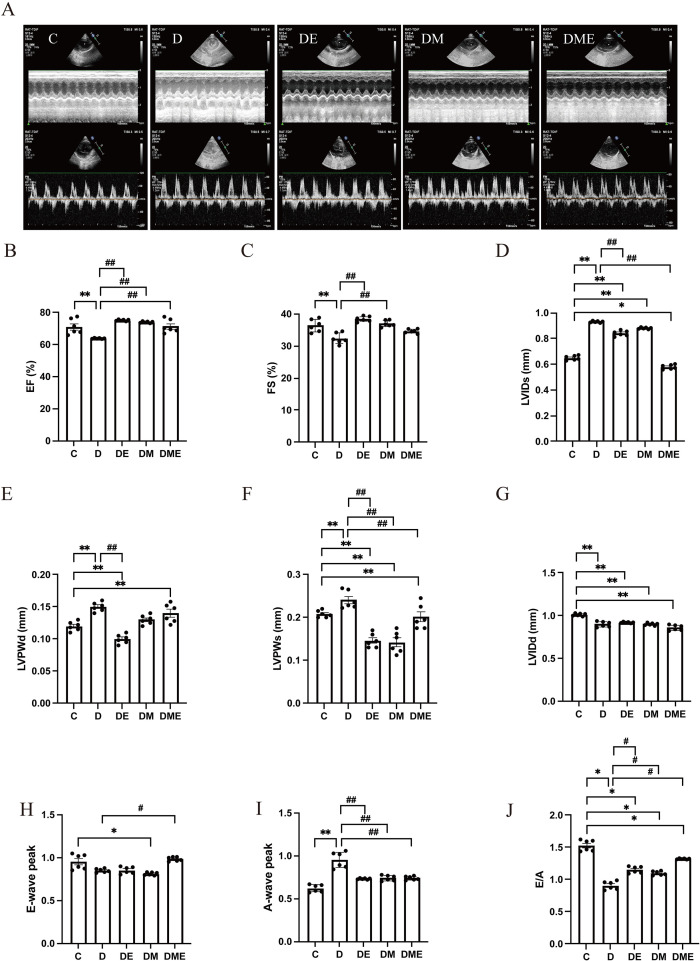 Figure 4
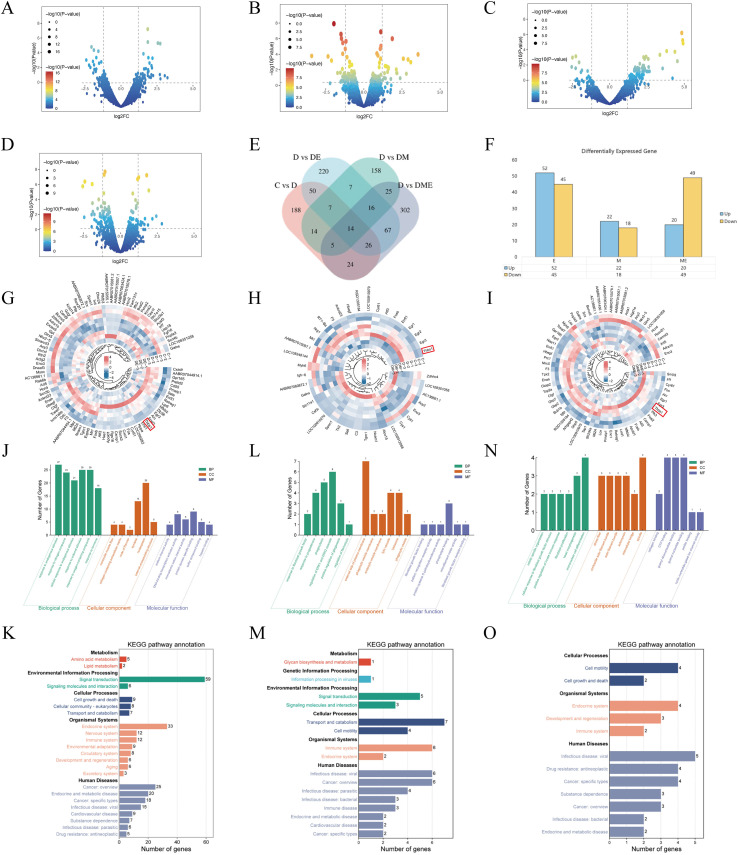 Figure 5
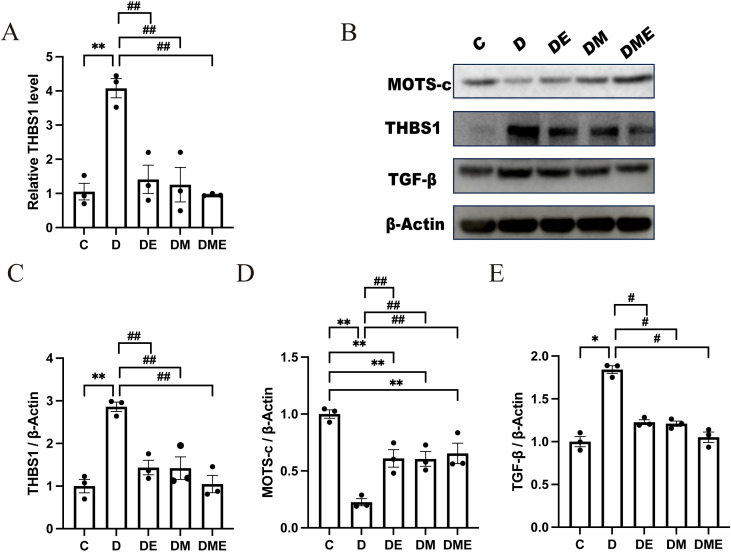 Figure 6
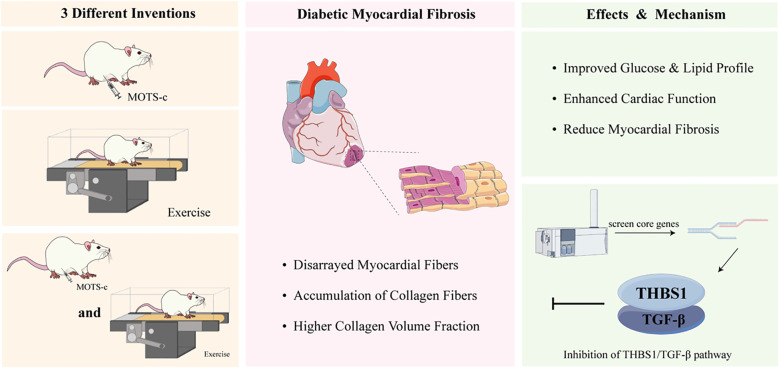 Figure 7
Peer Reviews
No public reviews on file for this paper yet. If you reviewed it on a platform where reviews are public (OpenReview, ICLR, NeurIPS, ICML), you can paste yours below so the community can read it here.
Videos
No videos yet. Explain this paper in a talk, walkthrough, or lecture? Add one.
Taxonomy
TopicsGDF15 and Related Biomarkers · S100 Proteins and Annexins · Inflammation biomarkers and pathways