High level expression of glucocorticoid receptor (GR) is linked to aggressive tumor features, early biochemical recurrence, and genetic instability in prostate cancer
Neele Heckmann, Henning Plage, Ronald Simon, Maximilian Lennartz, Christoph Fraune, Frank Jacobsen, Till Krech, Patrick Lebok, Sarah Minner, Eike Burandt, Till S. Clauditz, Waldemar Wilczak, Guido Sauter, Natalia Gorbokon, Morton Freytag, Florian Lutz, Viktor Reiswich

TL;DR
High levels of the glucocorticoid receptor in prostate cancer are linked to more aggressive disease and worse outcomes, suggesting it could help identify high-risk patients.
Contribution
This study demonstrates that GR expression is an independent prognostic marker for aggressive prostate cancer features and poor outcomes.
Findings
High GR staining is strongly associated with advanced tumor stage, high Gleason grade, and early recurrence.
Strong GR expression is independently predictive of poor prognosis, regardless of other clinical factors.
High GR expression correlates with TMPRSS2:ERG fusion and androgen receptor status, worsening patient outcomes.
Abstract
The glucocorticoid receptor (GR) is a nuclear receptor protein for cortisol and other glucocorticoids and regulates the transcription of thousands of genes involved in metabolism, development, stress and inflammatory response. In prostate cancer, GR may confer resistance to anti-androgen receptor therapies by bypassing AR blockade. However, only few data are available on the prognostic role of GR expression in prostate cancer. To estimate the prognostic value of GR, a tissue microarray containing 17,747 prostate cancers with associated follow-up and molecular data was analyzed by immunohistochemistry. All patients had undergone radical prostatectomy. GR immunostaining was found in 10,832 (89.1%) of 12,125 interpretable tumors, including 48.5% with weak, 29.8% with moderate and 11% with strong staining intensity. Increased GR staining was strongly linked to adverse feature of the…
Genes, proteins, chemicals, diseases, species, mutations and cell lines named across the full text — each resolved to its canonical identifier and authoritative record.
Click any figure to enlarge with its caption.
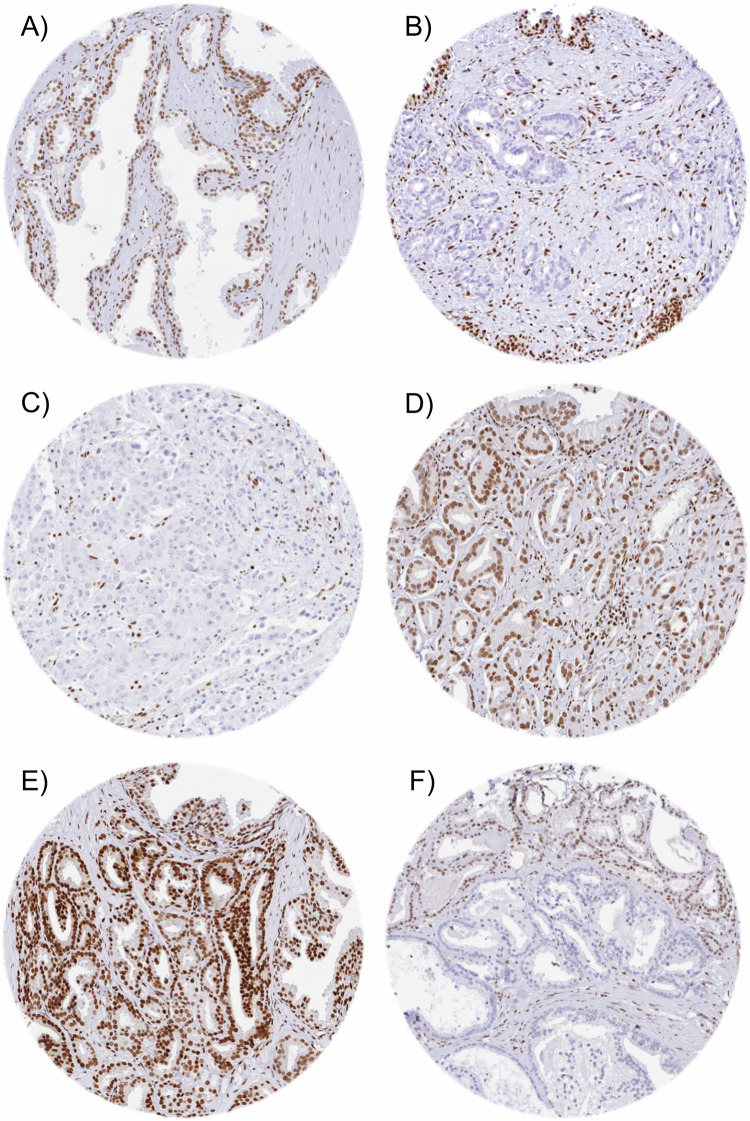 Figure 1
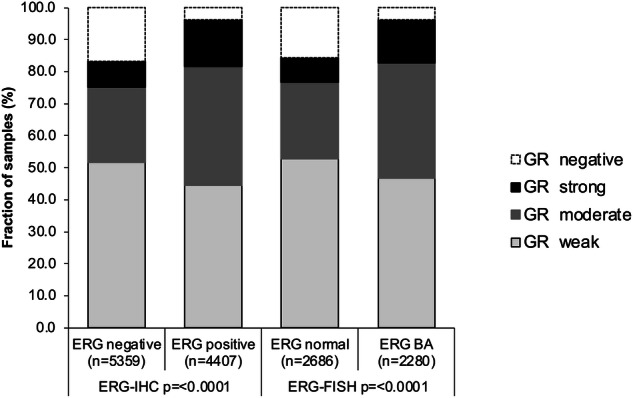 Figure 2
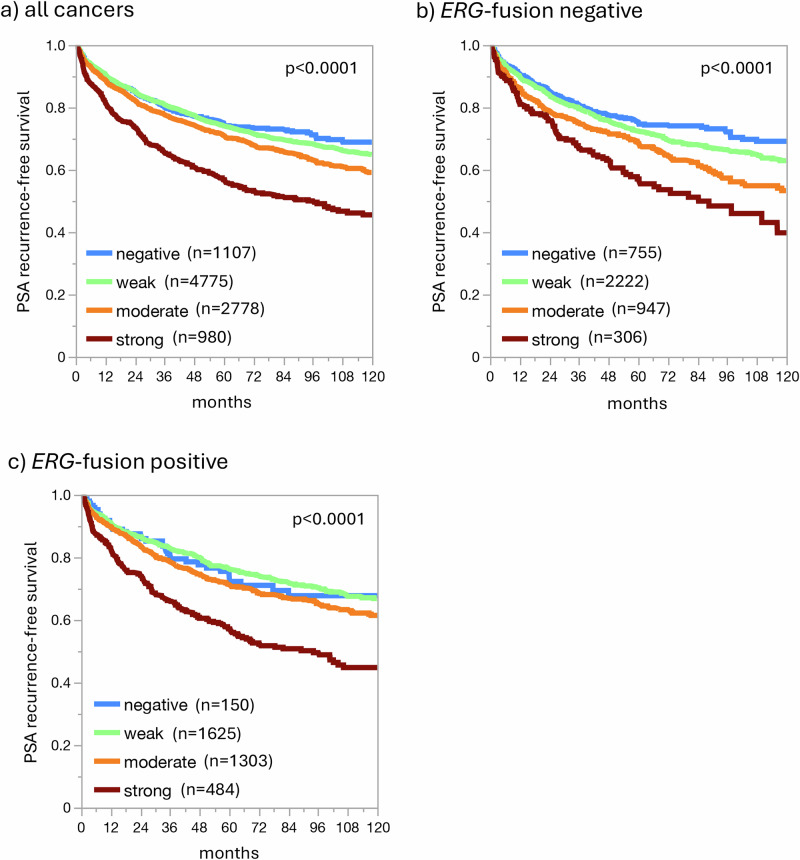 Figure 3
Peer Reviews
No public reviews on file for this paper yet. If you reviewed it on a platform where reviews are public (OpenReview, ICLR, NeurIPS, ICML), you can paste yours below so the community can read it here.
Videos
No videos yet. Explain this paper in a talk, walkthrough, or lecture? Add one.
Taxonomy
TopicsProstate Cancer Treatment and Research · Estrogen and related hormone effects · Hormonal Regulation and Hypertension