Inhaled sevoflurane in critically ill COVID-19 patients: A retrospective cohort study
Jose J. Zaragoza, Marco A. Baez-Garcia, Jose M. Lomeli-Teran, Daniela Anzures-Diaz, Paola Zamudio-Cantellano, Job H. Rodriguez-Guillen

TL;DR
A study found that using inhaled sevoflurane alongside IV sedation in critically ill COVID-19 patients did not reduce sedative use and led to longer ventilation and more antipsychotic use.
Contribution
This study evaluates inhaled sevoflurane as an adjunct to IV sedation in critically ill COVID-19 patients, revealing unexpected clinical outcomes.
Findings
Adjunctive inhaled sevoflurane did not reduce cumulative IV sedative doses in critically ill COVID-19 patients.
Sevoflurane use was associated with longer mechanical ventilation duration and higher antipsychotic use.
Daily propofol doses were lower in the sevoflurane group on specific days, but overall burden remained unchanged.
Abstract
Managing sedation in critically ill COVID-19 patients is challenging due to high sedative requirements and organ dysfunction that alters drug metabolism. Inhaled sevoflurane offers a lung-eliminated alternative that may mitigate drug accumulation. This single-center, retrospective cohort study analyzed 43 mechanically ventilated COVID-19 patients (March–November 2020). Patients received inhaled sevoflurane adjunctive to IV sedation (n=30) or IV sedation alone (n=13). The primary outcome was the cumulative dose of IV sedatives over 7 days. Secondary outcomes included time to extubation and antipsychotic use. There was no significant difference in the cumulative dose of IV sedatives between groups. However, the sevoflurane group had a significantly longer median duration of mechanical ventilation (206 [IQR 144–356] vs 144 [IQR 115–156] hours, p=0.005) and a higher requirement for…
Genes, proteins, chemicals, diseases, species, mutations and cell lines named across the full text — each resolved to its canonical identifier and authoritative record.
Click any figure to enlarge with its caption.
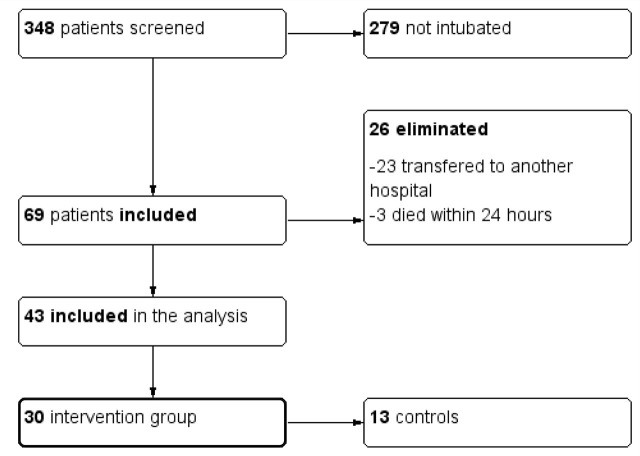 Figure 1
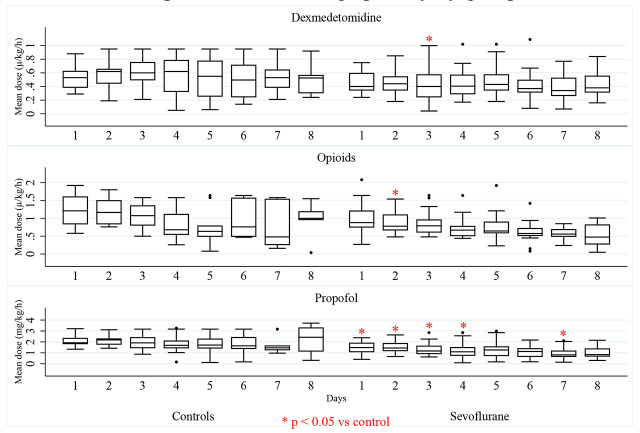 Figure 2
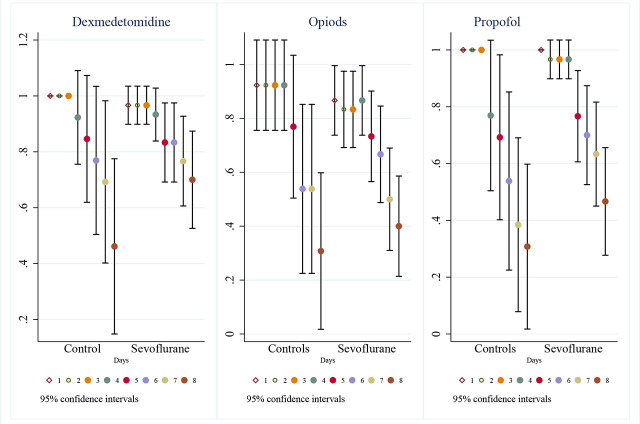 Figure 3
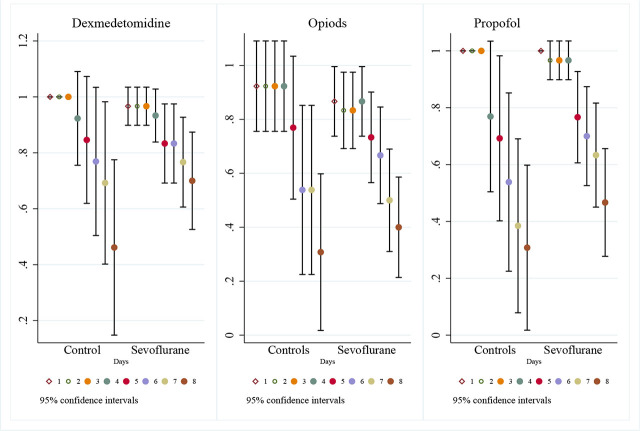 Figure 4
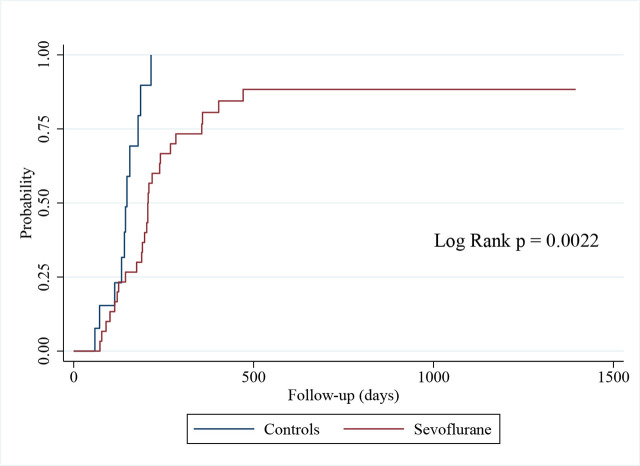 Figure 5
Peer Reviews
No public reviews on file for this paper yet. If you reviewed it on a platform where reviews are public (OpenReview, ICLR, NeurIPS, ICML), you can paste yours below so the community can read it here.
Videos
No videos yet. Explain this paper in a talk, walkthrough, or lecture? Add one.
Taxonomy
TopicsIntensive Care Unit Cognitive Disorders · Anesthesia and Sedative Agents · Pharmacological Receptor Mechanisms and Effects