Isoflavonoids and Epigenetic Modulation: Therapeutic Insights for Cancer Treatment
Eduardo de Moraes e Sousa, Maria Claudia dos Santos Luciano, Gabriel Caetano de Souza, Maria Francilene Souza Silva, Fátima de Cássia Evangelista de Oliveira, Sarah Sant'Anna Maranhão, Felipe Vasconcelos, Cristiana Libardi Miranda Furtado, Claudia do Ó Pessoa

TL;DR
This paper explores how isoflavonoids, especially pterocarpans, can modulate epigenetic processes and offer new cancer treatment possibilities, particularly in leukemia.
Contribution
The paper highlights the epigenetic potential of (+)-2,3,9-trimethoxypterocarpan as a promising candidate for leukemia treatment.
Findings
(+)‐2,3,9‐trimethoxypterocarpan shows high gastrointestinal absorption and can cross the blood–brain barrier in silico.
P-glycoprotein is a substrate for the molecule, indicating active efflux potential from the blood–brain barrier and gastrointestinal tract.
In silico models like SwissADME support the molecule's favorable pharmacokinetic properties.
Abstract
Isolavonoides represent the second largest subgroup of flavonoids and have an influence on critical molecular pathways and restore cellular homeostasis, through the reprogramming of epigenetic regulatory mechanisms. This feature indicates a crucial therapeutic potential that could be better explored to attend cancer treatment. Isoflavonoids, acting as epigenetic modulators, could contribute to the development of new therapeutic approaches in cancer, especially in onco‐hematological diseases. Pterocarpans are a subgroup of isoflavonoids that have been extensively studied for their biological properties. The molecule (+)‐2,3,9‐trimethoxypterocarpan demonstrates high gastrointestinal (GI) absorption and the ability to cross the blood–brain barrier (BBB) in silico without violating Lipinski's rule, making it a desirable candidate in leukemia treatment. The synthesis of this molecule dates…
Genes, proteins, chemicals, diseases, species, mutations and cell lines named across the full text — each resolved to its canonical identifier and authoritative record.
Click any figure to enlarge with its caption.
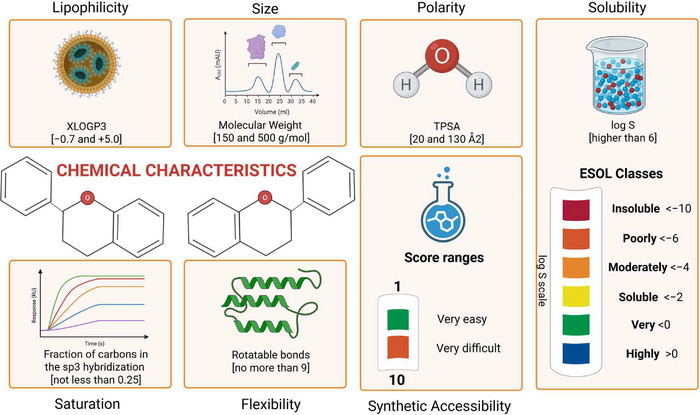 Figure 1
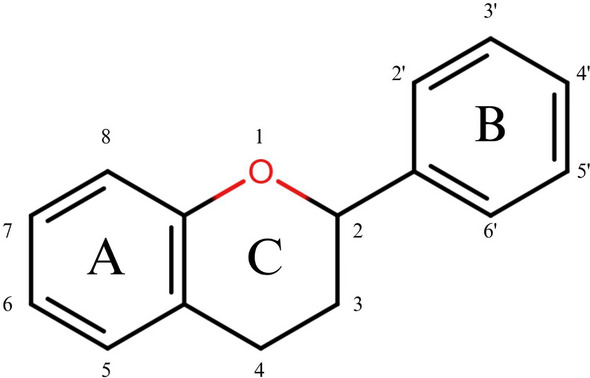 Figure 2
 Figure 3
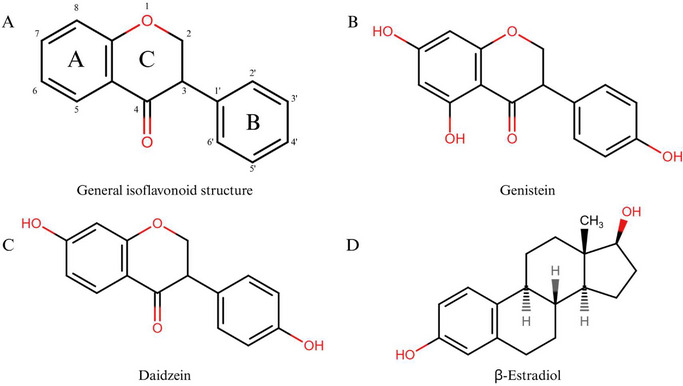 Figure 4
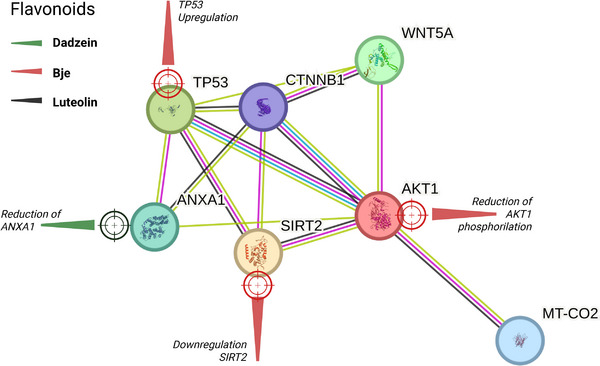 Figure 5
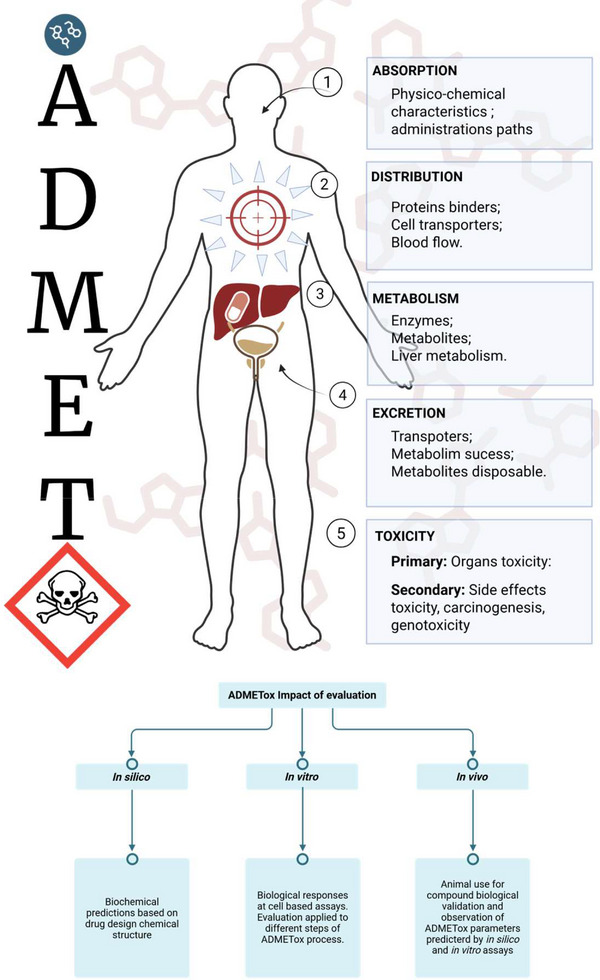 Figure 6
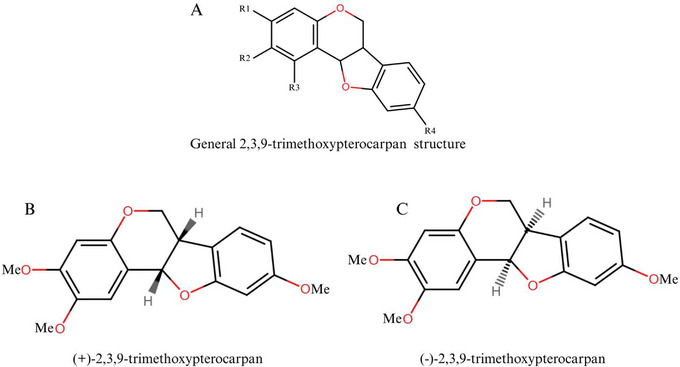 Figure 7
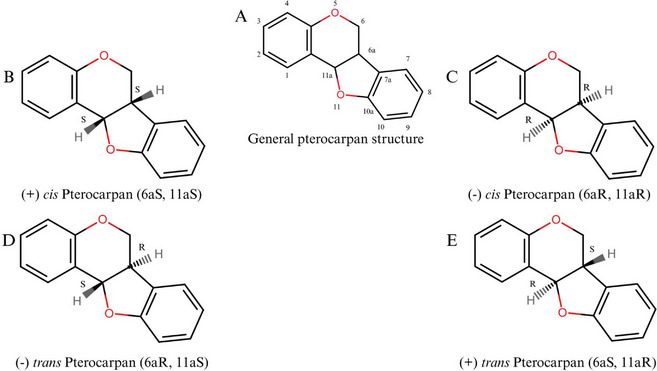 Figure 8
Peer Reviews
No public reviews on file for this paper yet. If you reviewed it on a platform where reviews are public (OpenReview, ICLR, NeurIPS, ICML), you can paste yours below so the community can read it here.
Videos
No videos yet. Explain this paper in a talk, walkthrough, or lecture? Add one.
Taxonomy
TopicsHistone Deacetylase Inhibitors Research · Phytoestrogen effects and research · Bioactive natural compounds