Epilepsy disease classification: a community effort to enhance the Mondo Disease Ontology
Nicole Vasilevsky, Sarah Gehrke, Kathleen Mullen, Subit Barua, Ian Braun, Tobias Brünger, Curtis Coughlin, Alina Ivaniuk, Daniel Korn, Dennis Lal, Stephanie Marsh, Elaine O’Loughlin, Daniel Olson, Yousif Shwetar, Christalena Sofocleous, Vanessa Vogel-Farley, Heidi Grabenstatter

TL;DR
This paper describes a collaborative effort to improve the classification of epilepsy in a medical ontology to better support research and data sharing.
Contribution
A revised and more accurate epilepsy classification in the Mondo Disease Ontology through expert collaboration and alignment with clinical standards.
Findings
Epilepsy subtypes in Mondo were reclassified to align with the ILAE system.
The updated ontology supports better data integration and interoperability for epilepsy research.
Specialists and patient advocates contributed to refining the epilepsy hierarchy in Mondo.
Abstract
Motivation: Epilepsy is a diverse group of neurological disorders affecting over 50 million people worldwide. While common epilepsy types are well studied, rare epilepsies—often severe and genetically complex—pose significant challenges in diagnosis, research, and treatment. Accurate and interoperable etiology and disease classifications are critical for improving data sharing, supporting clinical decision-making, and advancing rare disease research. Results: To enhance the accuracy of epilepsy-related disease concept representation within the Mondo Disease Ontology (Mondo), we conducted a series of expert-driven workshops in collaboration with the team from the Rare Disease Cures Accelerator-Data and Analytics Platform (RDCA-DAP). Specialists in epileptology, genetics, neurodevelopment, biomedical ontology, and patient community advocates systematically reviewed and revised the…
Genes, proteins, chemicals, diseases, species, mutations and cell lines named across the full text — each resolved to its canonical identifier and authoritative record.
Click any figure to enlarge with its caption.
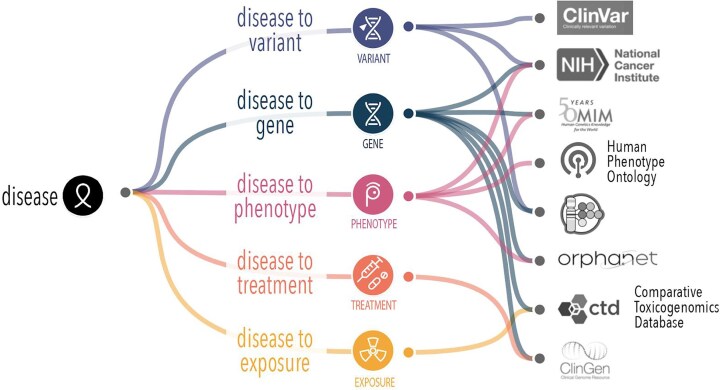 Figure 1
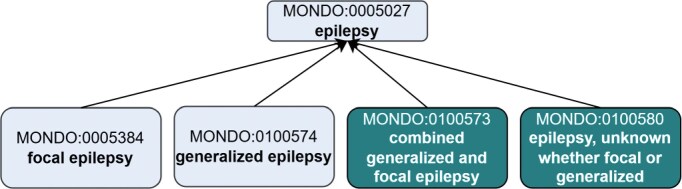 Figure 2
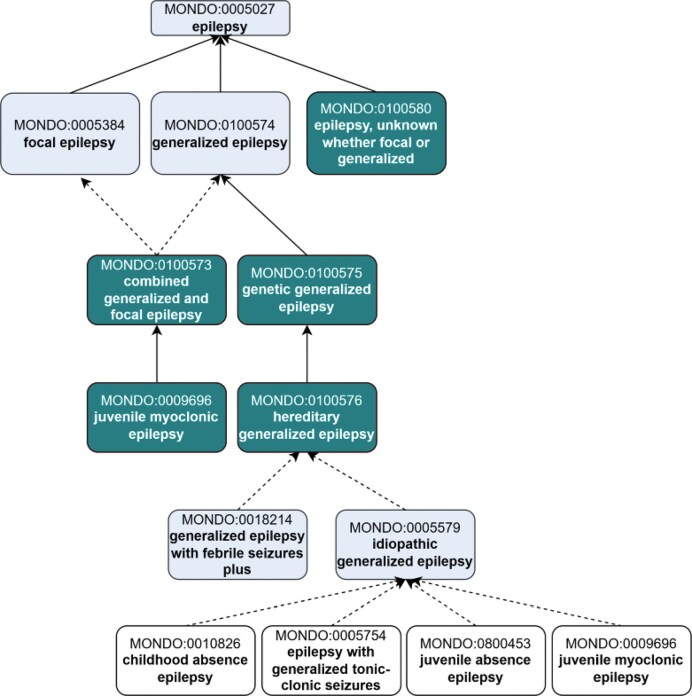 Figure 3
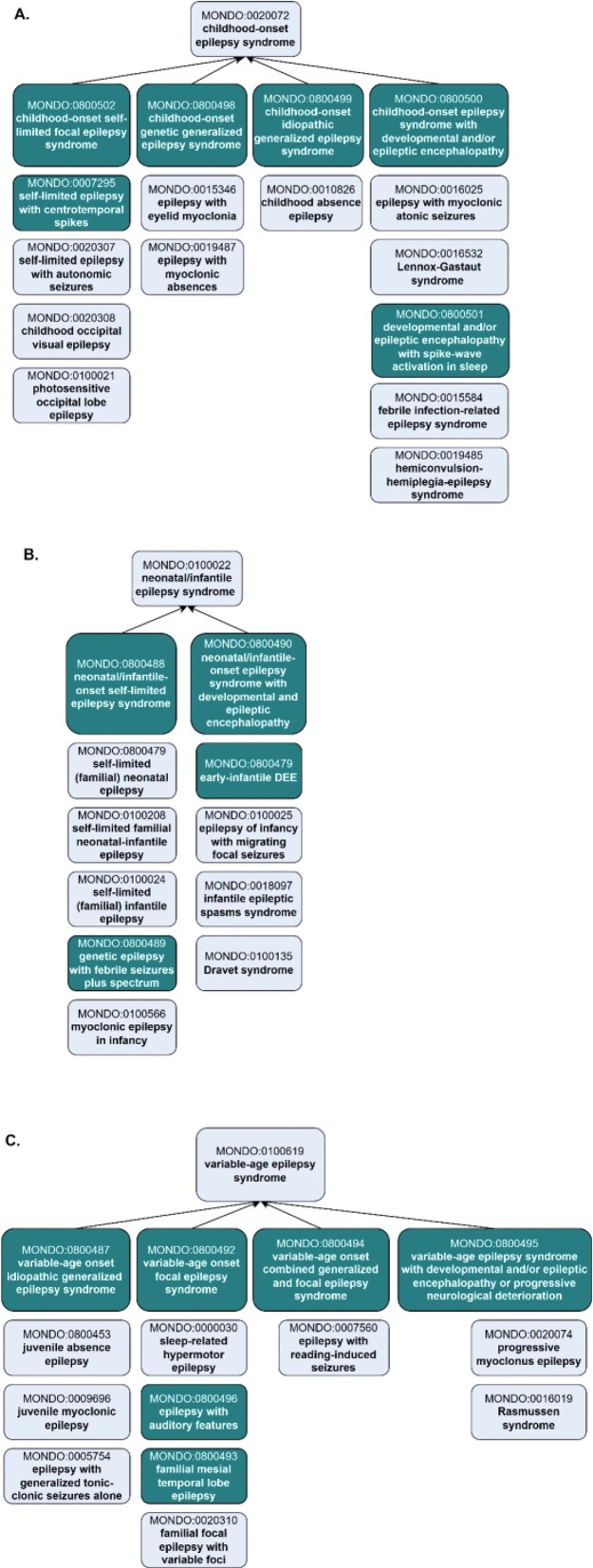 Figure 4
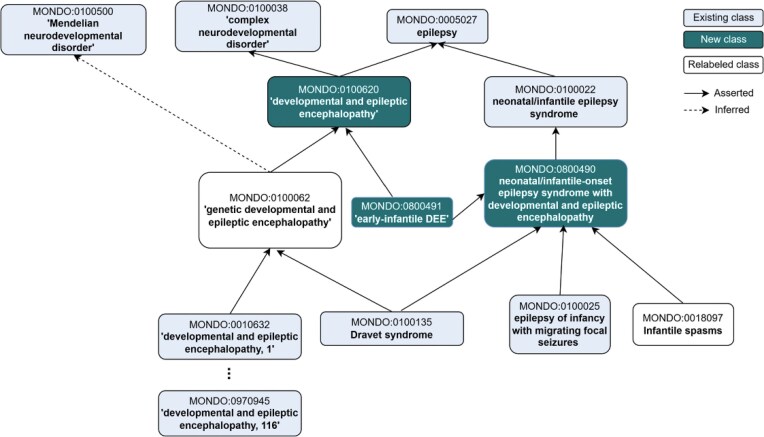 Figure 5
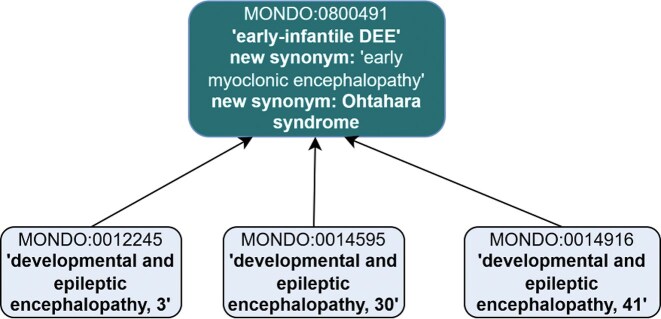 Figure 6
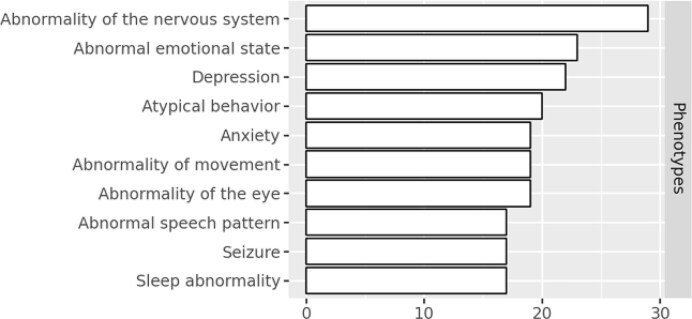 Figure 7
Peer Reviews
No public reviews on file for this paper yet. If you reviewed it on a platform where reviews are public (OpenReview, ICLR, NeurIPS, ICML), you can paste yours below so the community can read it here.
Videos
No videos yet. Explain this paper in a talk, walkthrough, or lecture? Add one.
Taxonomy
TopicsGenomics and Rare Diseases · Epilepsy research and treatment · Machine Learning in Healthcare