Performance, thermoregulation, and liver function in beef heifers exposed to endophyte-infected or endophyte-free tall fescue under a common environment
Joao Vitor G Takashe, Jackson Matthews, Daniel W Shike, Camila U Braz

TL;DR
Ergot alkaloids in endophyte-infected tall fescue reduce beef heifer growth, heat tolerance, and liver function within two weeks.
Contribution
Demonstrates early onset of fescue toxicosis effects on cattle metabolism and thermoregulation under controlled conditions.
Findings
E+ heifers showed reduced feed intake, growth, and elevated body temperatures compared to E− heifers.
E+ heifers exhibited liver stress markers like elevated AST and reduced ALP and cholesterol.
Heatwaves exacerbated stress in E+ heifers, with greater dry matter intake suppression than in E− heifers.
Abstract
This study demonstrates that toxins in endophyte-infected tall fescue reduce feed intake, growth, and heat tolerance in beef heifers, with these effects becoming apparent within two weeks. The exposure also caused liver stress and metabolic disruption. These findings highlight the significant impacts of fescue toxicosis on cattle health and productivity. Fescue toxicosis, induced by ingestion of ergot alkaloids from endophyte-infected tall fescue, remains a significant challenge to beef cattle production. This study evaluated the effects of fescue toxicosis on performance, thermoregulation, and liver metabolism in beef heifers maintained under the same experimental conditions as non-exposed controls. Twenty-four commercial Angus heifers were randomly assigned to a diet containing either an endophyte-infected (E+) or endophyte-free (E−) seeds for 49 days. Heifers were allocated to…
Genes, proteins, chemicals, diseases, species, mutations and cell lines named across the full text — each resolved to its canonical identifier and authoritative record.
Click any figure to enlarge with its caption.
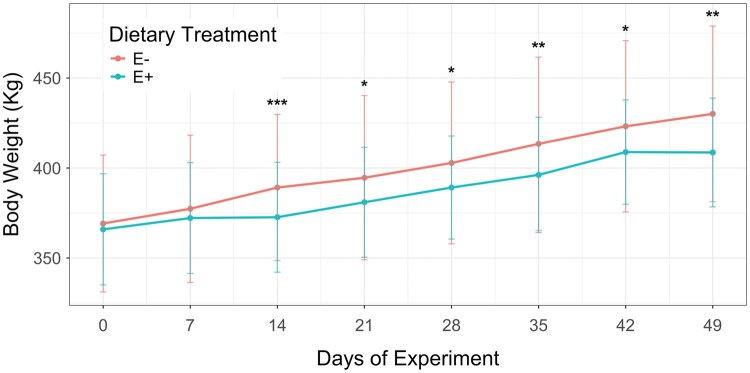 Figure 1
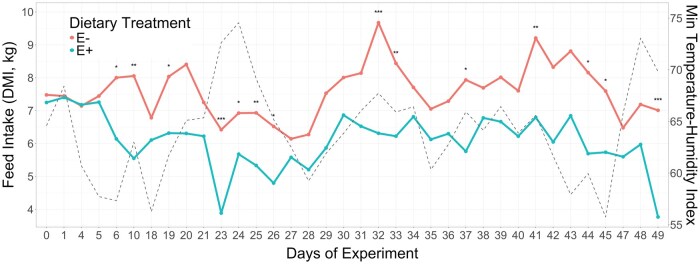 Figure 2
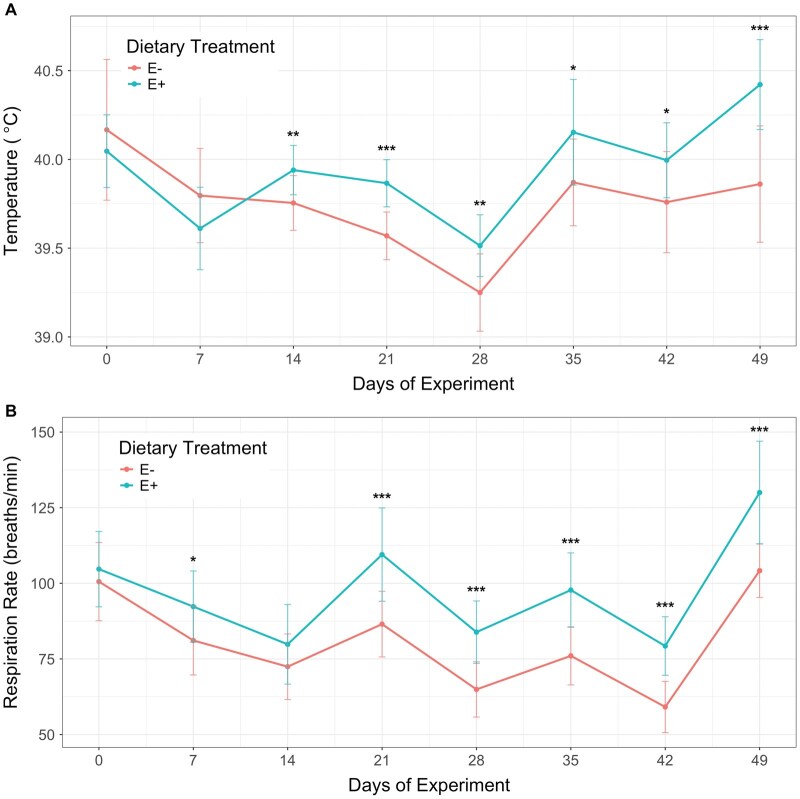 Figure 3
Peer Reviews
No public reviews on file for this paper yet. If you reviewed it on a platform where reviews are public (OpenReview, ICLR, NeurIPS, ICML), you can paste yours below so the community can read it here.
Videos
No videos yet. Explain this paper in a talk, walkthrough, or lecture? Add one.
Taxonomy
TopicsPlant and fungal interactions · Botanical Research and Chemistry · Ruminant Nutrition and Digestive Physiology