Understanding Machine Learning Applications in Lung Transplantation: A Narrative Review
Bieke Vercauteren, Balin Özsoy, Jasper Gielen, Meixing Liao, Ewout Muylle, Jan Van Slambrouck, Bart M. Vanaudenaerde, Robin Vos, Pieterjan Kerckhof, Saskia Bos, Jean-Marie Aerts, Laurens J. Ceulemans

TL;DR
This paper reviews how machine learning can help improve lung transplantation by analyzing complex data to better predict outcomes and manage challenges like donor shortages.
Contribution
The paper provides a narrative review of machine learning applications in lung transplantation, highlighting promising techniques and barriers to clinical adoption.
Findings
Machine learning techniques like support vector machines and deep learning improve risk stratification in lung transplantation.
Random forests and transfer learning help in data-scarce settings and improve model interpretability.
ML applications in multi-omics and imaging diagnostics show potential but face barriers like small datasets and poor interpretability.
Abstract
Lung transplantation (LTx) offers life-saving therapy for patients with end-stage lung disease but remains limited by donor shortages, complex postoperative management and graft failure. Machine learning (ML) enables opportunities to address these challenges by identifying patterns in complex, high-dimensional data, thereby providing novel insights and improving outcomes. This review outlines ML studies in LTx and explains the methodologies. ML has demonstrated promising results in organ allocation and outcome prediction. Techniques such as support vector machines, and deep learning are useful in risk stratification, while methods like random forests improve interpretability and transfer learning supports model development in data-scarce settings. ML has a growing role in multi-omics data and imaging-based diagnostics. Despite promising results, barriers such as small datasets,…
Genes, proteins, chemicals, diseases, species, mutations and cell lines named across the full text — each resolved to its canonical identifier and authoritative record.
Click any figure to enlarge with its caption.
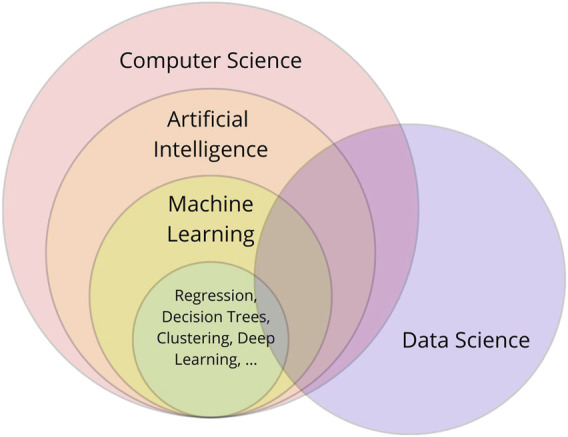 Figure 1
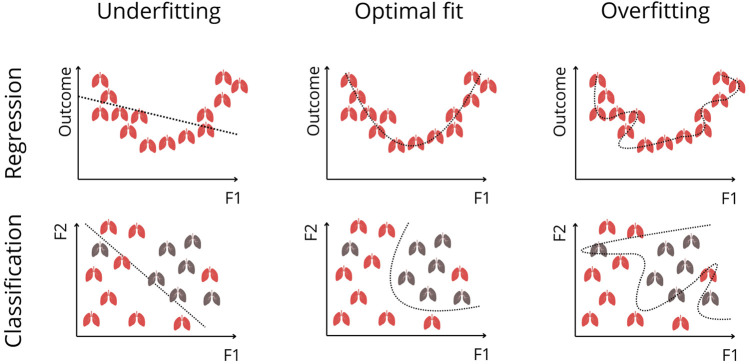 Figure 2
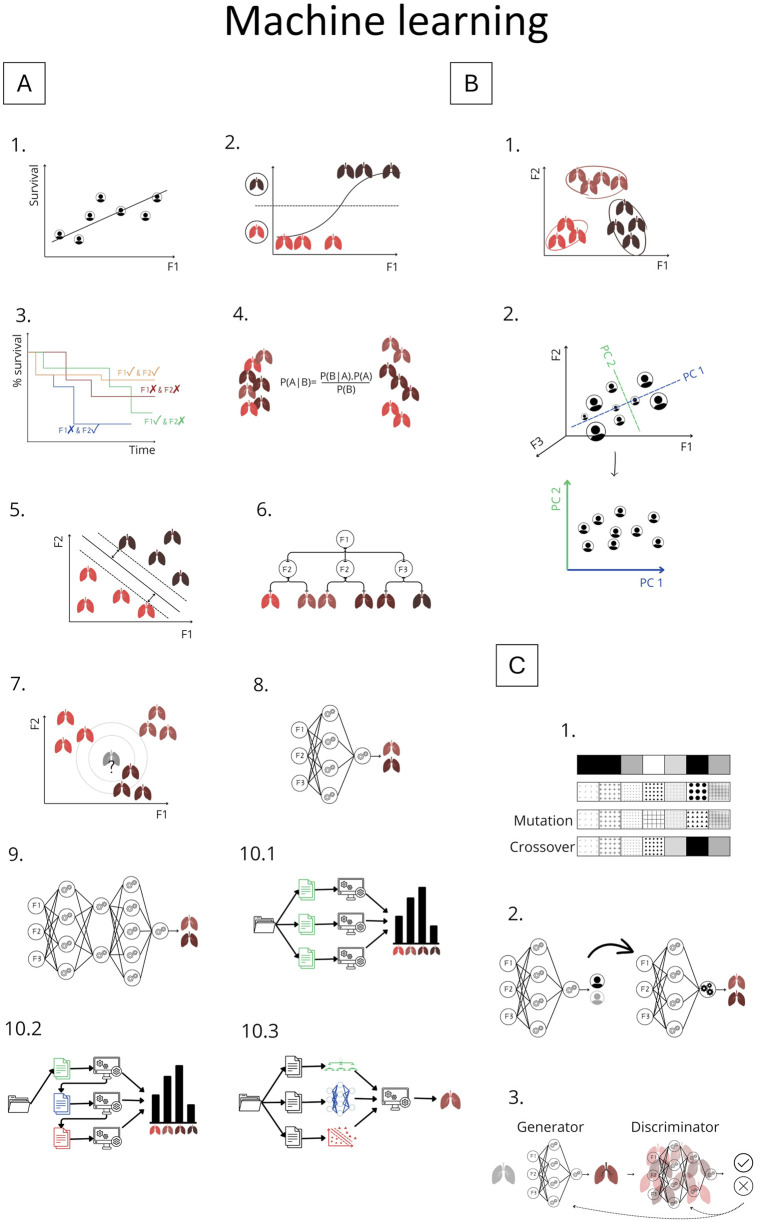 Figure 3
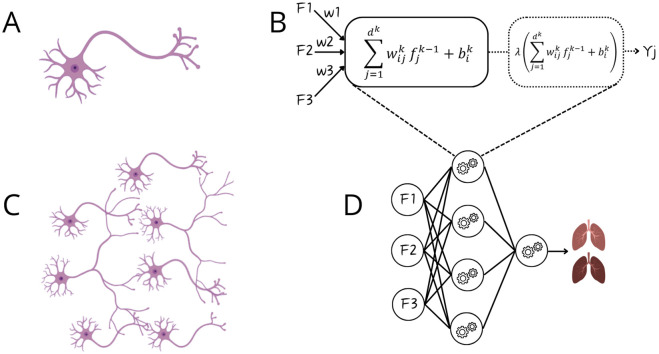 Figure 4
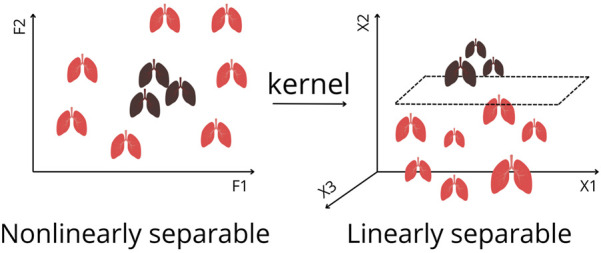 Figure 5
Peer Reviews
No public reviews on file for this paper yet. If you reviewed it on a platform where reviews are public (OpenReview, ICLR, NeurIPS, ICML), you can paste yours below so the community can read it here.
Videos
No videos yet. Explain this paper in a talk, walkthrough, or lecture? Add one.
Taxonomy
TopicsTransplantation: Methods and Outcomes · Renal Transplantation Outcomes and Treatments · AI in cancer detection