Neurocognitive and Autonomic Signatures of Performance Under Motivational Stress: An Integrated Psychophysiological Analysis of Reward and Punishment in Shooting Performance
Ming‐Yang Cheng, Kuo‐Pin Wang, Tsung‐Min Hung, Calvin Lu, Hyuk Oh, Ying Ying Tan, Bradley Hatfield

TL;DR
This study explores how reward and punishment affect shooting performance under pressure by analyzing brain and body responses.
Contribution
The study identifies specific neurocognitive and autonomic markers linked to performance resilience under motivational stress.
Findings
Reward framing enhances focus and movement stability through elevated sensorimotor rhythm and heart rate variability.
Punishment increases error sensitivity and disrupts brain communication, especially in lower-performing athletes.
Motivational incentives modulate brain-body dynamics, offering targets for performance-enhancing interventions.
Abstract
Motivational framing—such as reward and punishment—critically shapes performance under pressure, yet the underlying neurocognitive and autonomic mechanisms remain unclear. Guided by the cognitive–affective–motor (CAM) model and psychomotor efficiency theory (PET), this study examined how motivational context modulates brain–body dynamics during high‐pressure precision performance. Using a within‐subject design, elite marksmen performed a simulated shooting task under reward, punishment, and neutral conditions. Neurophysiological markers were assessed across four domains: affective regulation (frontal alpha asymmetry [FAA], eyeblink startle [EBS]), cognitive control (feedback‐related negativity [fERN], frontal midline theta), motor readiness (sensorimotor rhythm [SMR], fronto‐temporal coherence), and autonomic flexibility (heart rate variability [HRV]). Reward framing elicited a…
Genes, proteins, chemicals, diseases, species, mutations and cell lines named across the full text — each resolved to its canonical identifier and authoritative record.
Click any figure to enlarge with its caption.
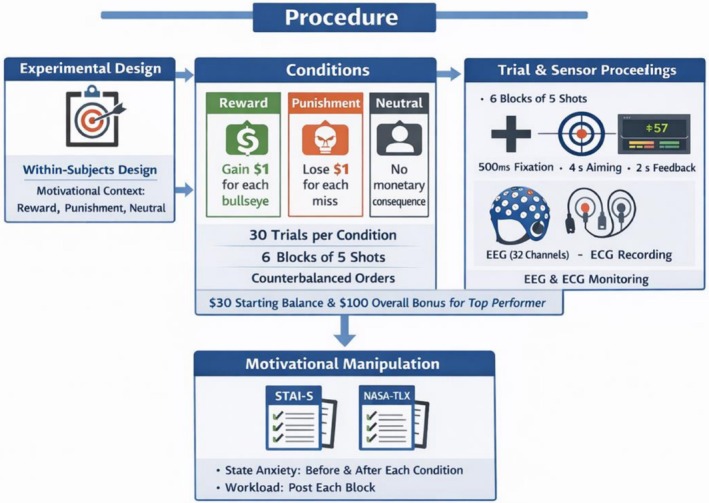 Figure 1
 Figure 2
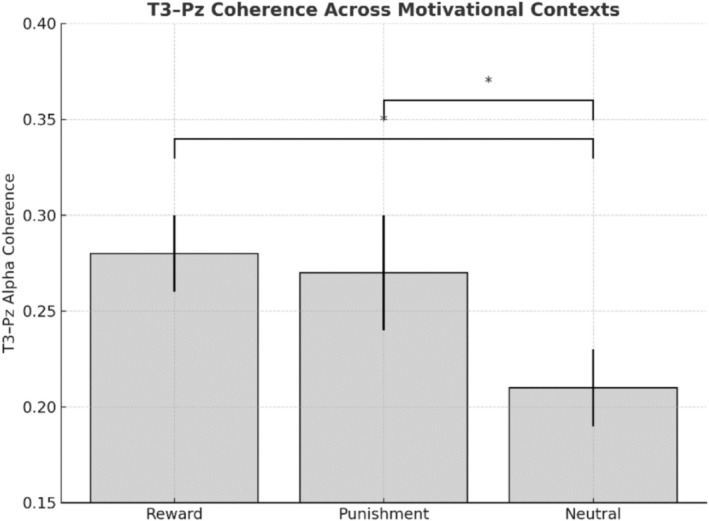 Figure 3
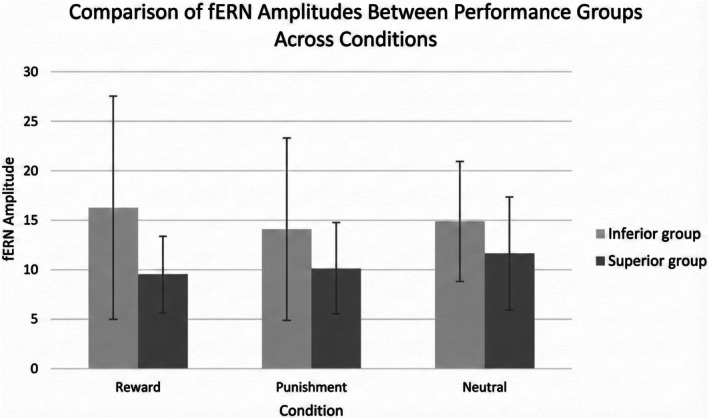 Figure 4
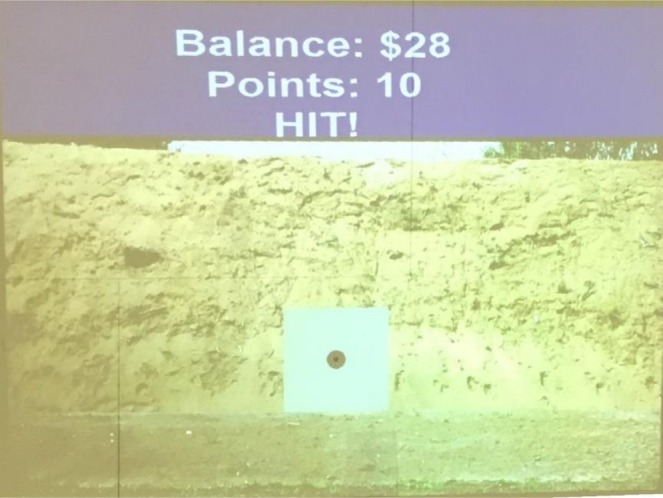 Figure 5
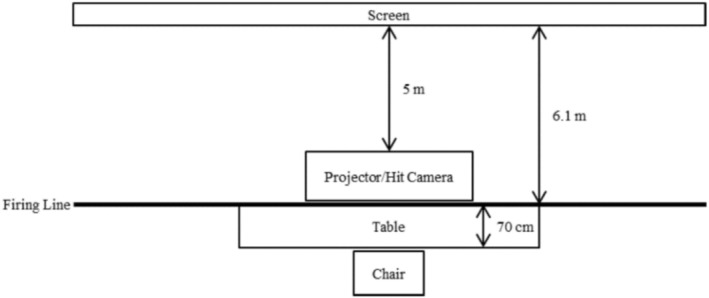 Figure 6
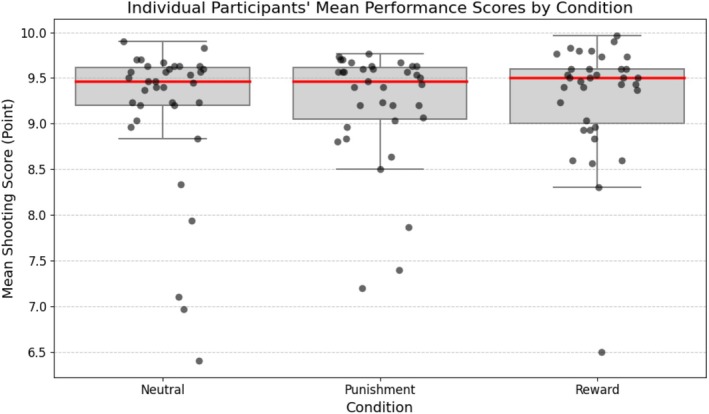 Figure 7
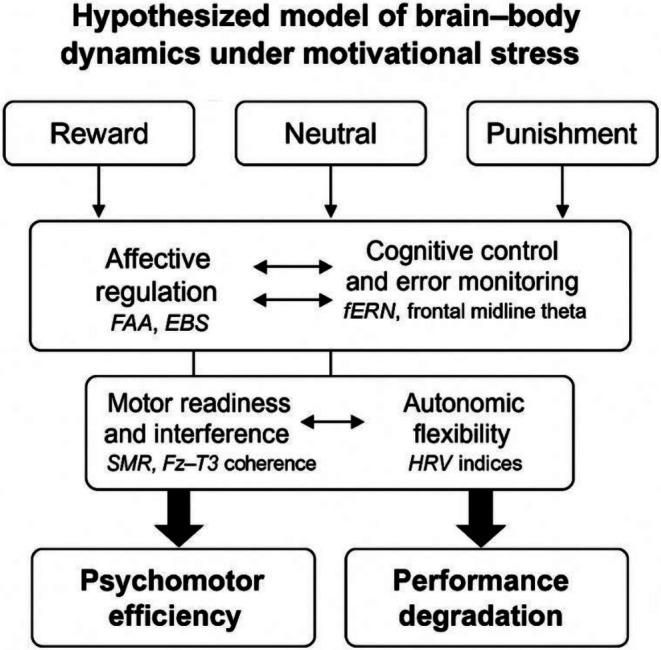 Figure 8
Peer Reviews
No public reviews on file for this paper yet. If you reviewed it on a platform where reviews are public (OpenReview, ICLR, NeurIPS, ICML), you can paste yours below so the community can read it here.
Videos
No videos yet. Explain this paper in a talk, walkthrough, or lecture? Add one.
Taxonomy
TopicsSport Psychology and Performance · Neural and Behavioral Psychology Studies · Sports Performance and Training