A new ergasilid copepod from lates perches in East Africa: morphology, phylogenetics, and genetic structure of Ergasilus ereimia sp. nov
Ferre Vandenberg, Nikol Kmentová, Hiram Karanja, Maarten Van Steenberge, Nathan Vranken, Maarten P. M. Vanhove, Kelly J. M. Thys

TL;DR
A new species of parasitic copepod, Ergasilus ereimia, was discovered in East Africa, based on its unique physical traits and genetic data.
Contribution
The study describes a new parasitic copepod species with detailed morphological and genetic analysis, expanding knowledge of ergasilid diversity.
Findings
Ergasilus ereimia sp. nov. has a unique spine-seta formula and morphological traits distinguishing it from other Ergasilus species.
Phylogenetic analysis shows E. ereimia forms a well-supported sister clade to other African Ergasilus species.
Genetic distances and haplotype networks indicate ongoing diversification between populations in Lake Turkana and Lake Albert.
Abstract
Copepods are widely distributed across marine and freshwater environments and are often praised for their immense taxonomic and functional diversity. However, relatively little is known about parasitic copepods, particularly regarding their phylogenetic relationships. This study investigates the morphology and phylogenetic positioning of a proposed new species of parasitic copepods described as Ergasilus ereimia sp. nov. (Ergasilidae). The ectoparasitic female copepods (1,645 specimens) were obtained by performing parasitological screening of ethanol-preserved gills of lates perches from Lake Turkana (Kenya; 4 specimens of Lates niloticus, 6 specimens of Lates longispinis) and Lake Albert (Uganda; 5 specimens of L. niloticus) in East Africa. Light and confocal microscopy were used to conduct the morphological characterisation and to determine the spine-seta formula of the parasitic…
Genes, proteins, chemicals, diseases, species, mutations and cell lines named across the full text — each resolved to its canonical identifier and authoritative record.
Click any figure to enlarge with its caption.
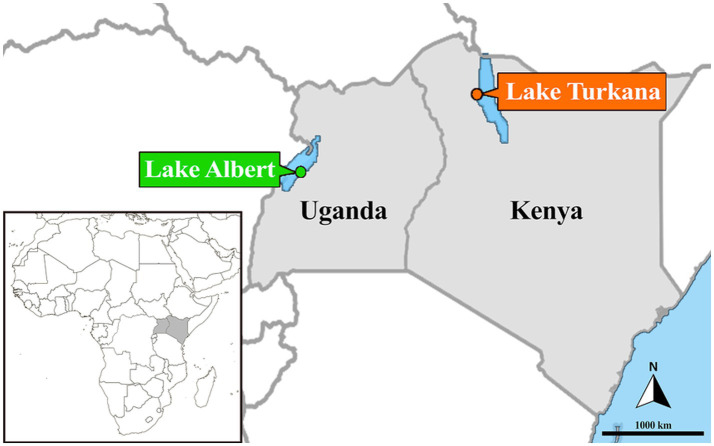 Figure 1
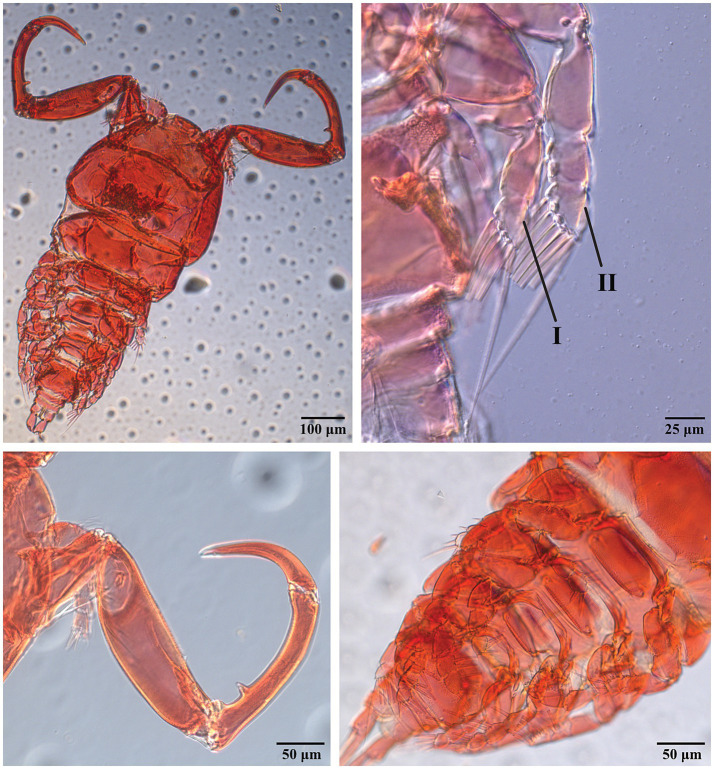 Figure 2
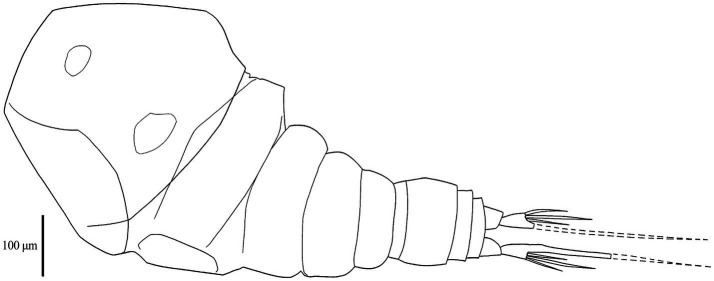 Figure 3
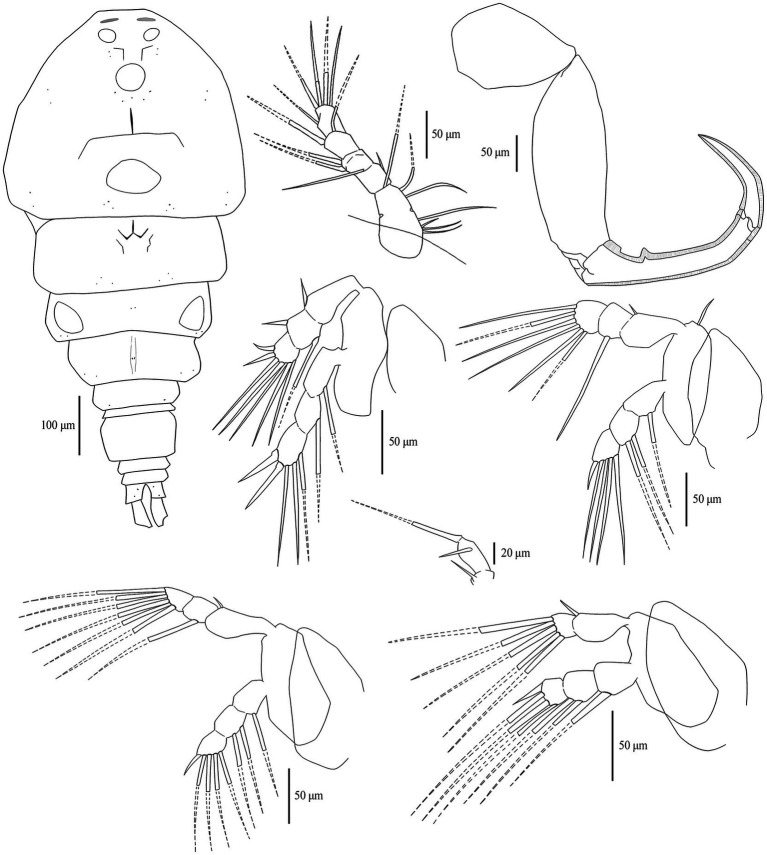 Figure 4
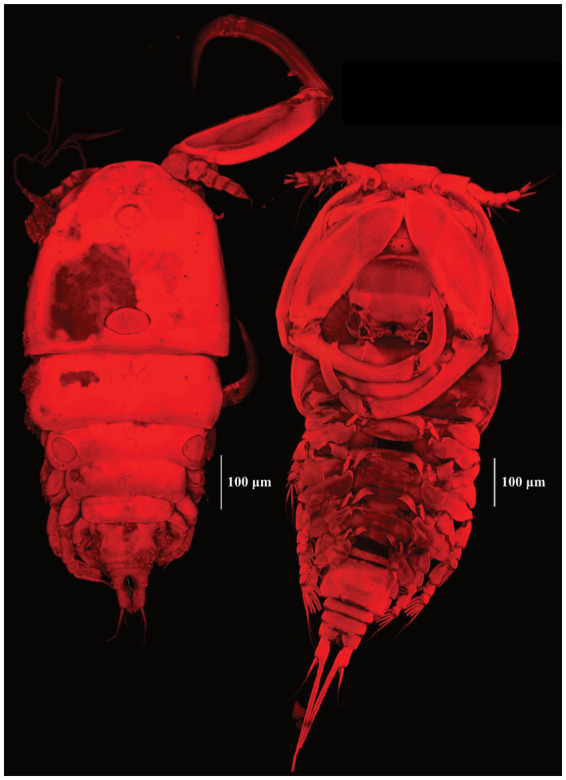 Figure 5
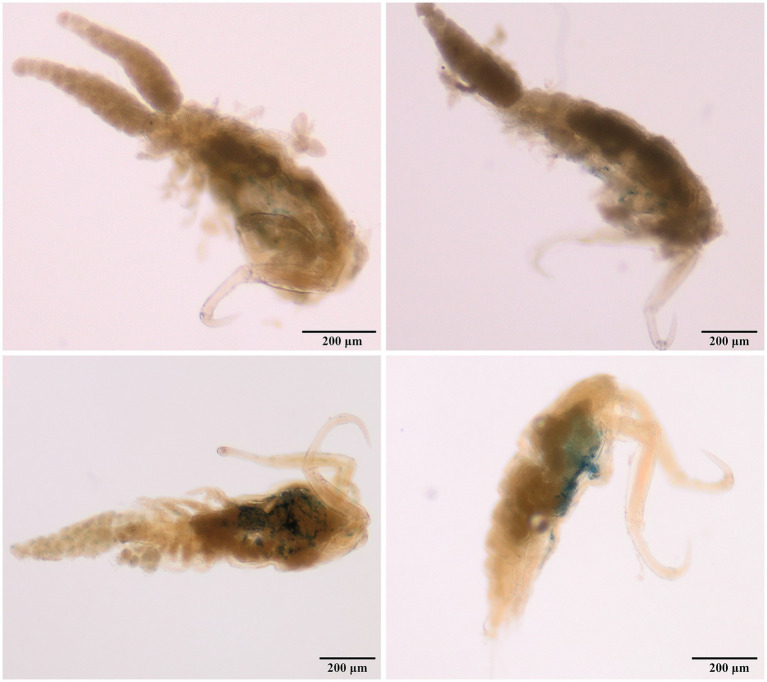 Figure 6
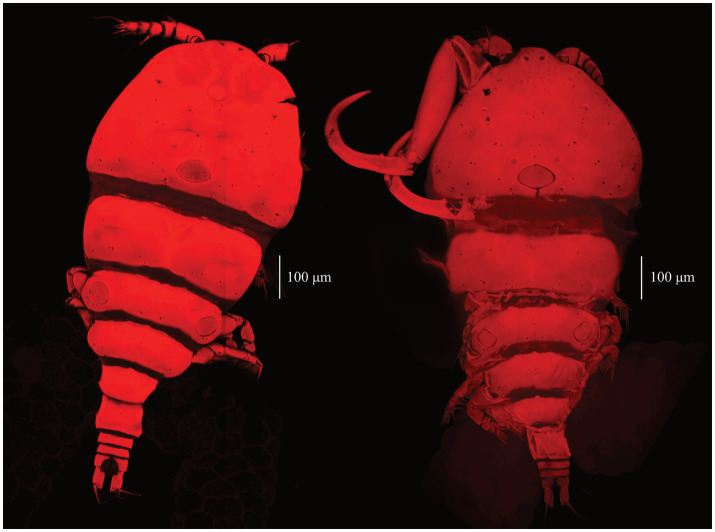 Figure 7
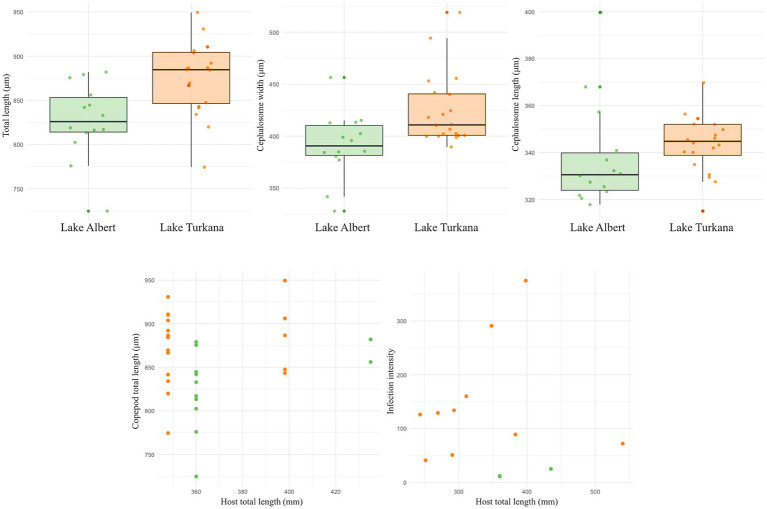 Figure 8
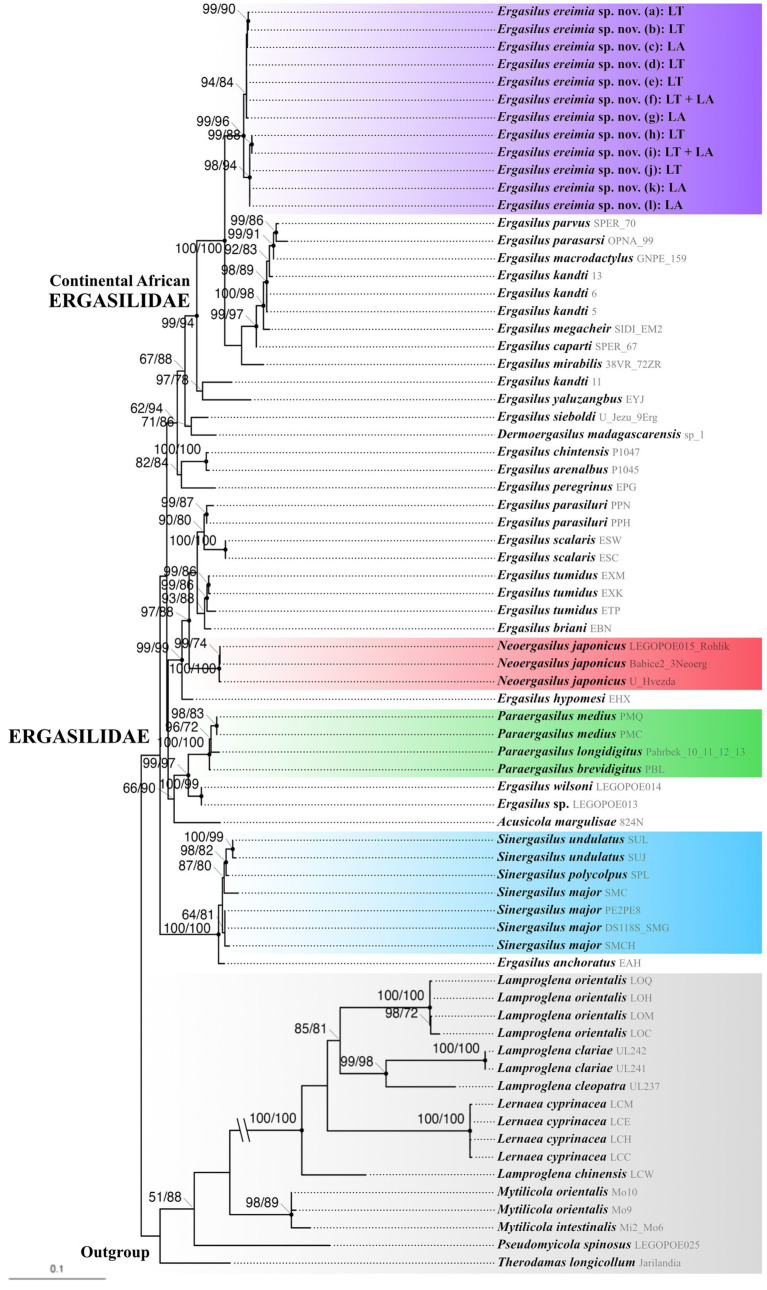 Figure 9
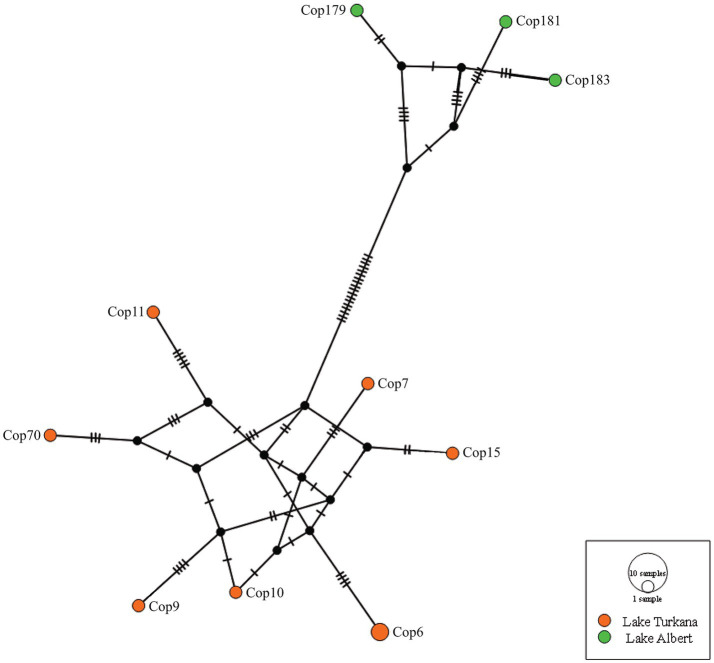 Figure 10
Peer Reviews
No public reviews on file for this paper yet. If you reviewed it on a platform where reviews are public (OpenReview, ICLR, NeurIPS, ICML), you can paste yours below so the community can read it here.
Videos
No videos yet. Explain this paper in a talk, walkthrough, or lecture? Add one.
Taxonomy
TopicsProtist diversity and phylogeny · Parasite Biology and Host Interactions · Diatoms and Algae Research