Thoracic Spine Fracture-Dislocation After Minor Trauma in a Neurologically Intact Patient With Congenital Absence of Posterior Spinal Elements: A Case Report
Rawwaf Alfarsi, Mohamed Elkhalifa, Jaser Tashkandi, Mohammed Hadi

TL;DR
A 31-year-old woman suffered a severe thoracic spine injury from a minor fall but remained neurologically intact due to a rare congenital spinal condition.
Contribution
This case report highlights a unique mechanism of neurological sparing in spinal injury due to congenital absence of posterior spinal elements.
Findings
The patient had a T4-T5 fracture-dislocation from a low-energy fall but remained neurologically intact.
Congenital absence of posterior spinal elements at T3-T6 was identified as a contributing factor.
The spinal canal's increased space protected the spinal cord despite severe instability.
Abstract
Thoracic spine fracture-dislocations are typically the product of high-energy injuries, and their neurological sequelae are usually devastating. For a patient to experience such an injury from a minor trauma and preserve all neurological function is rare and is often credited to the paradoxical decompression effect that follows a traumatic fracture of the posterior elements of the spine. This is a case of a 31-year-old female patient who suffered a severe thoracic spine fracture-dislocation from a low-energy fall from a manually operated “merry-go-round” in a kids' park. Despite the apparent instability, she was totally neurologically intact. Furthermore, MRI and CT were performed, which revealed a fracture-dislocation at the T4-T5 level and a previously undiagnosed congenital absence of the spinous processes and the posterior ligamentous complex at the level of T3-T6. The patient was…
Genes, proteins, chemicals, diseases, species, mutations and cell lines named across the full text — each resolved to its canonical identifier and authoritative record.
Click any figure to enlarge with its caption.
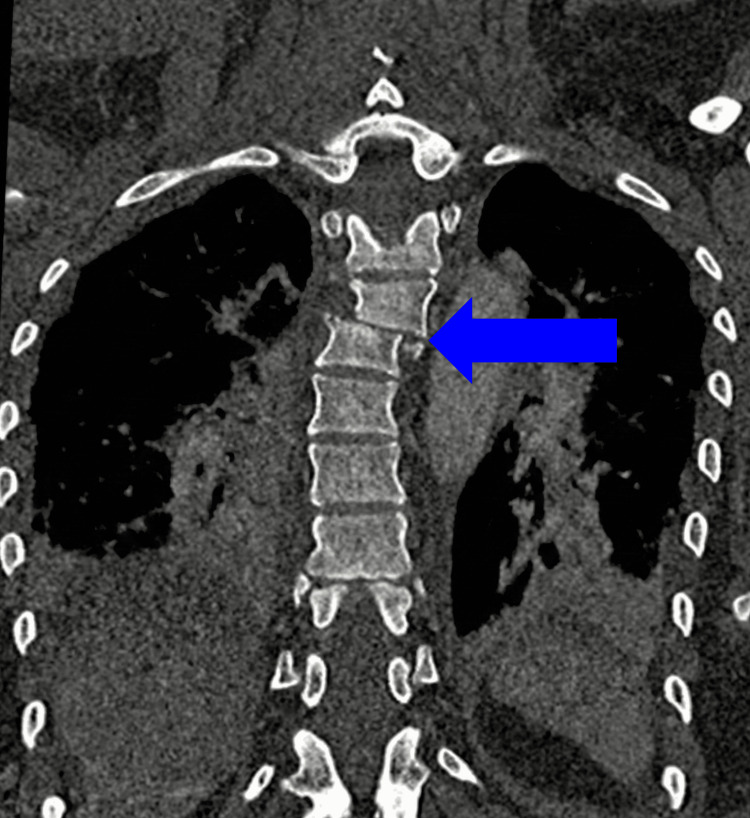 Figure 1
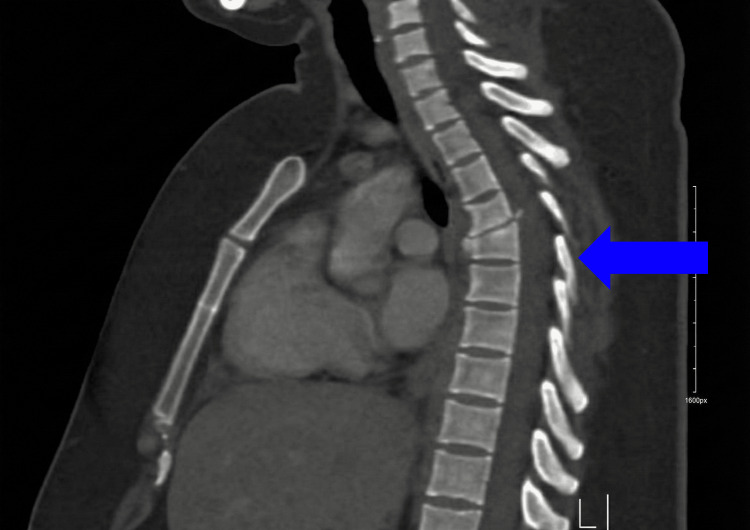 Figure 2
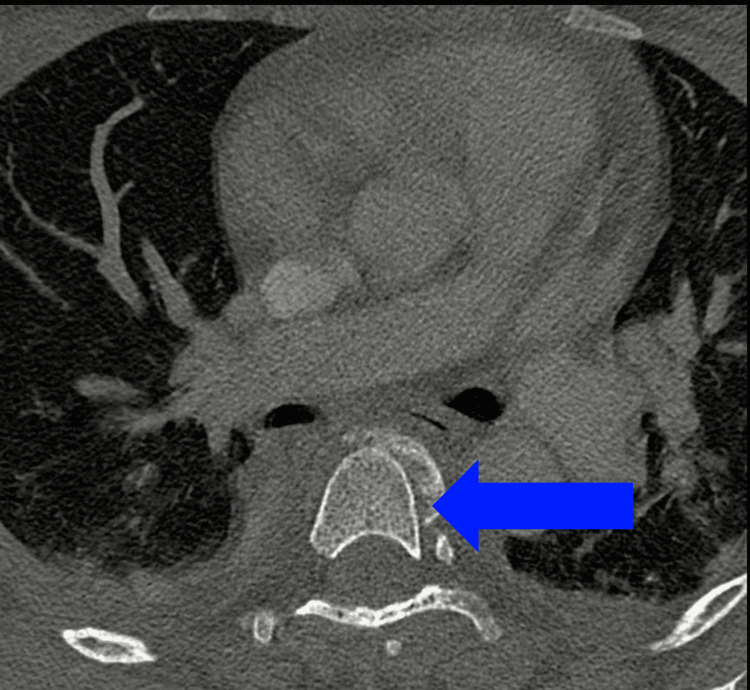 Figure 3
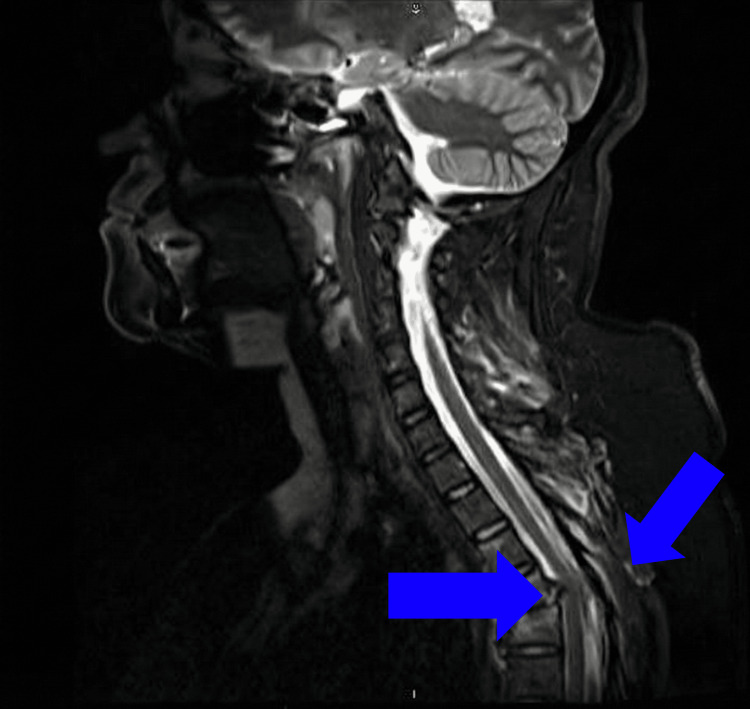 Figure 4
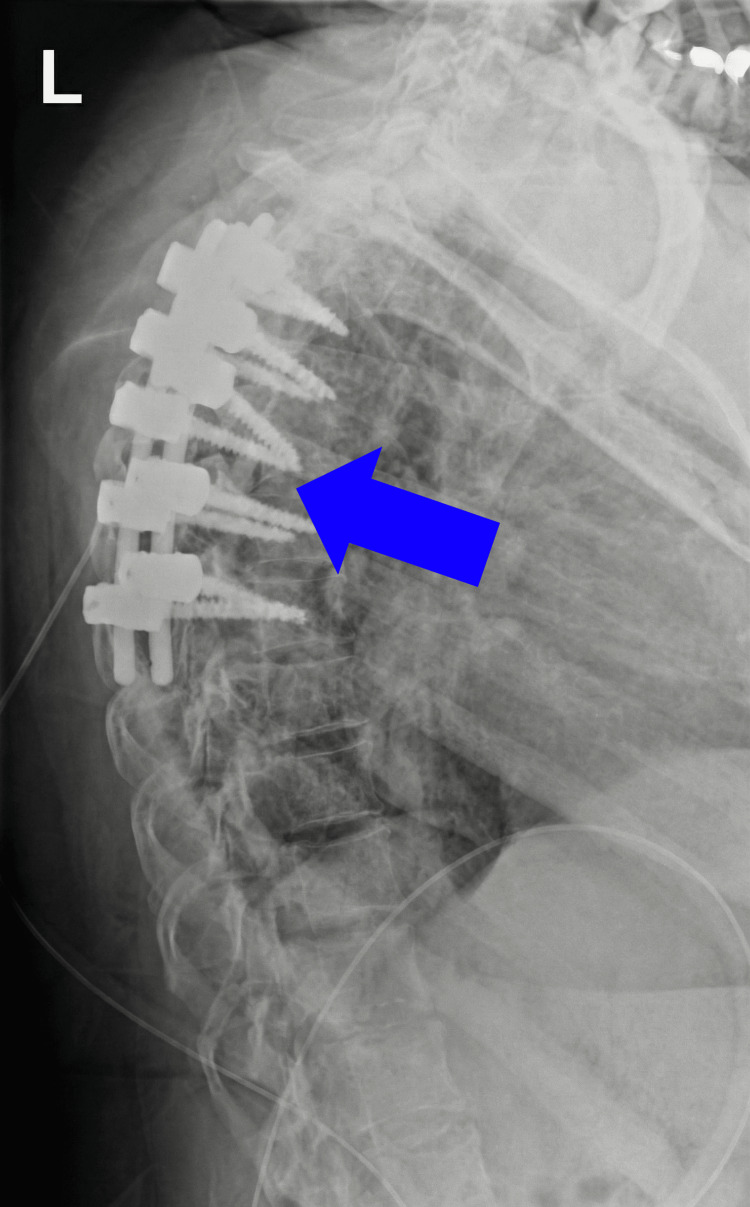 Figure 5
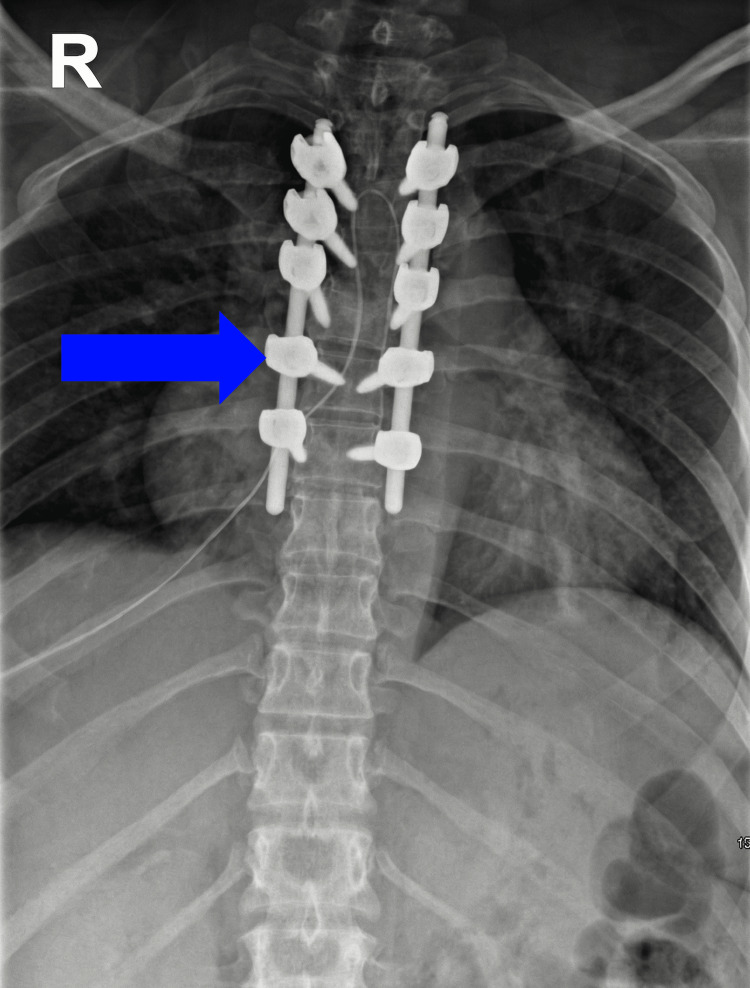 Figure 6
Peer Reviews
No public reviews on file for this paper yet. If you reviewed it on a platform where reviews are public (OpenReview, ICLR, NeurIPS, ICML), you can paste yours below so the community can read it here.
Videos
No videos yet. Explain this paper in a talk, walkthrough, or lecture? Add one.
Taxonomy
TopicsSpinal Fractures and Fixation Techniques · Cervical and Thoracic Myelopathy · Spinal Cord Injury Research