Presumed Very Late Relapse of Lepromatous Leprosy 35 Years After Treatment: A Diagnostic Challenge in a Non-endemic Setting
Ana Maria Carvalho, Pedro Sá Almeida, Rita G Magalhães, Patrícia Clara, João Silva, Joana Cunha

TL;DR
A rare case of leprosy relapse 35 years after treatment is reported in a non-endemic country, highlighting diagnostic challenges and the need for long-term monitoring.
Contribution
This case presents a presumed very late relapse of lepromatous leprosy in a non-endemic setting, emphasizing diagnostic difficulties and long-term vigilance.
Findings
M. leprae was molecularly detected in a skin biopsy despite no histopathological signs of active disease.
The case suggests a very late relapse due to the long disease-free interval and lack of reinfection risk factors.
The case underscores the importance of clinical awareness of leprosy in non-endemic regions.
Abstract
Leprosy is a chronic infectious disease caused by Mycobacterium leprae that primarily affects the skin and peripheral nerves. Although eliminated as a public health problem in many countries, it remains an important neglected tropical disease, with more than 174,000 new cases reported worldwide in 2023, predominantly in endemic regions such as India, Brazil, and Indonesia. We report a rare case of a presumed very late relapse of lepromatous leprosy occurring 35 years after treatment completion in a patient from a non-endemic European setting. The patient presented with progressive sensorimotor neuropathy, progressive deformities, and a chronic non-healing plantar ulcer. Historical records confirmed biopsy-proven lepromatous leprosy at the initial diagnosis, with documented cure following multidrug therapy. Current evaluation revealed the molecular detection of M. leprae in a skin…
Genes, proteins, chemicals, diseases, species, mutations and cell lines named across the full text — each resolved to its canonical identifier and authoritative record.
Click any figure to enlarge with its caption.
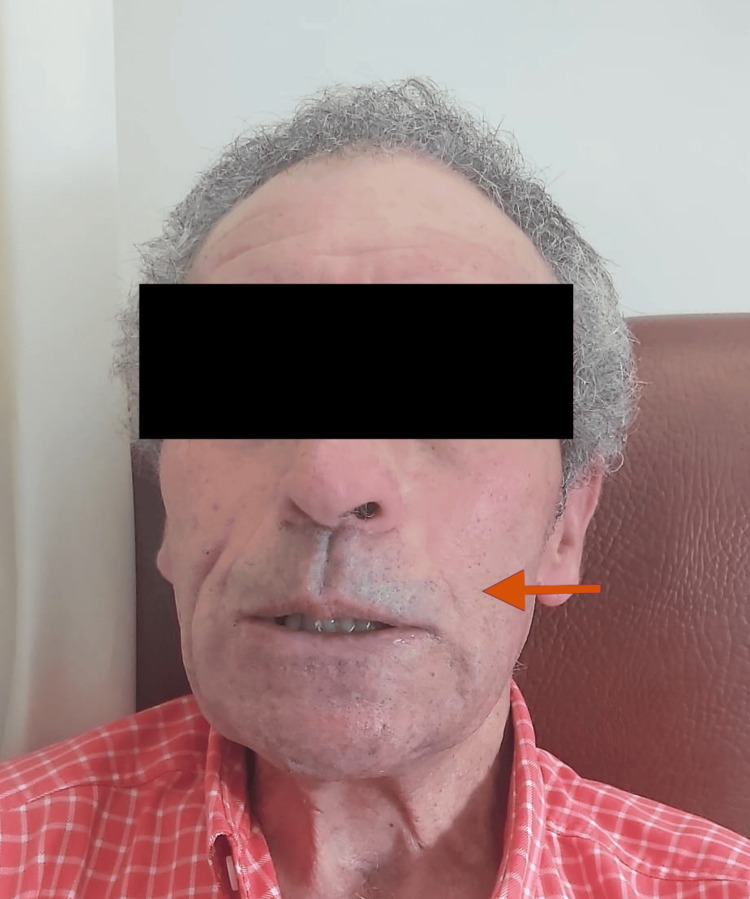 Figure 1
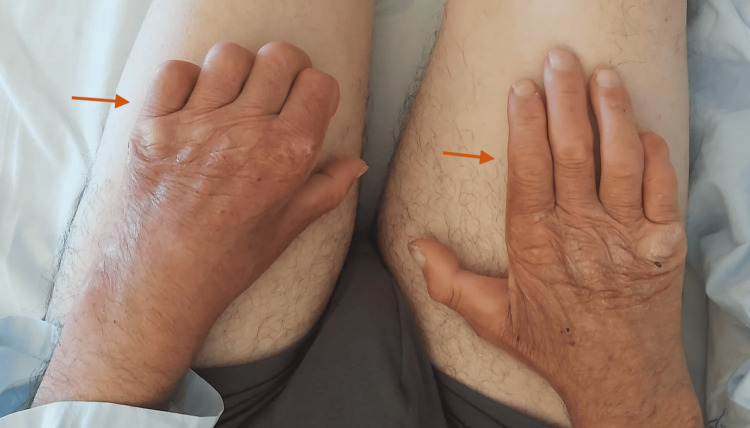 Figure 2
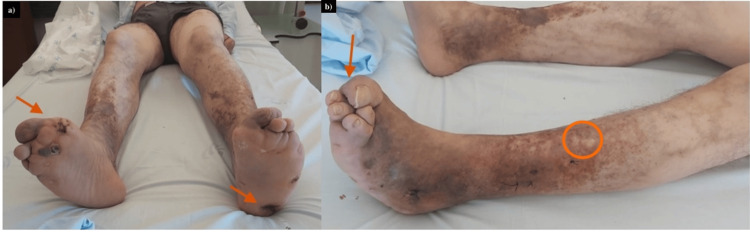 Figure 3
Peer Reviews
No public reviews on file for this paper yet. If you reviewed it on a platform where reviews are public (OpenReview, ICLR, NeurIPS, ICML), you can paste yours below so the community can read it here.
Videos
No videos yet. Explain this paper in a talk, walkthrough, or lecture? Add one.
Taxonomy
TopicsLeprosy Research and Treatment · Mycobacterium research and diagnosis · Infectious Diseases and Tuberculosis