Beyond base camp: PI3K/mTOR inhibition for the treatment of pediatric high-grade gliomas
Ryan J Duchatel, Clara Savary, Zacary P Germon, Madisen Riley, David S Ziegler, Sabine Mueller, Evangeline R Jackson, Matthew D Dun

TL;DR
This paper reviews challenges and opportunities in using PI3K/mTOR inhibitors to treat aggressive pediatric brain cancers, focusing on improving treatment strategies.
Contribution
The paper proposes a roadmap for future research on PI3K/mTOR inhibition in pediatric high-grade gliomas, emphasizing combination therapies and patient stratification.
Findings
PI3K/mTOR inhibitors face challenges like poor brain penetration and adaptive resistance.
Combining inhibitors with other therapies requires balancing toxicity and efficacy.
Improved regimen design and patient stratification are critical for better outcomes.
Abstract
Pediatric high-grade glioma (pHGG), including diffuse midline glioma (DMG), are the most aggressive and fatal pediatric cancers. Mutations and amplifications within the phosphatidylinositol-4,5-bisphosphate 3-kinase (PI3K) pathway drive tumor growth, treatment resistance, and poor outcomes. Although PI3K and mTOR have been identified as genetic dependencies in pHGGs, translating this knowledge into effective treatment remains challenging. The blood–brain barrier (BBB) restricts the delivery of most PI3K/mTOR inhibitors and , hence, often show poor CNS penetration. Even when present in the brain, these agents frequently encounter adaptive resistance mechanisms that blunt efficacy. Side effects, including hyperglycemia, rash, and mucositis, further complicate their use and reduce compliance. Encouragingly, novel brain-penetrant PI3K/mTOR inhibitors offer new opportunities for treatment,…
Genes, proteins, chemicals, diseases, species, mutations and cell lines named across the full text — each resolved to its canonical identifier and authoritative record.
Click any figure to enlarge with its caption.
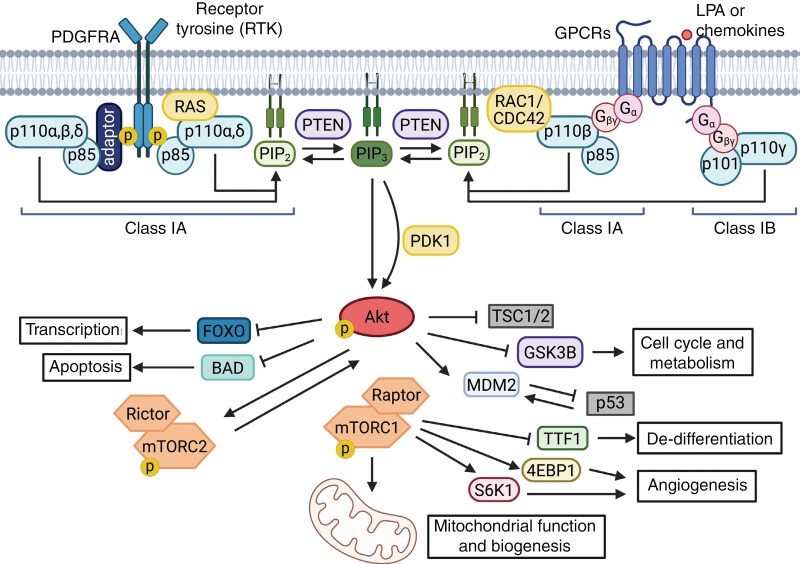 Figure 1
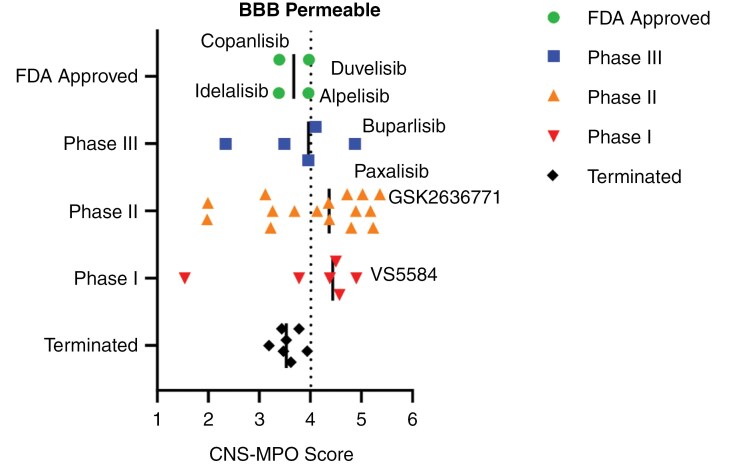 Figure 2
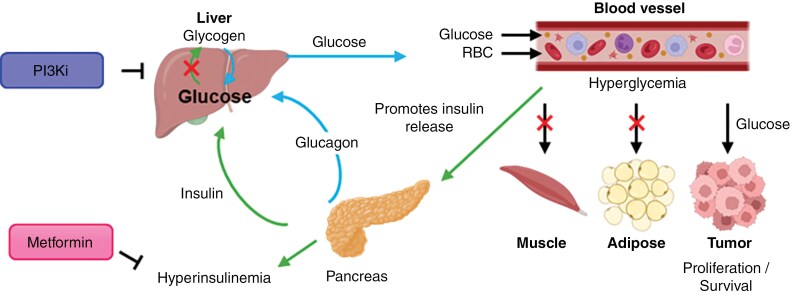 Figure 3
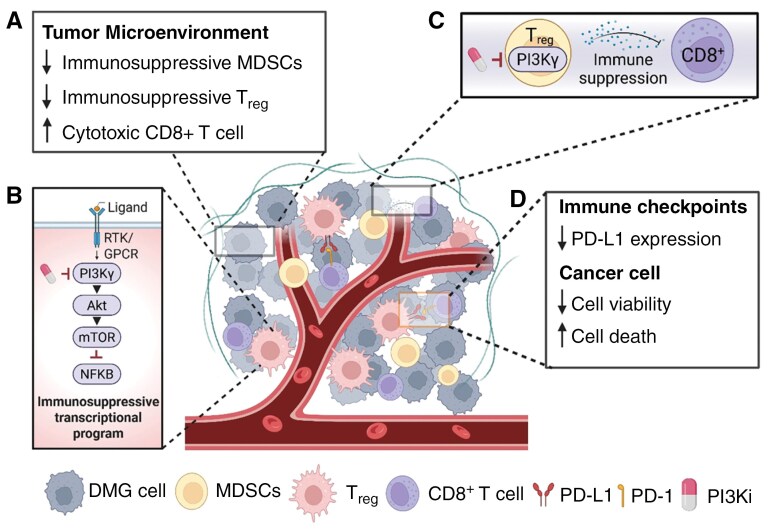 Figure 4
Peer Reviews
No public reviews on file for this paper yet. If you reviewed it on a platform where reviews are public (OpenReview, ICLR, NeurIPS, ICML), you can paste yours below so the community can read it here.
Videos
No videos yet. Explain this paper in a talk, walkthrough, or lecture? Add one.
Taxonomy
TopicsGlioma Diagnosis and Treatment · PI3K/AKT/mTOR signaling in cancer · PARP inhibition in cancer therapy