Prony Analysis of Left Ventricle Pressure and Volume
Vinay P. Jani, Alexander T. Williams, Vivek P. Jani, Amy G. Tsai, Marcos Intaglietta, Pedro Cabrales

TL;DR
This study uses Prony analysis to examine left ventricle pressure and volume changes during and after shock, revealing meaningful physiological differences.
Contribution
A new pipeline for Prony analysis of pressure-volume signals in cardiovascular physiology is developed and tested.
Findings
A significant decrease in the number of poles was observed after shock and resuscitation.
Differences in magnitude and phase Bode plots were found between baseline, shock, and resuscitation states.
Prony analysis detected meaningful physiological changes during hypovolemic shock and resuscitation.
Abstract
Direct measurement of cardiac pressure-volume (PV) relationships is the gold standard for assessment of ventricular hemodynamics, but few innovations have been made to “multi-beat” PV analysis beyond traditional signal processing. The Prony method solves the signal recovery problem with a series of dampened exponentials or sinusoids. It achieves this by extracting the amplitude, frequency, dampening, and phase of each component. Since its inception, application of the Prony method to biologic and medical signal has demonstrated a relative degree of success, as a series of dampened complex sinusoids easily generalizes to multifaceted physiological processes. In cardiovascular physiology, the Prony analysis has been used to determine fatal arrythmia from electrocardiogram signals. However, application of the Prony method to simple left ventricular function based on pressure and volume…
Genes, proteins, chemicals, diseases, species, mutations and cell lines named across the full text — each resolved to its canonical identifier and authoritative record.
Click any figure to enlarge with its caption.
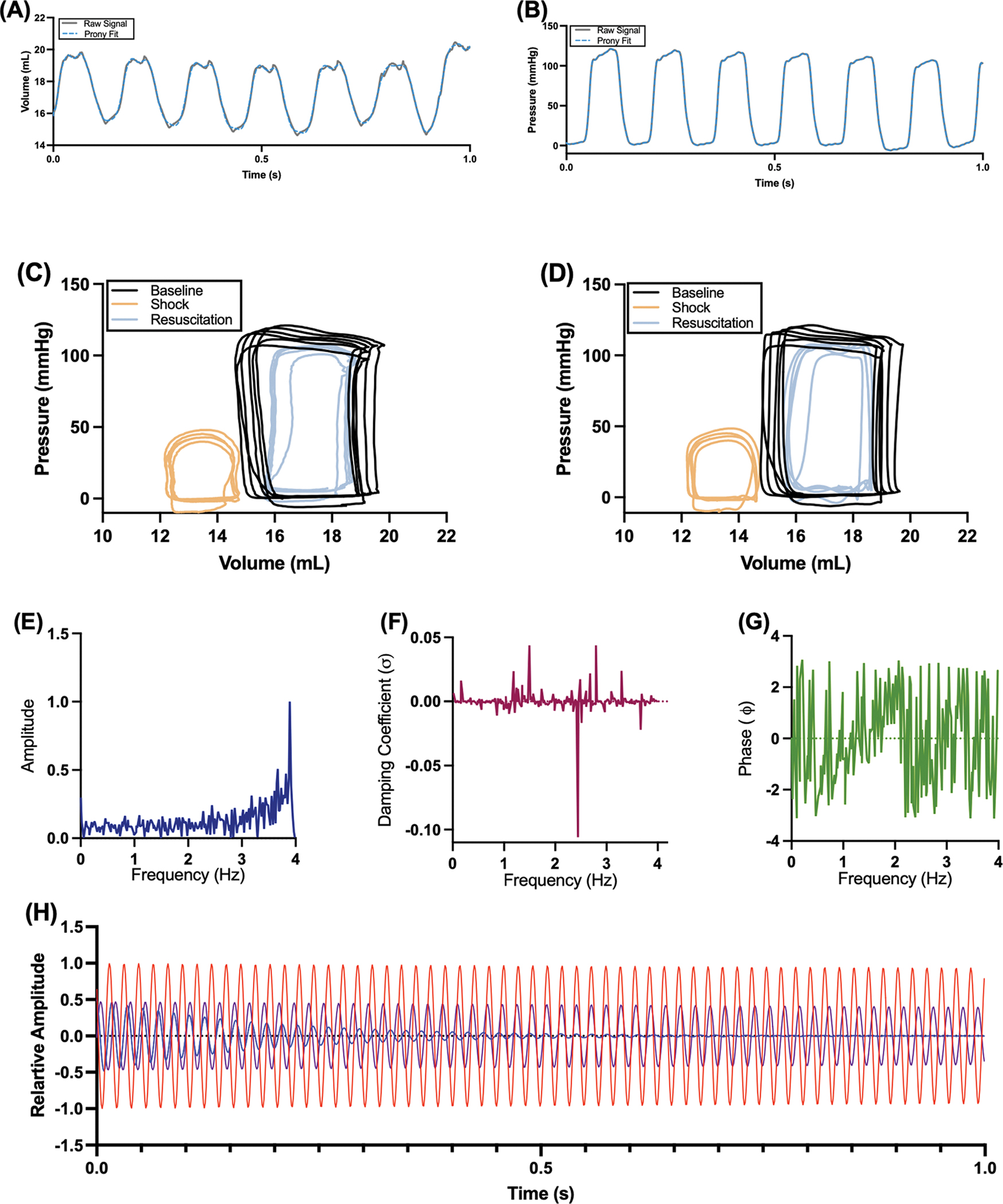 Figure 1
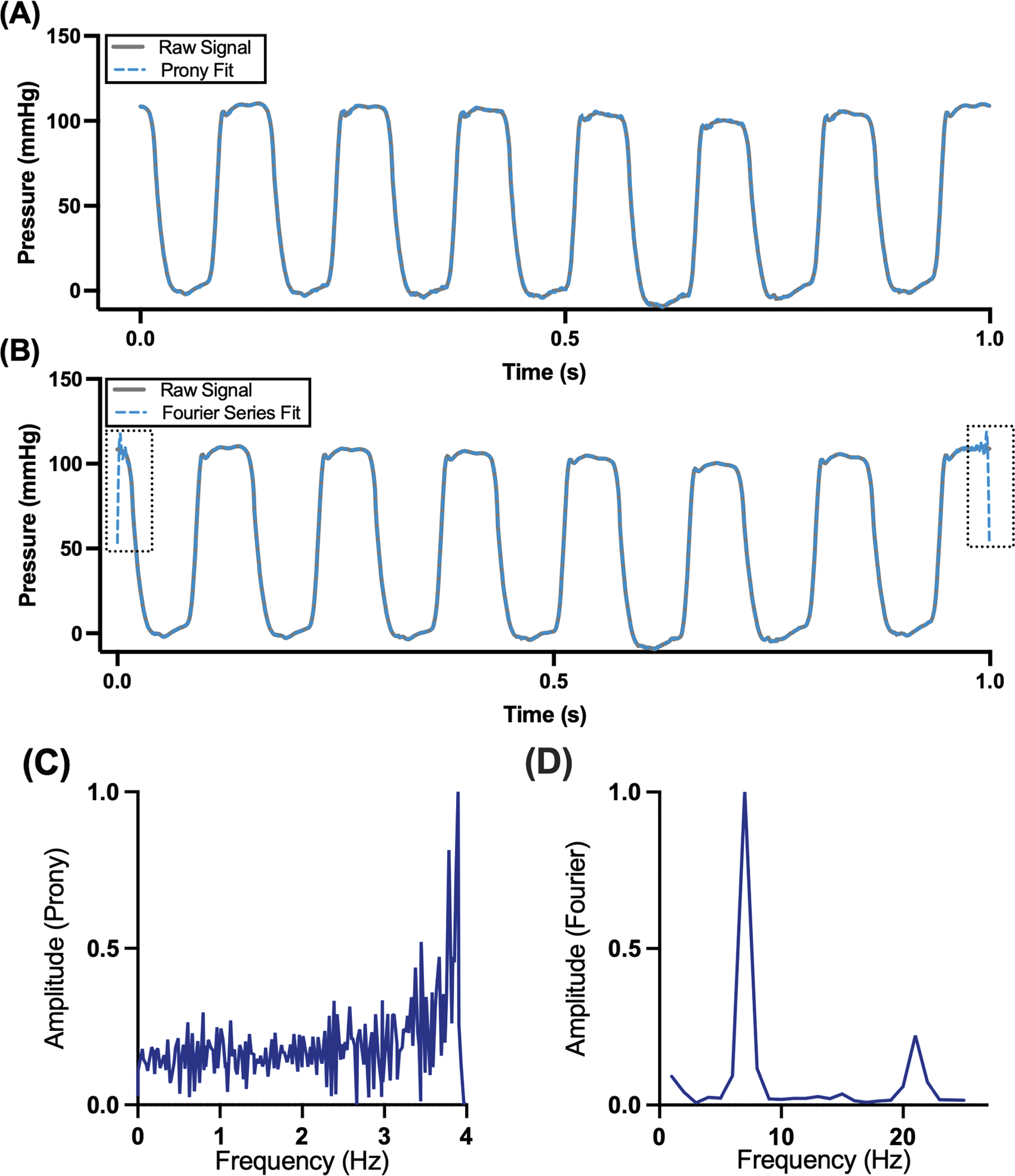 Figure 2
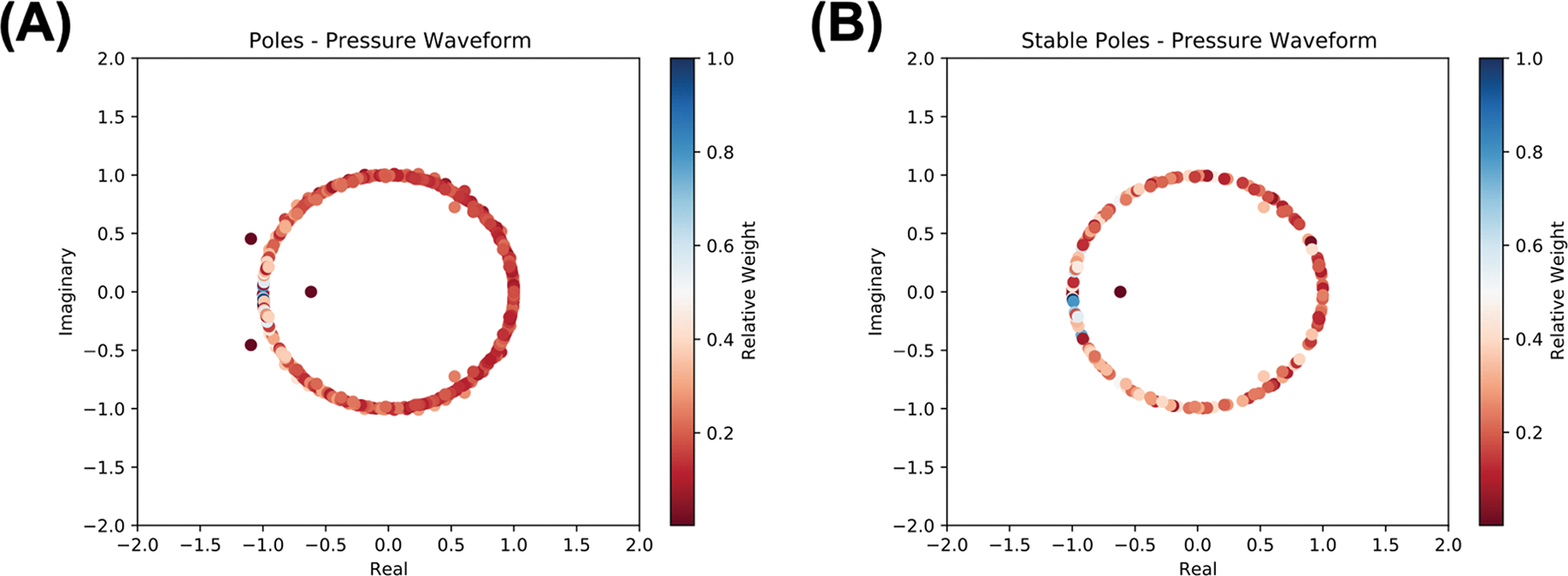 Figure 3
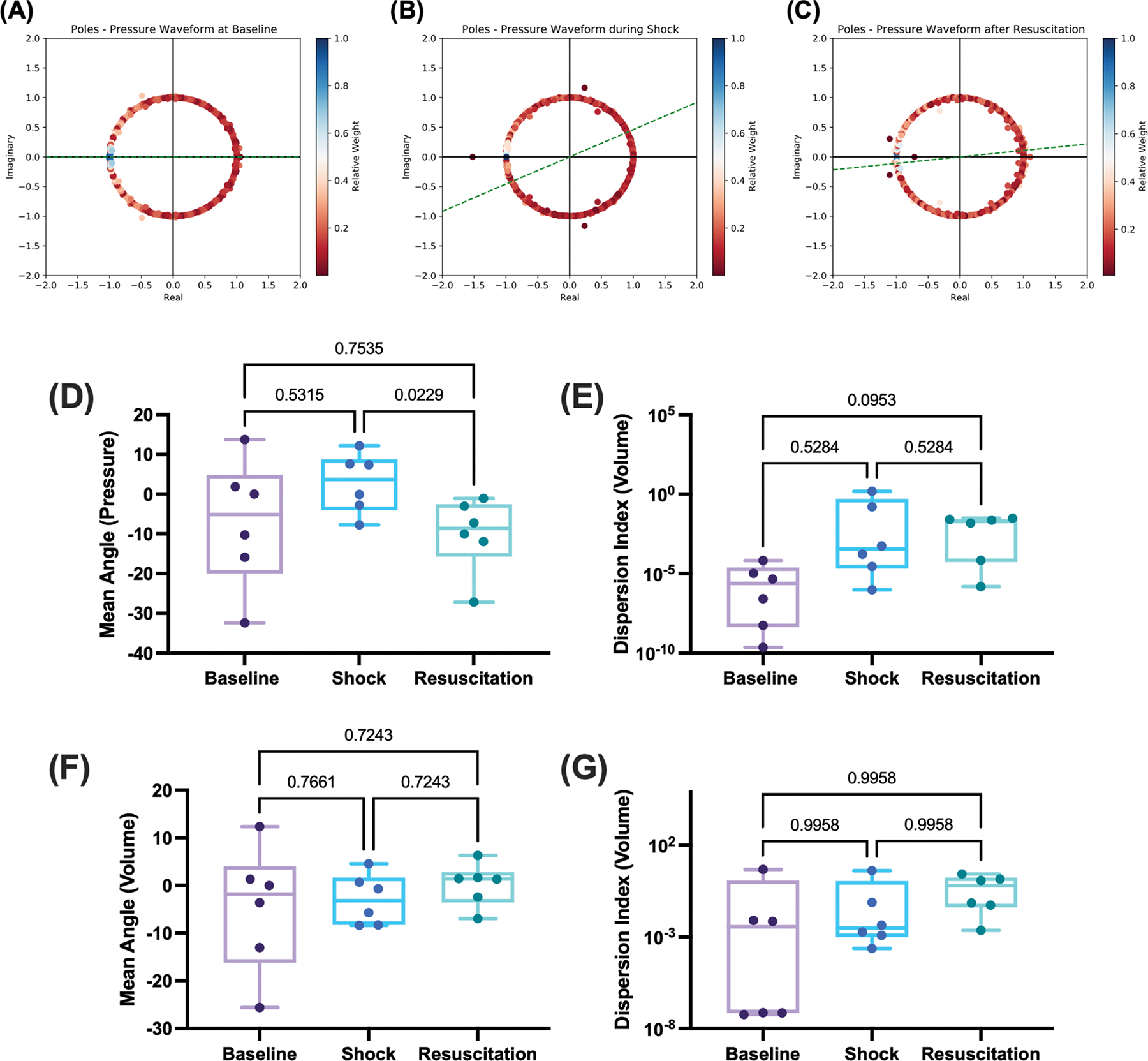 Figure 4
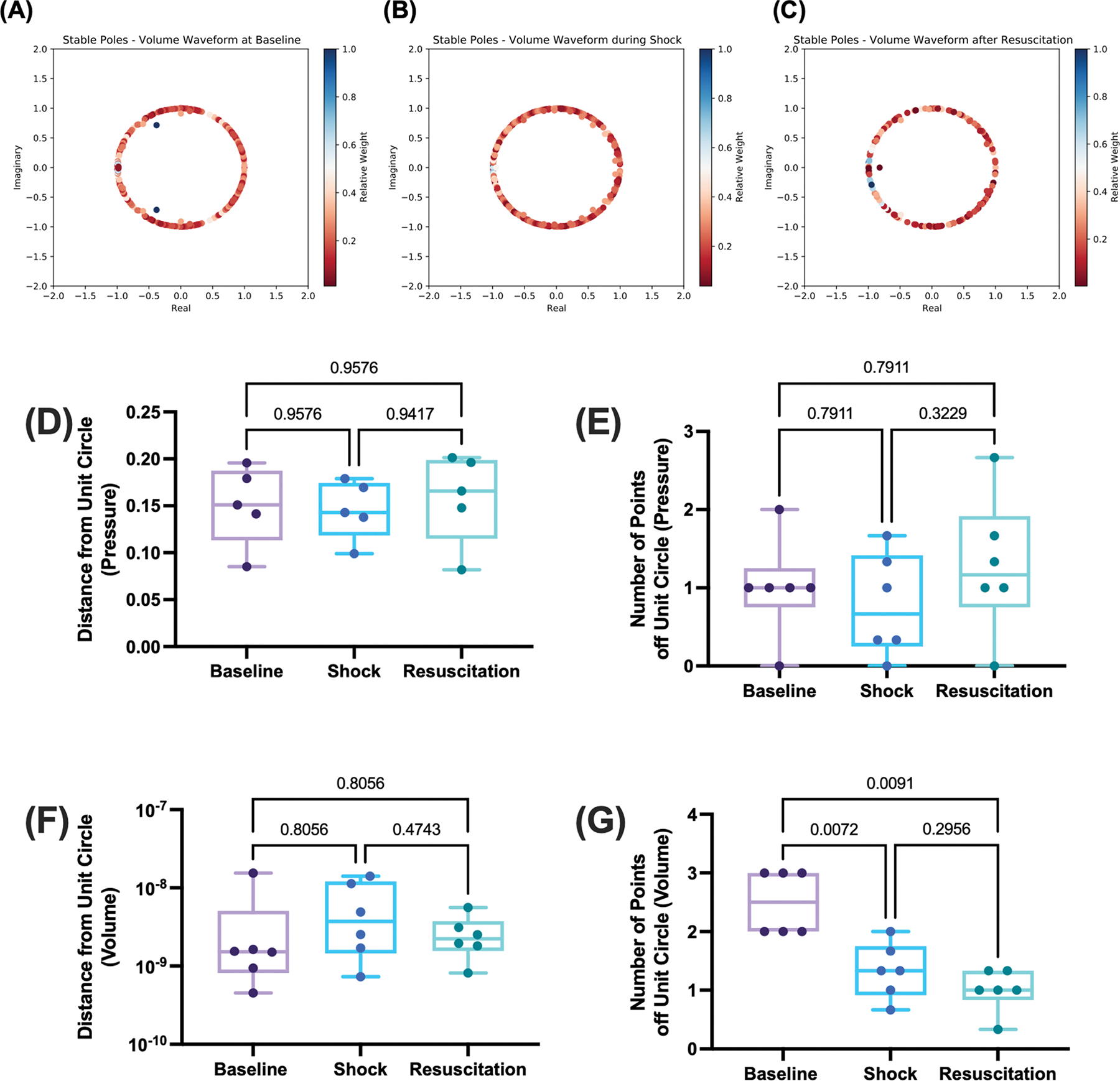 Figure 5
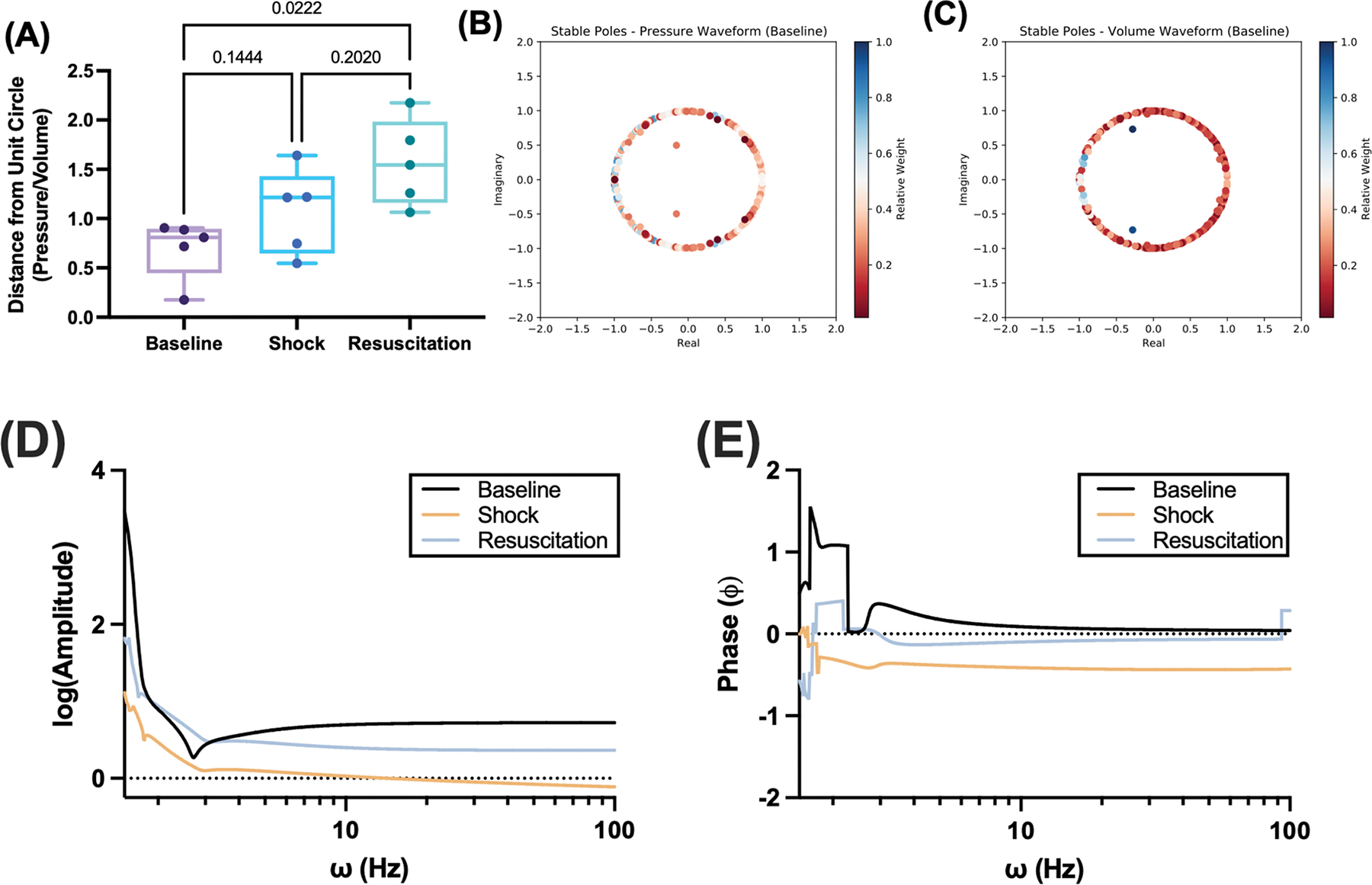 Figure 6
Peer Reviews
No public reviews on file for this paper yet. If you reviewed it on a platform where reviews are public (OpenReview, ICLR, NeurIPS, ICML), you can paste yours below so the community can read it here.
Videos
No videos yet. Explain this paper in a talk, walkthrough, or lecture? Add one.
Taxonomy
TopicsHemodynamic Monitoring and Therapy · Non-Invasive Vital Sign Monitoring · Heart Rate Variability and Autonomic Control