Integrating reaction norm models and genome-wide association analyses to reveal the genetic architecture and environmental sensitivity of sexual precocity in Nellore cattle
Eduarda da Silva Oliveira, Hinayah Rojas de Oliveira, Lucio Flavio Macedo Mota, Henrique Alberto Mulim, Milena Aparecida Ferreira Campos, João Barbosa da Silva Neto, Fernando Baldi

TL;DR
This study explores how genetics and environment interact to influence early sexual maturity in Nellore cattle, revealing distinct genetic patterns for different traits.
Contribution
The integration of reaction norm models with GWAS provides new insights into the genetic architecture and environmental sensitivity of sexual precocity traits in cattle.
Findings
Distinct genetic architectures were found for heifer early calving probability, scrotal circumference, and age at puberty.
Genes like GRB14 and SLC9A8 were linked to both baseline fertility and environmental sensitivity in scrotal circumference.
Candidate genes for age at puberty were associated with DNA repair and immune regulation pathways.
Abstract
Reproductive efficiency is an important component of profitability and sustainability in beef cattle production, particularly in tropical environments where animals are routinely exposed to environmental stressors. This study aimed to identify environmentally sensitive SNPs associated with sexual precocity traits in Nellore cattle and characterize candidate genes and biological pathways regulating sexual precocity under variable environmental conditions. For this purpose, three sexual precocity indicators were analyzed; one in heifers (heifer early calving probability at 30 months, HC30), and two in young males (scrotal circumference at 365 days, SC365; age at puberty, APM). Reaction norm models were integrated with genome-wide association studies (GWASs) to identify genomic regions associated with both genetic potential (intercept) and environmental sensitivity (slope). A total of 46…
Genes, proteins, chemicals, diseases, species, mutations and cell lines named across the full text — each resolved to its canonical identifier and authoritative record.
Click any figure to enlarge with its caption.
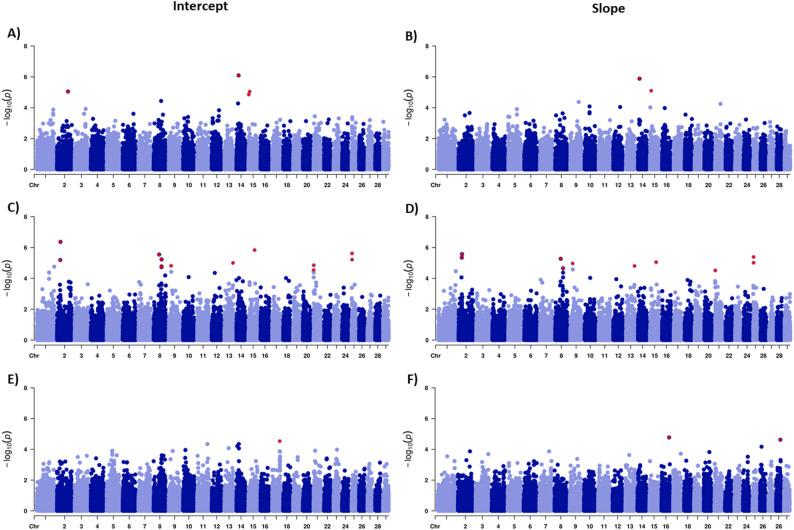 Figure 1
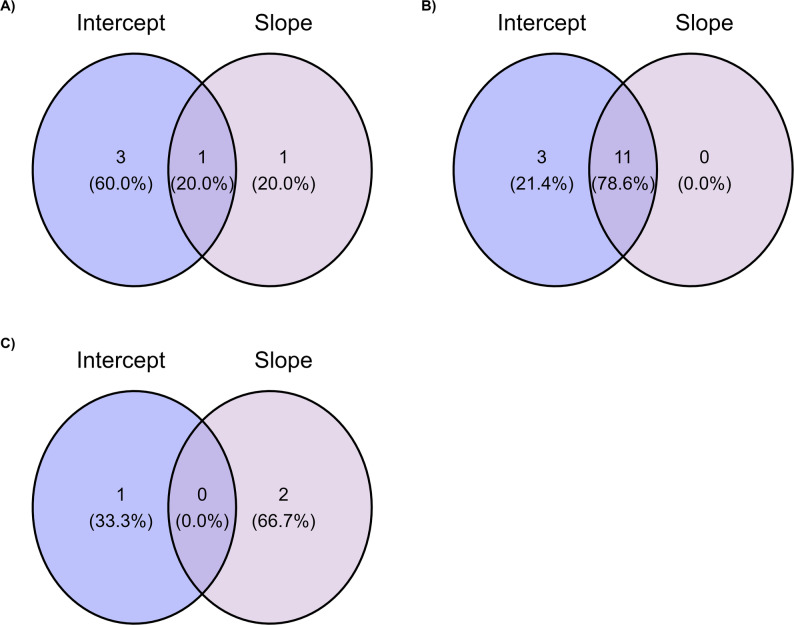 Figure 2
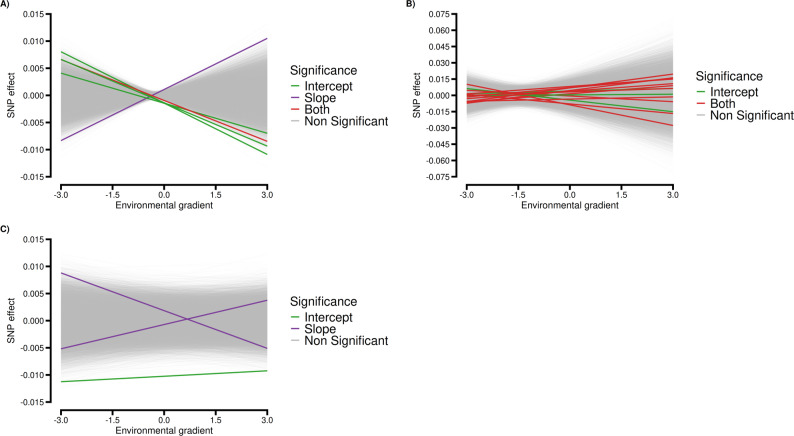 Figure 3
Peer Reviews
No public reviews on file for this paper yet. If you reviewed it on a platform where reviews are public (OpenReview, ICLR, NeurIPS, ICML), you can paste yours below so the community can read it here.
Videos
No videos yet. Explain this paper in a talk, walkthrough, or lecture? Add one.
Taxonomy
TopicsGenetic and phenotypic traits in livestock · Reproductive Physiology in Livestock · Genetic Mapping and Diversity in Plants and Animals