HDAC6 orchestrates metastatic and immunosuppressive programs in small cell lung cancer through S100A2-TGF-β/SMAD and CSF1R signaling
Yantao Jiang, Junjie Yu, Ting Wang, Qingwu Du, Jingya Wang, Yi Lu, Qi Xu, Huiyan Liu, Xueyang Li, Luyao Tong, Tingting Qin, Dingzhi Huang

TL;DR
This study reveals how HDAC6 promotes cancer spread and immune suppression in lung cancer and suggests a new treatment approach by targeting HDAC6 and CSF1R.
Contribution
The study identifies HDAC6 as a key driver of metastasis and immunosuppression in SCLC through specific signaling pathways and proposes dual inhibition as a novel therapeutic strategy.
Findings
HDAC6 deacetylates S100A2 to stabilize TGF-β/SMAD signaling, promoting EMT and metastasis.
HDAC6 polarizes macrophages toward M2 phenotypes, creating an immunosuppressive tumor environment.
Dual inhibition of HDAC6 and CSF1R synergistically suppresses tumor growth and reprograms macrophages.
Abstract
Small cell lung cancer (SCLC) remains a highly lethal malignancy with limited therapeutic options. The purpose of this study was to investigate the central role of histone deacetylase 6 (HDAC6) in SCLC progression and its regulatory mechanisms to identify novel therapeutic strategies. Preclinical SCLC models were utilized alongside molecular, cellular, and immunological techniques to elucidate HDAC6's mechanistic functions. The deacetylation of S100A2 and its impact on downstream signaling were analyzed, compensatory responses to HDAC6 inhibition were assessed, and the efficacy of dual-target inhibition was evaluated. HDAC6 was found to deacetylate the calcium-binding protein S100A2 at lysine 27, thereby stabilizing TGF-β/SMAD signaling to promote epithelial-mesenchymal transition (EMT) and metastatic dissemination. Simultaneously, HDAC6 polarized macrophages toward tumor-promoting M2…
Genes, proteins, chemicals, diseases, species, mutations and cell lines named across the full text — each resolved to its canonical identifier and authoritative record.
Click any figure to enlarge with its caption.
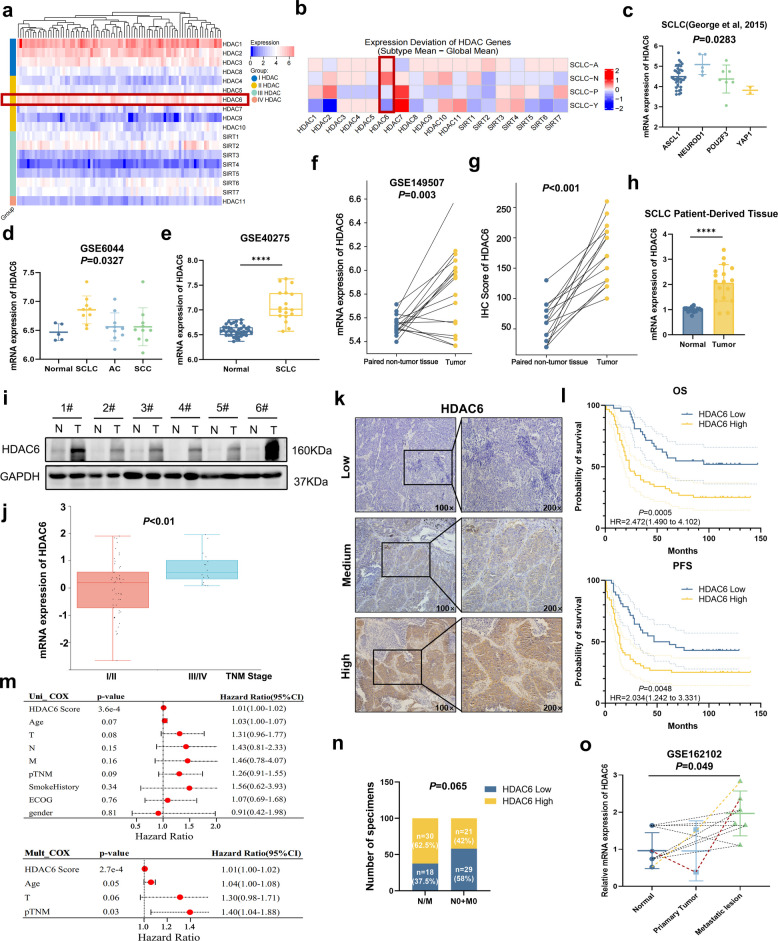 Figure 1
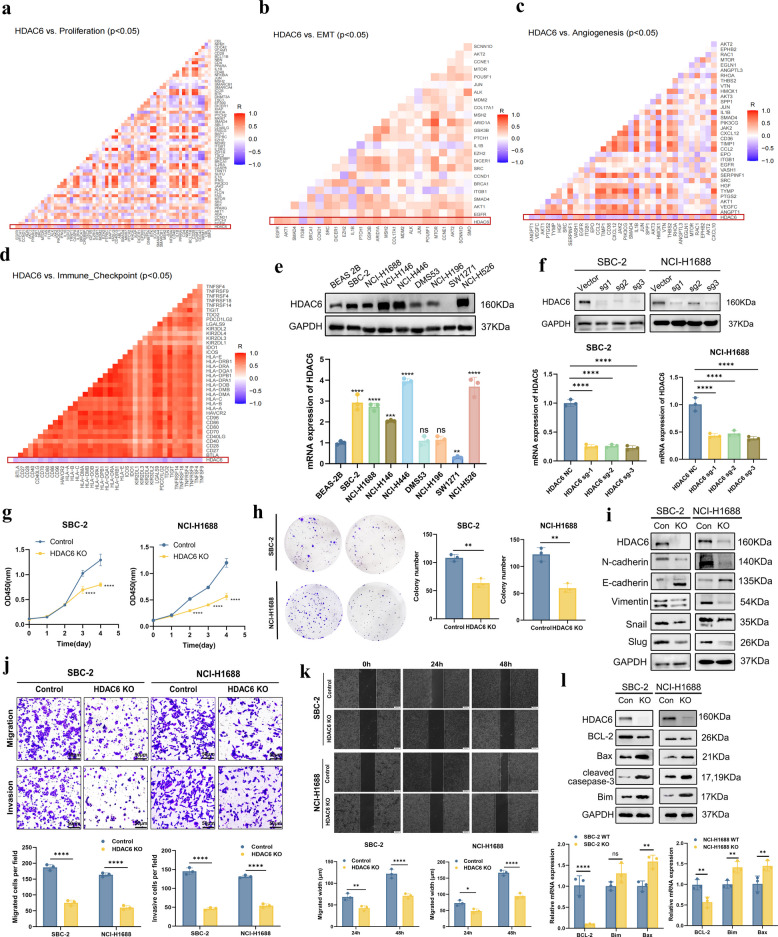 Figure 2
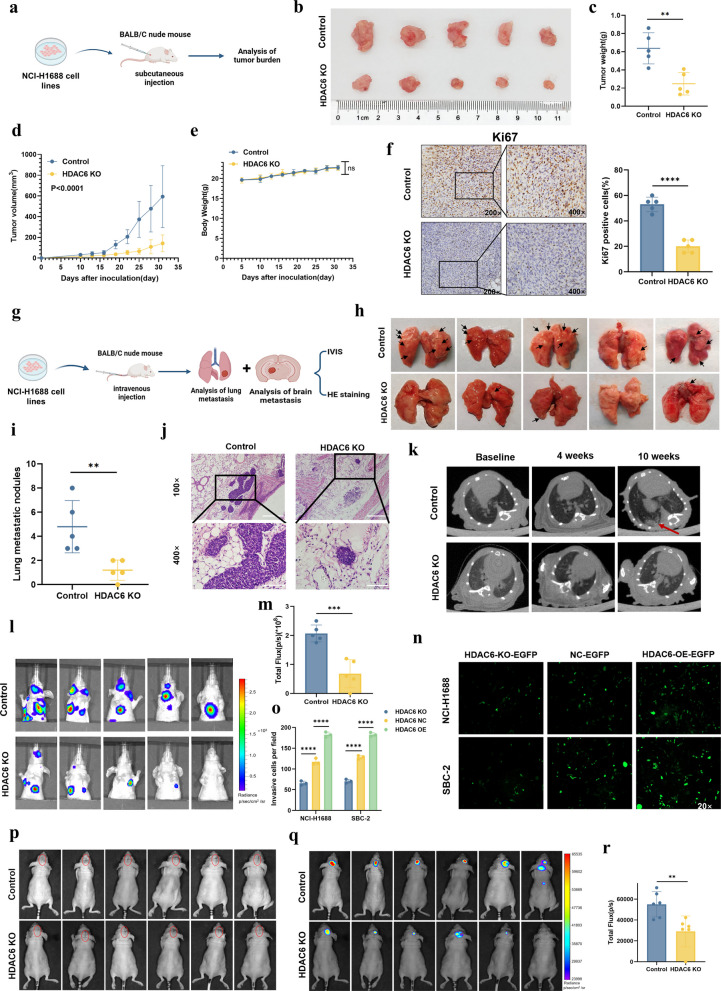 Figure 3
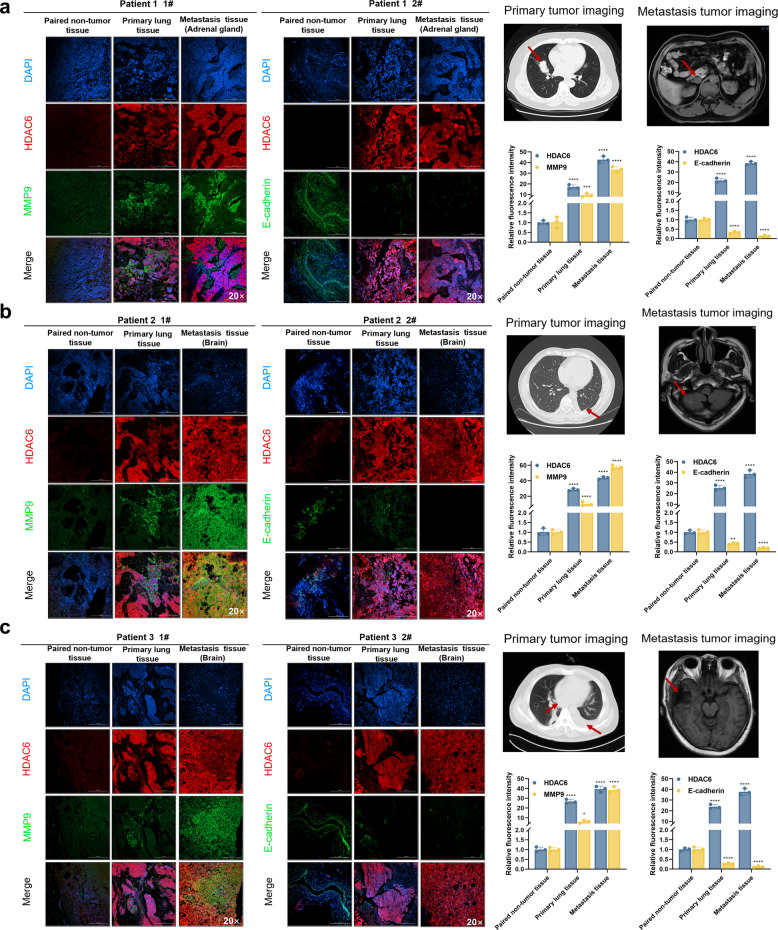 Figure 4
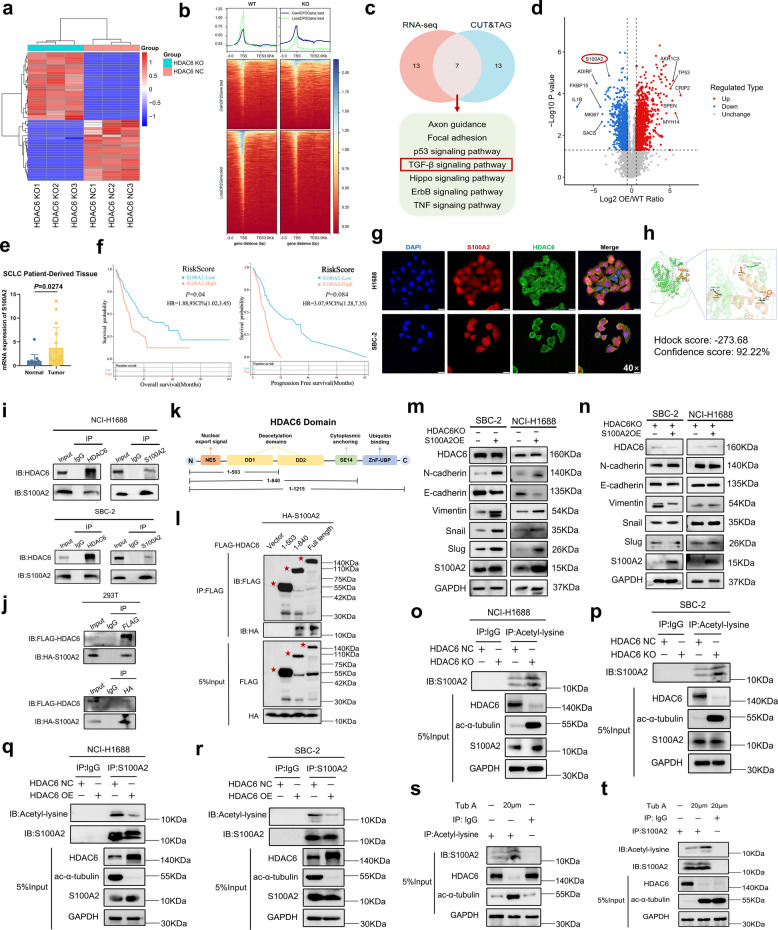 Figure 5
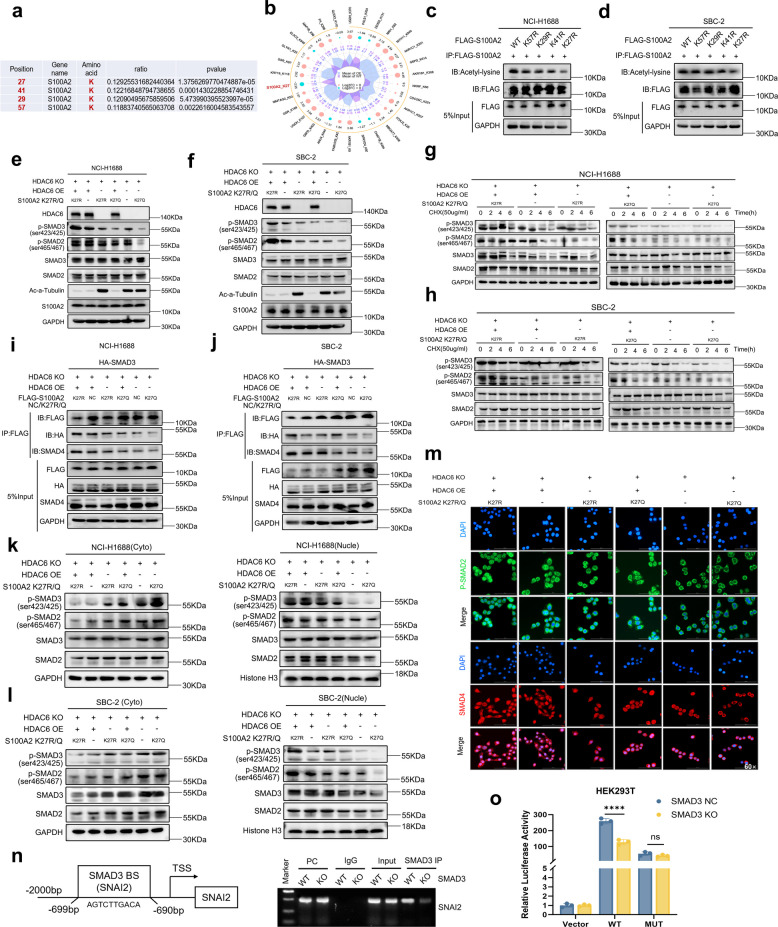 Figure 6
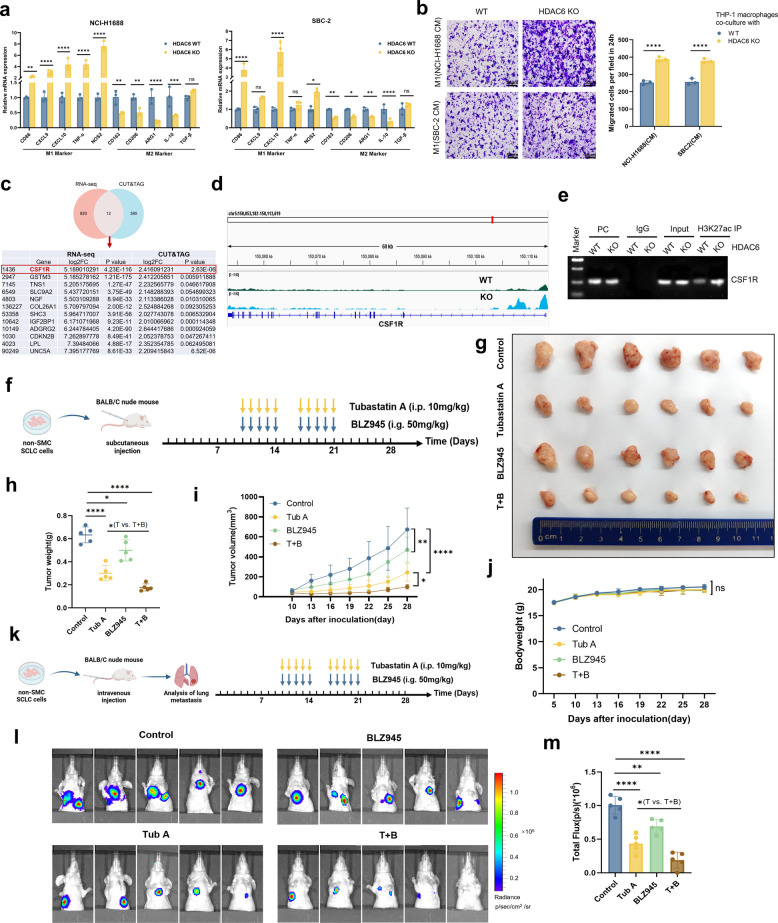 Figure 7
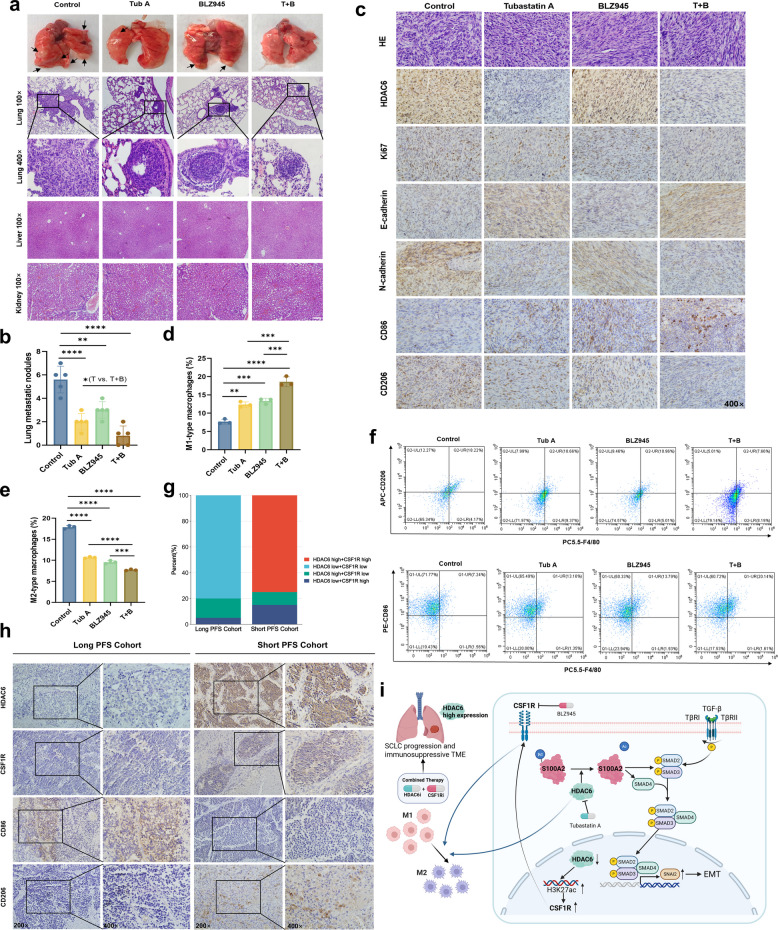 Figure 8
Peer Reviews
No public reviews on file for this paper yet. If you reviewed it on a platform where reviews are public (OpenReview, ICLR, NeurIPS, ICML), you can paste yours below so the community can read it here.
Videos
No videos yet. Explain this paper in a talk, walkthrough, or lecture? Add one.
Taxonomy
TopicsHistone Deacetylase Inhibitors Research · Lung Cancer Research Studies · Immune cells in cancer