Unmasking Mycobacterium avium: two case reports of cutaneous lesions in HIV patients after initiation of an integrase inhibitor-based regimen
Luis Camero, Lily M. Soto, David M. Flora-Noda, Lorena L. Becerra-Vivas, Adriana Guerra-Martínez, Mercedes España, Franklin E. Claro, Jacobus H. de Waard, Douglas Silva, Fhabián S. Carrión-Nessi, David A. Forero-Peña

TL;DR
Two HIV patients developed severe skin ulcers after starting antiretroviral therapy, caused by Mycobacterium avium infection, highlighting the need for early detection in immunosuppressed individuals.
Contribution
Reports two novel cases of cutaneous lesions in HIV patients linked to Mycobacterium avium infection following ART initiation.
Findings
Disseminated Mycobacterium avium complex infection presented with cutaneous ulcers in two HIV patients after ART initiation.
PCR and biopsy confirmed MAC infection, with successful treatment using clarithromycin, ethambutol, and clofazimine.
Cases highlight immune reconstitution inflammatory syndrome as a potential cause of new inflammatory syndromes in HIV patients.
Abstract
Mycobacterium avium complex (MAC) is the most common non-tuberculous mycobacteria (NTM) causing disease in immunosuppressed patients. People living with human immunodeficiency virus (PLHIV) typically present with disseminated infections characterized by non-specific constitutional symptoms such as fever, night sweats, and weight loss. Cutaneous lesions in disseminated MAC are rare and include panniculitis, granulomas, pustules, papules, nodules, abscesses and ulcerations, and ulcers. Here, we present two HIV patients who developed a disseminated MAC infection with skin lesions. A 40-year-old woman with a 10-year history of untreated HIV infection and a 47-year-old woman recently diagnosed with HIV both presented with constitutional symptoms. After routine screening for opportunistic infections and exclusion of active infection, they were started on antiretroviral therapy (ART) with…
Genes, proteins, chemicals, diseases, species, mutations and cell lines named across the full text — each resolved to its canonical identifier and authoritative record.
Click any figure to enlarge with its caption.
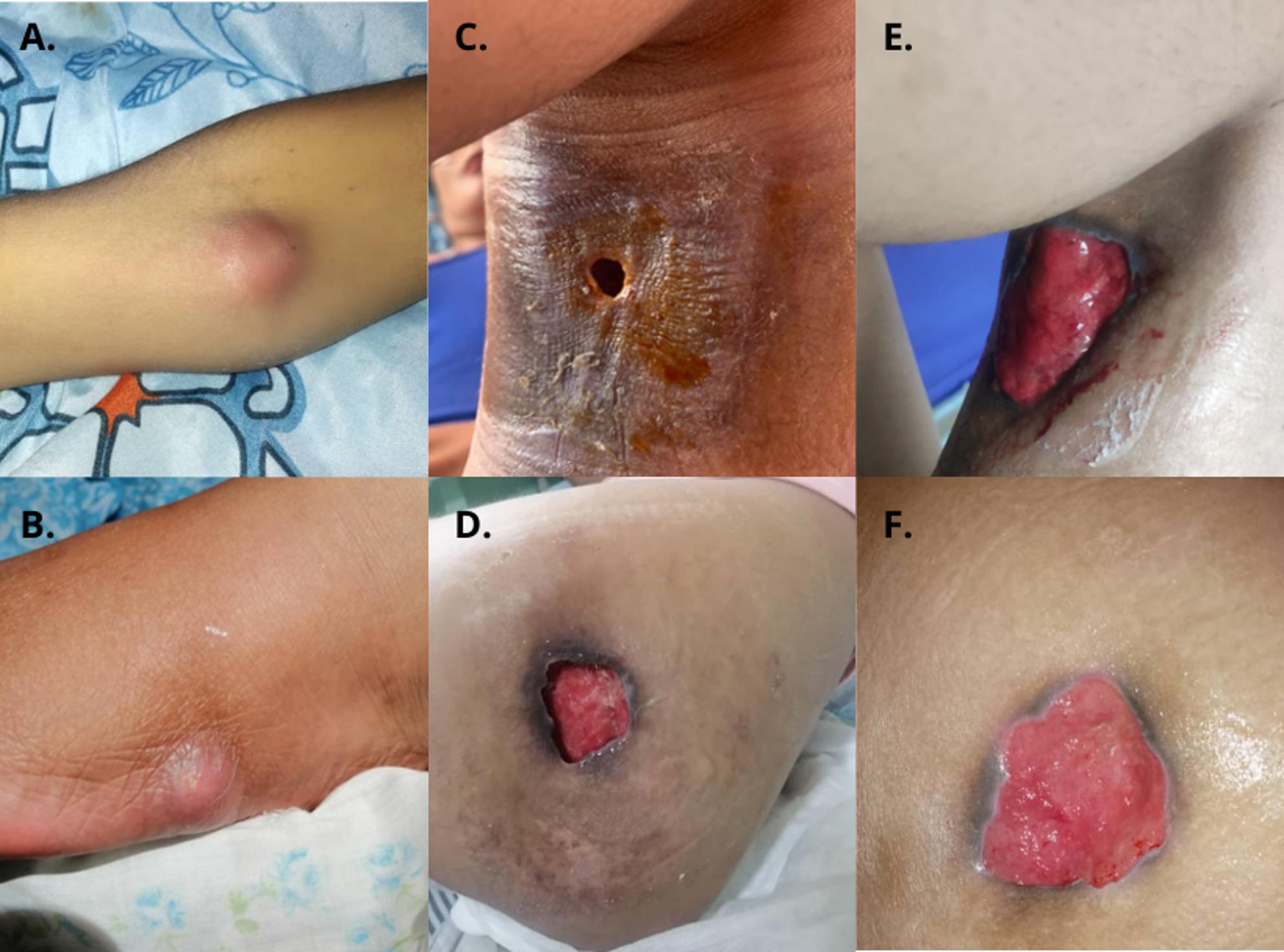 Figure 1
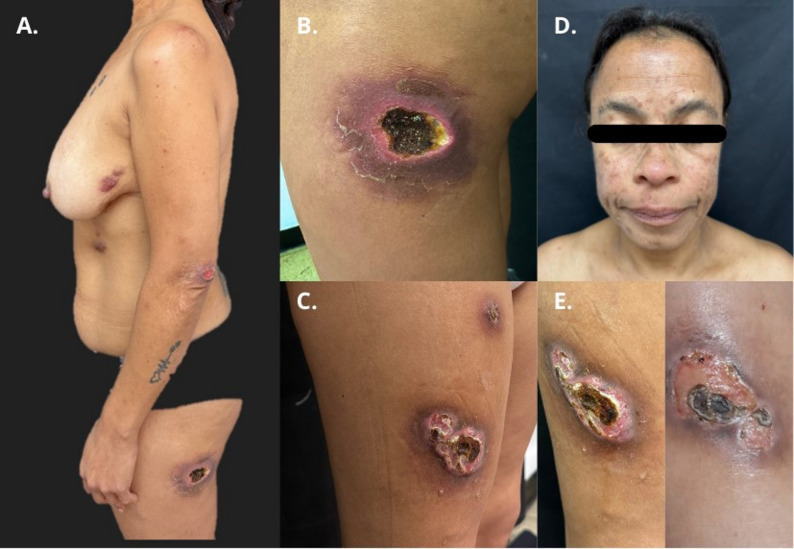 Figure 2
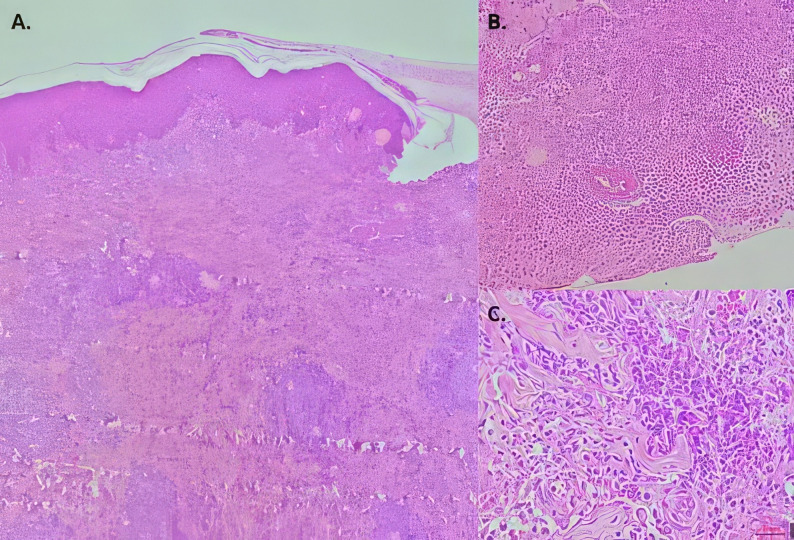 Figure 3
Peer Reviews
No public reviews on file for this paper yet. If you reviewed it on a platform where reviews are public (OpenReview, ICLR, NeurIPS, ICML), you can paste yours below so the community can read it here.
Videos
No videos yet. Explain this paper in a talk, walkthrough, or lecture? Add one.
Taxonomy
TopicsMycobacterium research and diagnosis · Infectious Diseases and Tuberculosis · Tuberculosis Research and Epidemiology