YSQ‐GeMS: Development of a Short Form of the Young Schema Questionnaire for Geriatric Mental Health Care Using Item Response Theory
L. Botter, P. F. M. Krabbe, D. L. Gerritsen, S. D. M. van Dijk, R. C. Oude Voshaar

TL;DR
A shorter version of a questionnaire for assessing psychological schemas was developed for older adults in mental health care.
Contribution
A 75-item shortened version of the Young Schema Questionnaire was developed for geriatric mental health care using item response theory.
Findings
The YSQ-GeMS showed strong concordance with the original questionnaire.
Excluded items improved suitability for cognitively vulnerable older adults.
The shorter form reduces respondent burden while maintaining psychometric robustness.
Abstract
Schema therapy is effective for older adults with personality disorders, but the Young Schema Questionnaire (YSQ) may be too lengthy for use in geriatric mental health care. This study evaluated the construct validity of the YSQ‐L2 in adults aged 35–97 years receiving residential or outpatient geriatric, psychiatric or medical care and developed a shorter form for this population. Data from 214 participants from Dutch nursing homes and outpatient services were analysed using Item Response Theory across 16 YSQ‐L2 subscales. Each subscale was reduced to five items based on discrimination, difficulty, Differential Item Functioning for cognitive status and face validity. Most items showed adequate discrimination and coverage, whereas the Enmeshment scale had limited sensitivity and the Social Undesirability scale was excluded. The resulting 75‐item YSQ‐GeMS showed strong concordance with…
Genes, proteins, chemicals, diseases, species, mutations and cell lines named across the full text — each resolved to its canonical identifier and authoritative record.
Click any figure to enlarge with its caption.
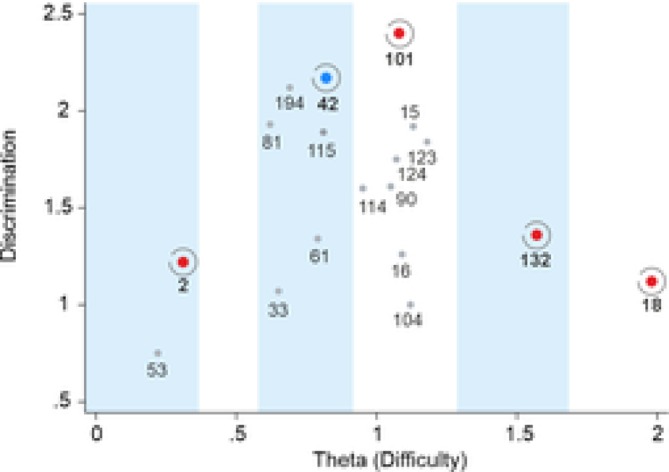 Figure 1
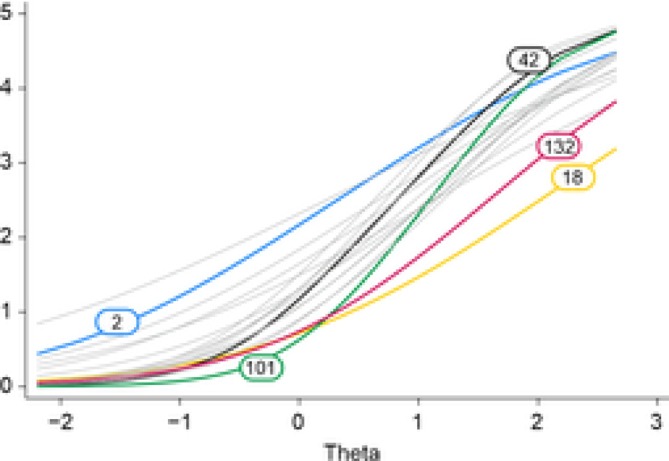 Figure 2
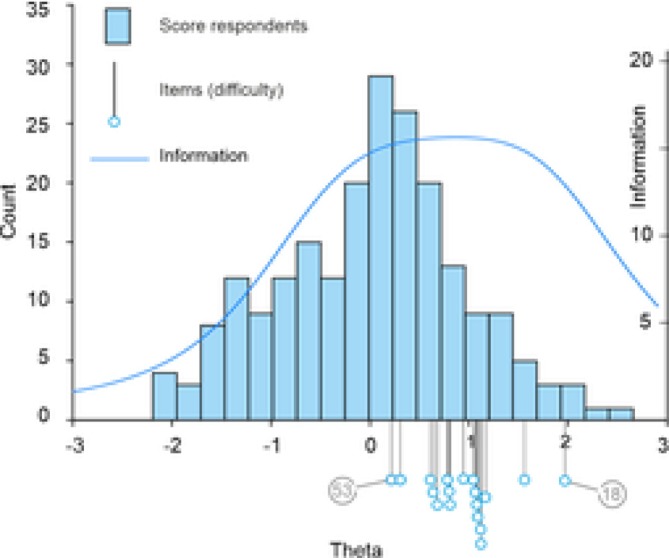 Figure 3
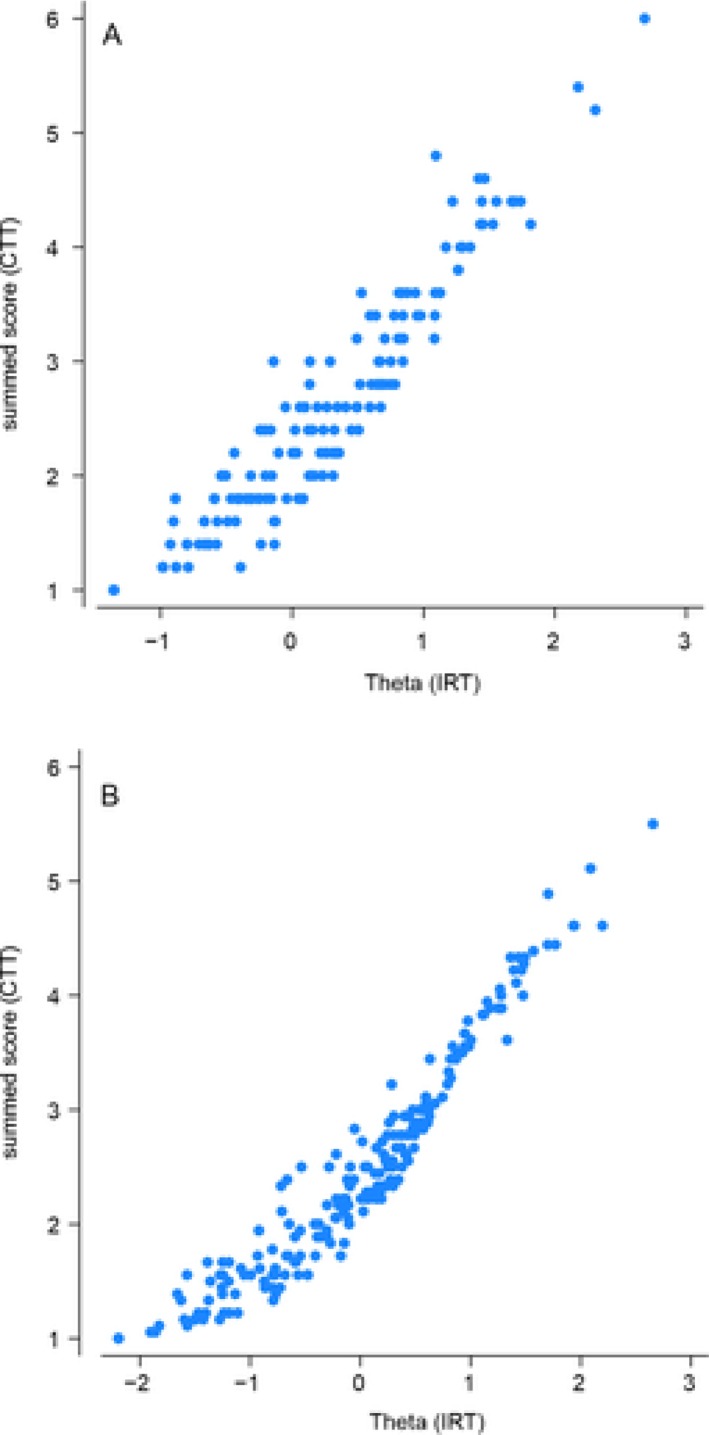 Figure 4
Peer Reviews
No public reviews on file for this paper yet. If you reviewed it on a platform where reviews are public (OpenReview, ICLR, NeurIPS, ICML), you can paste yours below so the community can read it here.
Videos
No videos yet. Explain this paper in a talk, walkthrough, or lecture? Add one.
Taxonomy
TopicsPersonality Disorders and Psychopathology · Psychological Testing and Assessment · Personality Traits and Psychology