A Sacrificial 3D Printed Vessel‐on‐Chip Demonstrates a Versatile Approach to Model Granulation Tissue
Jonas Jäger, Phil Berger, Andrew I. Morrison, Hendrik Erfurth, Maria Thon, Eva‐Maria Dehne, Susan Gibbs, Jasper J. Koning

TL;DR
This paper introduces a 3D printed vessel-on-chip method to create vascularized, immunocompetent tissue models for studying health and disease.
Contribution
A sacrificial 3D printing method is used to generate hollow vascular channels in organ-on-chip models with endothelial and immune cell integration.
Findings
Stable metabolic conditions were maintained for 7 days with perfused vascular channels.
High fibrin gels showed angiogenic sprouting and increased cytokine secretion.
Monocytes differentiated into macrophages and migrated across endothelium into the tissue.
Abstract
For in vitro organ models, perfused vasculature is crucial to overcome nutrient diffusion limits and to generate immunocompetent models by allowing trans‐endothelial migration of immune cells in and out of the tissue. However, vasculature is often disregarded due to its complexity to generate and the necessity to integrate flow. The aim here is to overcome these limitations by combining 3D printing and multi‐organ‐chip technology to generate a vascularized, fibroblast‐populated connective tissue matrix on‐chip. A 3D printed, sacrificial, water‐dissolvable structure is incorporated into a multi‐organ‐chip to generate hollow channels within a collagen/fibrin hydrogel. Subsequently, the channels are populated with endothelial cells. Different hydrogel concentrations of fibrin are used to mimic healthy and early granulation tissue. The vessels are perfused, and stable metabolic/viability…
Genes, proteins, chemicals, diseases, species, mutations and cell lines named across the full text — each resolved to its canonical identifier and authoritative record.
Click any figure to enlarge with its caption.
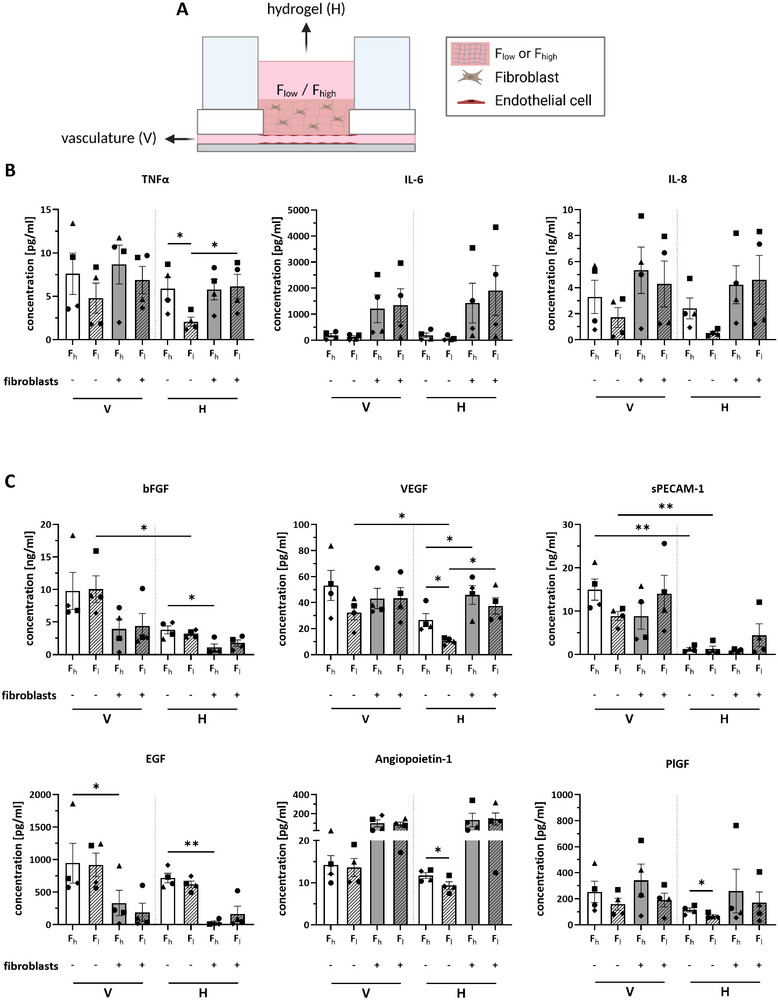 Figure 1
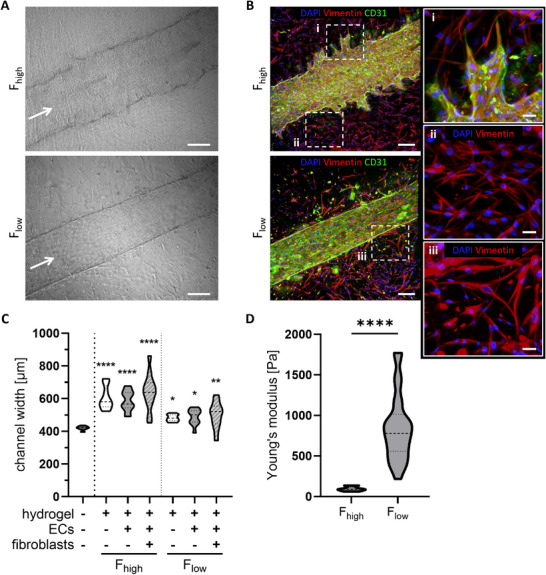 Figure 2
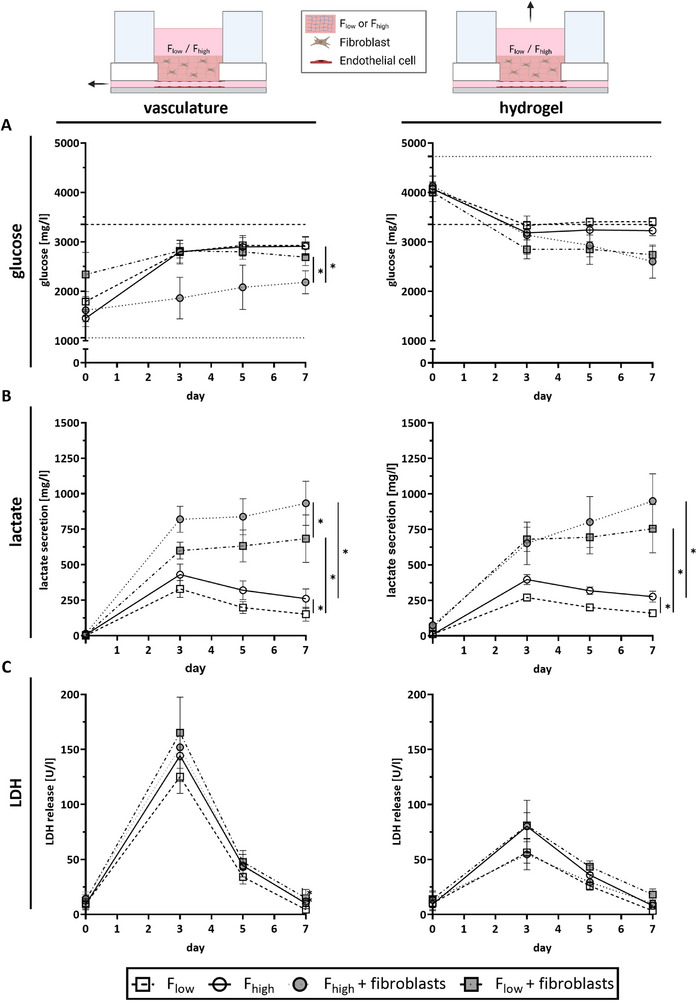 Figure 3
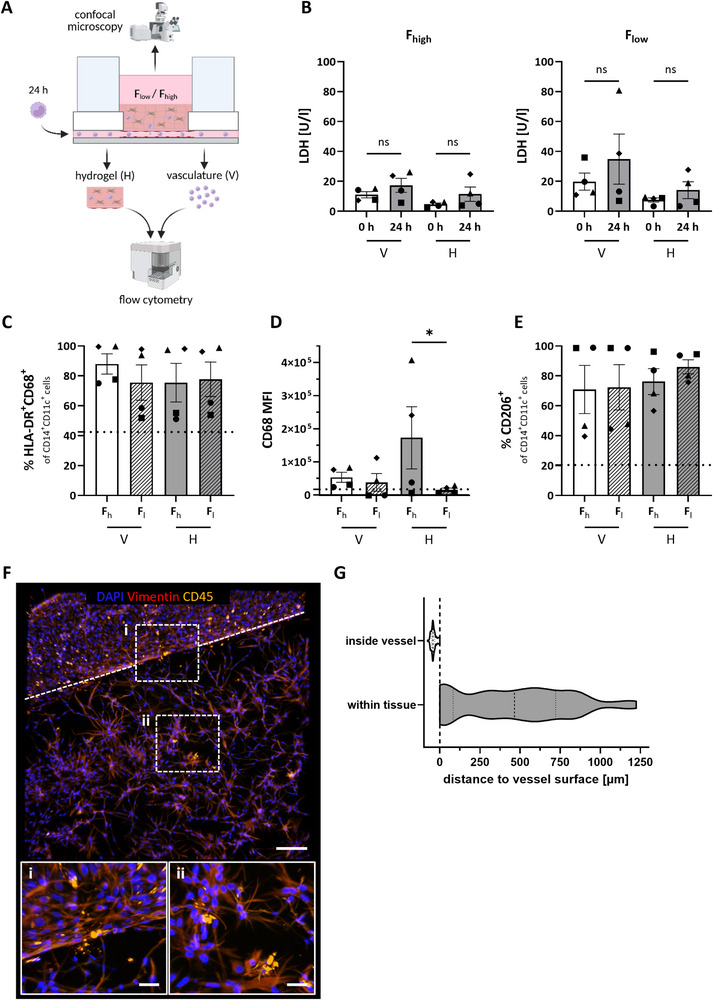 Figure 4
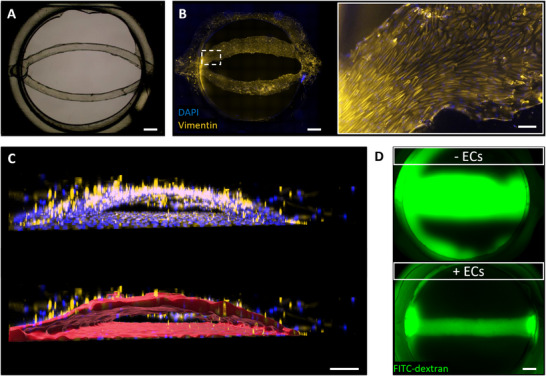 Figure 5
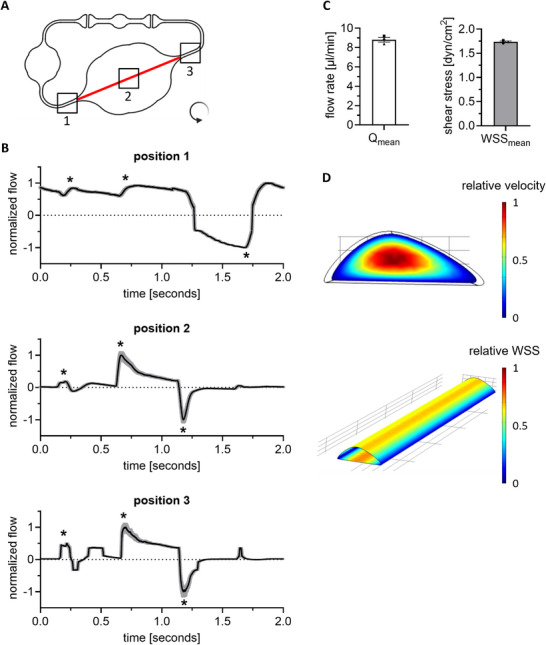 Figure 6
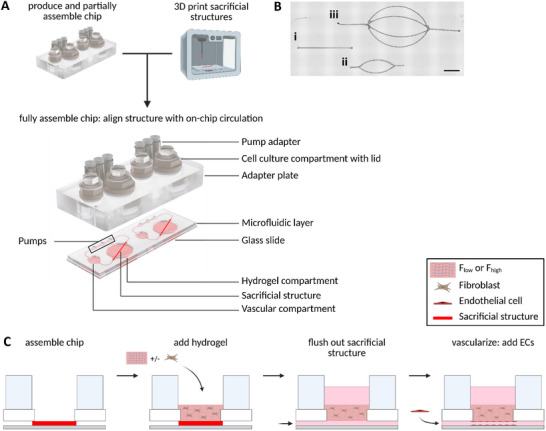 Figure 7
 Figure 8
Peer Reviews
No public reviews on file for this paper yet. If you reviewed it on a platform where reviews are public (OpenReview, ICLR, NeurIPS, ICML), you can paste yours below so the community can read it here.
Videos
No videos yet. Explain this paper in a talk, walkthrough, or lecture? Add one.
Taxonomy
Topics3D Printing in Biomedical Research · Electrospun Nanofibers in Biomedical Applications · Tissue Engineering and Regenerative Medicine